A dedicated volunteer community lead at a prominent tech non-profit has pioneered an innovative AI-powered pipeline, revolutionizing how the organization manages community engagement and disseminates vital information. This groundbreaking system addresses the pervasive challenge of volunteer burnout while significantly enhancing the support provided to thousands of aspiring tech professionals through free training and mentorship programs. By automating the identification of common member questions and the generation of public-facing content, the initiative has not only streamlined operations but also expanded the non-profit’s reach, ensuring critical answers are accessible far beyond its internal communication channels.

The Challenge: Navigating a Growing Digital Community
The tech non-profit, dedicated to bridging the skill gap in the technology sector by offering free training and mentorship, relies heavily on its vibrant online community. This digital ecosystem, primarily hosted on Slack, serves as a crucial hub for members seeking guidance, peer support, and direct interaction with program leads. The community lead, a volunteer with a passion for fostering growth, found themselves at the nexus of a rapidly expanding network. Their role encompassed two primary functions: providing direct support by answering member questions across multiple Slack channels and crafting valuable content for the non-profit’s public social media platforms.
Initially, these responsibilities were managed manually. The Slack workspace, a dynamic environment with numerous channels, saw a significant volume of traffic. Four primary channels alone generated approximately 80 questions per week, ranging from technical queries to logistical concerns about training programs. For the content creation aspect, the community lead was tasked with sifting through this deluge of conversations, identifying recurring themes, and manually developing a content calendar. This labor-intensive process consumed an estimated three to five hours per post, covering research, writing, scheduling, and subsequent engagement with comments. On a good week, only two or three posts could be published, amounting to 15 to 20 hours of volunteer work weekly—a substantial commitment on top of a full-time day job.
This unsustainable workload inevitably led to burnout. The sheer volume of questions, coupled with the meticulous process of manual content identification and creation, proved overwhelming. Crucially, the questions most likely to slip through the cracks were often the most valuable—those phrased uniquely, pertaining to niche topics, or asked at times of low engagement. These overlooked queries represented individuals in need of timely assistance, highlighting a critical gap in the manual system’s ability to provide comprehensive and equitable support. The pressing need for a more efficient, scalable, and resilient solution became undeniable, driving the community lead to seek an automated approach that could proactively address member concerns and prevent vital information from being siloed.
Pioneering a Solution: The AI-Powered Community Management Pipeline
Faced with the limitations of manual operations and the imperative to sustain effective community support, the volunteer lead embarked on developing an AI-powered pipeline. The core objective was clear: to create a system that could intelligently monitor community discussions, identify unanswered questions, and transform shared concerns into accessible public content. This innovative pipeline was constructed using Gumloop, a low-code canvas that facilitated the chaining of AI steps, API calls, and custom nodes into a cohesive workflow.
The pipeline operates in five distinct, sequential steps: Read, Filter, Archive, Cluster, and Publish. The initial three stages are designed to convert raw Slack data into a clean, structured, and taggable archive, while the subsequent two determine content relevance and automate its dissemination.
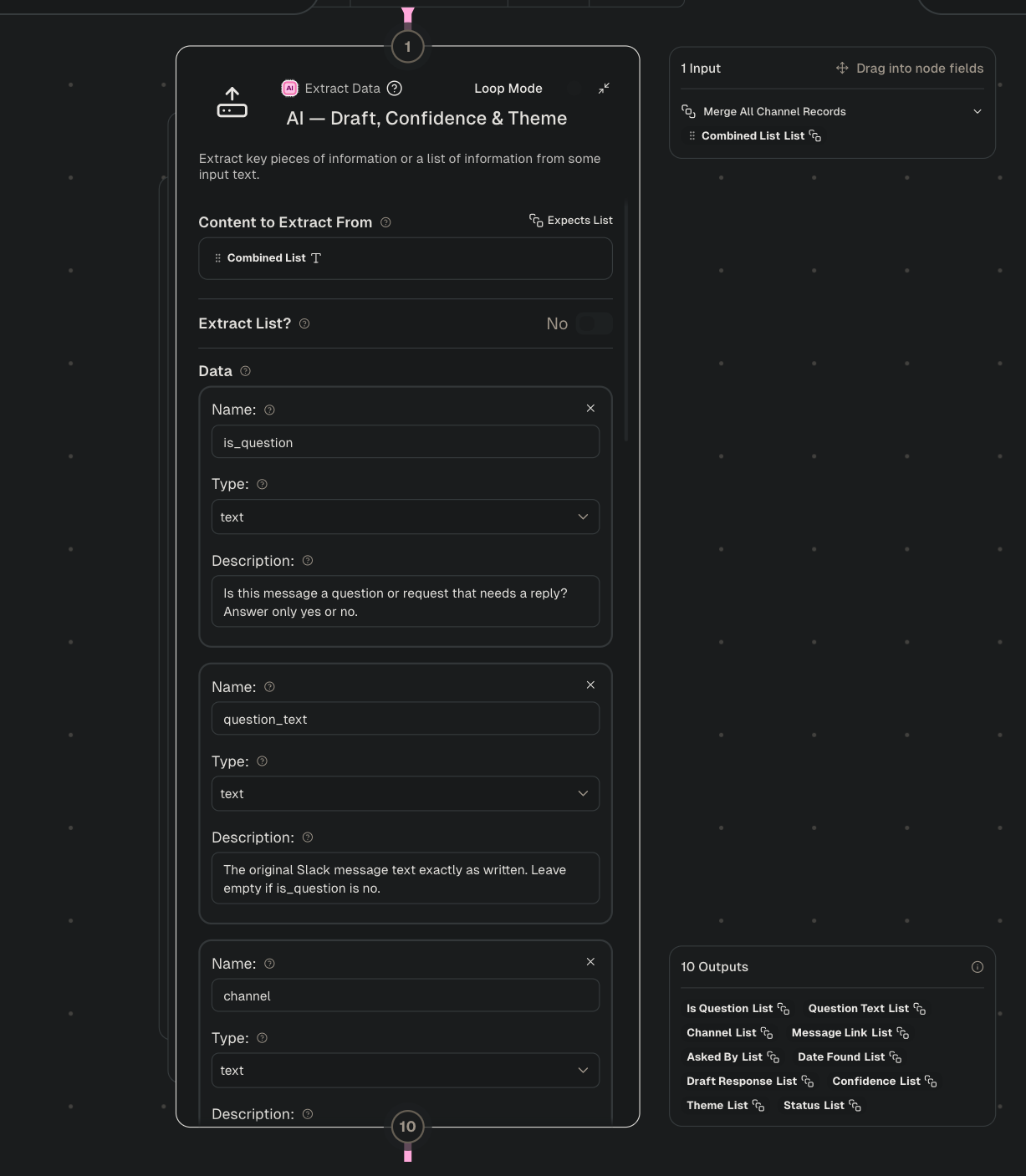
- Read: The process begins by connecting to the non-profit’s Slack workspace, specifically targeting the four high-traffic channels. An AI Extract Data node is configured to pull conversations, ensuring all interactions are captured for analysis.
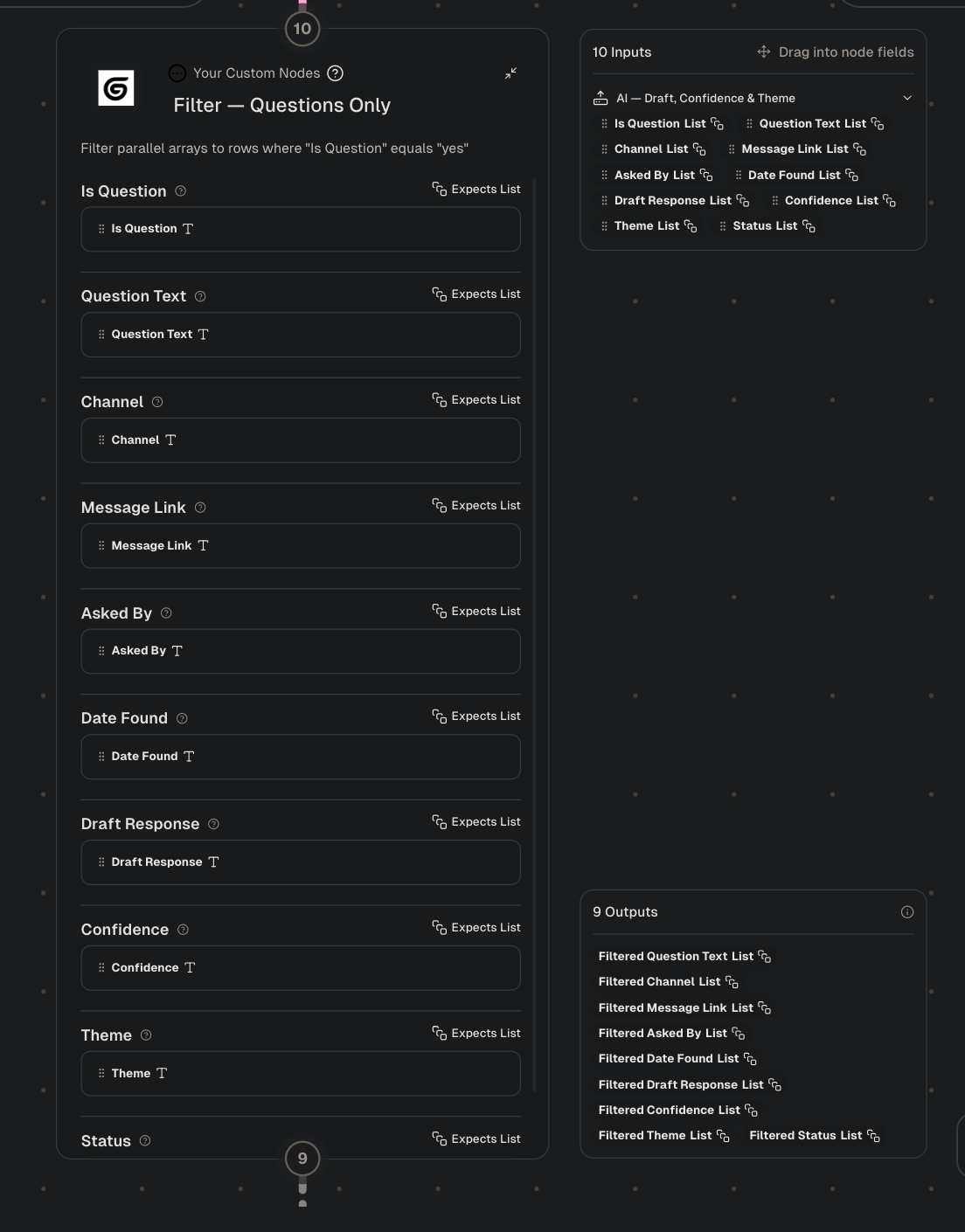
- Filter: Once the data is ingested, a crucial filtering step is applied. This stage utilizes AI to discern genuine questions from general discussions, comments, or announcements. The system drafts a preliminary reply to every identified question, which the community lead can then review and approve for direct channel responses.
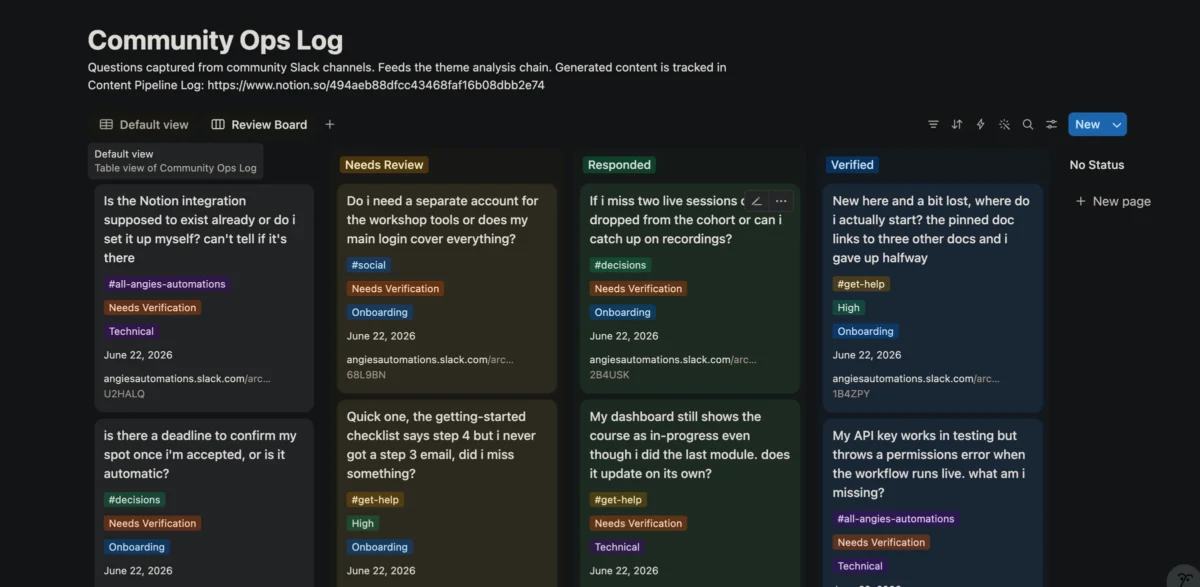
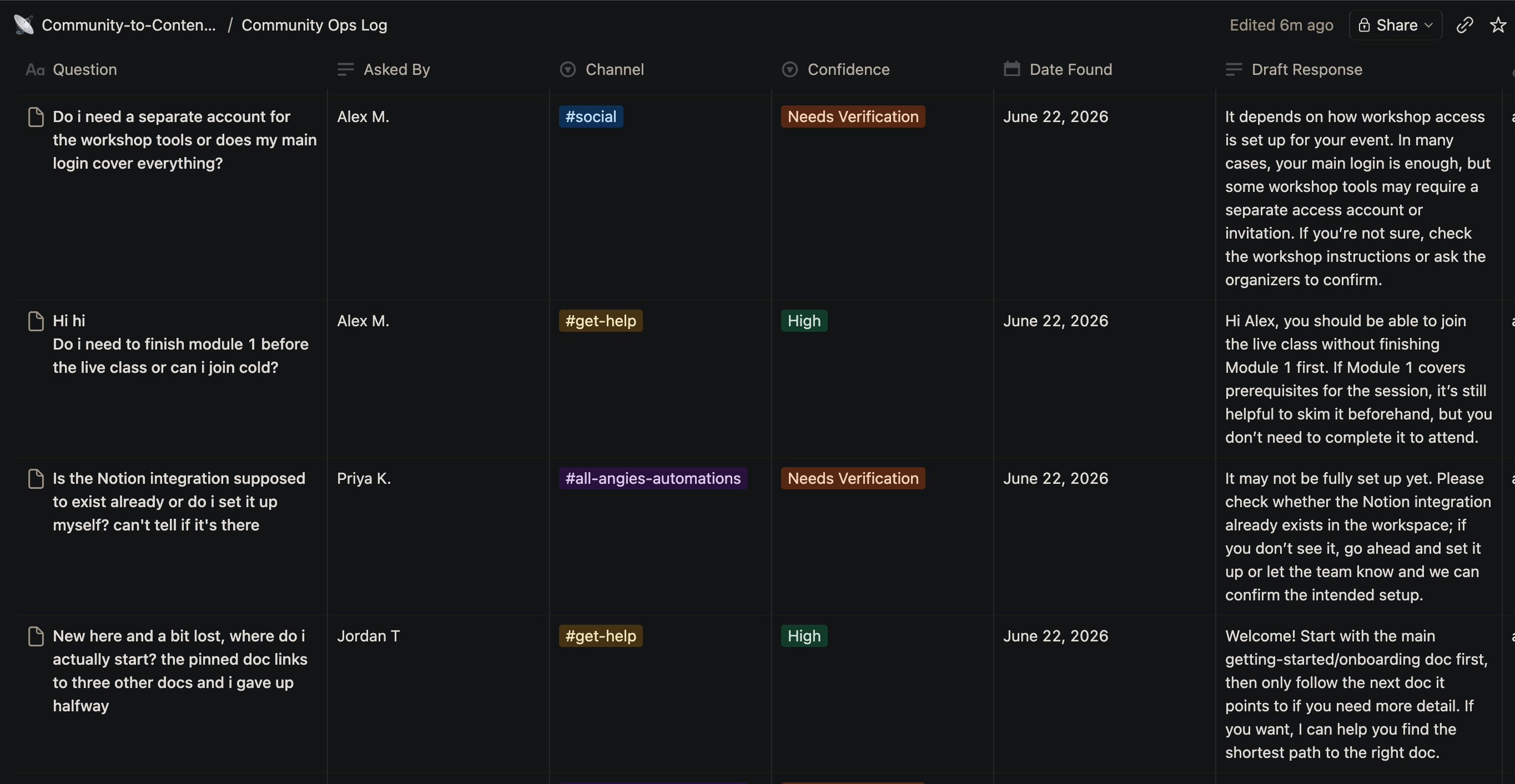
- Archive: Filtered questions are then logged into a centralized database, a "Community Ops Log" in Notion. This creates a clean, structured record of every question, complete with relevant metadata, making it easily searchable and auditable. This archive forms the foundation for content generation.
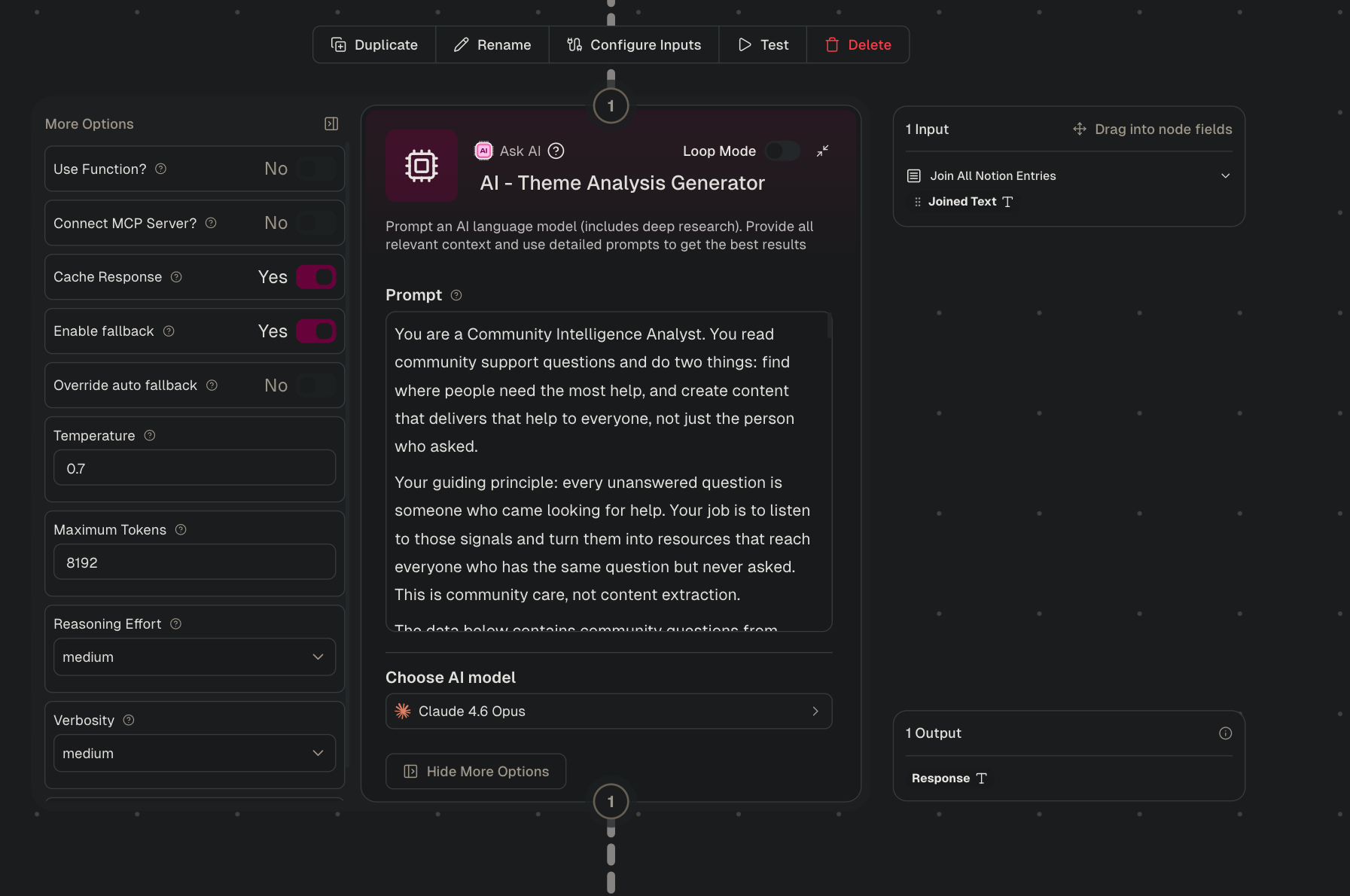
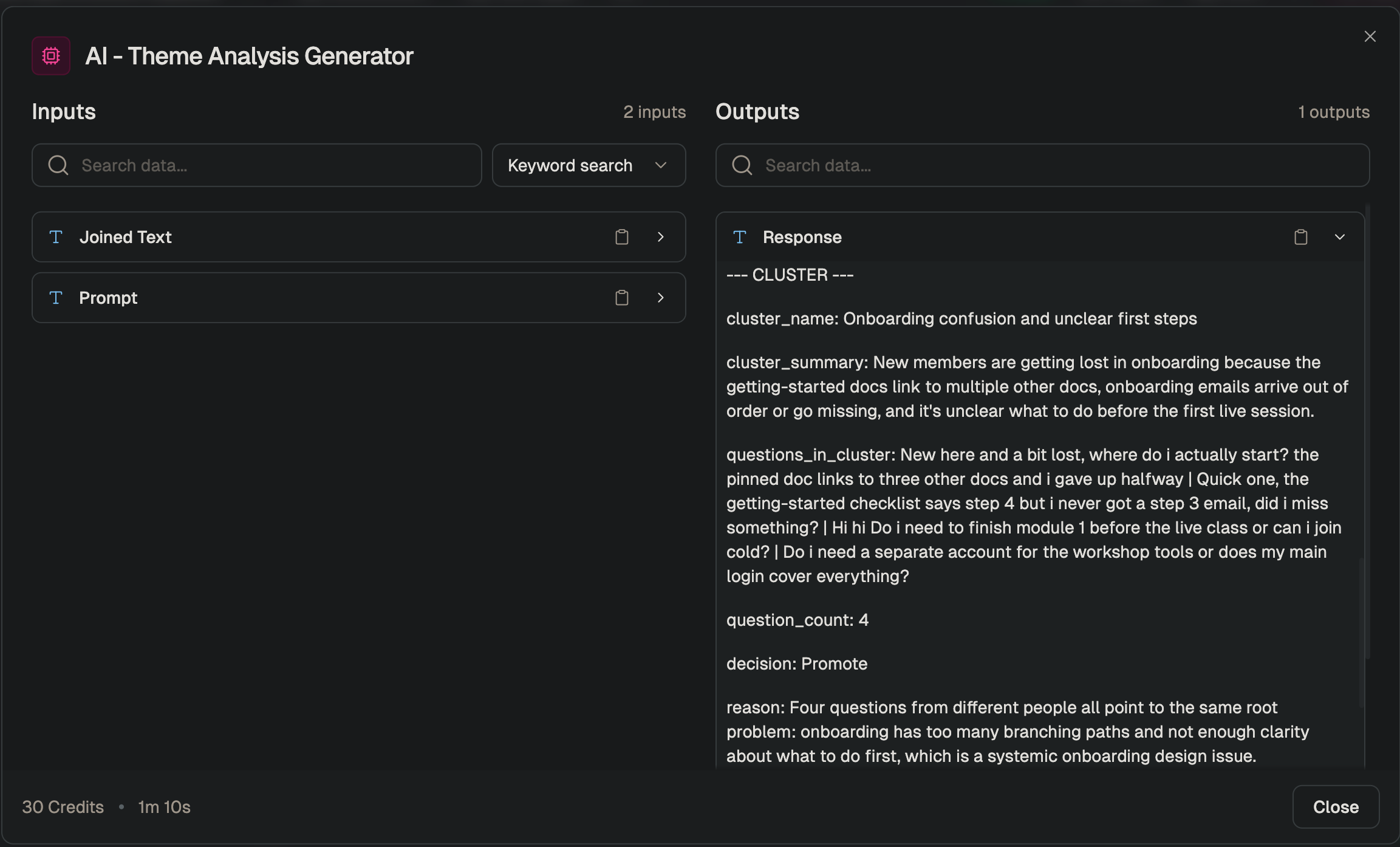
- Cluster: This is perhaps the most sophisticated and critical step. A Notion reader pulls all entries from the Community Ops Log and feeds them into a Gumloop Ask AI node powered by Claude Opus. In a single pass, this advanced AI performs several functions:
- Question Clustering: It groups questions that, despite varied phrasing, address the same underlying topic or concern.
- Relevance Scoring: Each cluster is scored to determine its suitability for a public post. The pipeline defaults to not posting, requiring a strong justification for public dissemination.
- Duplicate Removal: Near-duplicate questions within clusters are identified and consolidated, preventing redundancy.
- Content Drafting: For themes that meet the relevance threshold, the AI drafts content ideas and initial social media posts in a predefined voice.
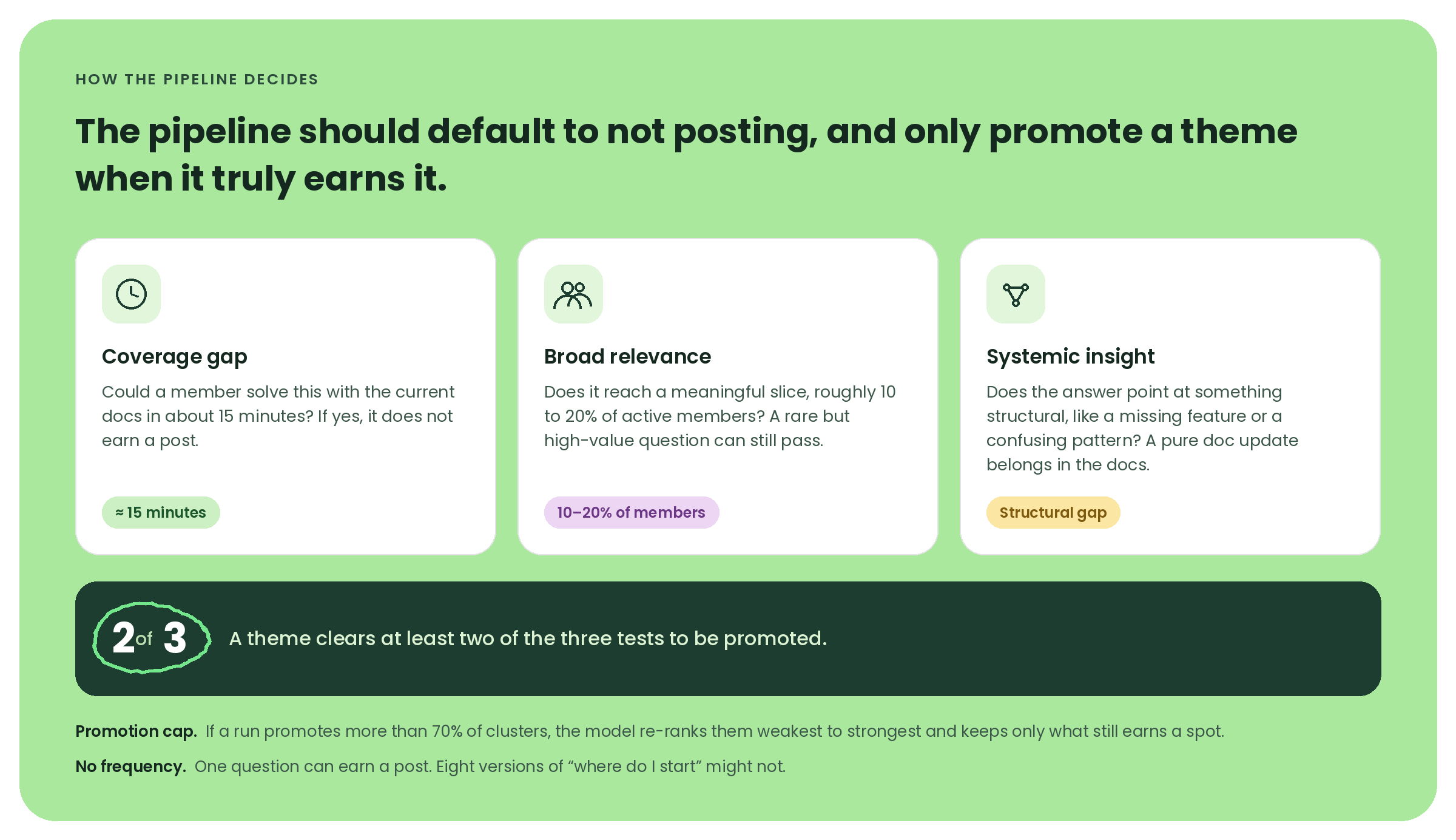
The promotion of content ideas is governed by three specific criteria, at least two of which must be met: - Unique Value: Does the question reveal a gap in existing knowledge or address a complex, overlooked aspect?
- Broad Applicability: Will the answer benefit a significant portion of the community, even if only a few asked it directly?
- Urgency/Timeliness: Is the topic particularly relevant to current events, program phases, or common roadblocks?
To maintain selectivity and prevent the AI from over-promoting content, a "promotion cap" is enforced: if more than 70% of clusters are flagged for promotion in a single run, the system re-ranks them, promoting only the strongest candidates. This ensures that content remains high-quality and impactful, prioritizing depth over sheer volume. Notably, the system deliberately de-emphasizes frequency as a primary sorting criterion for public content, favoring questions that uncover deeper insights or address less-obvious pain points over merely popular queries.
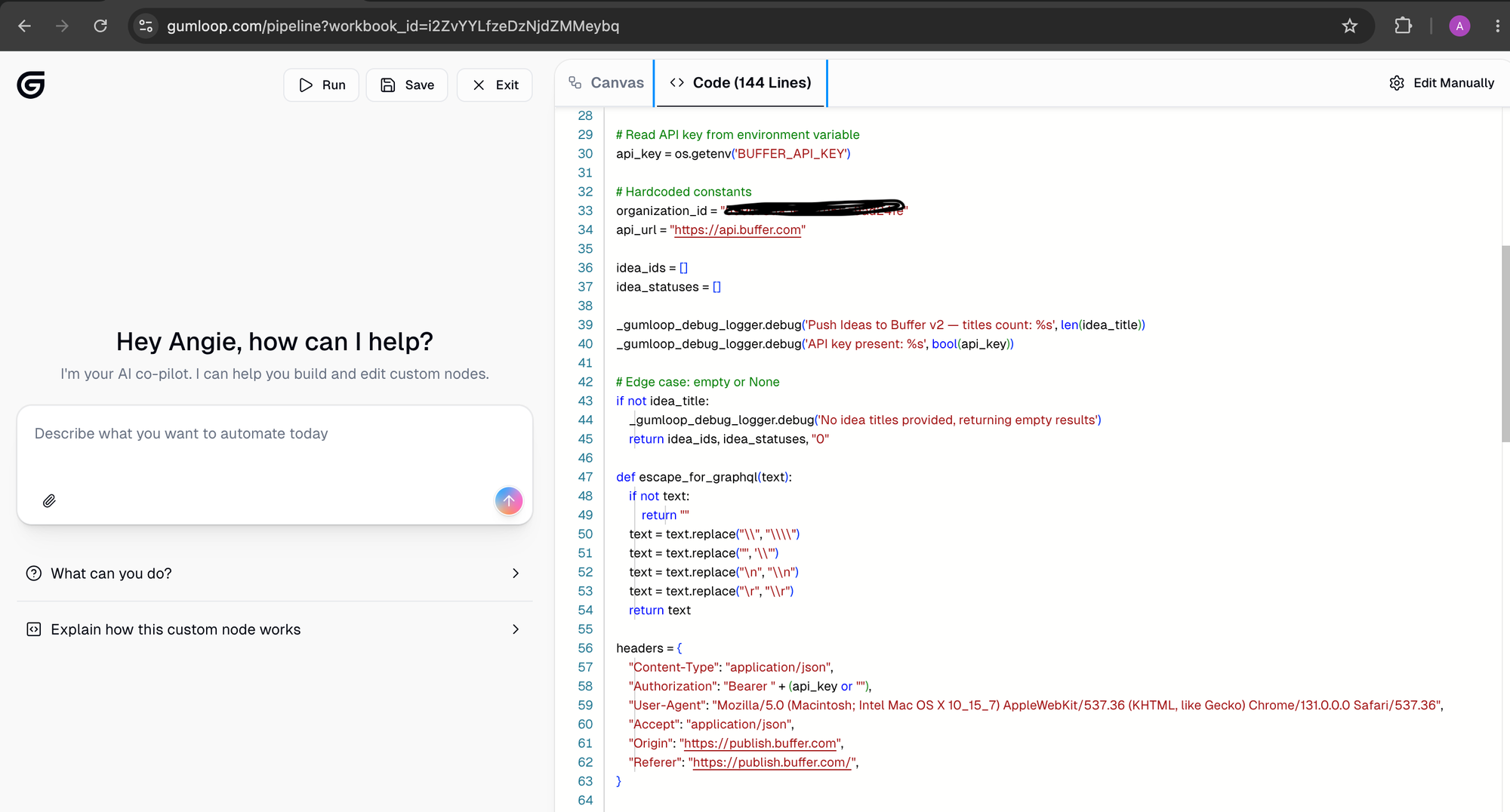
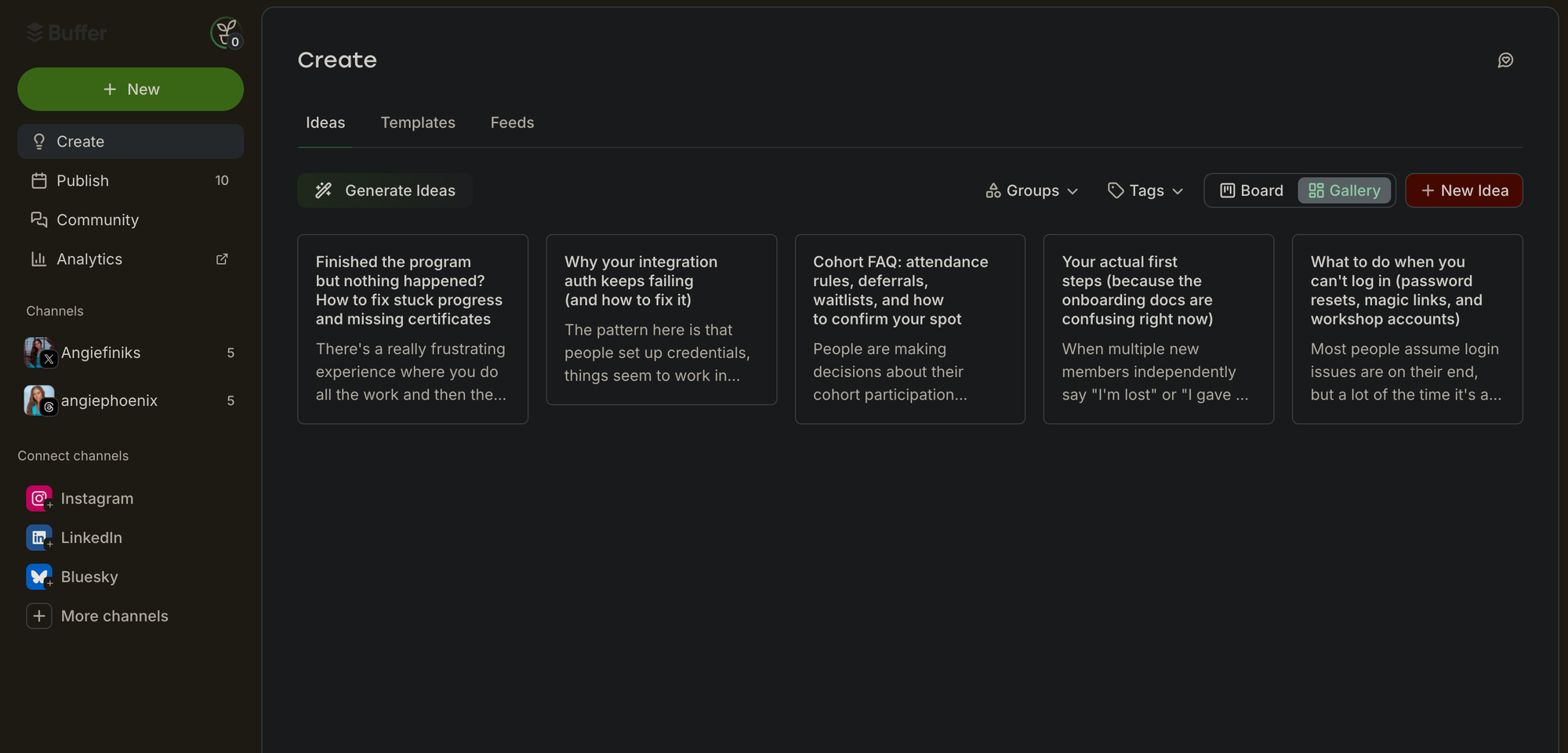
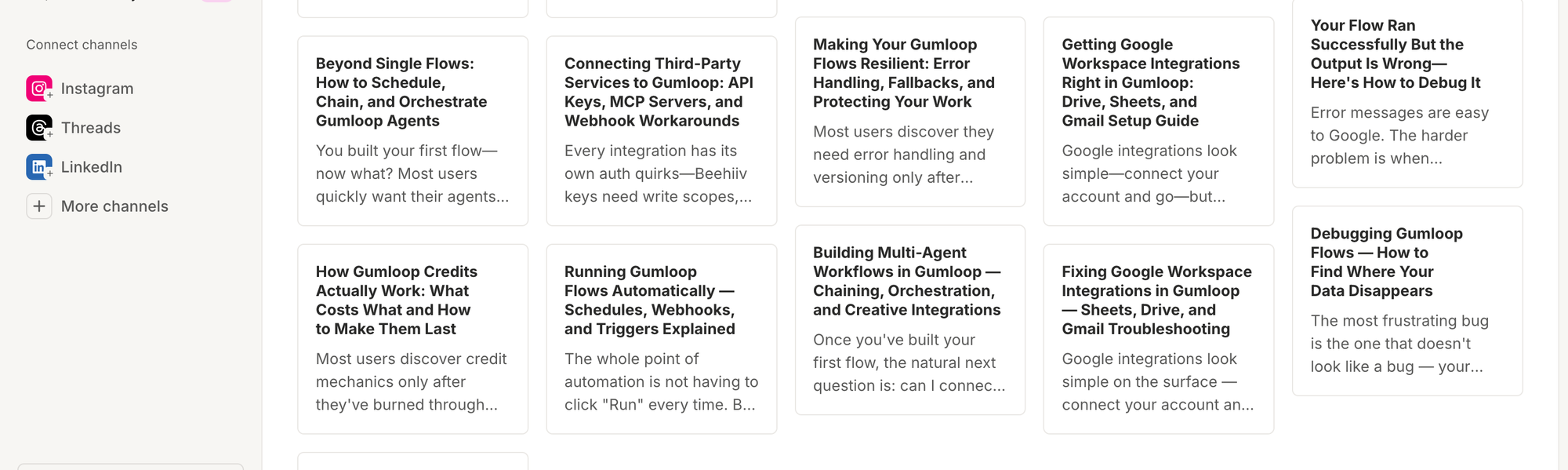
- Publish: The final stage involves the automated transfer of approved content ideas and drafted posts to Buffer, a social media management platform. Three custom nodes manage this handoff, making specific Buffer API calls. One node creates an "idea" in Buffer’s Create space for each promoted theme, while the other two queue the drafted posts for X (formerly Twitter) and Threads, respectively. Buffer then intelligently spaces these posts across the publishing schedule, eliminating the need for manual timing. A crucial technical detail involved configuring the API calls with specific HTTP headers (User-Agent, Accept-Language, Accept-Encoding, Referer) to bypass Cloudflare’s automated traffic filters, ensuring smooth integration.
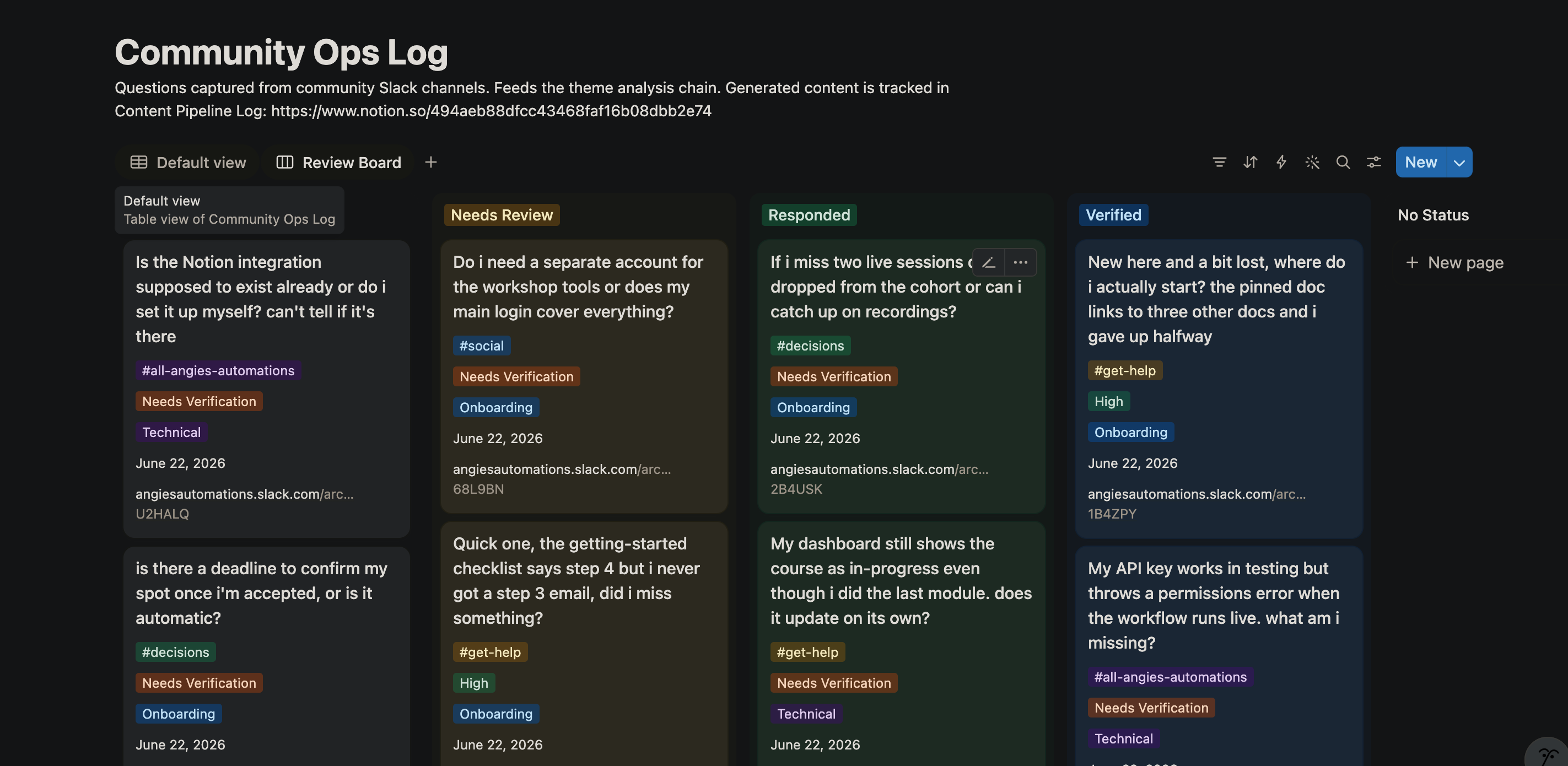
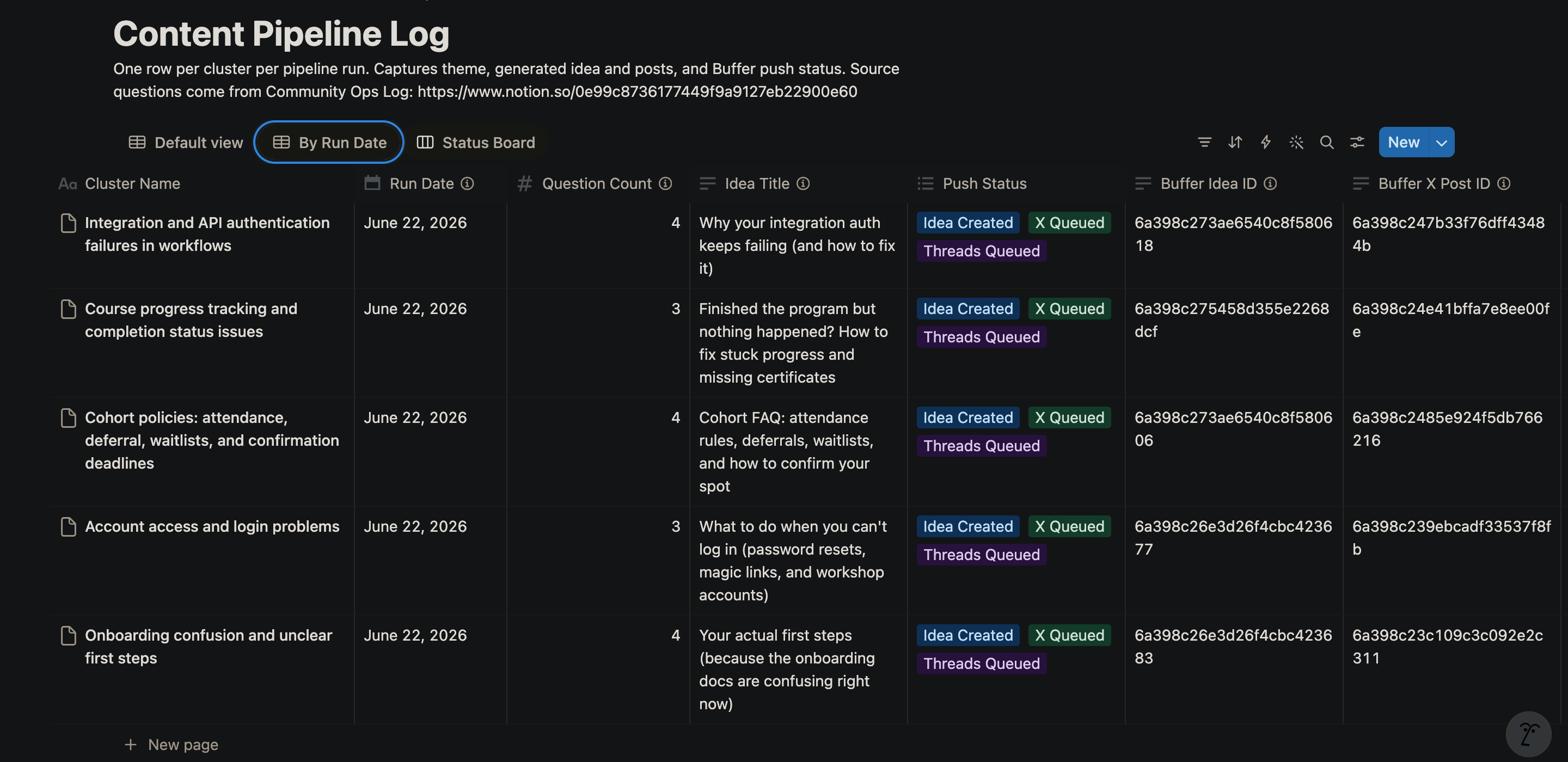
Upon successful publication, the pipeline updates a second Notion database, the "Content Pipeline Log." Each theme receives a status (e.g., "Idea Created, X Queued, Threads Queued"), alongside the run date and direct links back to the original Slack questions. This meticulous tracking ensures full traceability, allowing the non-profit to understand the origin of every public post, identify high-performing content for follow-ups, and provide transparent accountability to its board members regarding content strategy. The entire workflow, from initial data ingestion to final scheduling, is designed for minimal human intervention, with the community lead’s role shifting to strategic oversight and final approval within Buffer’s intuitive interface.
Crafting an Authentic Voice: AI with a Human Touch
A significant concern during the pipeline’s development was the potential for AI-generated content to sound generic or "robotic," thereby undermining the non-profit’s authentic voice and connection with its community. To mitigate this, the community lead implemented a sophisticated training regimen for the AI model (Claude Opus) to ensure generated posts resonated with their personal writing style.
Before initiating content generation, the AI was provided with a curated set of writing samples. These included two peer replies written by the lead within the Slack community, one longer-form post published elsewhere, and a direct message—the latter chosen for its raw, authentic tone. This diverse collection allowed the AI to analyze patterns in language, empathy, directness, and overall style.
In addition to these samples, the prompt for content generation included several "hard rules" designed to further refine the AI’s output:
- Directness and Empathy: Posts must be clear, concise, and empathetic, reflecting the non-profit’s supportive ethos.
- Actionability: Content should provide clear, actionable advice or resources, empowering members to take the next step.
- Tone Consistency: The generated text must align with the overall supportive and encouraging tone prevalent in the community lead’s existing communications.
- Avoidance of AI-isms: Specifically, the AI was instructed to minimize the use of certain grammatical structures or phrases commonly associated with generic AI output, such as an excessive reliance on em-dashes—a subtle but important tweak identified during initial testing.
To further ensure quality and adherence to these rules, a self-check mechanism was integrated. Before finalizing any output, the prompt instructs the AI to scan its own generated content for banned patterns or stylistic inconsistencies and to rewrite any sections that do not meet the specified criteria. This iterative refinement process, involving several rounds of testing and adjustment, proved instrumental in achieving a tone that was virtually indistinguishable from manually crafted content. The result is public content that not only provides valuable information but also maintains the personal, relatable voice that fosters trust and engagement within the community.
Transformative Impact and Early Results
While the AI pipeline is a relatively recent implementation, its impact on the community lead’s workload and the overall community experience has been immediate and profound. The most tangible benefit has been a drastic reduction in the time previously dedicated to community operations. The 15 to 20 hours per week spent on manual triage, content drafting, and calendar management have plummeted, freeing up an estimated 80-90% of that time. This allows the community lead to focus on higher-level strategic initiatives, deeper engagement, and personalized support where human insight is indispensable, effectively mitigating the risk of volunteer burnout.
The pipeline has demonstrably increased the volume and consistency of public content. A single initial run, for example, processed 18 questions from the four key Slack channels, translating them into five distinct content ideas and 10 scheduled posts (five each for X and Threads). This represents a significant increase in output compared to the manual average of 2-3 posts per week. More importantly, this proactive content dissemination has led to a noticeable shift in community dynamics. Deadlines and high-traffic periods, such as new training application windows, are now less stressful as many common questions are already addressed publicly before the rush begins.
Crucially, the nature of questions received in Slack has evolved. Members are increasingly referencing existing public posts, using them as a foundation for asking more advanced or nuanced follow-up questions. This indicates that the content is effectively reaching its intended audience, particularly the "silent majority" who might not otherwise participate in internal Slack discussions. By providing answers where people already scroll—on social media and through easily searchable public channels—the non-profit is reaching members who might check the workspace only weekly, as well as potential new members who haven’t yet discovered the organization but are searching for answers online. This expanded reach means that valuable information continues to help long after a specific Slack thread has gone quiet, significantly broadening the impact of the non-profit’s educational mission.
Strategic Implications and Future Outlook
The implementation of this AI-powered pipeline carries significant strategic implications for the tech non-profit and offers a compelling model for other volunteer-driven organizations. Firstly, it fundamentally enhances the scalability and resilience of community management. By reducing dependence on a single individual’s manual efforts, the non-profit’s ability to support its growing member base becomes less vulnerable to individual capacity constraints. The workflow’s design, utilizing low-code tools like Gumloop and user-friendly platforms like Buffer and Notion, ensures that the system can be maintained and refined even by non-technical team members. This democratizes the management of complex community operations, allowing the work to continue seamlessly regardless of geographical location or time zones.
A spokesperson for the non-profit, commenting on the innovation, stated, "This pipeline is a game-changer for how we empower our community. It allows us to deliver timely, relevant support to more individuals than ever before, aligning perfectly with our mission to make tech accessible. It also safeguards the invaluable contributions of our volunteers by preventing burnout, ensuring their passion can be sustained long-term."
Secondly, the initiative serves as a powerful testament to the potential of AI in empowering volunteers. Volunteer burnout is a pervasive issue across the non-profit sector. By automating repetitive, time-consuming tasks, organizations can make volunteer roles more sustainable, appealing, and impactful. The community lead reflected on this broader purpose: "Leading a growing community is a real job on top of a real job. Building this system was born out of necessity, but it quickly became clear that it was also about planting seeds we may never personally harvest. Every question in those channels belongs to a real person trying to learn or move forward. The more people we can help, the more worthwhile the effort feels. This technology allows us to extend that help far wider than I ever could alone."
Furthermore, the pipeline’s emphasis on public content dissemination plays a critical role in addressing the digital divide and promoting equitable access to tech education. Many aspiring tech professionals, particularly those from underrepresented backgrounds, might lack the confidence to ask questions in a public Slack channel or may not even be aware such communities exist. By publishing answers to common and even niche questions on widely accessible social media platforms and search-engine-indexed channels, the non-profit effectively lowers the barrier to entry for knowledge acquisition, reaching individuals actively searching for solutions to their tech-related challenges.
This case study demonstrates how thoughtful integration of AI and low-code solutions can transform traditional community management from a reactive, labor-intensive function into a proactive, scalable, and highly impactful outreach mechanism. It underscores the potential for non-profits to leverage emerging technologies not just for efficiency, but for deeper mission fulfillment and broader societal impact, ensuring that no question goes unanswered and no aspiring tech professional is left behind.
For organizations considering similar integrations, resources are available. Buffer’s developer documentation provides comprehensive guides on its GraphQL schema, authentication flows, and quick-start examples. Specific documentation also details how to integrate Buffer’s MCP server with AI agents like Claude. Support teams and community forums, such as Discord servers, offer further assistance and a platform for collaboration among developers. The tech non-profit’s pioneering effort highlights a future where technology amplifies human connection and volunteer dedication, creating more inclusive and supportive learning environments for all.