Michael Sholeh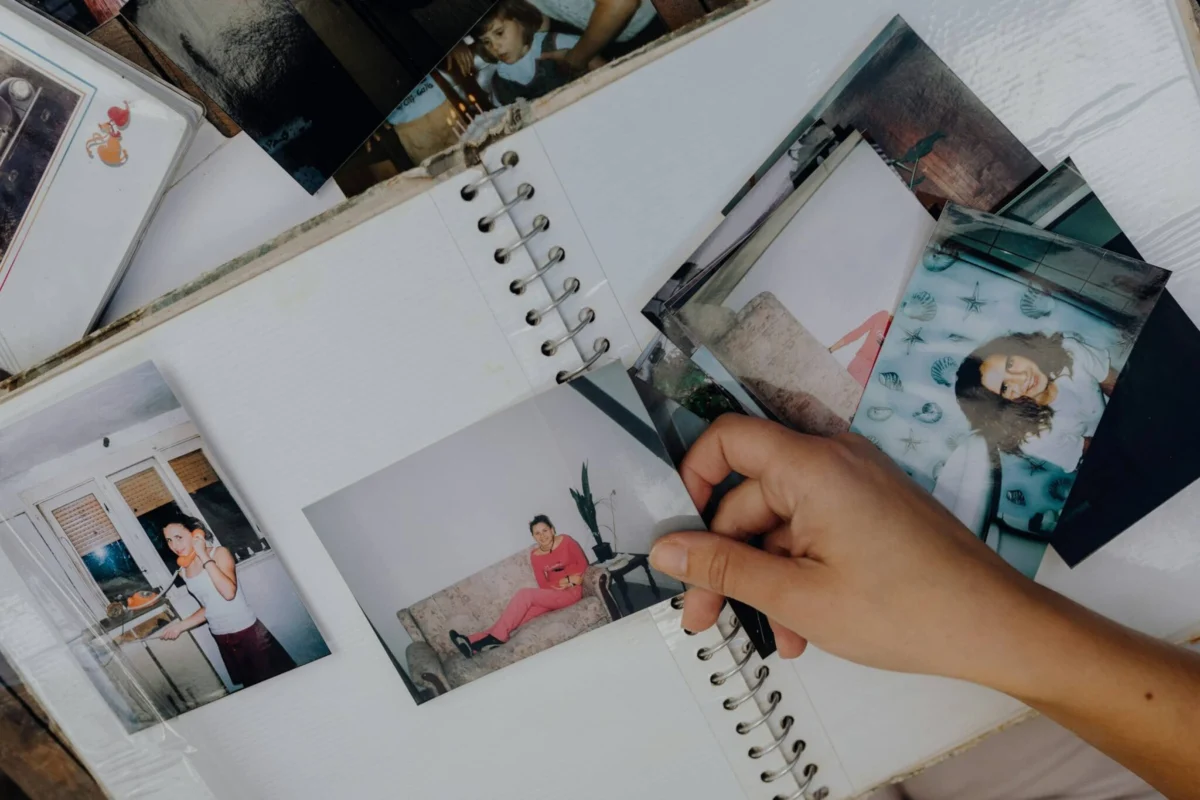
The passing of a loved one often initiates a dual process of emotional mourning and administrative burden, yet the recent transition of Elizabeth "Liz" Darago in Northeast Ohio has highlighted how proactive end-of-life planning can significantly alter the grieving experience for survivors. Joe Darago, the Executive Director of the non-profit organization The Hope Effect and a long-time advocate for family-centric values, recently oversaw the funeral services for his aunt, the last of a generation in his paternal lineage. His observations provide a practical roadmap for families navigating the complexities of aging, estate management, and legacy preservation.
The context of this transition is rooted in a large, interconnected family dynamic. Joe Darago was raised in a household of six children, where his father’s sisters, Aunt Marilyn and Aunt Liz, served as constant, supportive figures despite having no children of their own. For decades, these two women were staples at graduations, sporting events, and holiday gatherings. Approximately ten years ago, as health challenges began to manifest, the sisters moved into a shared residence to consolidate expenses and provide mutual care. This decade-long period of cohabitation also resulted in the accumulation of significant family heirlooms, documents, and memorabilia, creating a potential logistical challenge for the next generation.
The Administrative Framework: The Implementation of a Living Trust
One of the most critical steps taken by Elizabeth Darago was the formalization of her estate through a legal trust. In the year preceding her death, recognizing the decline in her physical health, she worked with legal professionals to document her assets, which included two residential properties, multiple retirement accounts, a life insurance policy, and a specialized coin collection. By appointing an executor and clearly defining the distribution of assets, she effectively bypassed the often lengthy and contentious probate process.
Data from the American Bar Association suggests that probate can take anywhere from six months to two years to finalize, often consuming 3% to 7% of the estate’s total value in legal fees and court costs. Furthermore, a 2024 study by Caring.com revealed that only 32% of American adults have a will or living trust, a statistic that often leads to intra-family conflict during the bereavement period. By establishing a trust, Darago ensured that her niece, who served as the executor, was spared hundreds of hours of administrative labor. This proactive financial transparency allowed the family to focus on communal grieving rather than fiscal disputes, a common occurrence when "money strains even the closest families," as noted by Darago.
The Physical Legacy: Strategic Decuttering and "Death Cleaning"
While the Darago family history was characterized by a reluctance to discard items—evidenced by sunrooms filled with 19th-century documents and basements packed with remnants of a former family business—the final year of Elizabeth Darago’s life saw a marked shift toward simplification. This process aligns with the "Swedish Death Cleaning" (Döstädning) phenomenon, a practice where individuals systematically organize and reduce their possessions to ensure they do not become a burden to their heirs.
Elizabeth Darago began this process by labeling files, clearing out closets, and designating specific items for donation. These actions, while seemingly minor, served a dual purpose: they reduced the physical labor required of her survivors and provided a curated look into the family’s history. In the professional analysis of estate clearing, the "sentimental burden" of unsorted items is often cited as a secondary trauma for grieving families. By pre-sorting her belongings, Darago transformed a potentially overwhelming task into a manageable series of reflections on the family’s heritage.
The Relational Legacy: Open Dialogue on Mortality
Perhaps the most impactful element of Elizabeth Darago’s final year was her willingness to engage in candid conversations about her impending death. Breaking the cultural taboo surrounding mortality, she initiated private discussions with family members to delegate specific roles and responsibilities.
These roles included:

- The Caretaker of Pets: Ensuring the welfare of her aging animals.
- The Guardian of Tradition: Assigning the responsibility for maintaining long-standing family holiday rituals.
- The Family Historian: Entrusting Joe Darago with the preservation of the family’s oral and documented history.
By accepting the role of historian, Joe Darago became the recipient of old photographs, handwritten letters, and explanatory notes that detailed the significance of various artifacts. This transition of knowledge is a vital component of "generativity," a psychological stage where older adults seek to leave a lasting impact on future generations. The clarity provided by these conversations eliminated the "guesswork" that often haunts survivors, providing a sense of peace and direction during the immediate aftermath of the loss.
Broader Societal Implications and Expert Analysis
The experience of the Darago family reflects a growing need for end-of-life literacy in the United States. As the "Silver Tsunami"—the aging of the Baby Boomer generation—continues, the transfer of wealth and physical property is expected to reach unprecedented levels. Economists estimate that over $68 trillion will be passed down to heirs over the next two decades in what is being called the "Great Wealth Transfer."
However, without the structural and conversational preparations demonstrated by Elizabeth Darago, this transfer can lead to significant social and emotional friction. Legal experts and grief counselors emphasize that "intentionality" in one’s final years is a form of altruism. The objective of such planning is not merely the disposal of assets, but the preservation of relational harmony.
Joe Darago’s professional background as the leader of The Hope Effect, an organization dedicated to family-based orphan care, provides an additional layer of insight into this event. His career has been built on the premise that stable, intentional family structures are the foundation of human flourishing. The manner in which his aunt concluded her life served as a final lesson in these core values.
Recommendations for Proactive End-of-Life Planning
Based on the Darago case study and broader industry standards, there are three primary steps families can take to facilitate a smoother transition:
1. Early Initiation of Legal and Financial Dialogue
Families are encouraged to move past the initial awkwardness of discussing mortality. Questions regarding wills, powers of attorney, and healthcare proxies should be addressed while the individual is in sound mind and relatively good health. The goal is to understand the individual’s wishes and honor them, rather than exerting control over their legacy.
2. The Preservation of Narrative over Objects
As demonstrated by the Darago family’s historian role, the value of an heirloom often lies in its story rather than its market price. Experts suggest documenting the "who, what, and why" of family artifacts. Practical tips include writing names and dates on the backs of physical photographs and recording oral histories through digital voice memos. This ensures that the "family cloud" of knowledge is not lost when the keeper of the stories passes away.
3. Immediate Expression of Gratitude
A significant observation made during the funeral service in Ohio was the outpouring of tributes from friends and relatives. Darago noted that while the words were beautiful, there is a profound benefit to ensuring those sentiments are shared with the loved one while they are still living. "Don’t wait to share your feelings at the funeral," Darago advised, emphasizing that minimalism in possessions should be contrasted with an abundance of spoken love and appreciation.
Conclusion
The passing of Elizabeth Darago serves as a testament to the fact that minimalism and intentionality extend far beyond the management of "stuff." They are tools for living with purpose and departing with grace. By establishing a trust, simplifying her environment, and engaging in honest communication, she provided her family with the greatest possible gift: the freedom to grieve without the distraction of chaos. As society grapples with an aging population, the "Darago Model" of end-of-life preparation offers a dignified and compassionate template for families everywhere. The legacy left behind is not found in the boxes in the sunroom, but in the clarity and peace experienced by those who remain.