Michael Sholeh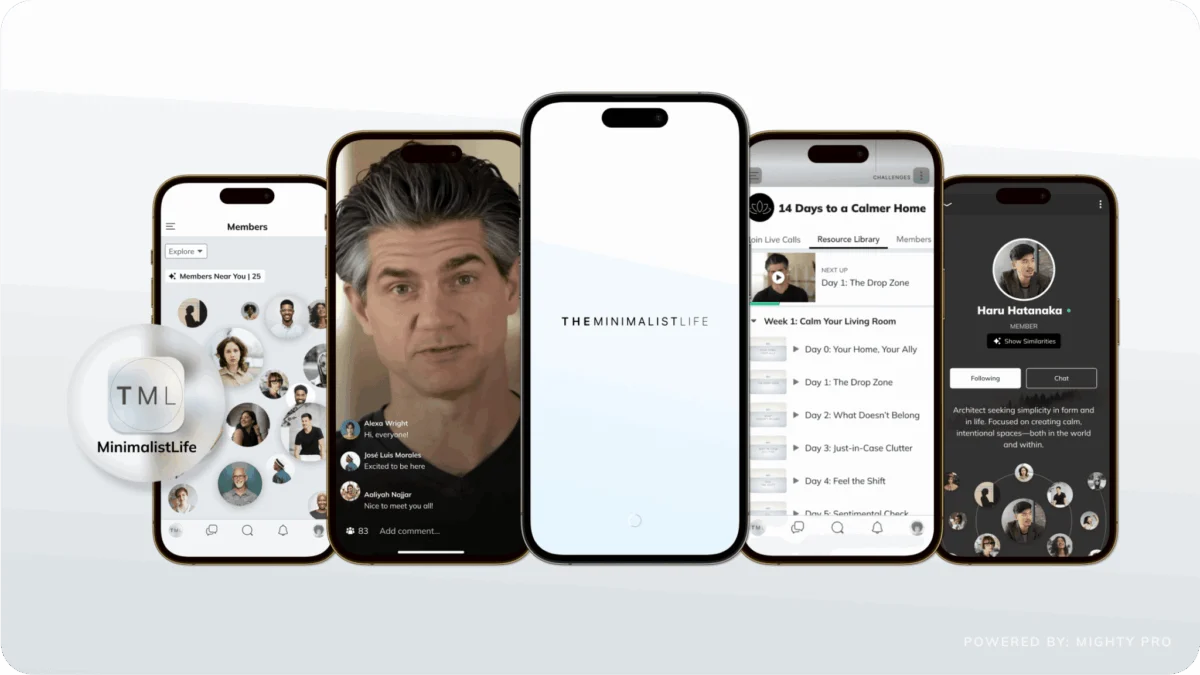
Joshua Becker, a prominent figure in the global voluntary simplicity movement and founder of the Becoming Minimalist platform, has officially announced the launch of a new membership-based community titled The Minimalist Life. This initiative represents the culmination of 17 years of content creation and marks a strategic shift from transactional educational resources to a model focused on long-term habit sustainability and peer-to-peer support. The launch comes at a time when the self-improvement industry is increasingly pivoting toward high-engagement community models to combat the transience of digital content consumption.
The Evolution of the Becoming Minimalist Movement
The announcement follows a nearly two-decade trajectory that began in 2008, during the height of the global financial crisis. Becker’s work initially focused on the personal benefits of owning fewer possessions, a message that resonated with a public grappling with economic instability and the burgeoning "clutter culture." Over the subsequent 17 years, Becker produced over 1,700 articles, authored several best-selling books—including The More of Less and The Minimalist Home—and generated over 400 video segments for YouTube.
A significant milestone in this chronology was the introduction of the "Uncluttered" course, which has seen enrollment exceed 90,000 participants. While the course was designed as a finite, room-by-room decluttering program, Becker noted a recurring feedback loop from his audience: the difficulty of maintaining minimalist principles once the initial excitement of a decluttering project fades. The new community platform is specifically designed to address this "maintenance gap," transitioning minimalism from a one-time event into a permanent lifestyle framework.
Addressing the Maintenance Gap in Lifestyle Change
The core thesis behind The Minimalist Life is that education alone is often insufficient for lasting behavioral change. According to market research in the personal development sector, while consumers are quick to purchase instructional content, the completion rates for self-paced online courses often hover between 5% and 15%. By shifting to a community-based model, Becker aims to leverage social accountability and ongoing mentorship to increase these success rates.
The community is structured to facilitate monthly focuses on various aspects of life that extend beyond physical clutter. These include:
- Financial Stewardship: Applying minimalist principles to spending habits, debt reduction, and intentional budgeting.
- Schedule Optimization: Addressing "time clutter" by prioritizing essential commitments over superficial busyness.
- Digital Wellness: Managing the influx of information, social media consumption, and digital file organization.
- Relational Intentionality: Focusing on the quality of social connections rather than the quantity of professional or social obligations.
- Habit Formation: Utilizing behavioral science to make intentional choices a default rhythm of daily life.
Supporting Data: The Economic and Psychological Context of Excess
The launch of this community occurs against a backdrop of significant consumerist trends in the United States and globally. Data from the Los Angeles Times suggests that the average American home contains approximately 300,000 items. Furthermore, a study by UCLA’s Center on Everyday Lives of Families (CELF) revealed that managing the volume of possessions in the home is a primary source of stress for mothers, correlating with elevated levels of cortisol.
The economic implications are equally stark. According to the Bureau of Economic Analysis, personal consumption expenditures have continued to rise, with billions spent annually on non-essential goods. However, the "subscription economy" has also seen a shift. Consumers are increasingly willing to pay for "curated experiences" and "expert-led communities" that promise to simplify their lives rather than add to the noise. Becker’s community, priced at a founding member rate of $18 per month, positions itself as a cost-saving investment by helping members reduce impulsive spending and unnecessary acquisitions.
The Human Element in an AI-Driven Landscape
One of the primary differentiators highlighted in the launch of The Minimalist Life is the emphasis on human interaction. In a digital environment increasingly saturated with AI-generated content and automated newsletters, the new platform promises direct engagement with Becker and a network of like-minded individuals. This move reflects a broader trend in the creator economy where "authenticity" and "community" are becoming high-value commodities.

Industry analysts suggest that the "second wave" of the minimalism movement is moving away from the aesthetic—often criticized as a trend for the wealthy—toward a more practical, holistic philosophy. By focusing on areas like digital habits and relationships, Becker is broadening the scope of minimalism to appeal to a demographic that may have already decluttered their closets but still feels overwhelmed by the complexities of modern life.
Program Logistics and Market Entry
The Minimalist Life officially opened its doors to the public in June 2025. To incentivize early adoption, the platform is offering a "founding member" rate of $18 per month or an annual subscription of $180, which represents a discount of two months. This promotional pricing is scheduled to expire on June 30th, after which a standard pricing tier is expected to be implemented.
The community features include:
- Live Monthly Sessions: Direct access to Becker for coaching and Q&A.
- Curated Resource Library: A repository of practical tools and templates for lifestyle management.
- Peer Support Groups: Specialized forums for members to share progress and challenges.
- Monthly Challenges: Gamified objectives designed to foster incremental progress in various life categories.
Analysis of Implications for the Lifestyle Industry
The transition of Becoming Minimalist from a content-heavy blog to a community-centric platform may signal a turning point for other long-standing digital influencers. As the "free content" model becomes less sustainable due to search engine algorithm changes and the rise of AI search, creators are seeking more stable, recurring revenue models that offer deeper value to their core audience.
From a sociological perspective, the rise of such communities indicates a growing desire for "intentional living" in an era of unprecedented distraction. The success of this model will likely depend on the platform’s ability to provide tangible results that members can see in their bank accounts, their schedules, and their mental well-being.
Reactions and Expectations
Early reactions from the Becoming Minimalist audience suggest a high level of interest in the "maintenance" aspect of the program. Long-term followers have frequently cited the "relapse" into old consumerist habits as their greatest challenge. By providing a structured environment for ongoing growth, Becker is attempting to build a support system that mirrors the efficacy of other lifestyle-support groups, such as those found in fitness or financial recovery.
While some critics argue that the monetization of minimalism—a philosophy rooted in owning less—is paradoxical, proponents point out that the cost of the membership is a fraction of what the average consumer spends on storage units or discarded goods. The average American spends approximately $1,200 a year on non-essential items they eventually throw away; the community aims to redirect that capital toward personal development and experiences.
Conclusion and Future Outlook
As The Minimalist Life moves through its initial launch phase, it will serve as a case study in whether digital communities can effectively foster long-term lifestyle changes. Joshua Becker’s 17-year journey has transitioned from a personal blog about a family’s decision to declutter into a global enterprise that challenges the fundamental tenets of modern consumerism.
The success of this new venture will likely be measured not just by enrollment numbers, but by the qualitative shifts in the lives of its members. As society continues to grapple with the pressures of the digital age and the environmental consequences of overconsumption, the demand for structured, community-led simplicity appears poised for significant growth. The doors remain open for new members to join the movement, signaling a new chapter in the ongoing narrative of the minimalist lifestyle.