Cintya Tara Annisa
The landscape of the American specialty coffee industry found its focal point in Denver, Colorado, earlier this summer as the city successfully hosted the 2026 US Barista Championships. This high-profile event, which draws thousands of industry professionals, roasters, and enthusiasts from across the globe, served as a catalyst for a renewed interest in the Mile High City’s burgeoning cafe culture. While the championship spotlighted global talent, the local scene continues to thrive through grassroots expansion and the commitment of established independent operators. Among the most anticipated developments in this post-championship period is the expansion of Blue Sparrow Coffee, a local staple that has announced the opening of a new flagship location in the heart of downtown Denver.
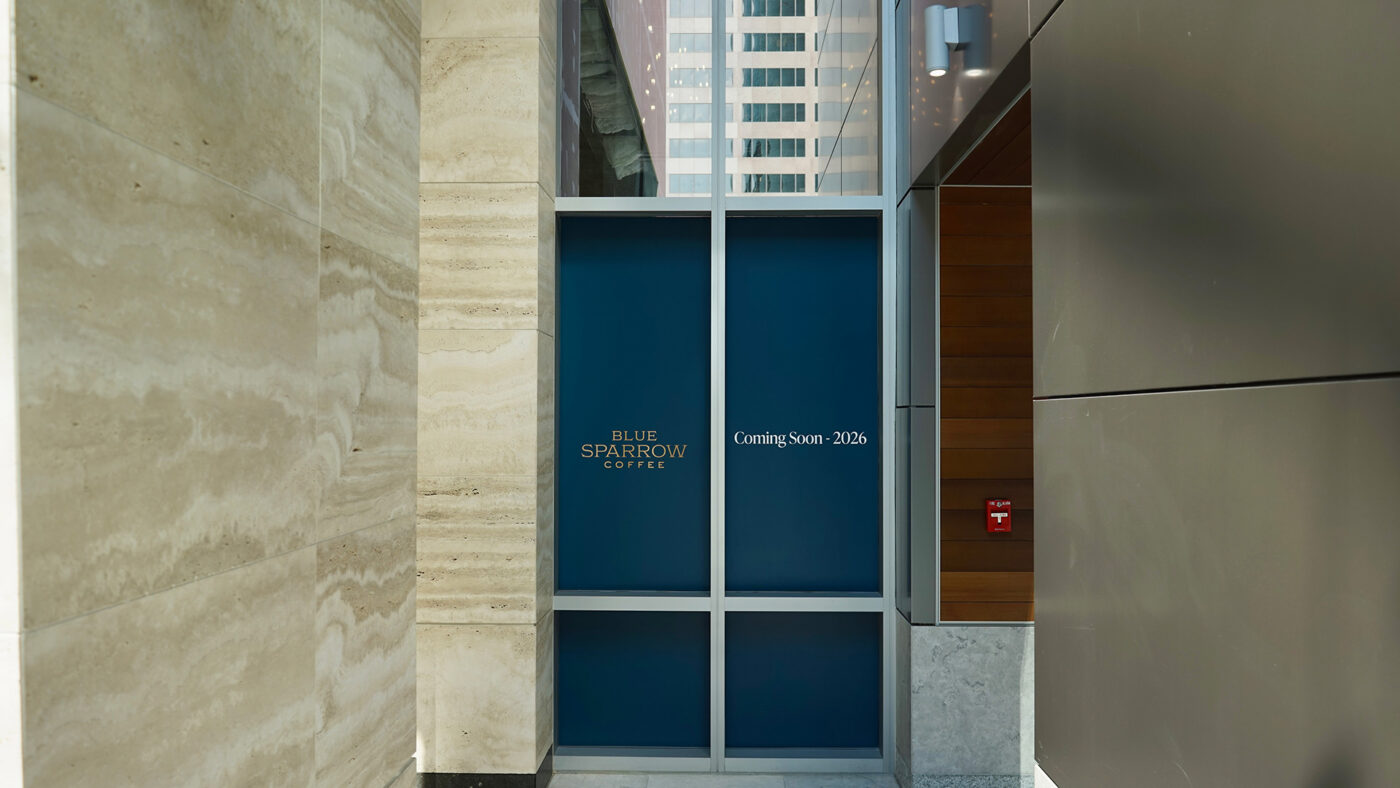
Scheduled to open its doors on August 30, the new downtown outlet marks a significant milestone for Blue Sparrow Coffee, a brand that first entered the market in 2017. Founded by Jeffrey Knott, the company began as a modest endeavor in Denver’s RiNo (River North) Art District, operating out of a space measuring less than 500 square feet. Despite its diminutive footprint, the original cafe established a reputation for high-quality service and a community-centric atmosphere, qualities that Knott and his team have sought to replicate across subsequent locations. The move into the downtown core, specifically on 17th Street, represents a strategic investment in Denver’s central business district during a period of complex economic transition.
A Chronology of Growth: From RiNo to the Central Business District
The journey of Blue Sparrow Coffee reflects the broader evolution of Denver’s specialty coffee sector over the last decade. In 2017, when the first Blue Sparrow opened, the RiNo Art District was in the midst of a rapid transformation from an industrial warehouse zone into a premier destination for arts, dining, and nightlife. Blue Sparrow’s ability to thrive in a small-format space demonstrated the viability of high-volume, quality-focused espresso bars that prioritize walkability and neighborhood integration.
Since that initial launch, the brand has navigated the challenges of a global pandemic and the shifting demographics of the city. The decision to expand into downtown Denver in 2026 comes at a time when the "Wall Street of the West"—as 17th Street is colloquially known—is grappling with the long-term effects of hybrid work models. While some commercial entities have retreated from the urban center, Blue Sparrow’s leadership views the current climate as an opportunity for reinvestment.
"The story in the news has been all about how downtown Denver is struggling beyond recovery," Jeffrey Knott noted in a recent briefing regarding the project. "It is true that office occupancy has never fully recovered post-Covid; however, we don’t agree that it’s ‘dead.’ We are reinvesting in the parts of our community we believe in, even when others aren’t."
This sentiment is echoed by local urban development analysts who suggest that the presence of "third places"—spaces outside of home and work—is essential for the revitalization of downtown corridors. By establishing a presence on 17th Street, Blue Sparrow Coffee is positioning itself as a foundational element of the area’s new identity, catering not just to the remaining office population but also to a growing number of downtown residents and tourists.
Technical Innovation and the "Lost Art" of the Coffee Blend
Central to the new location’s appeal is Blue Sparrow’s unique approach to coffee production. While the specialty coffee movement of the early 2010s was largely defined by a singular focus on single-origin beans and rigorous customer education, Blue Sparrow has adopted a philosophy that emphasizes accessibility and the technical complexity of blending.
A few years ago, the company transitioned into roasting its own coffee, allowing for greater control over the flavor profiles served at its bars. For the downtown opening, the roastery is launching a new lineup centered on proprietary blends. According to Knott, the art of the blend has become somewhat of a "lost art" in the specialty world, where single-farm lots often take precedence. Blue Sparrow argues that blending allows for a more consistent and nuanced flavor profile that can be tailored to the specific palate of a neighborhood.
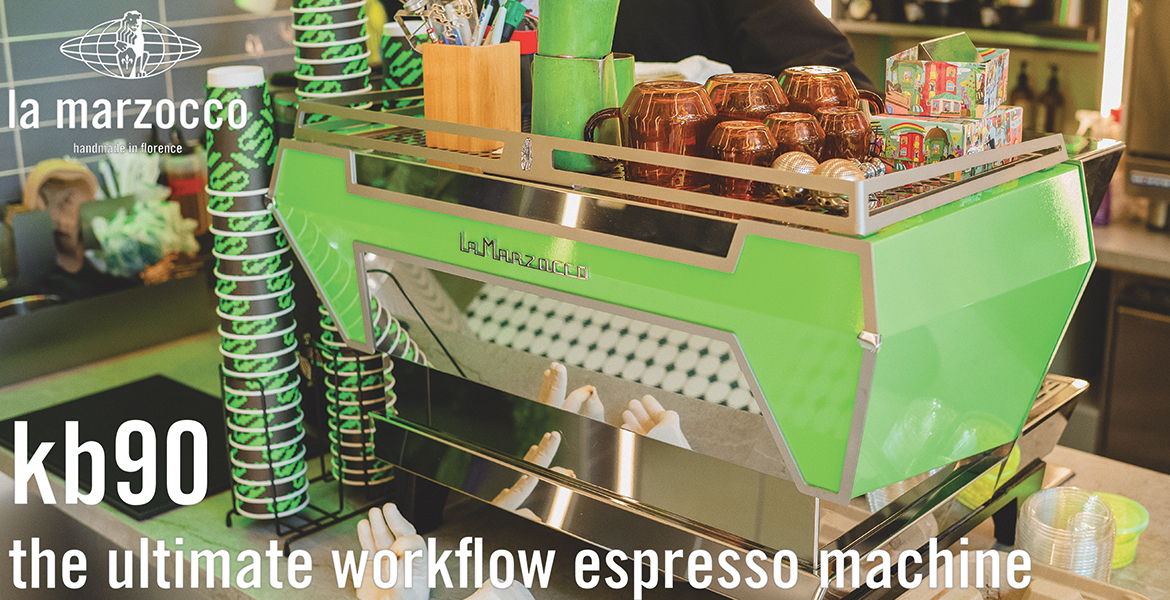
In keeping with company tradition, the new signature blend will be named after the street it inhabits. The "17th St. Blend" is currently in the final stages of development, designed to offer a profile that balances complexity with the speed and efficiency required in a high-traffic downtown environment. The equipment suite for the new location is expected to feature industry-standard machinery from sponsors such as La Marzocco, ensuring that the high volume of a downtown commute does not compromise the extraction quality of the new roasts.
Sustainability as a Foundational Business Metric
As the specialty coffee industry faces increasing pressure to address its environmental impact, Blue Sparrow Coffee has integrated sustainability directly into its operational model. This is not merely a marketing stance but a documented component of their business strategy. The company publishes annual sustainability reports that detail their initiatives, successes, and areas requiring improvement.
One of the primary focuses for the 2026 build-out is the reduction of food and organic waste. In an industry where "shrinkage" (wasted product) is often considered an unavoidable cost of doing business, Blue Sparrow has implemented several innovative recovery programs:
- Upcycling Spices: The company has developed methods to repurpose spices used in their house-made chai, extending the lifecycle of high-value raw materials.
- Waste Reduction Partnerships: By collaborating with local vendors, the shop has optimized its inventory management for pastries and sandwiches, significantly cutting down on daily caloric waste.
- Brewing Efficiency: Through a refinement of brewing methods and demand forecasting, the company estimates it saves hundreds of gallons of coffee annually that would otherwise be discarded.
These efforts align with the broader goals of the Denver municipal government’s "Green Business" certifications, which encourage local enterprises to adopt circular economy practices. For Blue Sparrow, sustainability is presented as a pragmatic necessity rather than a "fussy" addition to the brand.
Broader Economic Implications for Downtown Denver
The opening of a new Blue Sparrow location is more than a retail expansion; it serves as a case study in urban resilience. Data from the Downtown Denver Partnership indicates that while foot traffic has seen a steady increase since 2024, the "retail mix" of the city center is shifting toward more experiential and locally-owned businesses.
The 2026 US Barista Championships provided a temporary economic boost to the city, with hotel occupancy rates in the downtown sector reaching 92% during the event week. However, the long-term health of the city’s economy depends on the ability of local brands to maintain momentum once the international crowds depart. Small businesses like Blue Sparrow are credited with creating local jobs and fostering a sense of safety and community on street corners that might otherwise remain vacant.
Furthermore, the investment in 17th Street signals a vote of confidence to other potential investors. When an established brand with a loyal following commits to a ten-year lease in a "struggling" district, it often acts as a signal for secondary businesses—such as boutique retail or fast-casual dining—to follow suit.

Official Responses and Community Impact
While the official opening is set for late August, the local community has already begun to react to the news. Regulars from the RiNo and Art District locations have expressed enthusiasm for a downtown branch that maintains the "no attitude" service model that Blue Sparrow has championed.
"Good coffee doesn’t have to be fussy," Knott reiterated. "We’re not here to educate our customers; we’re simply here to serve them a great product every single day." This approach contrasts with the "educational" model of many high-end cafes, which can sometimes feel exclusionary to the average consumer. By prioritizing speed and friendliness alongside technical excellence, Blue Sparrow aims to bridge the gap between the connoisseur and the daily commuter.
As the August 30 target date approaches, the final touches are being placed on the 17th Street interior. While each Blue Sparrow location is designed with a unique aesthetic to reflect its specific neighborhood, customers can expect the same commitment to quality that has defined the brand since its 500-square-foot beginnings.
The 2026 Build-outs of Coffee, a series that highlights the most innovative and significant new cafe projects globally, has identified this project as a key development in the American West. Presented in partnership with DONA, Pacific Barista Series, and La Marzocco, the series underscores the importance of regional growth in the global coffee narrative. As Denver continues to solidify its reputation as a premier coffee destination, the expansion of Blue Sparrow Coffee stands as a testament to the enduring power of local entrepreneurship and the vital role of the neighborhood cafe in the modern American city.