Indra Kusuma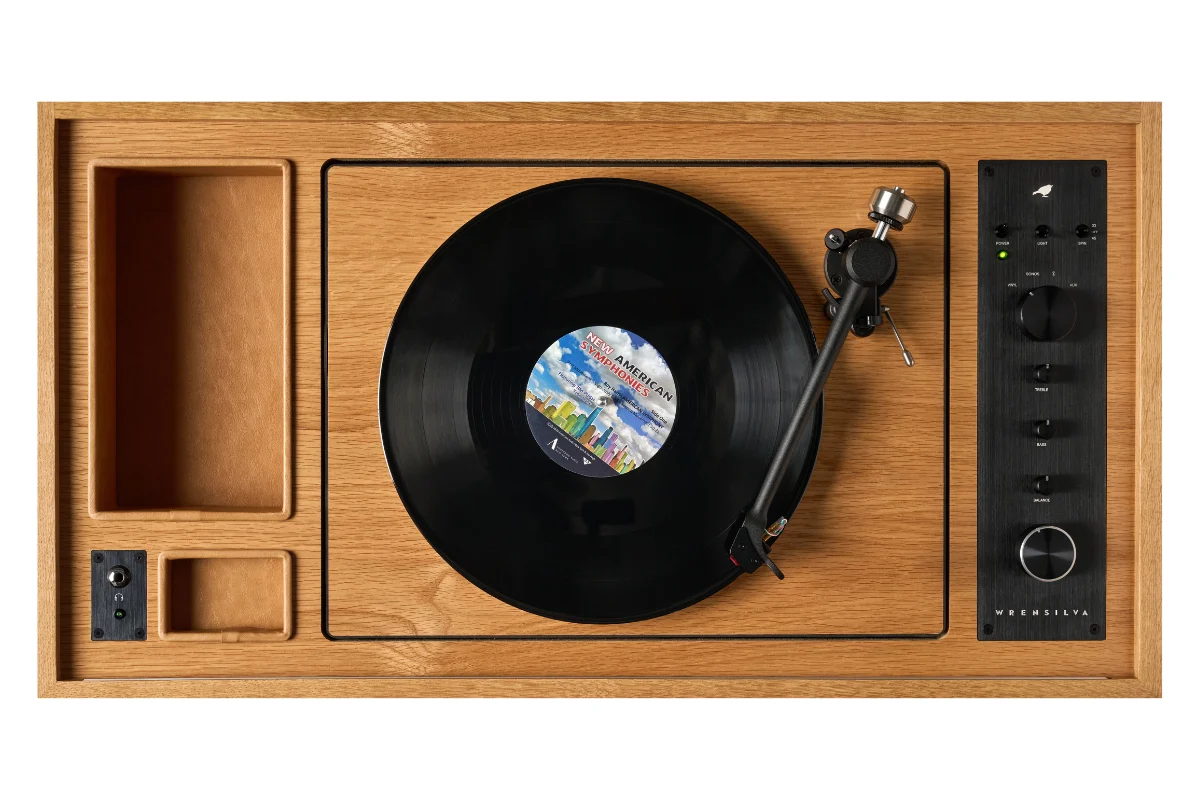
For the modern audiophile, the pursuit of sonic excellence is frequently hampered by the aesthetic intrusion of bulky, utilitarian equipment. Since its inception in 2016, San Diego-based manufacturer Wrensilva has sought to bridge the chasm between high-fidelity audio performance and elevated furniture design. The company’s latest announcement—the introduction of the Studio model in a White Oak finish—marks a significant expansion of its most accessible, compact product line, signaling a broader industry shift toward integrating premium home audio into sophisticated interior design schemes.
A Chronology of Craft: From Concept to Console
Wrensilva was founded with the objective of reintroducing the "record console" to the modern home. In the mid-20th century, furniture-integrated audio systems—often referred to as radiograms or stereograms—were the centerpiece of the domestic living space. However, as the industry transitioned toward modular, component-based systems in the 1970s and 80s, the "all-in-one" console fell out of favor, often relegated to antique status.
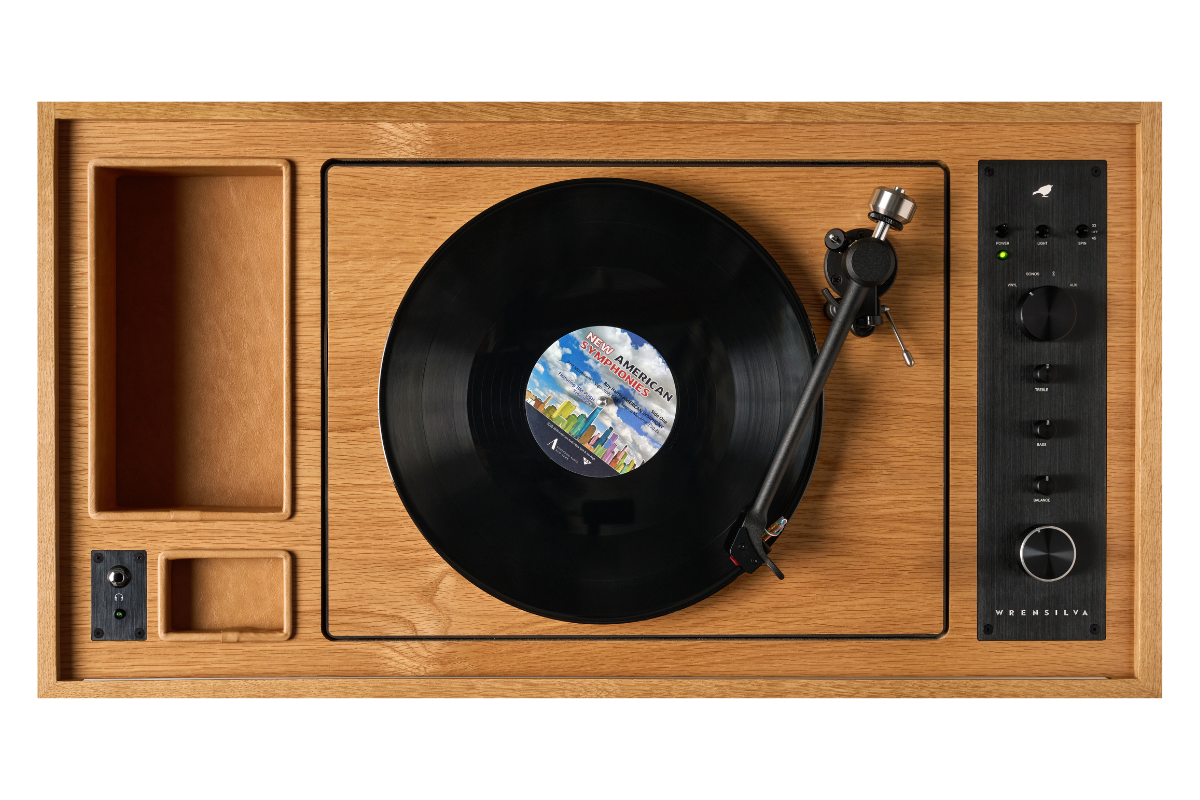
Wrensilva effectively disrupted this trend by applying contemporary industrial design principles to the classic form factor. Since 2016, the company has methodically built its reputation through limited-edition runs and high-end materials. The Studio console, which serves as the entry point into the brand’s ecosystem, was designed specifically to address the spatial constraints of urban living. Measuring 31 inches wide, 17 inches deep, and 33 inches tall, the Studio was engineered to provide the acoustic depth of a larger unit within a footprint that fits modern apartments and smaller listening rooms.
The introduction of the White Oak finish follows a deliberate product roadmap. Earlier this year, Wrensilva unveiled the Studio console to widespread critical acclaim for its acoustic performance. By bringing the White Oak finish—a staple of their larger M1 and The Standard models—to the Studio, the company is responding to a consistent demand for lighter, more versatile wood tones that harmonize with the minimalist and Scandinavian-inspired design trends currently dominating residential architecture.
Material Science and Technical Specifications
The appeal of the White Oak Studio lies not merely in its visual presence, but in the rigorous technical specifications hidden beneath its exterior. The wood itself is meticulously milled, favoring rift-sawn and quarter-sawn patterns. This manufacturing choice is significant; by avoiding traditional cathedral graining, the wood maintains a structural stability that is less prone to warping while offering a cleaner, more uniform aesthetic that aligns with contemporary architectural standards.

The audio architecture remains consistent with the brand’s high-performance benchmarks. The system features:
- Amplification: A 100-watt-per-channel Class D amplifier, chosen for its efficiency and low thermal output, ensuring the internal cabinetry remains cool even during extended listening sessions.
- Turntable Deck: A belt-driven, under-platter mechanism that minimizes vibration and interference, paired with a one-piece magnesium tonearm and the industry-standard Ortofon 2M Red cartridge.
- Acoustics: Custom-tuned two-way bass-reflex speakers, designed to provide a wide soundstage despite the console’s compact physical dimensions.
- Storage: Integrated storage capacity for up to 40 vinyl records, seamlessly hidden behind a tactile, wave-patterned front panel that serves the dual purpose of aesthetic movement and acoustic diffusion.
Beyond pure analog playback, the Studio acknowledges the reality of modern consumer behavior. The device includes robust connectivity options, including Bluetooth, auxiliary inputs, and optional integration with the Sonos ecosystem for multi-room audio capabilities. This hybrid approach allows the console to function as both a dedicated analog listening station and a central hub for digital streaming services.
Design Philosophy and Industry Context
The decision to utilize White Oak was driven by a combination of market data and aesthetic considerations. According to internal design feedback from the company, White Oak has emerged as the most requested material from both interior design professionals and retail customers.

Debra Salyer, co-founder and head of design at Wrensilva, notes that the choice of wood is essential to the "soothing quietness" of the product. The integration of natural-colored speaker screens and caramel leather accents creates a palette that is inherently neutral, allowing the unit to transition between diverse decor styles—from mid-century modern and industrial to rustic and contemporary.
The inclusion of a water-based topcoat reflects a growing industry-wide emphasis on sustainable and low-VOC (volatile organic compound) manufacturing processes. By prioritizing materials that are both durable and environmentally conscious, Wrensilva is positioning itself as a premium brand that values longevity over disposable consumption—a core tenet of the "slow furniture" movement.
Broader Implications for the Audio Market
The release of the Studio in White Oak represents a broader maturation of the vinyl resurgence. After years of rapid growth in record sales, the market is currently seeing a "second wave" of maturity, where consumers are shifting their focus from simply owning records to investing in high-quality playback systems that reflect their personal style.

According to data from the Recording Industry Association of America (RIAA), vinyl record revenues have consistently outperformed CDs for several consecutive years. However, this growth has often been serviced by low-cost, entry-level turntables that do not offer the dynamic range required to truly experience the fidelity of modern pressings.
Wrensilva’s strategy addresses a "missing middle" in the audio market: the space between mass-market consumer electronics and ultra-high-end audiophile equipment. By offering a product that functions as a piece of high-end furniture, the company lowers the barrier to entry for consumers who might otherwise be intimidated by the technical complexity of traditional Hi-Fi components.
Market Positioning and Accessibility
Priced at $9,900, the Studio in White Oak occupies a premium segment of the market. Its positioning is supported by its availability not only through the direct-to-consumer channel on the Wrensilva website but also through select Design Within Reach (DWR) studios. This partnership is highly strategic; by placing their consoles in high-end design retail environments, Wrensilva is effectively marketing to an audience that values design as much as performance.

The collaboration with renowned industry figures such as Manny Marroquin and Giles Martin in the original development of the Studio’s sound signature underscores the company’s commitment to professional-grade standards. For the consumer, this translates to a plug-and-play experience that removes the need for complex cabling, external pre-amplifiers, or external speakers—all of which are notoriously difficult to integrate into a standard living room.
Conclusion: The Future of the Listening Room
As the home continues to evolve into a multi-purpose environment—serving as both a sanctuary and a workspace—the demand for equipment that does not "clutter" the room will only increase. The Wrensilva Studio White Oak serves as a case study in how to synthesize traditional craftsmanship with modern utility.
By treating the turntable as a centerpiece of domestic life rather than an accessory, Wrensilva is reinforcing the cultural value of the listening experience. The success of this model will likely serve as a barometer for the high-end audio industry, demonstrating that there is a sustainable market for hardware that is as visually compelling as it is acoustically precise. As the company continues to refine its design language and expand its material palette, it remains at the forefront of a movement that prioritizes the intersection of tactile design, long-term durability, and the timeless, warm quality of analog sound.