Indra Kusuma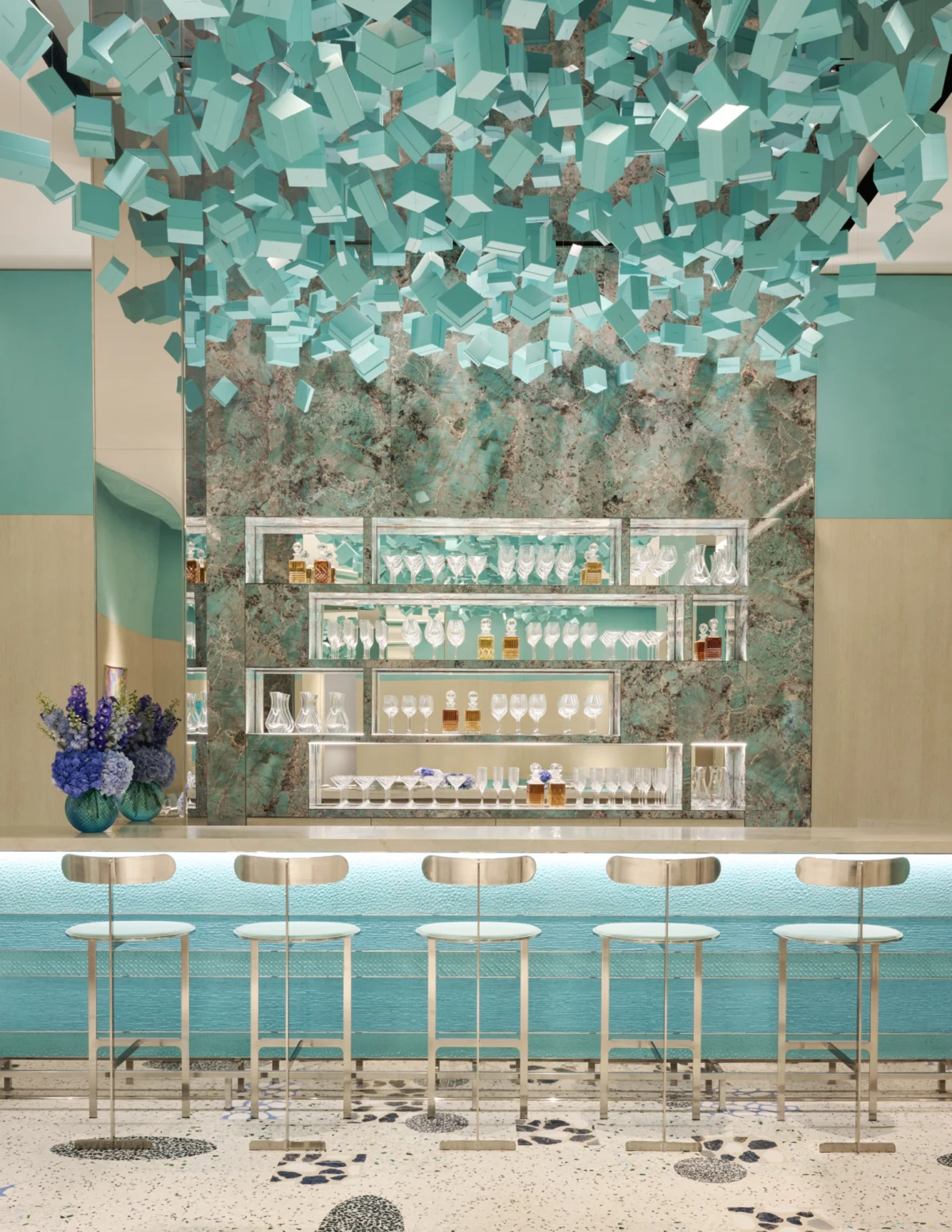
For more than six decades, the cultural resonance of Breakfast at Tiffany’s has inextricably linked the legendary jeweler with the fantasy of a morning meal on New York’s Fifth Avenue. While the imagery of Audrey Hepburn staring into the store’s windows while clutching a pastry remains one of cinema’s most enduring tropes, Tiffany & Co. has spent recent years transforming that metaphorical connection into a tangible, high-end hospitality reality. Following the successful integration of dining into its flagship store in Manhattan, the luxury brand has officially brought the Blue Box Cafe by Daniel Boulud to the West Coast, opening a sophisticated new venue at South Coast Plaza in Costa Mesa, California.
The Expansion of Luxury Hospitality
The arrival of the Blue Box Cafe in Costa Mesa serves as a strategic cornerstone for the brand’s evolving retail philosophy. By positioning the cafe directly alongside a newly minted Tiffany & Co. boutique, the company is shifting from a traditional jewelry retailer to a comprehensive lifestyle brand. This model, which gained global traction following the renovation of "The Landmark" on Fifth Avenue in New York City, recognizes that modern luxury consumers are increasingly seeking "experiential retail"—a blend of commerce, dining, and brand immersion.
The choice of South Coast Plaza is not incidental. As one of the highest-grossing shopping centers in the United States, South Coast Plaza acts as the epicenter of luxury retail in Southern California, attracting a global clientele. By embedding the culinary expertise of renowned chef Daniel Boulud into this specific location, Tiffany & Co. aims to bridge the gap between East Coast institutional prestige and West Coast lifestyle preferences.
A Chronology of the Tiffany Dining Concept
The journey toward the Blue Box Cafe began in 2017, when Tiffany & Co. opened its first-ever public dining space in its Fifth Avenue flagship. At the time, the move was considered experimental, a bold departure for a house traditionally focused on diamonds and precious metals. The immediate popularity of the cafe—which became notoriously difficult to secure a reservation for—demonstrated that the brand’s aesthetic and name carried significant weight in the hospitality sector.
In 2023, the reopening of the renovated Landmark flagship in New York solidified the dining program as a permanent feature. The success of this flagship location provided the operational blueprint for the current expansion. The Costa Mesa location, which opened in the third quarter of 2026, marks the first time this concept has been exported to the West Coast, signaling a potential multi-city rollout strategy for the brand as it tests the appetite for its hospitality arm in major affluent markets.
Design and Architectural Curation
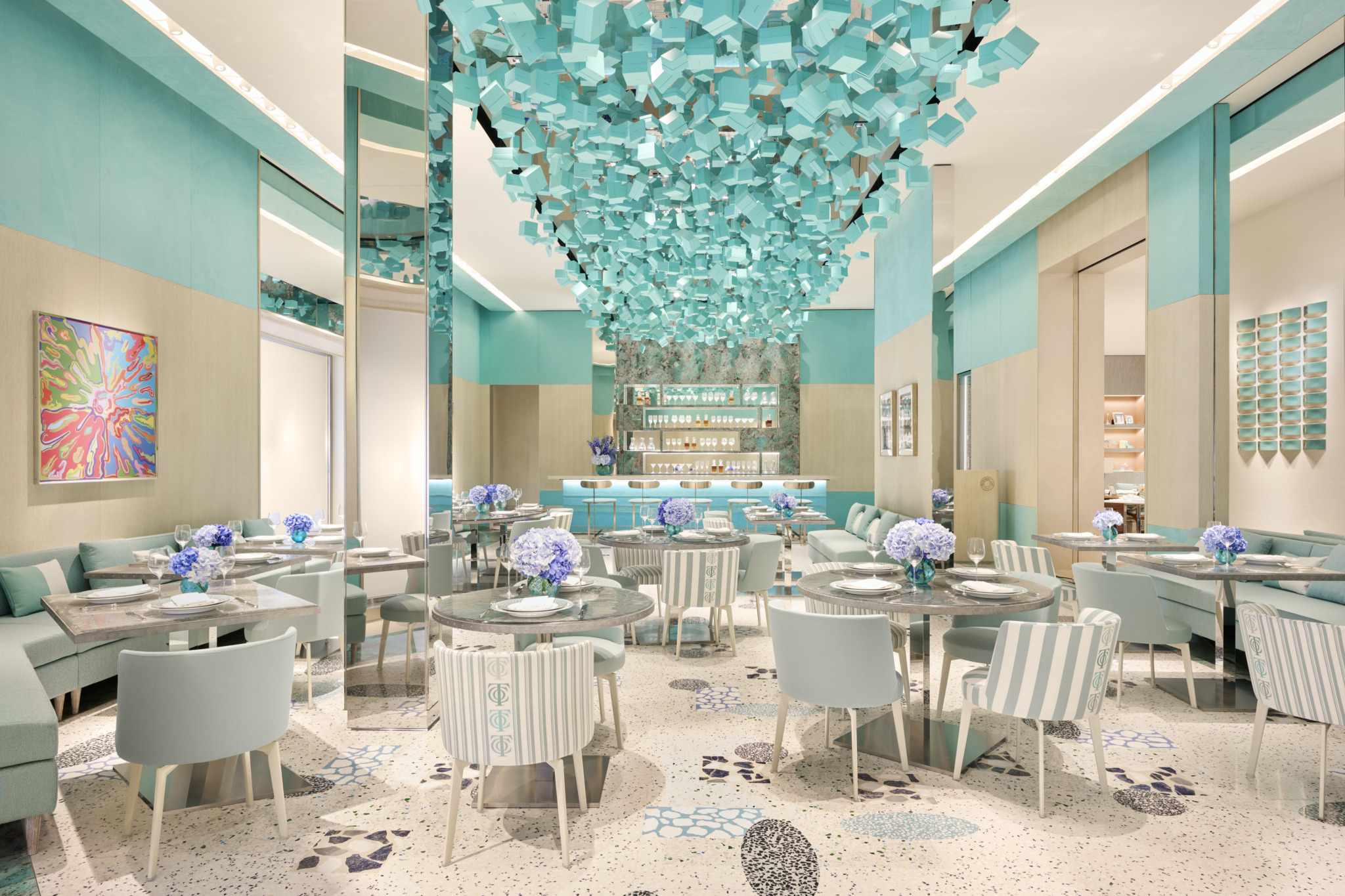
The interior design of the Costa Mesa cafe is a study in restrained branding. While the iconic "Tiffany Blue" is present, the architectural team has opted for a sophisticated layering of textures rather than a monochromatic saturation. The design language utilizes a sophisticated palette of materials: pale woods, brushed silvery metals, and soft, tactile upholstery.
The most striking feature of the space is the ceiling installation, which acts as the focal point of the dining room. Hundreds of suspended Tiffany Blue boxes are arranged to appear as though they are cascading across the ceiling, a sculptural nod to the brand’s most iconic packaging. This is balanced by a high-drama bar area, characterized by deeply veined blue-green stone that evokes the mineral origins of the brand’s jewelry. The floor features a custom terrazzo with graphic motifs, while the furniture—specifically the striped dining chairs—features the interlocking T&C monogram, reinforcing brand identity through subtle embroidery rather than overt signage.
Culinary Integration and Local Sourcing
While the brand identity is distinctly New York, the menu at the South Coast Plaza location represents a deliberate departure in terms of sourcing. Chef Daniel Boulud, a Michelin-starred visionary, has integrated the signature dishes that gained fame in New York—such as the “Breakfast at Tiffany’s” pastry service and the “Tea at Tiffany’s” experience—with a menu that honors the agricultural landscape of California.
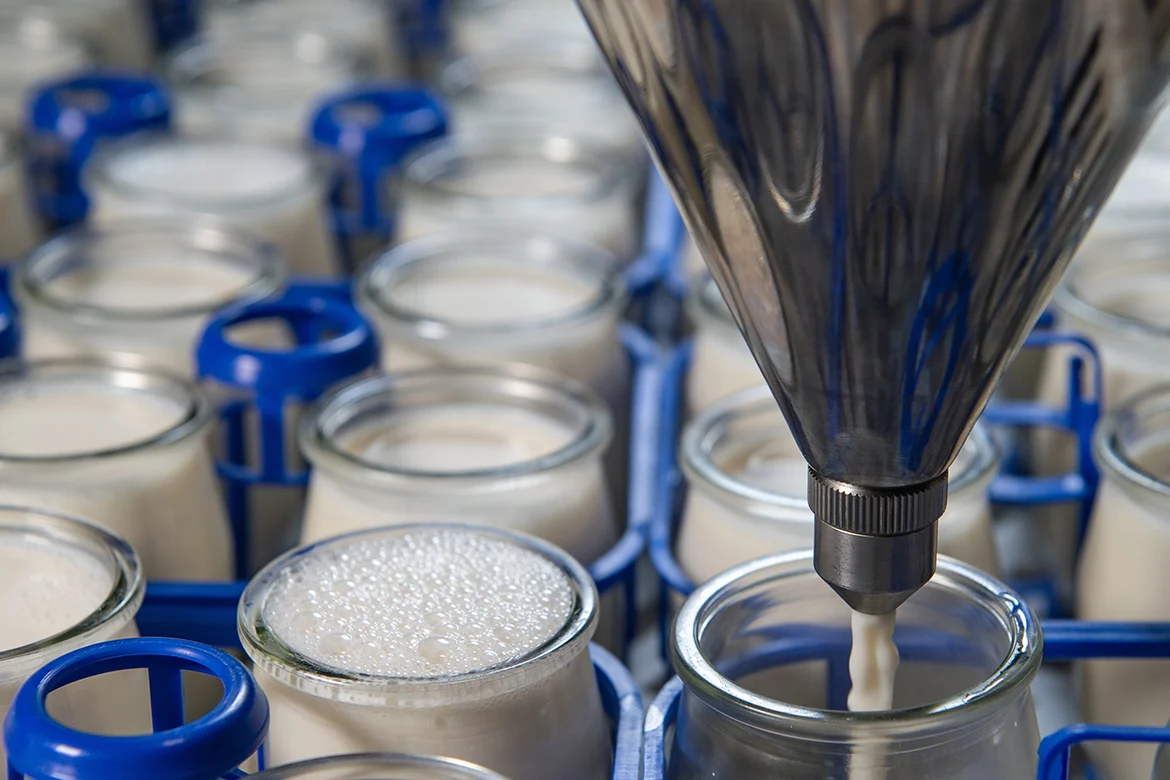
The kitchen utilizes organic flour from Petaluma, stone fruits sourced from the San Joaquin Valley, and dairy products from the Sonoma region. This "farm-to-table" approach is a departure from the more traditional, European-leaning menus found in their New York counterpart. By emphasizing seasonality and local provenance, the cafe addresses the culinary expectations of the California market, where diners place a premium on ingredient transparency and local food systems.
Official Statements and Brand Vision
In a statement regarding the opening, Daniel Boulud noted the importance of cultural adaptation within the luxury hospitality space. "The Blue Box Cafe celebrates the pleasure of coming together over beautiful food in a refined setting," Boulud stated. "At South Coast Plaza, we are excited to preserve the distinctive charm and elegance guests know from New York while creating a menu that reflects the freshness, seasonality, and vibrant culinary spirit of California."
Industry analysts view this as a shrewd move to deepen customer loyalty. By inviting clients to linger within the store environment, Tiffany & Co. increases the "dwell time" of its highest-value customers. Data from retail consulting groups suggests that customers who engage with a brand’s hospitality or experience-based services are significantly more likely to make a secondary purchase in the retail section. The presence of the cafe serves as both a destination for foodies and a "soft" sales environment where the pressure of a retail transaction is replaced by the comfort of a luxury dining experience.

Market Implications and Future Outlook
The launch of the Costa Mesa location raises questions about the future of the luxury retail landscape. As e-commerce continues to dominate the commodity side of the jewelry business, physical retail must justify its existence through exclusivity and experience. The Blue Box Cafe provides a tangible reason for a consumer to visit a physical store rather than browse a digital catalog.
The success of this endeavor will likely hinge on the brand’s ability to maintain the high service standards associated with the Tiffany name. If the Southern California market responds with the same fervor as the New York clientele, it is highly probable that Tiffany & Co. will continue to expand its footprint in other luxury hubs such as Miami, Chicago, or international markets like Dubai and Tokyo.
Furthermore, the integration of art into the dining room—featuring curated abstract works that complement the blue-toned interior—aligns the cafe with the growing trend of "gallery-style" retail. The dining room acts as a curated space, similar to a museum, which encourages social media sharing and brand visibility. The visual cohesion of the cafe ensures that every corner of the establishment is "on brand," turning every customer into a potential content creator for the company.
Conclusion
The Blue Box Cafe at South Coast Plaza is more than a restaurant; it is a strategic extension of the Tiffany & Co. brand into the lives of its consumers. By synthesizing the legacy of the Fifth Avenue experience with the vibrant culinary identity of California, the brand has successfully created a space that feels both nostalgic and modern. As the jewelry industry faces a changing retail environment, Tiffany’s focus on high-end hospitality suggests a path forward where the brand experience is measured not just in carats, but in the total sensory immersion of the customer. Whether this serves as the blueprint for a new era of jewelry retail remains to be seen, but for now, the residents of Southern California have a new, distinctly "Tiffany" way to start their day.