Indra Kusuma
A Shrinking Global Menu: The Data Behind the Diversity Crisis
The core premise of the work rests on a stark agricultural reality: while global grocery aisles appear to offer an infinite array of choices, the underlying genetic diversity of our food supply is in a state of precipitous decline. According to the Food and Agriculture Organization of the United Nations (FAO), nearly 75% of plant genetic diversity has been lost to farmers over the last century.
This narrow focus is defined by an over-reliance on a handful of staple crops. Three primary cereal crops—rice, maize, and wheat—now provide approximately 60% of the world’s plant-derived caloric intake. This reliance creates systemic vulnerabilities; when agricultural output is concentrated in so few varieties, the food supply becomes increasingly susceptible to pests, pathogens, and environmental shifts that may target those specific genetic strains. The loss of more than 90% of the crop varieties documented at the dawn of the 20th century represents not just a reduction in culinary variety, but a significant loss of resilient genetic traits that could be critical for future food security.
Historical Context and the Evolution of Agriculture
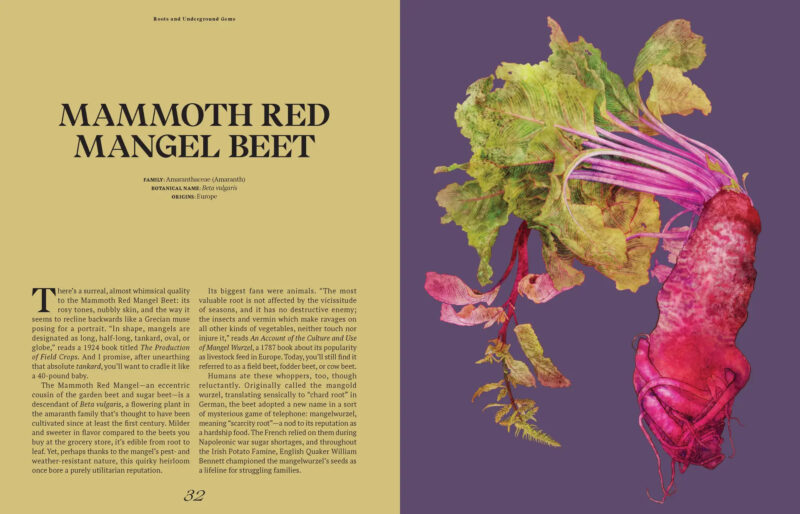
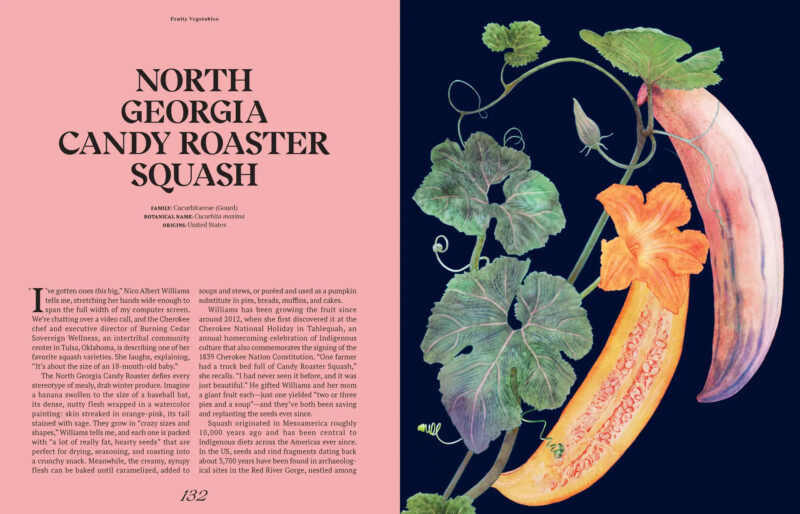
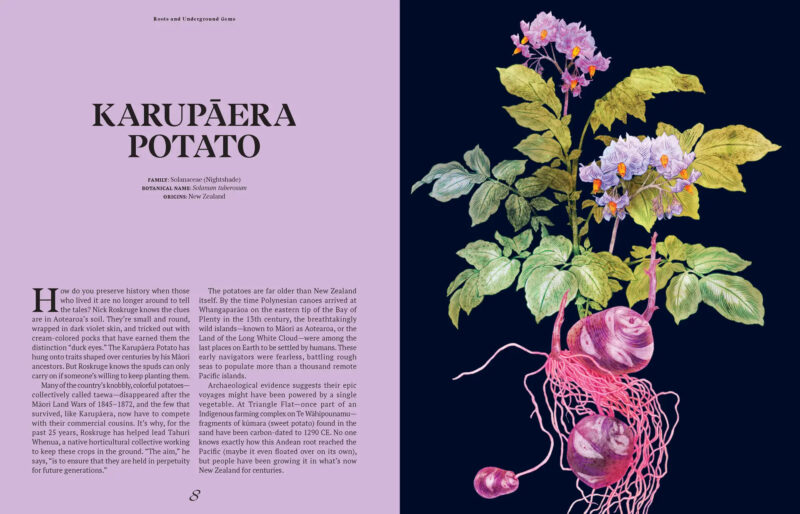
The history of the vegetables we consume today is rarely a straight line; it is a complex map of migration, trade, and human ingenuity. The book traces how specific varieties, such as the Mammoth Red Mangel beet or the North Georgia Candy Roaster squash, emerged from distinct cultural landscapes.
Historically, agriculture was defined by the localized adaptation of seeds. For millennia, the practice of saving seeds from one harvest to plant in the next season was the foundation of human civilization. This practice allowed for the development of "landraces"—crops specifically adapted to the soil, climate, and pest pressures of a particular region. However, the rise of industrial agriculture in the mid-20th century, characterized by the Green Revolution, shifted the paradigm toward high-yield, uniform monocultures. This transition necessitated a shift in seed ownership, moving from communal, multi-generational exchange to centralized, proprietary models governed by intellectual property laws.
The Legislative Landscape: Seed Sovereignty
The tension between commercial agricultural interests and the preservation of heirloom varieties has recently entered the legal sphere. The concept of "seed sovereignty" has gained traction as a counter-movement to corporate control of the food supply.
In a significant legislative development, the state of Maine ratified a "Right to Food" amendment to its constitution in 2021. This landmark decision officially recognized the right of individuals to save and exchange seeds, positioning the act not merely as a gardening hobby, but as a protected civil liberty. This legal precedent reflects a broader societal interest in decentralized food systems. Proponents argue that by protecting the right to trade and preserve seeds, communities can maintain the biological "biodiversity of culture," ensuring that rare or heirloom varieties do not vanish into the archives of agricultural history.
The Intersection of Art and Botany
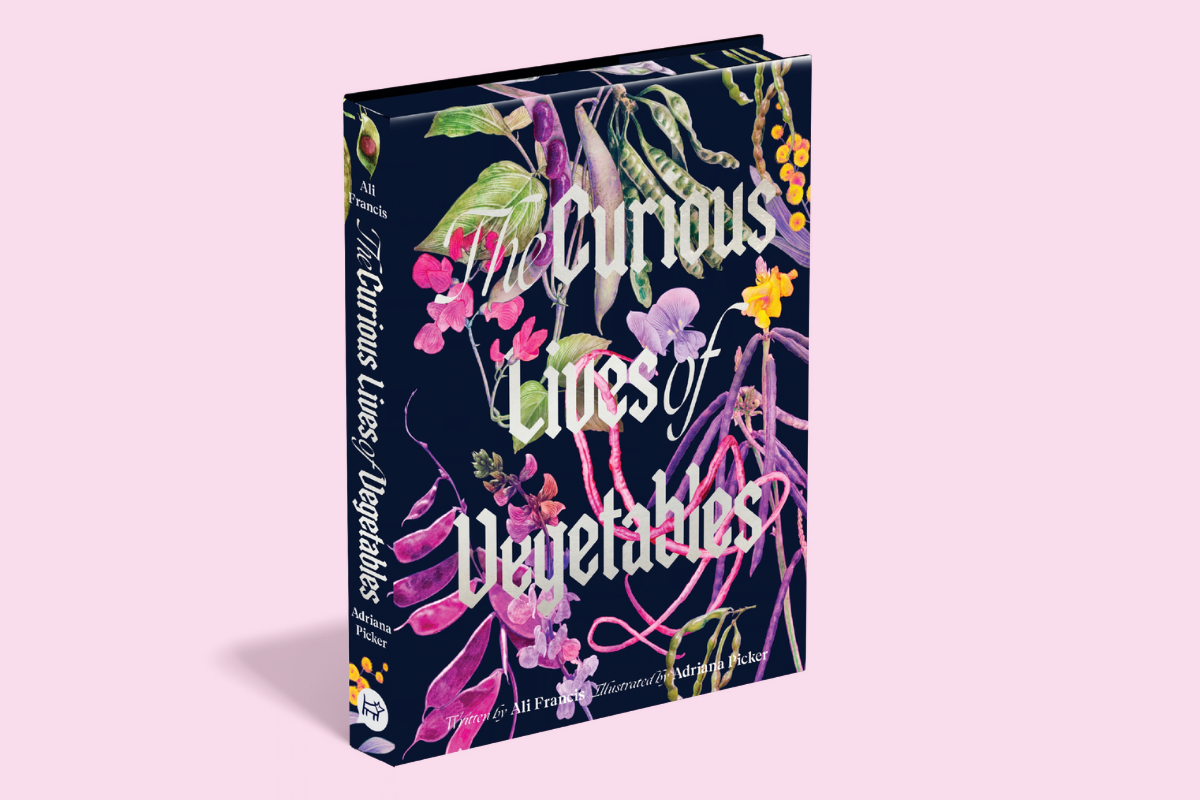
The collaboration between Ali Francis and illustrator Adriana Picker bridges the gap between scientific inquiry and aesthetic appreciation. By documenting over 125 vegetables, the publication treats each specimen as a historical artifact. The illustrations are intentionally rendered as portraits, moving away from the clinical, sterile depiction of plants often found in botanical textbooks.
Experts in agricultural history suggest that such documentation is vital. When a vegetable is viewed as a "finished product" on a dinner plate, its historical and biological journey is often obscured. By reintroducing the narratives of these plants—their origins in ancient trade routes, their role in colonial expansion, and their cultural symbolism—the publication encourages a more profound understanding of the food system. This "botanical literacy" is often cited by conservationists as a necessary precursor to effective environmental policy; consumers are more likely to support the preservation of heirloom varieties if they understand the unique history and ecological benefits those varieties provide.
Economic and Ecological Implications
The economic implications of maintaining a narrow crop base are profound. Market-driven agriculture often discards varieties that do not conform to standardized shipping, shelf-life, or visual requirements. This "standardization" creates an artificial scarcity in the market.
From an ecological perspective, maintaining a diverse range of plant varieties is an essential component of climate adaptation. Different varieties possess different resistances to drought, flood, and temperature extremes. When we lose these varieties, we lose the "genetic library" that may hold the key to solving the agricultural challenges posed by the 21st century.
"Biodiversity is not an abstract environmental concern," experts often emphasize, noting that the health of the soil and the sustainability of the farm are directly tied to the variety of life present. The movement toward reclaiming these forgotten vegetables is, therefore, a move toward economic resilience. By supporting the growth of heirloom varieties, farmers and gardeners are participating in a decentralized hedge against the risks inherent in a homogenized food supply.
Future Outlook and Conclusion
The publication of The Curious Lives of Vegetables coincides with a growing public interest in "slow food" movements and localized agriculture. The narrative arc of the book—moving from the personal experience of the garden to the systemic analysis of global agriculture—mirrors the growing consciousness among consumers regarding the origin and diversity of their food.
As the global population continues to rise, the pressure on the agricultural system will only intensify. The shift toward, or at least the protection of, a broader range of edible plants offers a pathway toward a more stable and diverse food future. The act of saving a seed is described by proponents as an inherently radical gesture—it is a refusal to participate entirely in a system of planned obsolescence and a commitment to the continuity of biological heritage.
Ultimately, the study of these plants serves as a metaphor for the human condition. Just as a society is the accumulation of its history, experiences, and cultural exchanges, so too is the modern garden a record of what was preserved, what was lost, and what was carried forward. The late-summer harvest provides a temporal reminder of this cycle: it is not a conclusion, but a transitionary moment where the lessons of the past are harvested, and the seeds for the future are collected.
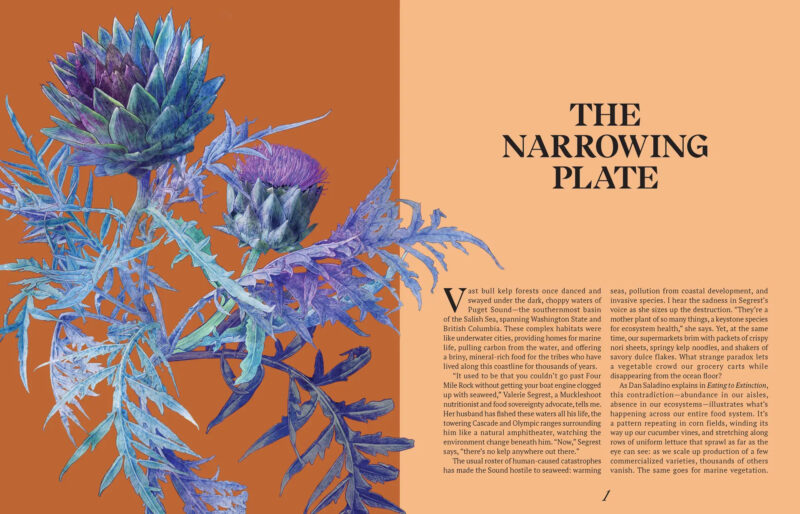
For researchers, culinary historians, and gardeners alike, the work provides a rigorous foundation for understanding why the "curious lives" of our vegetables matter. Whether through the constitutional protection of seed saving or the simple act of choosing an heirloom variety at a local farmers’ market, the preservation of biodiversity remains a critical component of ensuring the long-term viability of the human food system. The book remains available through Hardie Grant, serving as both a guide to the history of edible plants and a call to action for those interested in the future of the global table.