rifanmuazin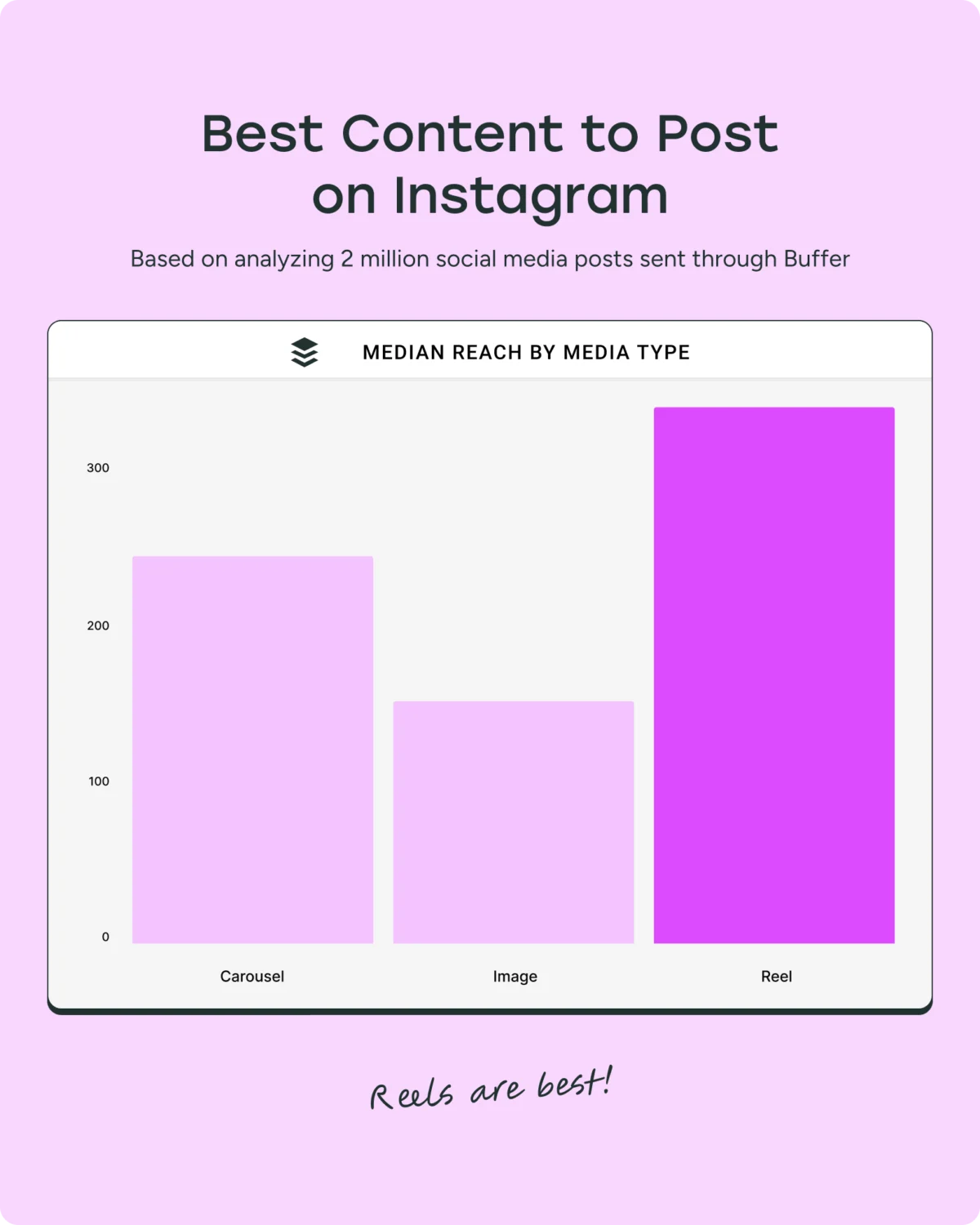
The prevailing narrative in the digital marketing sphere often paints video as the undisputed champion of social media content. With the ubiquitous presence of Instagram Reels, TikToks, and dedicated video feeds on platforms like LinkedIn, it’s easy to assume that a "video-first" strategy is the only path to audience growth and engagement. However, a recent comprehensive analysis by Buffer, delving into millions of social posts across major platforms, reveals a far more complex and platform-specific reality for content creators and marketers navigating the digital landscape in 2025. While video undeniably excels in certain contexts, its universal supremacy for all metrics across all platforms is not supported by the data.
The study underscores a critical distinction between reach and engagement, demonstrating that while video often drives discoverability and broad audience reach, other content formats frequently foster deeper interactions and community building. This finding challenges the simplistic notion that merely producing "more video" will automatically translate into optimal social media performance, prompting a re-evaluation of content strategies tailored to individual platform algorithms and user behaviors.
Methodology and Foundational Principles
Buffer’s research encompassed an extensive dataset, analyzing social posts from a diverse array of platforms: TikTok, Instagram, Facebook, Threads, LinkedIn, and X (formerly Twitter). A crucial aspect of their methodology involved using distinct metrics for content success on each platform, acknowledging the unique ways in which these networks operate and how users interact with content within them. For instance, TikTok performance was primarily measured by median video views, reflecting its core function as a short-form video platform. In contrast, conversation-focused platforms like Threads and X prioritized median engagement, encompassing likes, comments, and shares, as a truer indicator of community interaction. Instagram presented a dual analysis, examining both median reach and median engagement to capture its multifaceted nature.
It is vital to preface these findings with two overarching principles: the paramount importance of the target audience and the non-negotiable value of consistency. No single content format or strategy will universally resonate; success is inextricably linked to understanding an audience’s preferences and continuously adapting. Furthermore, Buffer’s own supplementary research has consistently shown a strong correlation between content consistency and improved performance, with regular posting potentially yielding up to five times more likes, comments, and shares across platforms. Therefore, the data presented should serve as a strategic springboard for experimentation, not a rigid blueprint, empowering creators to fine-tune their approaches within a well-defined social media content strategy and calendar.
TikTok: The Reign of Video, But With Nuances
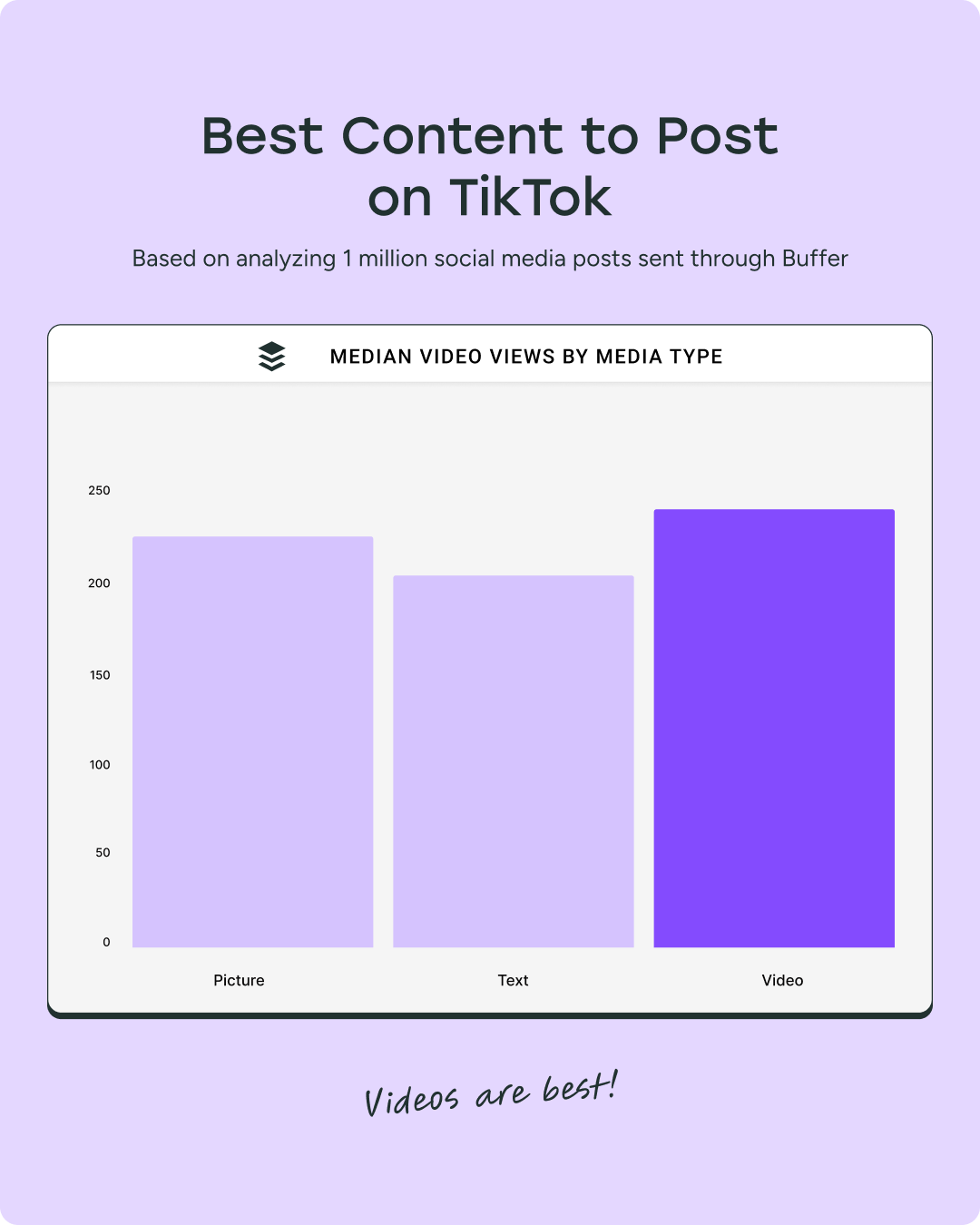
Unsurprisingly, TikTok, a platform built entirely around short-form video, continues to see video content reign supreme. The study confirms that videos achieve the highest median views, solidifying TikTok’s identity as a video-first ecosystem. However, what is particularly intriguing is the narrowing gap in performance. Despite TikTok’s foundational identity, the introduction of carousels (multi-image posts) and even text-only posts has seen these alternative formats become surprisingly competitive. While videos still offer the best bet for maximizing reach, the relative success of carousels and text suggests that the TikTok algorithm is evolving to embrace a broader range of content types, potentially catering to diverse creator needs and audience preferences for different storytelling formats. This subtle shift indicates that while video remains king, diversifying content to include visually rich carousels could be a viable strategy for creators seeking to stand out and engage specific segments of their audience.
Instagram: Reach vs. Engagement – A Tale of Two Metrics
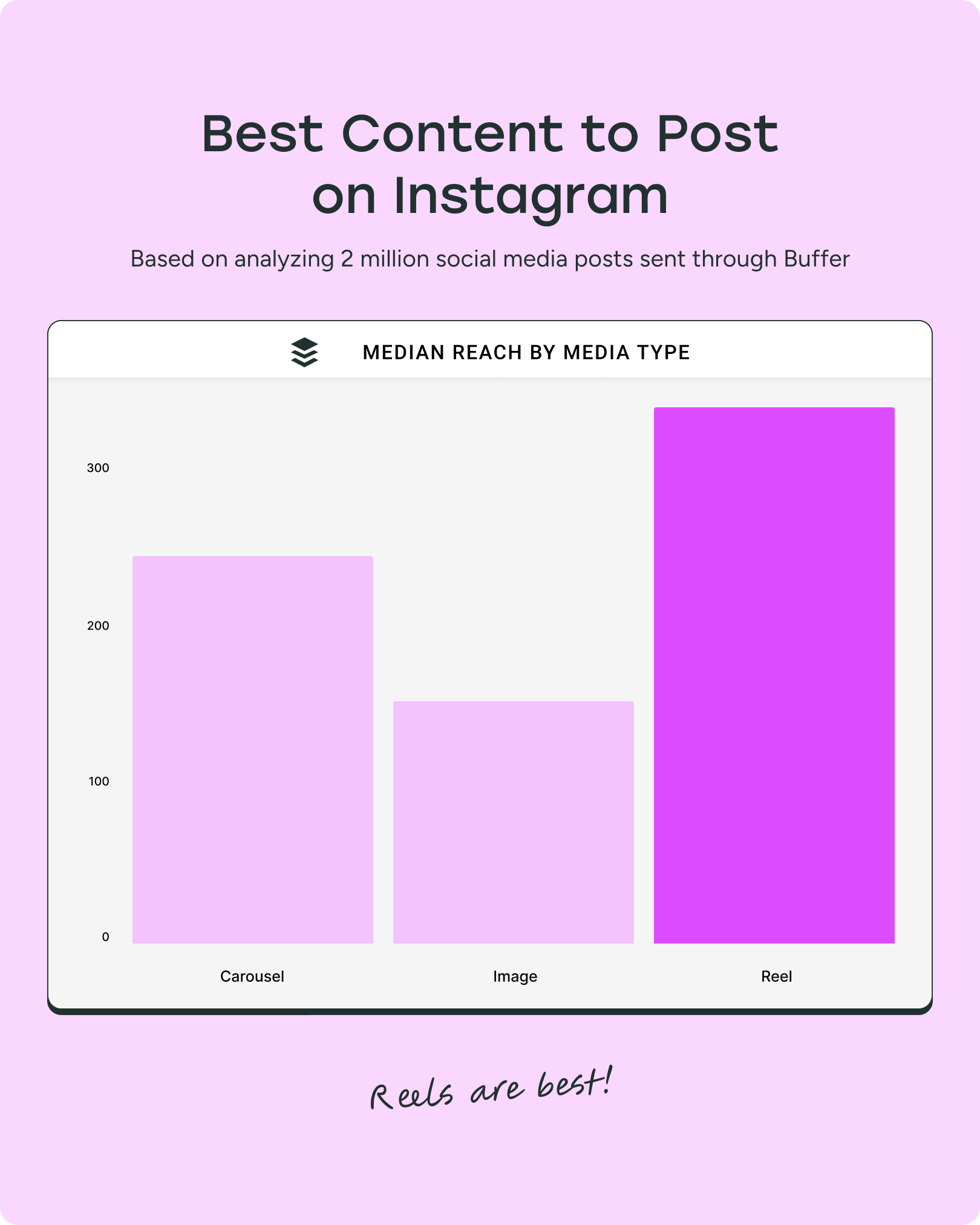
Instagram’s content landscape presents one of the most compelling examples of the distinction between reach and engagement. The platform has aggressively pivoted towards video, particularly with the prominence of Instagram Reels and a dedicated editing app. On the metric of median reach per post, video (Reels) indeed comes out on top, aligning with Meta’s strategic push to compete with TikTok and prioritize discoverability for video content. Reels are designed to be shared widely, exposing content to new audiences beyond a creator’s immediate followers.
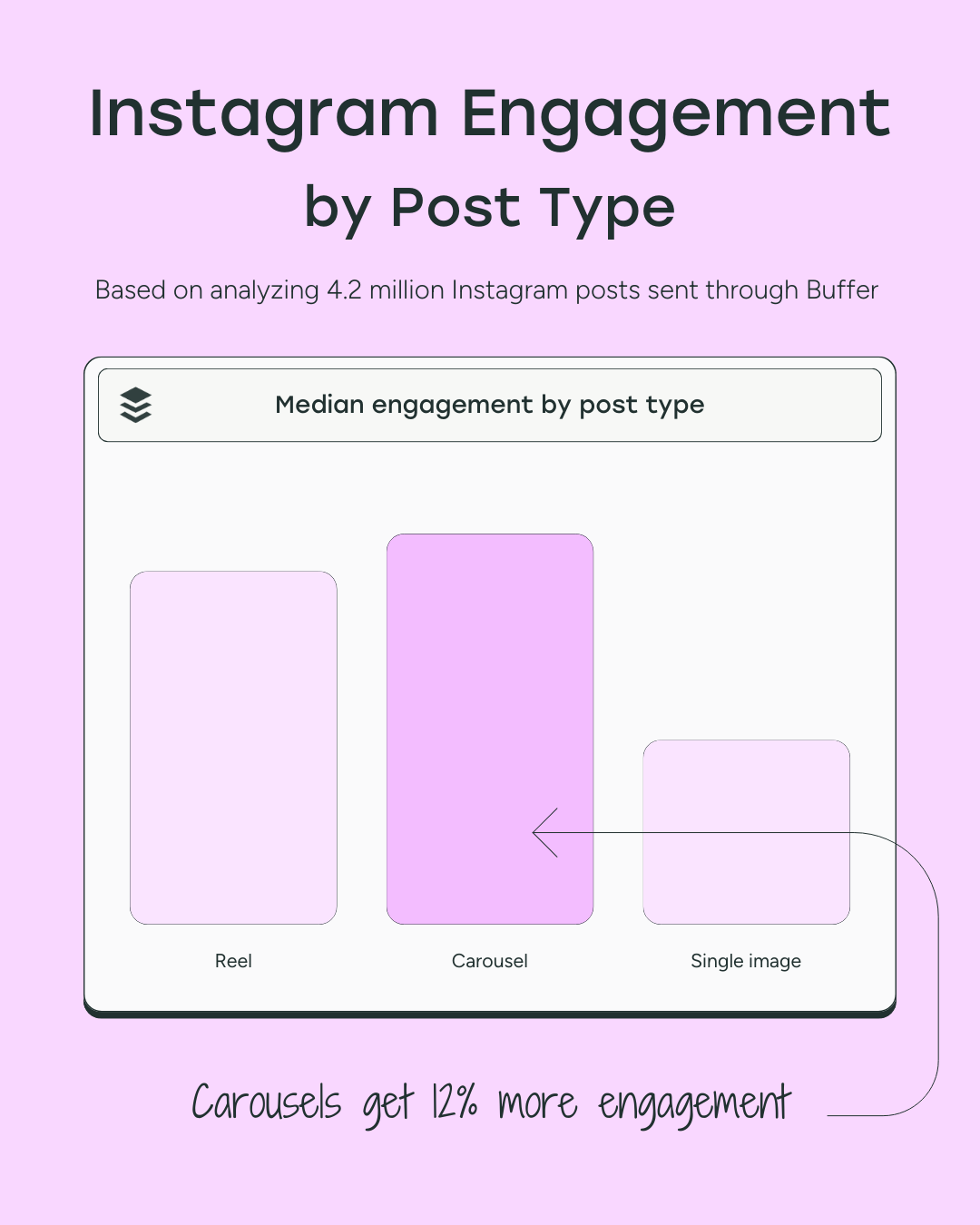
However, a deeper dive into median engagement per post reveals a different story: carousels, not Reels, generate the highest levels of interaction. Carousels, which allow users to swipe through multiple images or videos within a single post, foster a more deliberate and time-consuming interaction. This format is particularly effective for educational content, storytelling, or presenting detailed information, encouraging users to spend more time on the post and often leading to higher saves, comments, and shares. This dichotomy highlights a crucial strategic consideration for Instagram creators: if the primary goal is broad audience acquisition and discoverability, Reels are the optimal choice. If the objective is to cultivate a loyal community, deepen connections with existing followers, and drive meaningful interactions, carousels prove to be more effective. This finding also resonates with long-standing user sentiment, where a vocal segment of Instagram’s original photo-sharing audience continues to express a preference for static images and multi-image posts over an overwhelming stream of video.
Facebook: The Enduring Power of the Static Image
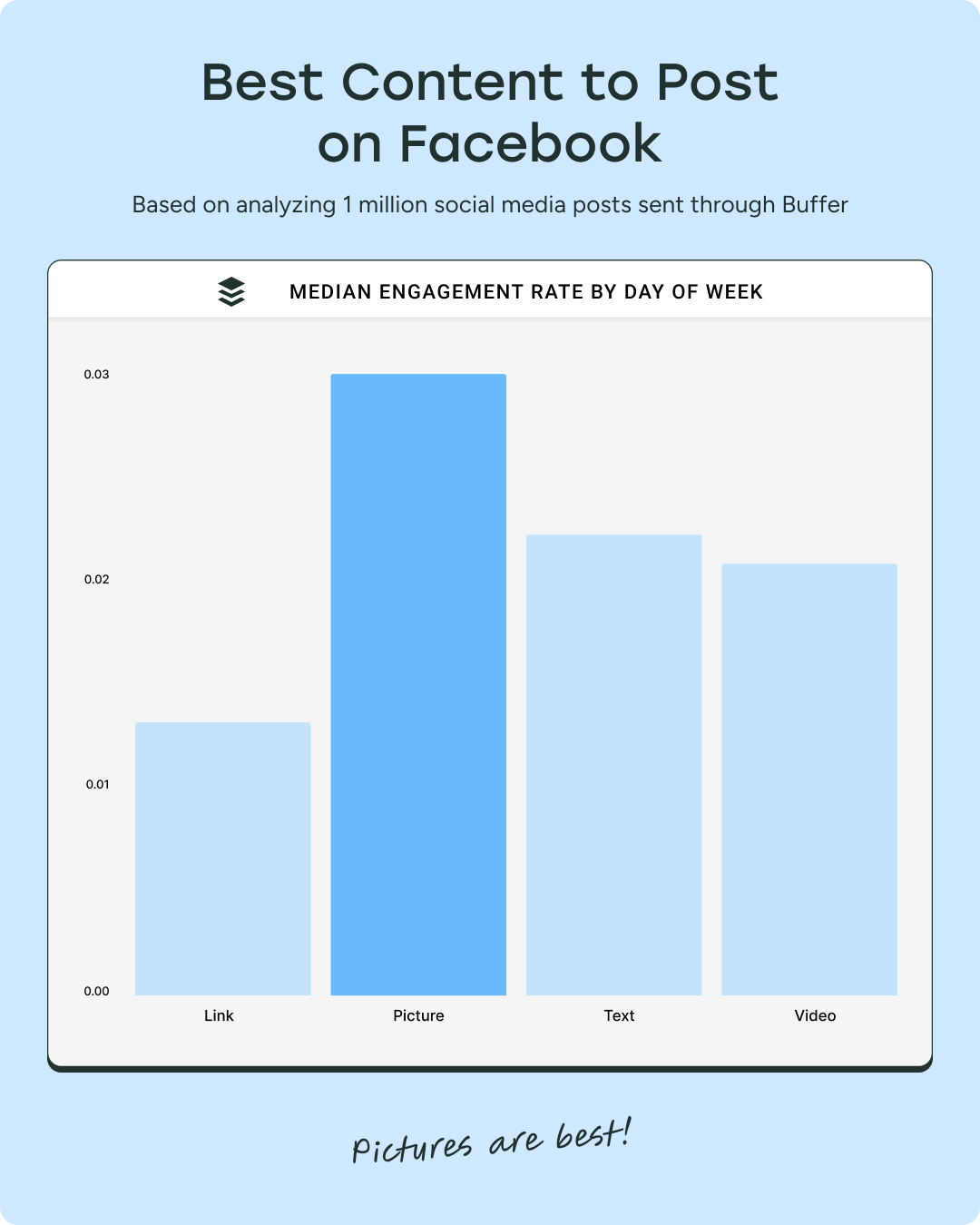
On Facebook, the veteran social media platform, the data delivers another surprise: static photos continue to generate the highest median engagement. Despite Facebook’s substantial investment in video and its own version of Reels, images outperform text, video, and especially link-based posts in terms of interactions. This suggests that for the typical Facebook user browsing their news feed, easily digestible, high-quality images provide a strong visual hook that prompts likes, comments, and shares.
The relatively lower engagement for video on Facebook’s main feed could be attributed to several factors. Facebook’s Reels feed, designed for passive viewing, may not inherently encourage the same level of conversational engagement as static posts. Moreover, the platform’s long-standing user base, accustomed to consuming diverse content, might find images more conducive to casual browsing. The study also highlights the ongoing trend of "zero-click content," where platforms and users alike increasingly favor content that can be consumed entirely within the app, without requiring a click to an external site. This explains the significantly lower engagement for posts containing external links, as users are less inclined to leave the Facebook environment. For marketers on Facebook, prioritizing visually appealing images within their content strategy remains a high-yield approach, while strategically integrating video for specific campaigns or discoverability through Reels.
Threads: Visuals Trump Text in a Text-First Environment
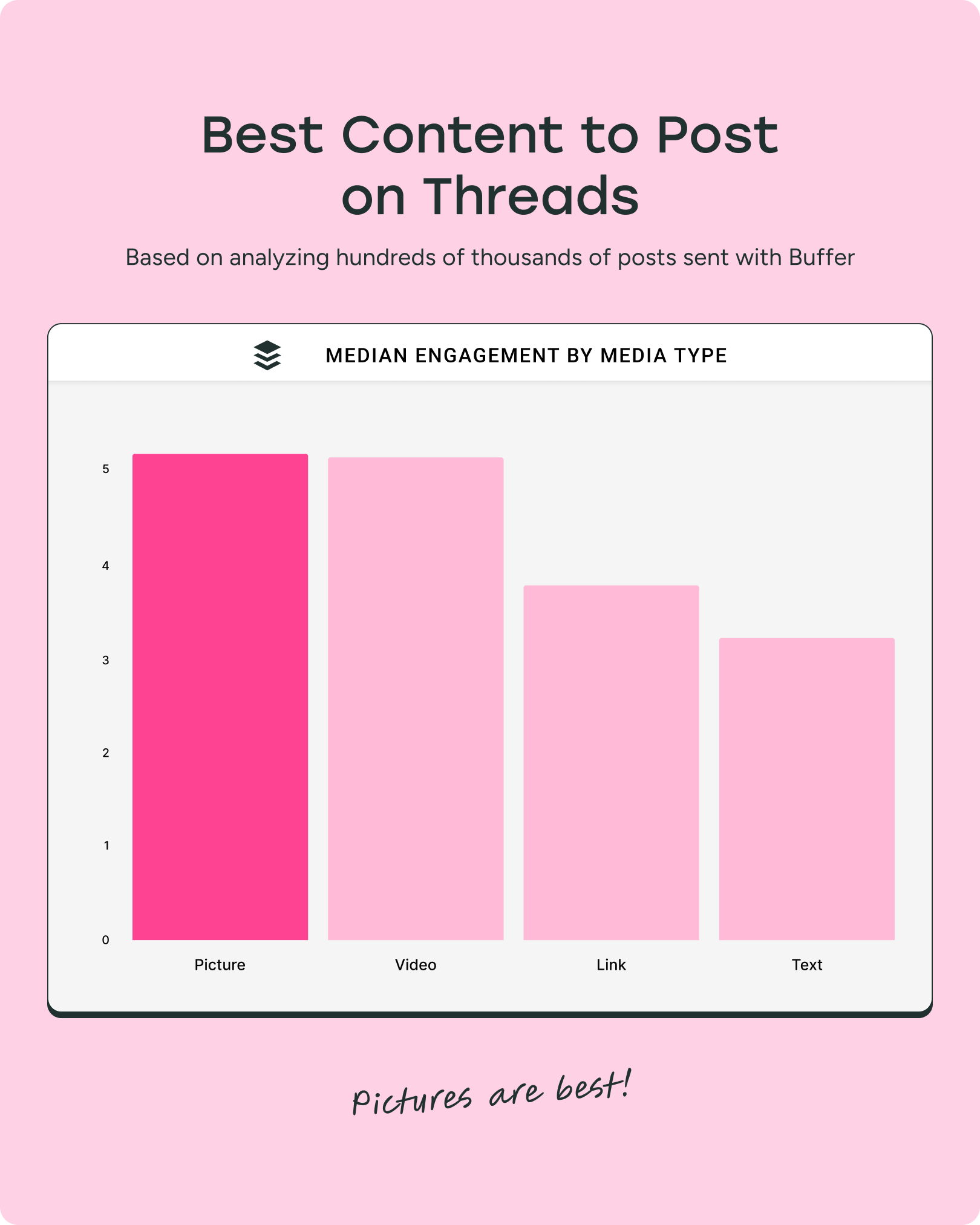
Threads, Meta’s text-centric answer to X, presented one of the most unexpected findings. Despite being designed as a conversation-focused, text-based platform, Buffer’s analysis revealed that posts containing images generated the highest median engagement, narrowly outperforming video. Text-only posts, surprisingly, ranked lowest for engagement. This suggests that even in a platform fundamentally built around written communication, visual elements play a critical role in capturing attention and driving interaction within the feed.
The early data for Threads indicates that users are more likely to stop scrolling and engage with posts that include an image or a short video. This could be due to the inherent human preference for visual stimuli, helping posts stand out in a potentially dense stream of text. While Threads is still in its nascent stages and its algorithms are continuously being refined, this early insight suggests that creators should not neglect visuals, even when their primary message is textual. Combining concise text with a compelling image or a brief video clip can significantly enhance visibility and engagement on the platform. However, the future evolution of Threads, particularly Meta’s potential adjustments to prioritize text-based content more explicitly, will be a critical area to monitor.
LinkedIn: The Unsung Hero of Carousels
LinkedIn, once primarily a professional networking site, has transformed into a dynamic content hub, attracting a burgeoning community of creators. While the platform has actively promoted video content, even launching a dedicated video feed, Buffer’s data indicates that carousels (often uploaded as multi-page PDF documents) deliver the highest median engagement. This finding provides valuable insight into the professional context of LinkedIn. Carousels are an excellent format for sharing detailed insights, mini-presentations, step-by-step guides, or data summaries—content types that resonate strongly with LinkedIn’s audience of professionals seeking to learn, grow, and establish thought leadership.
While video content on LinkedIn still performs well, especially for personal branding and initial virality (as noted by the platform’s early push for video content and the advice from its Head of Scaled Programs, Callie Schweitzer), carousels offer a more in-depth and digestible format for complex professional topics. This allows users to consume valuable information at their own pace, fostering a higher likelihood of comments, shares, and saves. For creators on LinkedIn, a balanced strategy is advisable: leverage carousels for detailed, educational content that showcases expertise, while strategically employing video for more dynamic, personal, or announcement-driven content, especially as the platform continues to invest in and refine its video capabilities.
X (formerly Twitter): Text Reigns in the Microblogging Arena
Despite X’s (formerly Twitter) ambitions to evolve into an "everything app" and its increasing support for video and images, its microblogging roots remain dominant in terms of engagement. Buffer’s analysis confirms that text-only posts continue to achieve the highest median engagement on X, outperforming videos, images, and links. This reinforces the platform’s core identity as a real-time information exchange where brevity, punchy commentary, breaking news, and quick takes thrive.
Users on X are accustomed to rapid consumption of textual information, and well-crafted, concise text posts can quickly go viral and spark conversations. While images and short video clips can certainly enhance a tweet and capture attention, the fundamental interaction often revolves around the textual message. Videos can outperform static images on X, suggesting that while text is paramount, dynamic visuals can provide an edge. For marketers and communicators on X, mastering the art of concise, impactful textual communication, potentially augmented by strategic visual content, remains the most effective strategy for driving engagement and participating in real-time conversations.
Cross-Platform Dynamics: Reach, Engagement, and Consistency
The aggregate findings from Buffer’s study paint a clear picture: the era of a single, universally dominant content format is over. Social media success in 2025 demands a nuanced, platform-specific approach, keenly aware of the distinct algorithmic preferences and user behaviors of each network.
The recurring theme of reach versus engagement is perhaps the most critical takeaway. Video, particularly short-form video, consistently proves to be an excellent format for extending reach and driving discoverability across many platforms. It helps attract new followers and expand audience horizons. However, formats like carousels, static images, and even text on X, frequently emerge as superior drivers of deeper engagement, fostering stronger connections with an existing audience through comments, shares, and saves. This implies a dual content strategy: using high-reach formats to bring new eyes to your content, and high-engagement formats to nurture and convert those viewers into a loyal community.
The trend of zero-click content also continues to solidify. Platforms increasingly reward content that keeps users within their ecosystem, making external links less favorable for engagement metrics. This necessitates a shift towards creating self-contained, valuable content that delivers information directly within the post, whether through detailed carousels, informative images, or comprehensive text updates.
Ultimately, while data provides invaluable guidance, the most potent factor for long-term social media success remains consistency. The ability to regularly produce and publish content, regardless of its format, builds audience expectation and algorithmic favor. Therefore, creators are encouraged to prioritize the content formats they can produce consistently and with high quality, rather than chasing a perceived "best" format that might be unsustainable for their resources. The insights from Buffer’s 2025 analysis serve as a powerful reminder that in the ever-evolving world of social media, adaptability, data-driven experimentation, and a deep understanding of one’s audience are the true keys to unlocking sustained growth and meaningful interaction.