rifanmuazin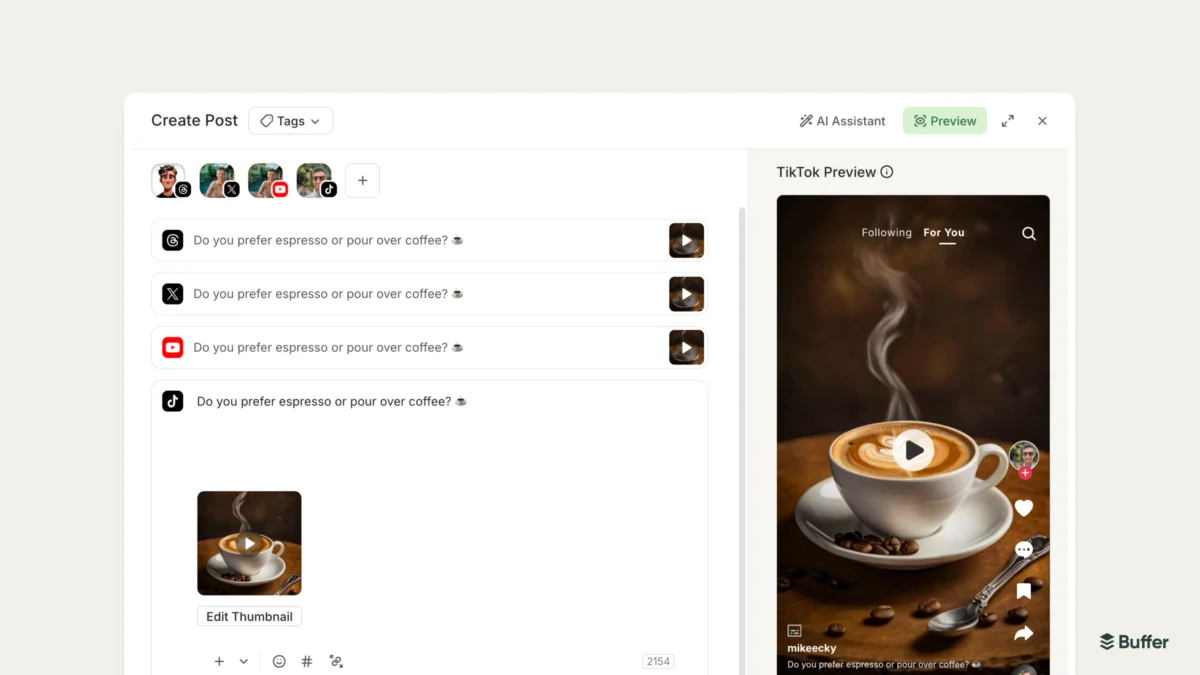
The agency, helmed by Alexandrea Browman, found itself at a crossroads after enduring two years with a social media management platform that abruptly restructured its pricing. This restructuring, which introduced an exorbitant cost increase and inflexible tiering options, threatened the operational viability and profitability of Sapphire Social. Browman’s experience underscores a broader industry challenge: the delicate balance between leveraging advanced tools and maintaining financial prudence in a rapidly evolving market.
The Evolving Landscape of Social Media Management and Agency Operations
The last decade has witnessed an explosive growth in the social media agency sector. As brands increasingly recognize the imperative of a robust online presence, agencies like Sapphire Social have become indispensable partners, managing intricate digital identities across a multitude of platforms. However, this growth brings its own set of complexities. Agencies are tasked with juggling numerous client accounts, each with unique brand voices, content strategies, and engagement requirements, across diverse platforms such as Facebook, Instagram, LinkedIn, YouTube, TikTok, and crucial local search platforms like Google Business Profile.
Central to these operations is community management—the active engagement with audiences, responding to comments, messages, and reviews. For Sapphire Social, community management is not merely an add-on; it is a core specialty, demanding seamless, secure, and efficient workflows. Historically, agencies faced a dilemma: either log in directly using client credentials, posing significant security risks and compliance headaches, or painstakingly navigate the native interfaces of each platform, a time-consuming and often clunky process. Neither option was sustainable for scaling operations. The advent of integrated social media management tools promised a solution, yet as Alexandrea Browman discovered, not all solutions are created equal, particularly when market forces or provider strategies shift dramatically.
A Decade in Digital: Alexandrea Browman’s Journey and the Genesis of Sapphire Social
Alexandrea Browman’s expertise in social media spans over a decade, providing her with a deep understanding of the industry’s ebb and flow. Three years ago, she channeled this experience into establishing Sapphire Social, a boutique agency based in Oregon. Her vision was to create a specialized firm that could deliver exceptional community management and comprehensive social media strategy, allowing businesses to thrive in the digital sphere without the operational burden.
Today, Sapphire Social manages approximately 30 distinct channels for its diverse client base, covering the full spectrum of major social platforms. To achieve this scale and maintain high standards, Browman relies on a small but dedicated team comprising designers, community managers, and a scheduling assistant. In an agency model, where client relationships are paramount and profit margins can be tight, the choice of technology tools is not merely an operational decision; it directly shapes the agency’s profitability, efficiency, and ability to scale flexibly to meet client demands. A tool that streamlines workflows, enhances security, and offers predictable costs becomes a strategic asset, while one that introduces friction or unexpected expenses can quickly become a liability.
The Unforeseen Challenge: A 600% Price Escalation and Provider Rigidity
The catalyst for Sapphire Social’s operational review was an abrupt and significant change initiated by their previous social media management provider. For two years, Sapphire Social had relied on this tool for its daily operations. However, without consultation or adequate justification relevant to Sapphire Social’s needs, the platform underwent a major pricing restructuring.
Browman recounts the shock: "They had crazy price increases that didn’t make any sense for my business." The provider eliminated mid-tier options, forcing agencies into an untenable choice between a package offering 12 connected accounts—far too few for Sapphire Social’s client roster—or a massive tier of 60 accounts, which was significantly more capacity than needed. This ‘all or nothing’ approach created an impossible situation for an agency operating precisely "in between" these extremes. The consequence was a staggering cost increase of over 600% for features, primarily "AI enhancements," that Alexandrea Browman neither requested nor required for her core services.

This incident reflects a broader trend in the software-as-a-service (SaaS) industry, where companies, often driven by investor pressure or the perceived value of emerging technologies like Artificial Intelligence, aggressively re-evaluate and re-tier their pricing models. While innovation is crucial, such changes can disproportionately impact small to medium-sized agencies that operate with lean margins and depend on predictable operational costs. The lack of flexibility and the imposition of unwanted features at a premium can force businesses to make difficult decisions, even if it means disrupting established workflows. Compounding the issue for Sapphire Social, the relationship with the previous provider’s customer support team was already strained, making the decision to seek alternatives an easier, albeit necessary, one.
Seeking Agility: The Strategic Pivot to Buffer
Faced with an unsustainable cost structure and an unyielding provider, Alexandrea Browman embarked on a search for a new social media management solution. The recommendation for Buffer emerged from two credible sources simultaneously: a satisfied client who was already using the platform and, significantly, from the collective wisdom of the online social media agency communities Browman was part of, where Buffer consistently received positive mentions.
Her initial assessment of Buffer was positive: "I went to it and was like, okay, this seems powerful without having a huge learning curve." This ease of adoption was critical, as any new tool would necessitate a learning curve for her team and a transition period for client operations. However, what truly solidified Buffer as the optimal choice was its transparent and flexible pricing model.
Buffer operates on a per-channel basis, a stark contrast to the rigid tiering of Sapphire Social’s previous provider. This meant that Browman’s agency would only pay for the channels it was actively managing. The implications for an agency with fluctuating client contracts were profound: "That’s why I went with you guys, the per-channel amount," Browman explains. "It allows me to be flexible and save money if a client leaves. They’re never locked in indefinitely, and I don’t want to continue paying for their channel in Buffer when they’re no longer in contract." This pay-as-you-go flexibility not only offered immediate cost savings but also provided invaluable financial predictability and agility, allowing Sapphire Social to scale its tool usage precisely with its business needs. When a client contract concludes, their channels can be removed, and when a new client is onboarded, channels can be added, with the monthly bill accurately reflecting current operations.
A detailed cost analysis confirmed the strategic advantage: even with 60 channels connected, Buffer’s monthly cost would be approximately $250—significantly less than the exorbitant increase imposed by the previous provider, and without any of the restrictive rigidity. This financial clarity and operational flexibility were paramount for Sapphire Social’s long-term sustainability and growth.
Transformative Efficiencies: Time Savings and Enhanced Quality Control
Since making the strategic switch to Buffer, Sapphire Social has realized tangible benefits across two critical operational domains: time efficiency and quality control.
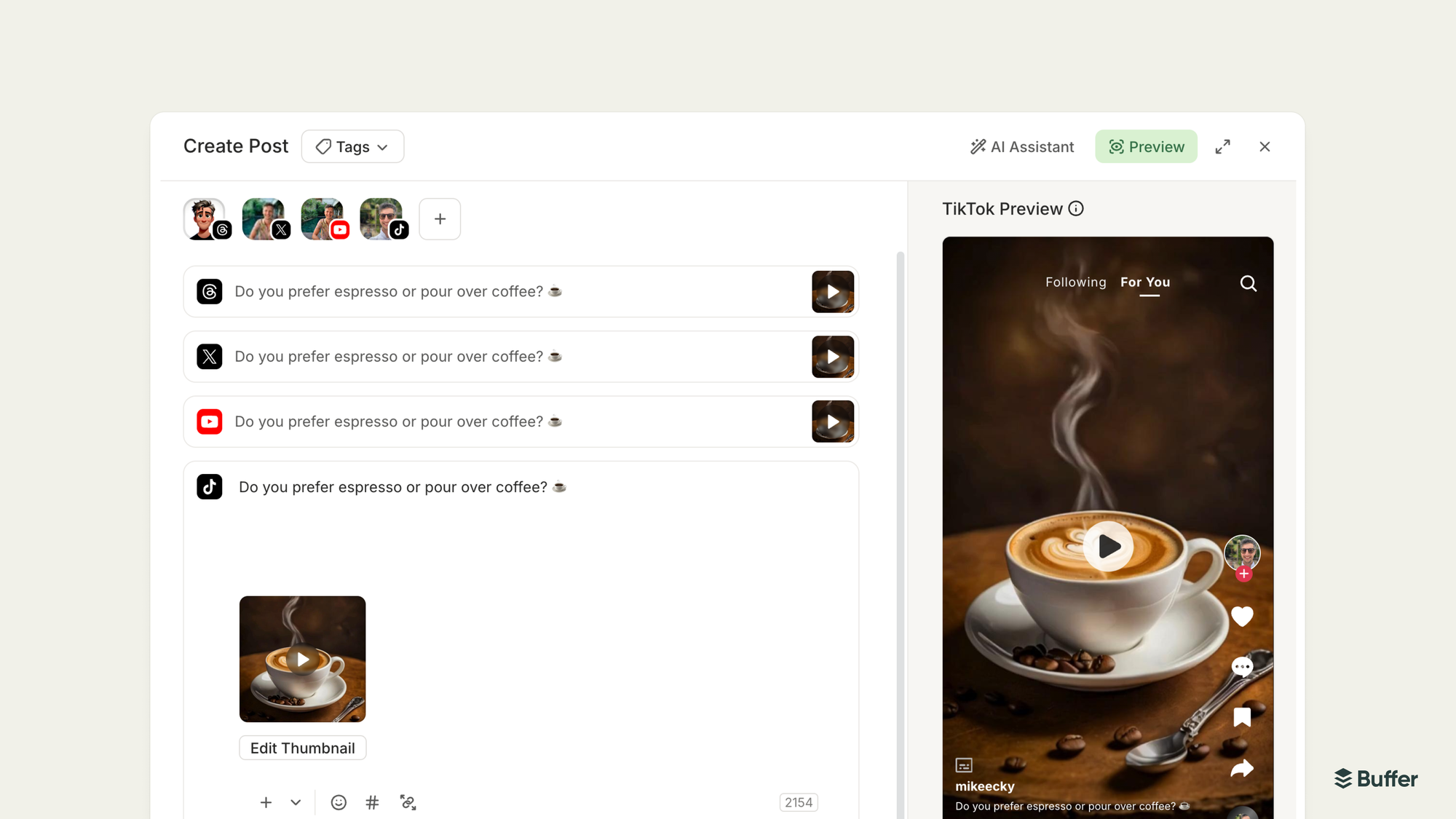
On the time-saving front, Buffer’s ability to facilitate simultaneous posting across multiple client channels has been a game-changer. Browman estimates that this feature alone saves Sapphire Social roughly one hour per week per client. For an agency managing 30 channels, this translates into an aggregate saving of approximately 30 hours per week, or 120 hours per month. This substantial reallocation of time allows the team to focus on higher-value activities such as strategic planning, content creation, and deeper client engagement, rather than mundane, repetitive manual tasks. "Manually posting to Meta, LinkedIn, TikTok, YouTube, and others can take away much-needed time when you could instead post to all the platforms you need with the click of a button," Alexandrea emphasizes, highlighting the cumulative drain of fragmented workflows.
Equally significant are the gains in quality control, an area critical for maintaining client trust and brand reputation. Buffer’s integrated approval workflow has introduced an essential layer of protection before any content goes live. Under this system, Sapphire Social’s team drafts and schedules content, which is then routed to Alexandrea Browman for final review and approval. This structured process mitigates the risk of human error, which can be costly and embarrassing in public-facing communications. "Before, it was easier to make mistakes. Everyone is human. You could post to the wrong account or post twice," Browman notes. "Now Buffer allows me to approve the post before it goes out, making sure there’s that extra layer of protection." This feature not only enhances accuracy but also instills confidence in the agency’s operational integrity, reassuring clients that their brand messaging is meticulously managed.
The Apex of Integration: Centralized Community Management
When asked about the single feature that has made the most profound difference, Alexandrea Browman’s response is unequivocal: "Community management, hands down." This emphasis underscores the agency’s core specialty and the historical challenges associated with delivering this service effectively. Before Buffer, the process involved a cumbersome dance between logging into individual client accounts (a security vulnerability) or navigating the often-cumbersome Meta Business Suite, a fragmented approach that consumed valuable time and increased the risk of missed interactions.
Buffer’s "Community" feature has revolutionized this aspect of Sapphire Social’s operations by centralizing all client comments and messages from various social platforms into a single, unified inbox. This integration alone dramatically streamlines the response process, making it faster, more efficient, and less prone to oversight.
Crucially, the community management shift extends beyond traditional social media comments. Buffer’s platform also allows Sapphire Social’s team to respond directly to Google reviews—a feature that previously necessitated yet another separate platform and login. Google reviews are increasingly vital for local businesses, directly impacting search rankings, reputation, and customer acquisition. Integrating this function into a single dashboard has eliminated a significant operational hurdle. "Not only can we respond to people on social, but we can now respond to reviews on Google, which has been amazing," Browman states. "We don’t have to toggle between inbox and comments."
For an agency where community management is a foundational service, having these diverse interaction points centralized in one intuitive tool has made the entire process easier to deliver and, consequently, far more effective for Sapphire Social’s clients. This holistic approach ensures that no customer interaction goes unnoticed, fostering stronger brand loyalty and reputation across all digital touchpoints.
Implications for the Agency Landscape: Lessons from Sapphire Social
The experience of Sapphire Social serves as a compelling case study for the broader social media agency landscape, highlighting both the persistent challenges and the strategic opportunities inherent in modern digital operations. Alexandrea Browman’s journey underscores several critical implications:
Firstly, the incident with the 600% price hike by a previous provider illustrates the vulnerability of agencies to the evolving pricing strategies of SaaS vendors. As technology companies chase higher valuations or integrate new, expensive features like AI, the onus is often placed on the end-user to absorb these costs, sometimes without corresponding value or flexibility. This necessitates that agencies conduct thorough due diligence and prioritize vendors with transparent, scalable, and agency-friendly pricing models.
Secondly, the success of Buffer’s per-channel pricing model demonstrates the importance of flexibility for agencies with variable client loads. The ability to dynamically adjust subscription costs based on active usage is not merely a convenience; it is a fundamental requirement for maintaining financial health and operational agility in an industry characterized by project-based work and fluctuating client portfolios. This flexibility allows agencies to onboard new clients seamlessly and offboard existing ones without incurring unnecessary overheads.
Thirdly, the emphasis on integrated community management and approval workflows points to the evolving demands on social media tools. Beyond simple scheduling, agencies require platforms that can secure, streamline, and quality-control every aspect of client engagement. The ability to centralize responses across social platforms and critical review sites like Google Business Profile is no longer a luxury but a necessity for comprehensive brand management and responsive customer service.
Finally, Sapphire Social’s reliance on recommendations from clients and online agency communities underscores the power of peer networks in guiding strategic technology decisions. In a crowded market of social media tools, authentic user testimonials and community endorsements often carry more weight than aggressive marketing campaigns.
Alexandrea Browman’s concluding advice to other agency owners encapsulates the core lessons: "If you want a tool that handles scheduling, quality control, community management, and team management without the usual headaches, Buffer is it." Her final plea—"I would hate to have a social media scheduler where you’re forcing me to be in a certain tier. Please don’t do that"—serves as a powerful reminder to technology providers about the enduring value of flexibility and user-centric design in fostering lasting partnerships within the agency ecosystem. The adaptability demonstrated by Sapphire Social in navigating a significant market disruption not only secured its operational efficiency but also positioned it for continued growth and enhanced service delivery in a dynamic digital world.