Cintya Tara Annisa
Starbucks Corporation’s Chief Executive Officer, Brian Niccol, has initiated a widespread public discourse regarding the intersection of luxury branding and consumer affordability following a high-profile interview with the Wall Street Journal. At the center of the controversy is Niccol’s characterization of a $9 coffee purchase as an "affordable premium experience." This statement, delivered as the company attempts to navigate a complex global economy and shifting consumer habits, has drawn sharp rebukes from critics who argue the sentiment ignores the financial realities of the average consumer. However, the comments also shed light on a broader shift in the specialty coffee industry, where the "true cost" of ethically sourced and labor-intensive beverages is increasingly coming into conflict with traditional expectations of low-cost commodities.
The Context of Niccol’s Strategic Pivot
Brian Niccol assumed the role of Starbucks CEO in September 2024, transitioning from a successful tenure at Chipotle Mexican Grill. His appointment was viewed by Wall Street as a move to stabilize the coffee giant following several quarters of declining same-store sales and mounting pressure from activist investors. Niccol’s primary mandate, articulated through his "Back to Starbucks" roadmap, involves simplifying the company’s complex menu, improving the "third-place" in-store experience, and addressing operational inefficiencies that have led to long wait times and inconsistent product quality.
During the Wall Street Journal interview, Niccol was asked to address the "K-shaped" economy—a phenomenon where high-income households continue to see wealth growth while lower-income households struggle with the rising costs of essential goods. In his response, Niccol argued that for many consumers, a $10 price point serves as a psychological threshold. He suggested that while a $9 coffee may be viewed as a "splurge" for some, it remains a relatively accessible entry point into the luxury market compared to other "premium experiences," such as high-end dining or travel.
A Linguistic and Branding Distinction: The "Affordable Premium"
The backlash to Niccol’s comments largely focused on the perceived "tone-deafness" of calling a nearly double-digit beverage "affordable." Outlets such as The Guardian and The Daily Beast highlighted the disconnect between executive compensation—Niccol’s hiring package was valued at over $100 million—and the financial strain of the average American worker.
However, market analysts point to a specific branding distinction in Niccol’s phrasing. In the luxury goods sector, an "affordable premium" product is defined as a high-quality item that is more expensive than its mass-market counterparts but significantly cheaper than true luxury goods. By this definition, Starbucks is positioning itself not as a competitor to home-brewed coffee or fast-food alternatives, but as a lifestyle brand.
From a linguistic standpoint, the phrase "affordable premium experience" functions as a compound descriptor. Niccol’s argument suggests that the experience of the premium product is what is being priced at $9, rather than the raw commodity of the coffee itself. This includes the ambiance of the store, the customization of the beverage, and the brand prestige associated with the green siren logo.
The Chronology of Rising Coffee Costs
The current pricing structure at Starbucks and other specialty coffee retailers is the result of a decade-long upward trend in production and operational costs. To understand the $9 latte, it is necessary to examine the timeline of the global coffee supply chain:
- 2014–2019: The Rise of Customization: The introduction of complex, multi-ingredient beverages and plant-based milk alternatives began to push average ticket prices higher. During this period, Starbucks expanded its "Reserve" line, signaling a shift toward higher-tier pricing.
- 2020–2022: Pandemic Disruption: Global lockdowns disrupted logistics, leading to a surge in the "C-price" (the global benchmark for Arabica coffee). Concurrently, a labor shortage in the United States forced retailers to increase wages to attract and retain staff.
- 2023–2024: Inflationary Pressure: While general inflation began to cool, the "Food Away From Home" category of the Consumer Price Index (CPI) remained elevated. Starbucks implemented several rounds of incremental price hikes to offset the rising costs of dairy, sugar, and logistics.
- Late 2024: The Niccol Era Begins: Upon taking office, Niccol faced a consumer base that was increasingly "trading down" to cheaper alternatives. His defense of the $9 price point represents an attempt to hold the line on brand value rather than engaging in a "race to the bottom" on pricing.
Supporting Data: The Reality of Specialty Coffee Economics
While the public outcry focuses on the $9 price tag, industry experts argue that coffee has been undervalued for decades. According to data from the Specialty Coffee Association (SCA), the cost of producing high-quality Arabica coffee has risen significantly due to climate change, which has reduced yields in key growing regions like Brazil and Vietnam.
Furthermore, the labor required to produce a "premium" Starbucks beverage is substantial. A typical customized Frappuccino or seasonal latte may involve up to seven different ingredients and several minutes of manual labor by a barista. When factoring in the cost of commercial real estate, employee benefits, and corporate overhead, the profit margins on a single cup are narrower than consumers might expect.
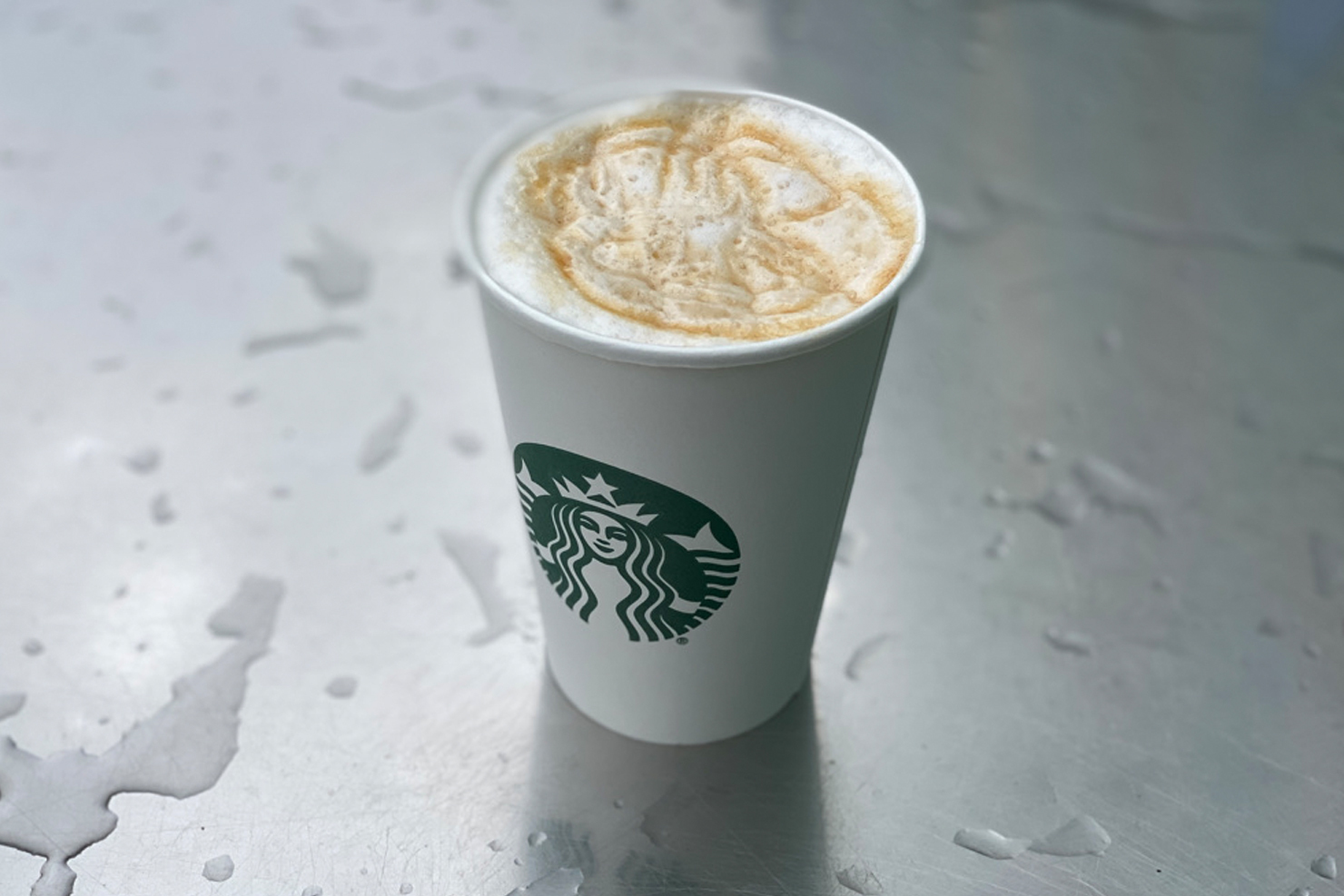
Research into the "true cost" of coffee suggests that if farmers were paid a living wage and environmental sustainability practices were fully funded, the baseline price for a standard cup of black coffee would likely exceed $5. In this context, the $9 price point for a complex, customized beverage is a reflection of the transition from coffee as a cheap stimulant to coffee as a crafted culinary product.
Official Responses and Stakeholder Reactions
The reaction to Niccol’s comments has been polarized. Consumer advocacy groups have utilized the "out of touch" narrative to highlight the growing wealth gap. "People are struggling to afford basic groceries," wrote one commentator for The Guardian. "Now is not the time to wax lyrical about ‘affordable’ $9 coffee."
Conversely, investors have remained cautiously optimistic. Following Niccol’s interview, Starbucks stock showed resilience, as shareholders interpreted his comments as a commitment to maintaining premium margins. Analysts from firms like TD Cowen noted that Starbucks’ core demographic—upper-middle-class urban professionals—has shown a high degree of price elasticity, meaning they are willing to accept higher prices in exchange for perceived quality and convenience.
Internal reactions from Starbucks employees, particularly those involved in the Starbucks Workers United union movement, have been more critical. Union representatives have pointed out the irony of the CEO defending $9 coffee while the company continues to litigate against unionization efforts and contract negotiations. The union argues that if the "experience" is truly premium, the compensation for the baristas providing that experience should reflect it.
Broader Impact and Implications for the Retail Industry
The debate over the $9 latte serves as a case study for the future of the retail food and beverage industry. As operational costs continue to rise, many companies are being forced to choose between two paths:
- The Value Path: Stripping away services and "experience" to keep prices low (e.g., automated kiosks, smaller menus).
- The Premium Path: Increasing prices but justifying them through enhanced service, customization, and brand prestige.
Niccol has clearly steered Starbucks toward the latter. However, this strategy carries significant risks. If the "premium experience" is not perceived as being worth the $9—due to dirty stores, slow service, or inconsistent drink quality—the brand risks alienating its core customer base.
Moreover, the "supercommute" controversy surrounding Niccol—his use of a corporate jet to travel from his home in California to Starbucks headquarters in Seattle—adds another layer of complexity to his public image. For critics, the image of a CEO flying a private jet while defending $9 coffee reinforces the "out of touch" narrative, regardless of the economic logic behind his pricing strategy.
Conclusion: The Future of the "Treat" Economy
As Starbucks moves forward under Brian Niccol’s leadership, the company is betting on the resilience of the "treat economy." In this economic model, consumers may forgo large luxury purchases, such as new cars or homes, but continue to spend on "small luxuries" that provide immediate gratification.
The $9 coffee is the ultimate symbol of this shift. While it may be objectively expensive for a beverage, it remains an accessible indulgence for millions of people. The challenge for Starbucks will be ensuring that the "premium" aspect of the experience matches the price tag. If Niccol can deliver on his promise to improve store operations and product quality, the $9 latte may become the new industry standard. If he fails, the company may find that there is a limit to how much consumers are willing to pay for a "splurge" that no longer feels special.
Ultimately, the controversy highlights a fundamental tension in modern capitalism: the struggle to balance the demands of a global supply chain that requires higher prices for sustainability with a domestic consumer base that is increasingly sensitive to the rising cost of living. Whether Niccol is "tone-deaf" or simply a realist about the future of global commodities remains a subject of intense debate, but his comments have undoubtedly set the stage for the next chapter of the Starbucks brand.