Cintya Tara Annisa
The global specialty coffee landscape is currently undergoing a period of rapid transformation, characterized by a heightened focus on experimental processing methods, gender-focused sourcing initiatives, and the exploration of emerging origins. As the industry moves further into 2025, the relationship between artisanal roasters and their consumer base has become increasingly reliant on transparency and curation. This week’s release of premium coffee offerings from a diverse collective of international roasters illustrates the sector’s commitment to bridging the gap between smallholder farmers and the discerning home brewer. These selections, ranging from yeast-inoculated Colombian lots to rare Thai honey-processed espressos, reflect broader economic and agricultural shifts within the "Fourth Wave" coffee movement, where technical precision and social narrative are as vital as flavor profile.
The Evolution of the Curated Coffee Marketplace
The contemporary coffee market has moved beyond the broad classifications of "Dark" or "Light" roasts that defined previous decades. Today’s specialty market is driven by a weekly cycle of micro-lot releases, often facilitated through digital newsletters and subscription models. This "Roaster’s Village" approach allows smaller, independent roasting operations to gain visibility alongside industry giants like Stumptown and Onyx Coffee Lab. By asking roasting partners for their most "exciting" current offerings, curators are able to provide a snapshot of the global harvest calendar.
This week’s collection highlights a significant trend: the rise of the "educated consumer." Buyers are no longer merely looking for caffeine; they are seeking specific cultivars like Pacamara or Papayo and are interested in elevation metrics—such as the 1,900 to 2,250 meters above sea level (masl) found in the Guji highlands of Ethiopia. This demand for data has forced roasters to become more than just processors; they are now educators and archivists of the agricultural process.

Social Equity and the Rise of Gender-Specific Sourcing
A pivotal component of the current market is the integration of social justice into the supply chain. Joe Coffee Company’s "Café Feminista" program serves as a primary example of this trend. By specifically highlighting coffees from women producers who identify with feminist principles, the program aims to address the historic gender imbalance in land ownership and financial autonomy within the "Coffee Belt."
According to industry data from the International Coffee Organization (ICO), while women provide up to 70% of the labor in coffee production, they often have significantly less access to credit, training, and land than their male counterparts. Joe Coffee’s initiative is part of a broader industry-wide movement to reduce these barriers. By amplifying the work of women leaders, the company is leveraging its platform to advocate for equity and liberation, suggesting that the "value" of a coffee bag is increasingly tied to its ethical footprint.
Technical Innovation in Processing and Fermentation
The technical sophistication of coffee processing has reached new heights, as evidenced by several of this week’s featured offerings. Traditional "washed" and "natural" methods are now being supplemented by experimental techniques designed to manipulate the chemical structure of the coffee cherry.
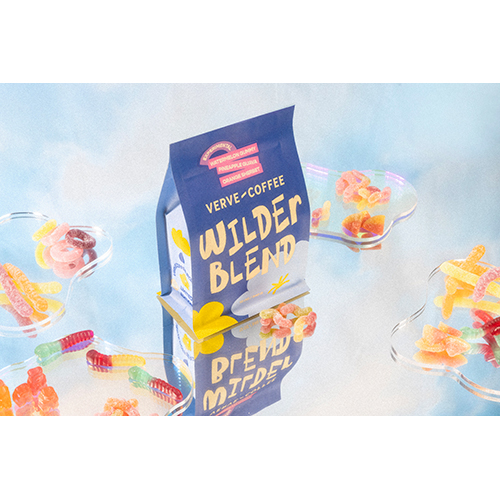
Verve Coffee Roasters has introduced its "Wilder Blend," which utilizes yeast-inoculated Colombian coffees. Yeast inoculation involves adding specific strains of yeast during the fermentation phase to control the flavor precursors, often resulting in amplified aromatics and enhanced sweetness. Similarly, PERC Coffee is showcasing the work of Diego Bermudez, a pioneer in thermal shock and advanced fermentation. His "Super Power Plum" offering represents a highly controlled, almost laboratory-like approach to coffee, yielding intense notes of red plum and raspberry that challenge the traditional boundaries of what coffee can taste like.
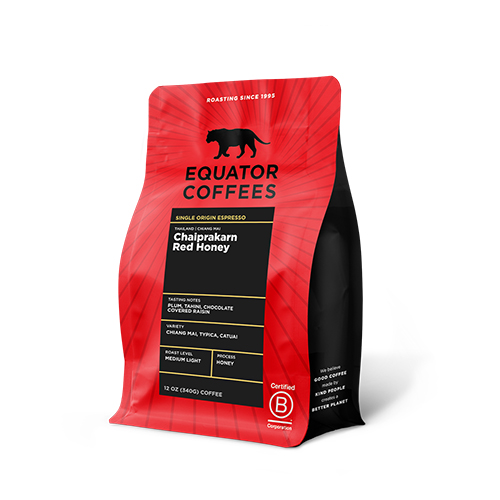
In Southeast Asia, Thailand is emerging as a formidable specialty origin. Equator Coffees’ "Thailand Chaiprakarn Red Honey" espresso highlights the red honey process, where a specific amount of mucilage is left on the bean during drying. This method, executed by Thai pioneer Noi Duongdee, is significant because only approximately 5% of Thailand’s specialty coffee is exported annually. This rarity makes such offerings highly sought after in the North American and European markets, signaling a shift in the geographical dominance of specialty coffee.
Regional Profiles and Micro-Lot Excellence
The diversity of the current offerings also provides a window into the specific terroir of various global regions. From the high altitudes of Ethiopia to the volcanic soils of Java, the environmental factors (terroir) remain the foundation of specialty coffee.
East Africa: Ethiopia and Kenya
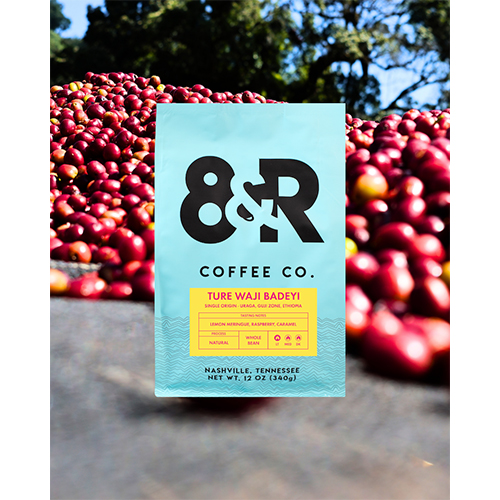
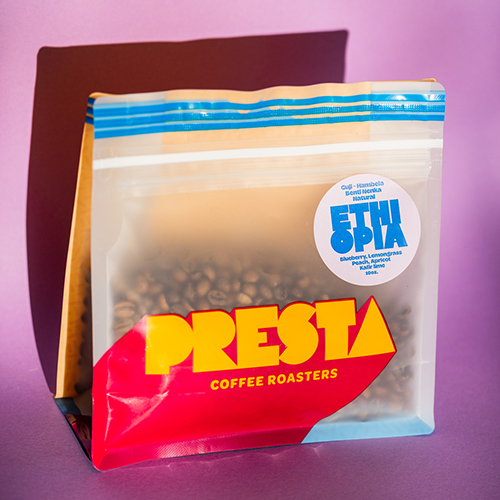
Ethiopia remains the "north star" for many specialty enthusiasts. Presta Coffee Roasters and 8th & Roast are both featuring lots from the Guji region. The "Hambela Benti Nenka Natural" from Presta highlights the heirloom varieties grown at extreme altitudes, resulting in a clean, expressive cup. 8th & Roast’s "Ture Waji Badeyi" lot comes from the Uraga district, a region where cultivation at such high elevations has only recently become viable due to improved infrastructure and farming techniques.
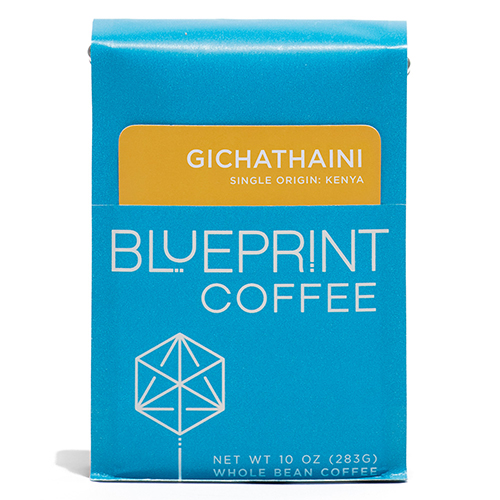
In Kenya, Blueprint Coffee is showcasing the "Gichathaini" lot from the Gikanda Farmer’s Cooperative Society. The cooperative model is central to Kenyan coffee production, allowing smallholder farmers to pool resources and own the washing stations (factories) where their coffee is processed. This model ensures that the premiums paid for high-quality, "bright and tangy" Kenyan profiles are returned directly to the producers.
Latin America: Colombia, Honduras, and El Salvador
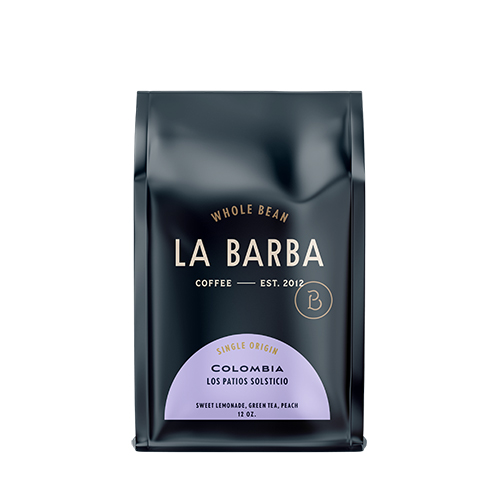
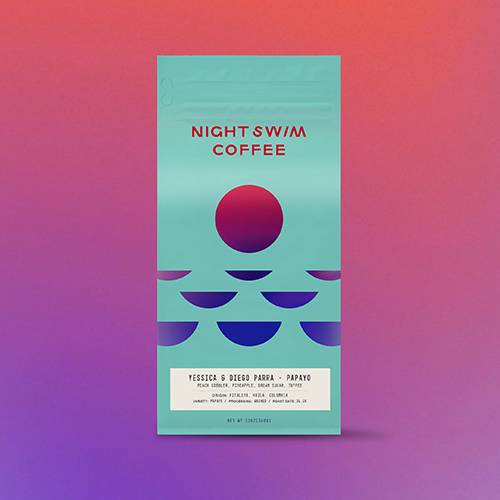
Colombia continues to be a powerhouse of variety. La Barba Coffee’s "Los Patios Solsticio" and Night Swim Coffee’s "Yessica and Diego Parra" lot demonstrate the versatility of Colombian terroir. Night Swim’s offering, a washed Papayo variety, is particularly noteworthy for its "peach cobbler" flavor profile, a result of the unique genetic mutation of the Papayo tree found in the Huila region.
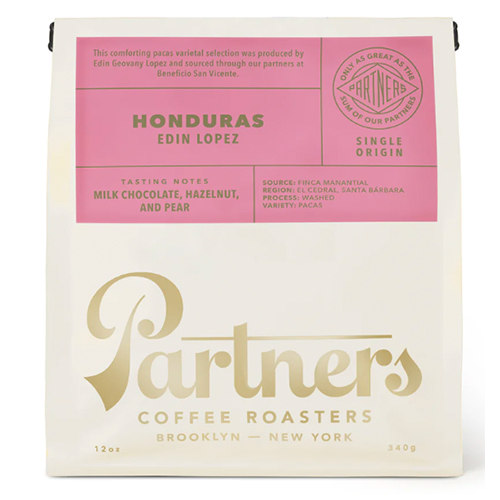
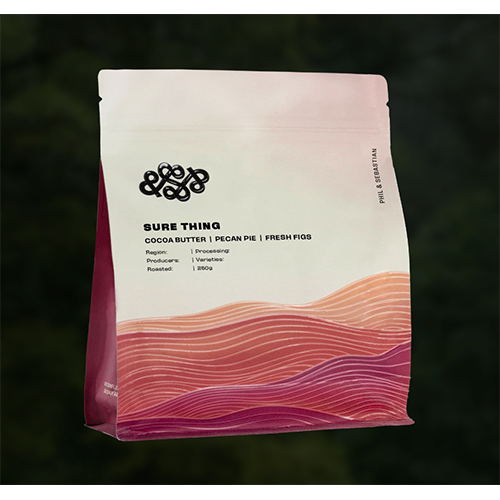
In Honduras, the focus is on consistent quality and the development of new farmers. Partners Coffee is featuring Edin Lopez, a relatively new farmer whose "fully washed pacas" variety highlights the classic profile of Santa Barbara: milk chocolate, hazelnut, and red apple. Phil & Sebastian’s "Sure Thing" blend also draws from the El Cielito and El Cedral regions of Honduras, focusing on "comfort with something extra," a nod to the growing market for sophisticated yet approachable daily-drinker coffees.
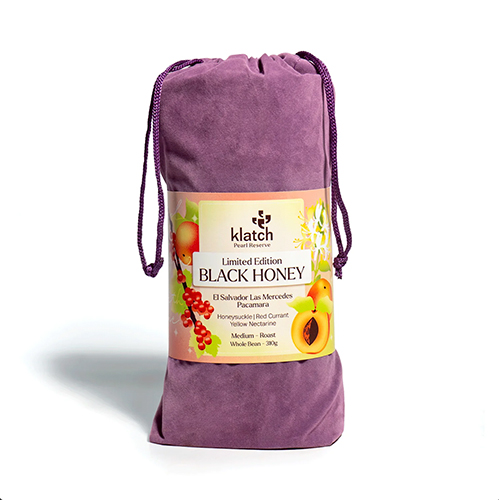
El Salvador is represented by Klatch Coffee’s "Limited Edition Pacamara Black Honey." The Pacamara variety—a hybrid of Pacas and Maragogipe—is known for its large bean size and complex acidity. By using the "Black Honey" process (the most intensive form of honey processing), Klatch has created a product that serves as both a luxury gift and a technical showcase of El Salvadoran viticulture.
The Role of the Flagship Blend
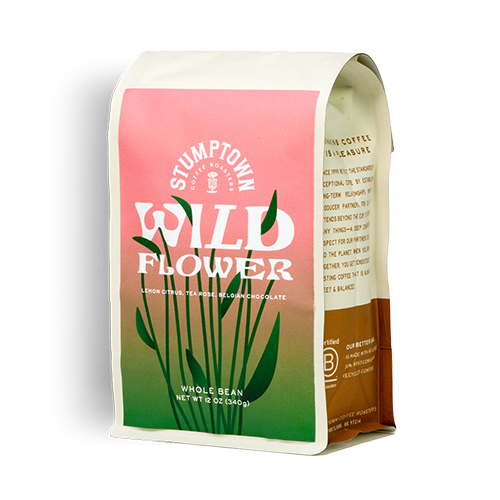
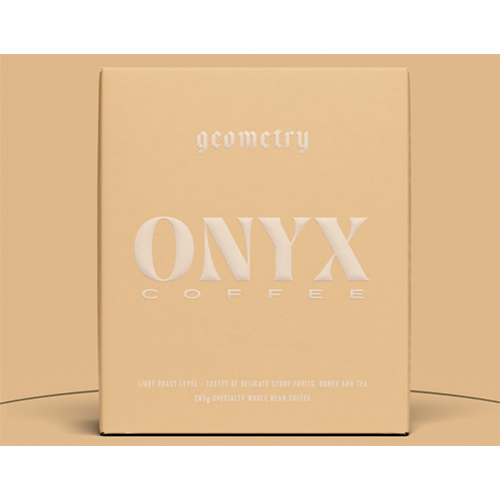
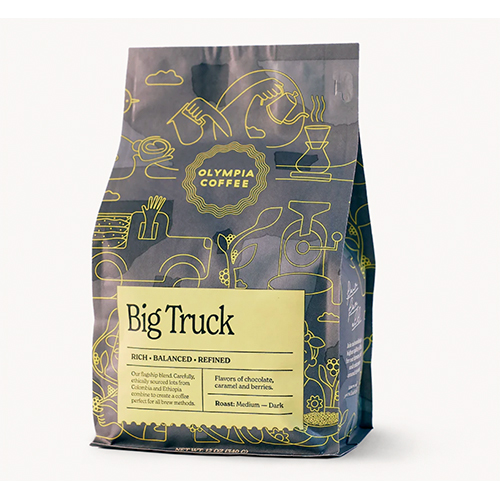
While single-origin micro-lots capture the attention of connoisseurs, flagship blends remain the economic engine of the roasting industry. This week’s selections from Onyx Coffee Lab ("Geometry"), Olympia Coffee ("Big Truck"), and Stumptown ("Wild Flower") illustrate the art of blending.
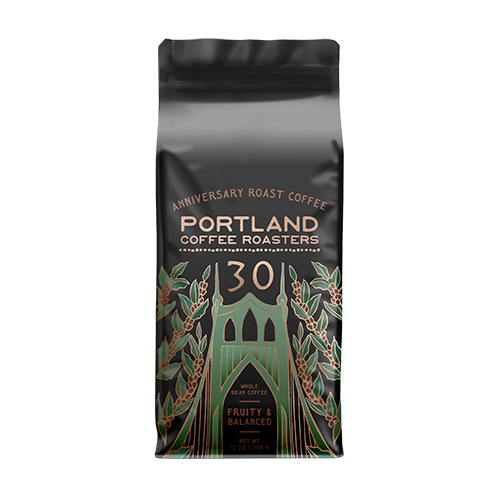
Onyx’s "Geometry" is marketed as a versatile "answer for everything," designed to be easily dialed in for both filter and espresso. This reflects a shift in roaster strategy: creating "reliable" high-end products that reduce the barrier to entry for home baristas who may find single-origin micro-lots intimidating to brew. Stumptown’s "Wild Flower" and Portland Coffee Roasters’ "Anniversary Roast" further demonstrate how blending coffees from different continents—such as Ethiopia and Colombia—can create a "layered depth" that a single origin might lack.
Broader Impact and Industry Analysis
The release of these coffees occurs against a backdrop of fluctuating C-market prices and the increasing impact of climate change on coffee-growing regions. The specialty sector, by paying premiums far above the commodity price, provides a vital buffer for farmers. However, as 8th & Roast noted regarding the high-altitude trees in Guji, farmers are being pushed to higher elevations to find the cooler temperatures necessary for specialty-grade Arabica.
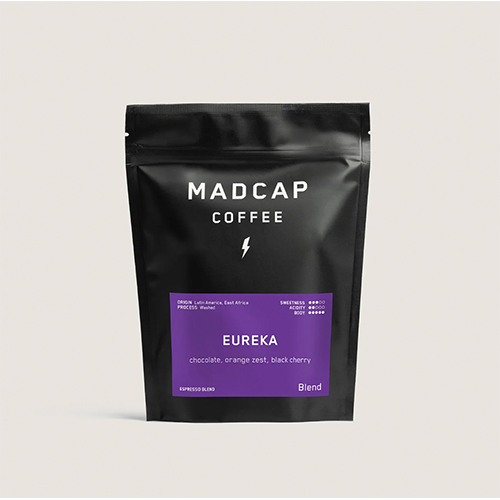
The economic implications are clear: the specialty coffee market is no longer a niche hobby but a significant global industry estimated to be worth over $35 billion. The success of roasters like Madcap, Mr. Espresso, and Caffé Umbria depends on their ability to maintain these complex supply chains while navigating global logistics and rising costs.

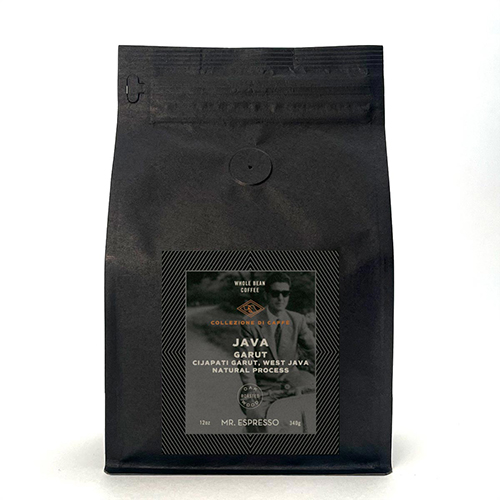
Furthermore, the "Roaster’s Village" model indicates a move toward collaborative rather than purely competitive marketing. By sharing a platform, these roasters are collectively raising the "coffee IQ" of the consumer. This educational push is essential for the long-term sustainability of the industry; as consumers learn to value the difference between a standard washed coffee and a "Java Garut" natural process from Indonesia, they become more willing to pay the prices necessary to sustain the farmers and roasters who produce them.
In conclusion, this week’s collection of coffee offerings is a testament to the resilience and creativity of the specialty coffee community. From the gender-equity initiatives of Joe Coffee to the fermentation experiments of PERC and Verve, the industry is proving that it can evolve to meet the ethical and sensory demands of the modern world. As these coffees make their way from the roasters in Nashville, Olympia, and Brooklyn to kitchens across the globe, they carry with them the stories of the farmers, the science of the soil, and the vision of a more equitable and flavorful future.