rifanmuazin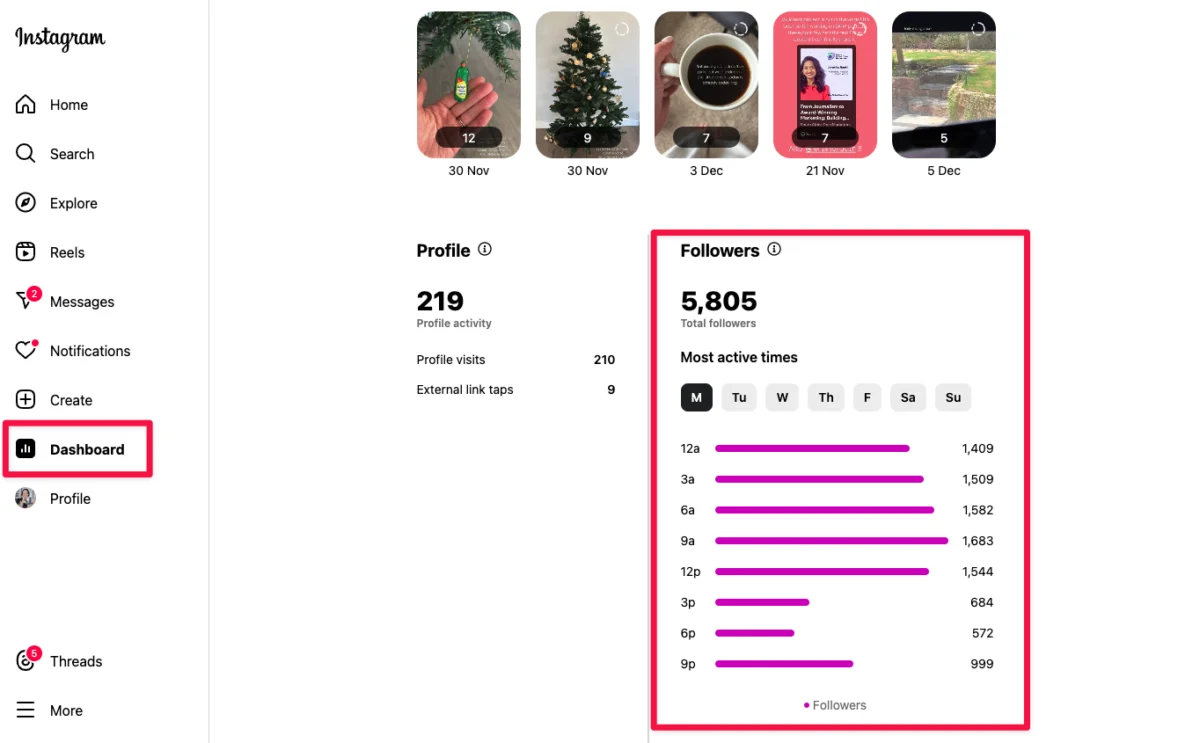
A comprehensive analysis by Buffer, leveraging data from 9.6 million Instagram posts, has identified Thursday at 9 a.m., Wednesday at 12 p.m., and Wednesday at 6 p.m. as the most opportune times for posting on the platform in 2026. This pivotal insight, drawn from Buffer’s "State of Social Engagement 2026" report, underscores the enduring significance of timing in maximizing content reach and engagement in an increasingly competitive digital landscape. The study, which scrutinized over 52 million posts across ten platforms from more than 200,000 accounts between January 2024 and December 2025, provides a data-backed roadmap for marketers, creators, and casual users seeking to optimize their Instagram strategy.
The Evolving Algorithm and the Imperative of Timing
In the dynamic realm of social media, the timing of a post often feels like a make-or-break decision for content creators. Despite the shift from chronological feeds to algorithm-driven discovery, posting at optimal times remains a critical component of a successful social media strategy. The hours invested in crafting compelling Instagram Stories, Reels, feed posts, and carousels can be significantly amplified or diminished by the moment they are released into the digital ether. Content that lands on an audience’s feed when they are most active is inherently more likely to garner engagement, a crucial signal for Instagram’s algorithm.
Engagement—measured by likes, comments, shares, and reposts—is one of the strongest indicators the Instagram algorithm uses to determine content value. Higher engagement rates tell the application that a piece of content resonates with users, prompting the algorithm to surface it to a broader audience. Notably, Adam Mosseri, Head of Instagram, has highlighted "sends per reach" (how often users DM a post or reel to a friend) as the platform’s foremost algorithmic ranking signal in 2026, especially for Reels and the Discover feed. This emphasizes not just passive consumption but active sharing as a key driver of visibility. Buffer’s analysis meticulously measured median engagement rates (calculated as (likes + comments + shares + saves) / followers * 100) to ensure the findings were not skewed by outlier posts or accounts with exceptionally large followings, making the advice applicable across the spectrum of Instagram users. All recommended times are also normalized to the user’s local timezone, eliminating conversion complexities.
![Best Time to Post on Instagram: 2026 Data from 9.6M Posts [Updated May 2026]](https://storage.ghost.io/c/6d/21/6d217297-aa70-41fe-b68d-e29e411dd3ed/content/images/2026/01/best-time-to-post-on-instagram-2026.png)
Key Findings from Buffer’s 2026 Report
The study revealed distinct patterns in user engagement, challenging some conventional wisdom. While content quality remains paramount, strategic timing demonstrably enhances reach. The most striking discovery was the consistent outperformance of evening hours (6 p.m. to 11 p.m.) across most days, with a notable exception on Thursdays.
Overall, the three highest-performing slots for Instagram in 2026 are:
- Thursday at 9 a.m.
- Wednesday at 12 p.m.
- Wednesday at 6 p.m.
These times, particularly the evening windows, align with observed user behavior. Statista data indicates that over a third of Instagram users are aged 25 to 34, a demographic likely to engage with the app during evening hours as they unwind after work. The midday spike on Wednesdays around noon suggests a common "lunch break scroll" habit, where users briefly engage with content during a pause in their workday.
![Best Time to Post on Instagram: 2026 Data from 9.6M Posts [Updated May 2026]](https://storage.ghost.io/c/6d/21/6d217297-aa70-41fe-b68d-e29e411dd3ed/content/images/2026/01/best-time-to-post-instagram-2026-heatmap.png)
Conversely, morning hours (6 a.m. to 11 a.m.) generally showed the weakest engagement, with the aforementioned Thursday 9 a.m. slot being a curious anomaly. While the exact reason for this Thursday morning surge is not definitively known, Buffer postulates it could be attributed to "end-of-week planning energy," where users might be checking in with creators and brands while mapping out their upcoming weekend activities.
Day-by-Day Breakdown of Optimal Posting Times
The detailed analysis provides a nuanced perspective on engagement fluctuations throughout the week:
-
Wednesday: The Peak Performer
Wednesday emerged as the highest-performing day for Instagram engagement. The best times to post are 12 p.m., 6 p.m., and 8 a.m. The midday peak at 12 p.m. is particularly distinctive, setting Wednesday apart from other weekdays that typically see stronger evening engagement. This trifecta of strong slots makes Wednesday an ideal day for high-priority content.![Best Time to Post on Instagram: 2026 Data from 9.6M Posts [Updated May 2026]](https://storage.ghost.io/c/6d/21/6d217297-aa70-41fe-b68d-e29e411dd3ed/content/images/2026/01/best-day-to-post-instagram-2026-.png)
-
Thursday: The Morning Anomaly
Thursday ranks closely behind Wednesday in overall engagement. Uniquely, its strongest performance is observed in the morning, with 9 a.m., 8 a.m., and 7 a.m. being the best times. This contrasts sharply with the general trend of evening dominance and highlights Thursday mornings as a prime window, perhaps for content designed to inspire or inform pre-weekend planning. -
Tuesday: Strong Midweek Engagement
Tuesday secures its position as the third-strongest day of the week. Optimal posting times span from mid-afternoon to early evening: 7 p.m., 3 p.m., and 5 p.m. For those posting once on a Tuesday, 7 p.m. is the recommended slot. -
Monday: Easing into the Week
Monday engagement is moderate, with evening hours proving most effective as audiences settle back into their routines after the workday. The best times are 7 p.m., 6 p.m., and 8 p.m., suggesting a post-workday window for reconnecting with feeds. -
Sunday: Weekend Wind-Down
Sunday offers moderate engagement, primarily concentrated in the evening as users wind down before the start of a new week. The strongest times are 9 p.m., 10 p.m., and 8 p.m. This period is suitable for lighter, engaging content.![Best Time to Post on Instagram: 2026 Data from 9.6M Posts [Updated May 2026]](https://storage.ghost.io/c/6d/21/6d217297-aa70-41fe-b68d-e29e411dd3ed/content/images/2026/05/image-6.png)
-
Friday and Saturday: The Weakest Links
Both Friday and Saturday consistently show the lowest engagement rates across all time slots. On Friday, the best times are 10 p.m., 9 p.m., and 6 a.m., while Saturday sees its best engagement at 9 p.m., 10 p.m., and 8 p.m. These days are generally best avoided for high-stakes content, serving instead as "hold-the-line" days for maintaining a consistent presence with less critical posts. The significant drop in weekend engagement suggests that audiences are often disengaged from their screens during prime daytime hours, opting for offline activities.
Worst Times and Days to Avoid
The analysis clearly delineates periods of low engagement, which content strategists should aim to circumvent. The hours between 1 a.m. and 5 a.m. on any day consistently yield the lowest engagement, a logical outcome as most audiences are asleep. Beyond the overnight slump, Friday and Saturday are identified as the weakest days overall, with significantly lower engagement compared to weekdays. Specifically, avoiding Friday lunchtime and Saturday morning is advisable for those prioritizing maximum reach and interaction.
Optimizing by Content Type: Reels, Carousels, and Stories
![Best Time to Post on Instagram: 2026 Data from 9.6M Posts [Updated May 2026]](https://storage.ghost.io/c/6d/21/6d217297-aa70-41fe-b68d-e29e411dd3ed/content/images/2026/05/image-7.png)
Instagram’s diverse content formats cater to different user intentions, a nuance acknowledged by Head of Instagram Adam Mosseri, who noted that "People tend to look for their closest friends in stories, use explore to discover new content and creators, and be entertained in reels." Buffer’s study, while analyzing all post types together, offers format-specific guidance aligning with these behavioral insights:
- Instagram Reels: As entertainment-led content, Reels perform best during evening hours (6 p.m. to 11 p.m.) on Wednesdays and Thursdays. This aligns with periods when audiences are winding down and seeking entertainment.
- Instagram Carousels: Requiring more user interaction (swiping through multiple slides), Carousels thrive during times when users have dedicated attention. The optimal times mirror overall peaks: Wednesday at 12 p.m., Wednesday at 6 p.m., and Thursday at 9 a.m. These windows correspond to lunch breaks and post-work relaxation.
- Instagram Stories: Given their 24-hour ephemeral nature, consistency is key for Stories rather than precise timing. Mosseri recommends sharing one to two Stories daily to maintain a healthy weekly cadence and stay top-of-mind with followers.
Beyond Averages: Finding Your Personal Best Time
While Buffer’s comprehensive data offers invaluable general guidelines, the report strongly emphasizes that these are starting points. The true optimal posting times for any individual, brand, or creator are dictated by their specific audience’s unique activity patterns. The "one-size-fits-all" approach has limitations, and a personalized strategy is paramount for sustained success.
Tools like Instagram Insights (available for Professional, Creator, or Business accounts) and Buffer Analytics are crucial for uncovering audience-specific data. These platforms provide detailed analytics on follower activity, allowing users to identify when their unique audience segments are most active. For instance, Buffer’s own Instagram audience is most active between 3 p.m. and 6 p.m., while a personal account might see peak activity from 6 p.m. to 9 p.m., demonstrating the variance. By regularly consulting these native or third-party analytics, users can refine their posting schedules to align precisely with their followers’ habits. Buffer’s scheduling tool, for example, can automatically integrate these recommended times or customize schedules based on individual analytics, streamlining the optimization process.
![Best Time to Post on Instagram: 2026 Data from 9.6M Posts [Updated May 2026]](https://storage.ghost.io/c/6d/21/6d217297-aa70-41fe-b68d-e29e411dd3ed/content/images/2026/01/buffer-instagram-analytics.png)
Posting Frequency and a Holistic Strategy
Beyond when to post, how often to post also significantly impacts reach and engagement. Another Buffer study from 2025 indicated a "sweet spot" of 3 to 5 Instagram posts per week (encompassing Reels, carousels, or photo posts) for achieving better reach without oversaturating the audience. This frequency, coupled with 1 to 2 daily Instagram Stories, aligns with Adam Mosseri’s recommendations for consistent platform presence and growth. Regular experimentation with posting cadence, alongside timing, is essential for identifying what resonates most effectively with a target audience.
Ultimately, optimal posting times are but one piece of a broader, high-performing Instagram marketing strategy. The Instagram algorithm considers a multitude of factors, and timing cannot compensate for subpar content. A comprehensive checklist for maximizing Instagram post performance includes:
- High-Quality Content: Visually appealing, well-produced, and relevant to your audience.
- Engagement Focus: Content designed to encourage likes, comments, shares, saves, and direct messages.
- Strategic Use of Formats: Leveraging Reels for entertainment, Carousels for depth, and Stories for immediacy and community building.
- Audience Understanding: Deep knowledge of your followers’ demographics, interests, and online behavior.
- Consistent Posting: Maintaining a regular presence without overwhelming your audience.
- Hashtag and Caption Optimization: Using relevant hashtags and compelling captions to improve discoverability and context.
- Call to Action: Guiding your audience on how to engage further.
- Adaptability: Continuously monitoring performance, analyzing data, and adapting your strategy as algorithms and audience behaviors evolve.
As Instagram continues to evolve, understanding both the overarching trends and individual audience nuances will be critical for anyone looking to cultivate a thriving presence on the platform. The insights from Buffer’s 2026 report serve as a powerful foundation, empowering users to make data-driven decisions that propel their content into the spotlight.