Cintya Tara Annisa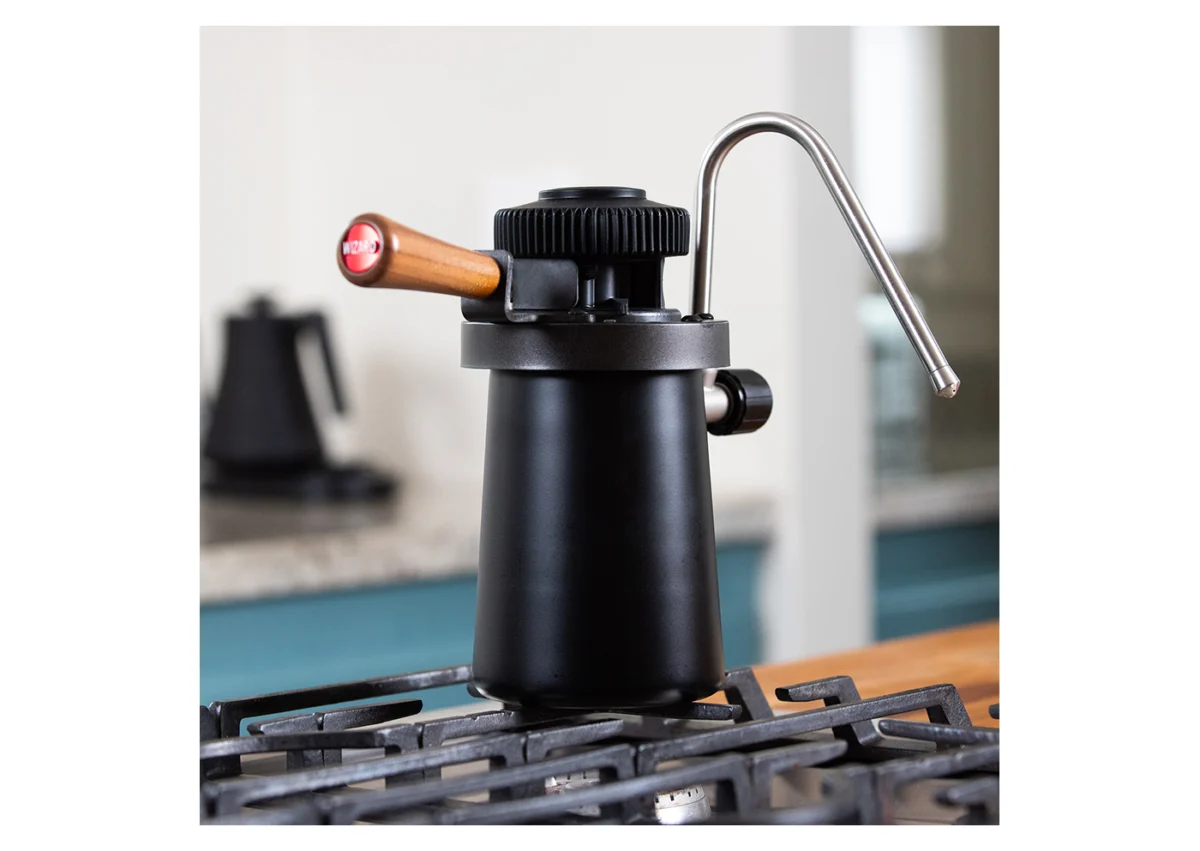
The global specialty coffee industry is entering a new era of technological refinement, characterized by an unprecedented surge in consumer demand for professional-grade equipment in home environments. To address the increasing complexity of the equipment market, the coffee publication Sprudge has officially inaugurated its 2026 Coffee Gear initiative, a curated weekly program designed to spotlight engineering excellence and design innovation from both legacy manufacturers and emerging boutique brands. This initiative arrives at a critical juncture for the industry, as the global espresso machine market is projected to expand significantly by 2030, driven by advancements in thermal stability, digital integration, and ergonomic workflow optimization.

The Shift Toward Integrated Workflow Solutions
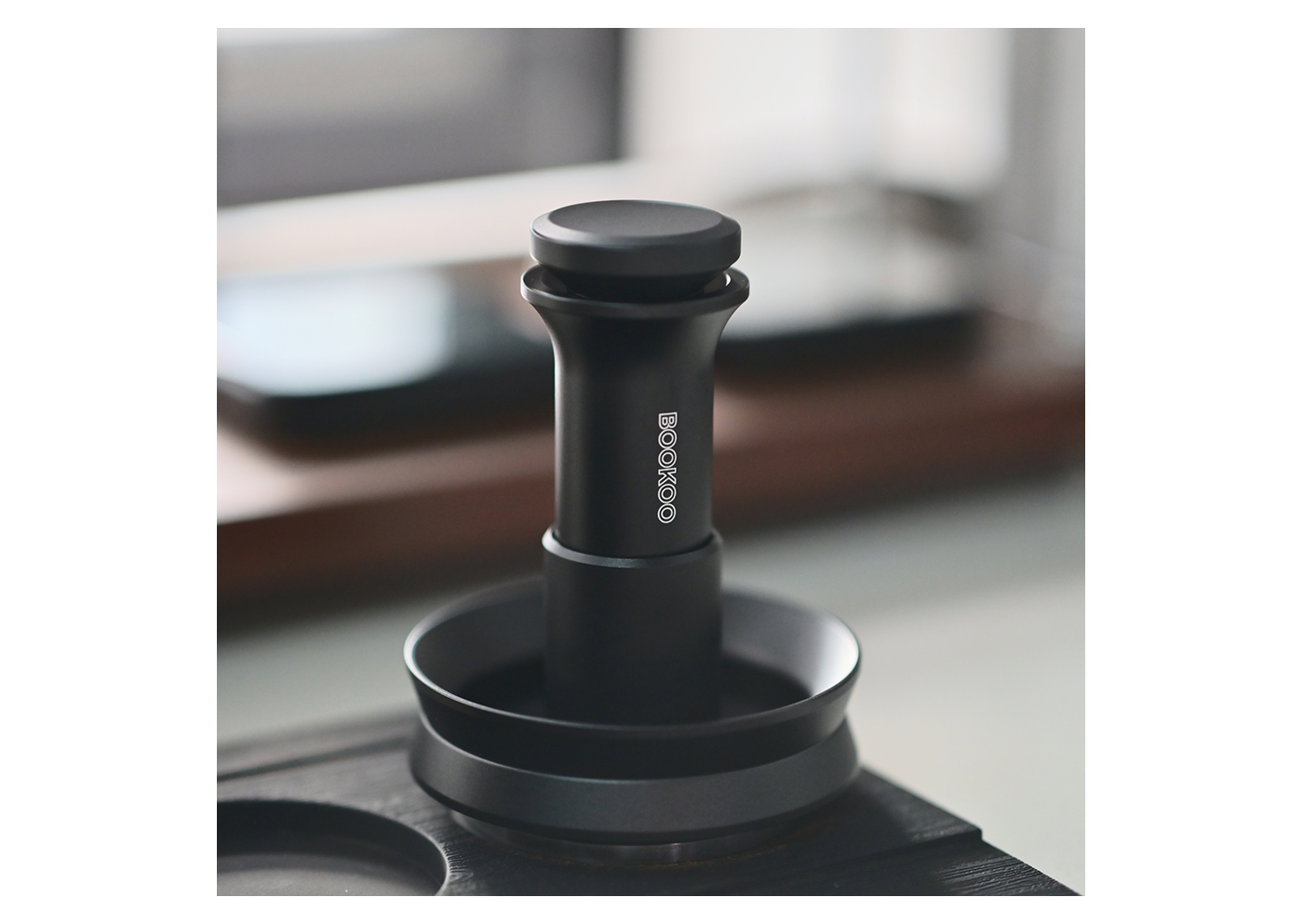
One of the primary trends observed in the 2026 equipment landscape is the consolidation of "puck preparation" tools. Historically, the preparation of an espresso puck required multiple disparate instruments: a Weiss Distribution Technique (WDT) tool for declumping, a dosing ring to prevent waste, and a tamper for compression. The introduction of the BOOKOO Puckgo 3-in-1 Impact Tamper represents a significant move toward workflow integration. By utilizing a magnetic system that houses retractable WDT needles and a dosing ring within a patented impact tamper, the device aims to eliminate human error and mechanical tilt during the tamping process.
Industry analysts note that such integrated tools are a response to the "prosumer" market’s desire for consistency. In a commercial setting, a barista might perform these actions hundreds of times a day, developing muscle memory; however, the home enthusiast often struggles with level tamping. The Puckgo’s impact mechanism delivers a stable, vertical force, ensuring that the water resistance remains uniform across the coffee bed, thereby preventing "channeling"—a common extraction flaw where water finds the path of least resistance through the coffee.

Atmospheric Modulation and Aromatic Preservation
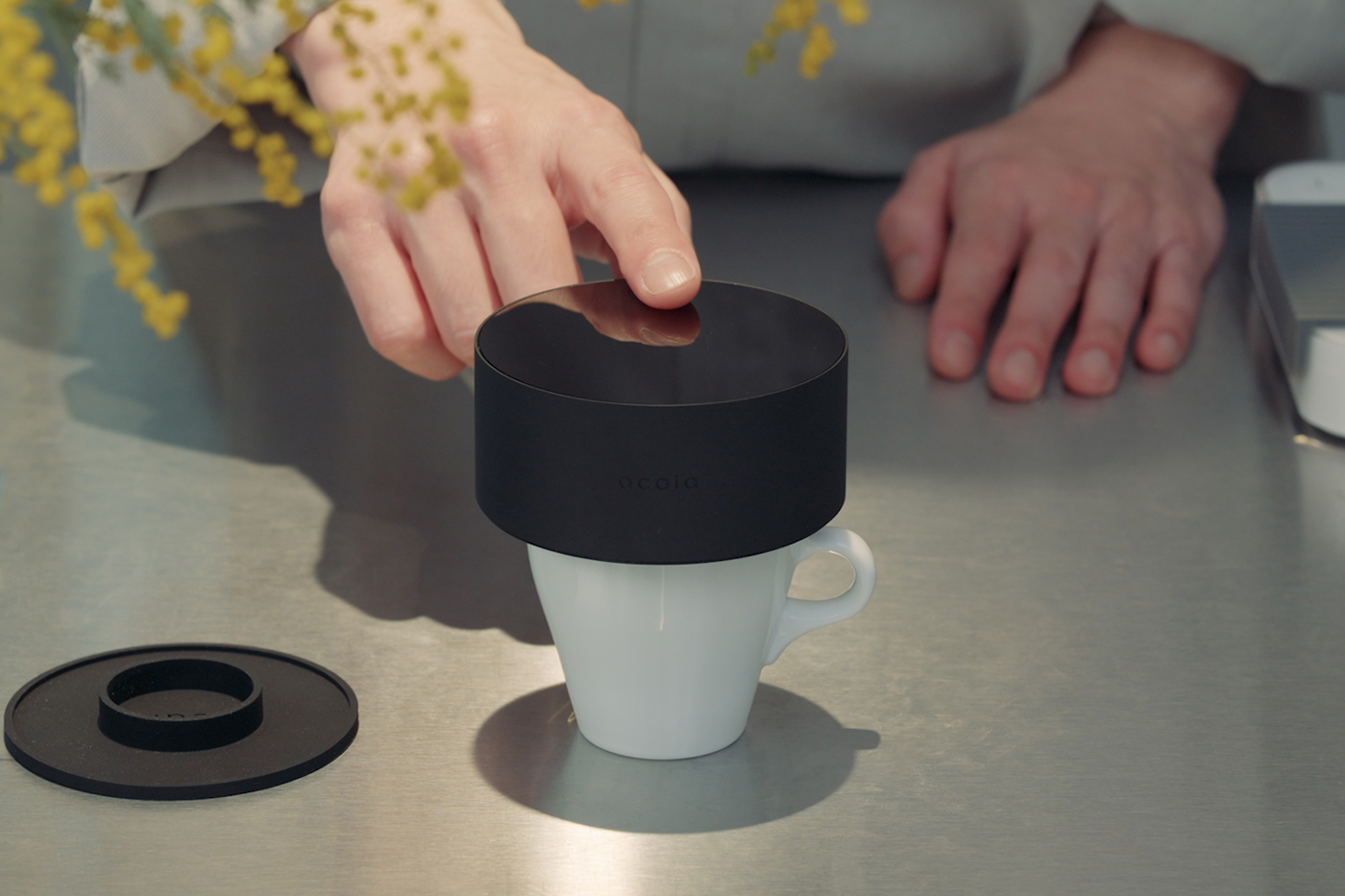
Perhaps the most technologically ambitious entry in the 2026 lineup is the Acaia Horizon, a post-extraction pressure modulator developed in collaboration with Mathieu Theis, the multi-time Swiss Barista Champion. While much of the industry’s focus over the last decade has been on the extraction phase—specifically temperature and pressure profiling—the Horizon shifts the focus to the post-brew environment.
The device is designed to manipulate the atmosphere within the serving vessel, specifically targeting the removal of excess oxygen and carbon dioxide. From a chemical perspective, the presence of carbon dioxide can sometimes mask more delicate volatile aromatics. By modulating the pressure and atmospheric composition immediately after the coffee is brewed, the Horizon claims to intensify clarity and sweetness. This technology debuted to significant interest at the World of Coffee event in San Diego, signaling a new frontier where the "resting" and "serving" phases of coffee are treated with the same scientific rigor as the brewing phase itself.
Specialized Grinding and Varietal-Specific Burrs
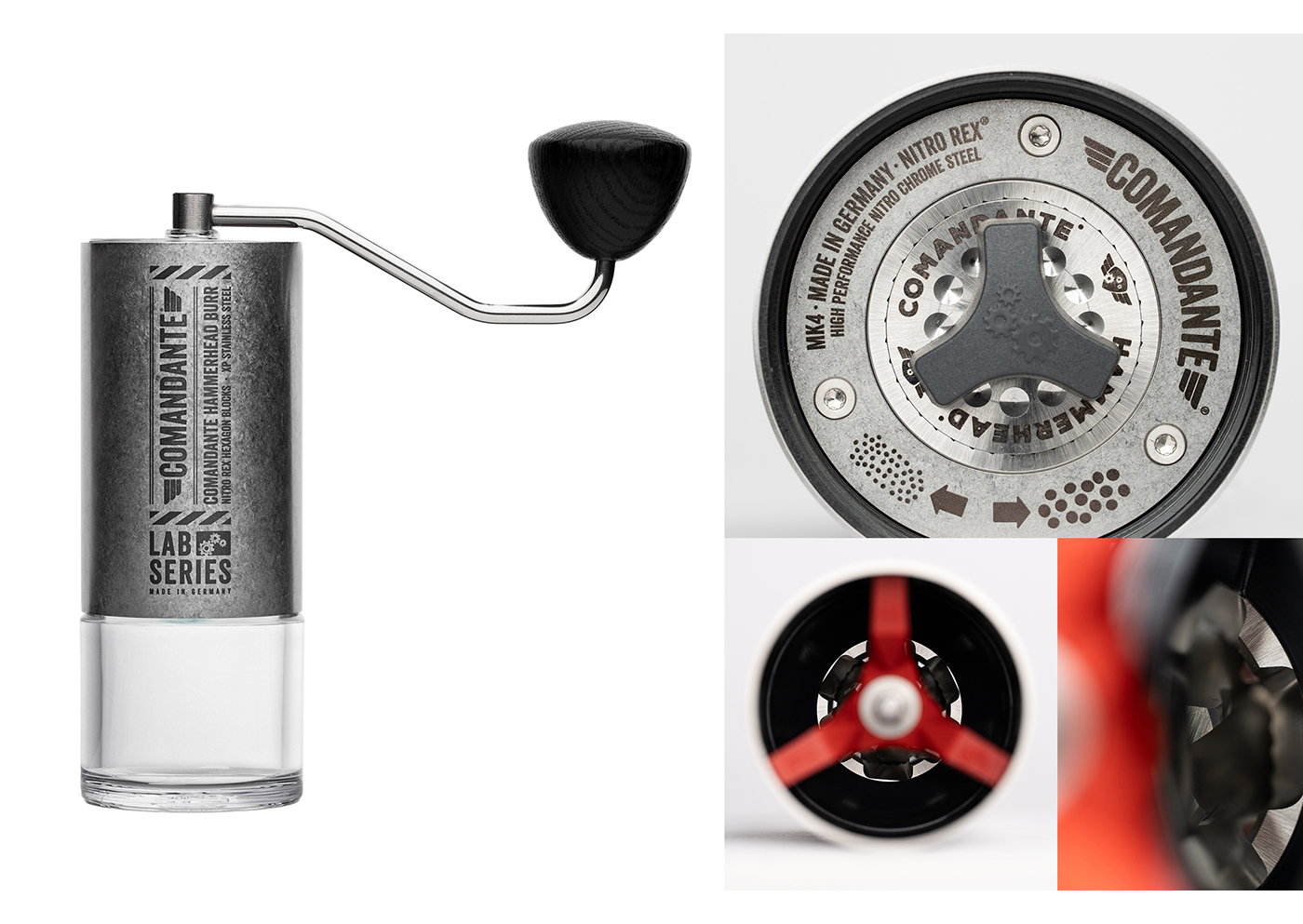
The 2026 initiative also highlights a shift in grinding technology through the Comandante C40 Lab Series Hammerhead. Grinder manufacturers have traditionally sought "all-purpose" burr geometries capable of handling everything from coarse French press to fine espresso. However, the Hammerhead burr represents a pivot toward hyper-specialization. Developed by Comandante founder Bernd Braune, this burr set is specifically tailored for the Yellow Pacamara variety.
Pacamara beans, a hybrid of Pacas and Maragogype, are known for their exceptionally large size and unique density. Standard burr geometries can sometimes struggle to fracture these larger beans uniformly, leading to a wider particle size distribution. The Hammerhead geometry is engineered to handle the physical dimensions and cellular structure of these specific beans, aiming to unlock the full-bodied sweetness and fruit-forward complexity for which the variety is prized. This move suggests that the future of high-end grinding may involve interchangeable burr sets optimized for specific coffee cultivars or processing methods.
The Evolution of the Home Espresso Machine
The domestic espresso market continues to be dominated by the legacy of the La Marzocco Linea series. While the Linea Mini revolutionized the home market in 2015, the 2026 initiative emphasizes the continued relevance of the Linea Micra, which was introduced to bridge the gap between entry-level home machines and commercial-grade hardware.
The Linea Micra maintains the authentic Florentine design language of its predecessors but scales the footprint down for the modern kitchen. Despite its smaller size, the machine utilizes a dual-boiler system and Proportional-Integral-Derivative (PID) temperature control, allowing for the thermal stability required to replicate café-quality results. Market data suggests that the "Micra" segment—high-cost, high-performance compact machines—is the fastest-growing sector in the European and North American coffee hardware markets, as consumers prioritize longevity and brand heritage over cheaper, disposable alternatives.
Innovations in Milk Texturing and Latte Art
The demand for high-quality milk-based beverages has spurred innovation in stovetop and manual tools. The Flair Wizard, a stovetop milk steamer, addresses a common pain point for manual espresso enthusiasts: the lack of a steam wand. By utilizing a "cool touch" wand and a boiler compatible with induction and gas heat sources, the Wizard provides professional-grade dry steam without the need for a multi-thousand-dollar espresso machine.
Simultaneously, the art of milk pouring has seen a specialized advancement with the release of the Slow Pour Supply Kimera. Designed by Anita Tam, the Kimera is a handleless, tri-spout pitcher system. The inclusion of three different spout shapes—round, narrow, and high-precision tapered—allows baristas to execute complex "drag and draw" patterns with a single tool. This level of specialization highlights the maturity of the global latte art community, where the physics of fluid dynamics and spout geometry are now analyzed with extreme precision.
Sustainability and Minimalist Brewing Design
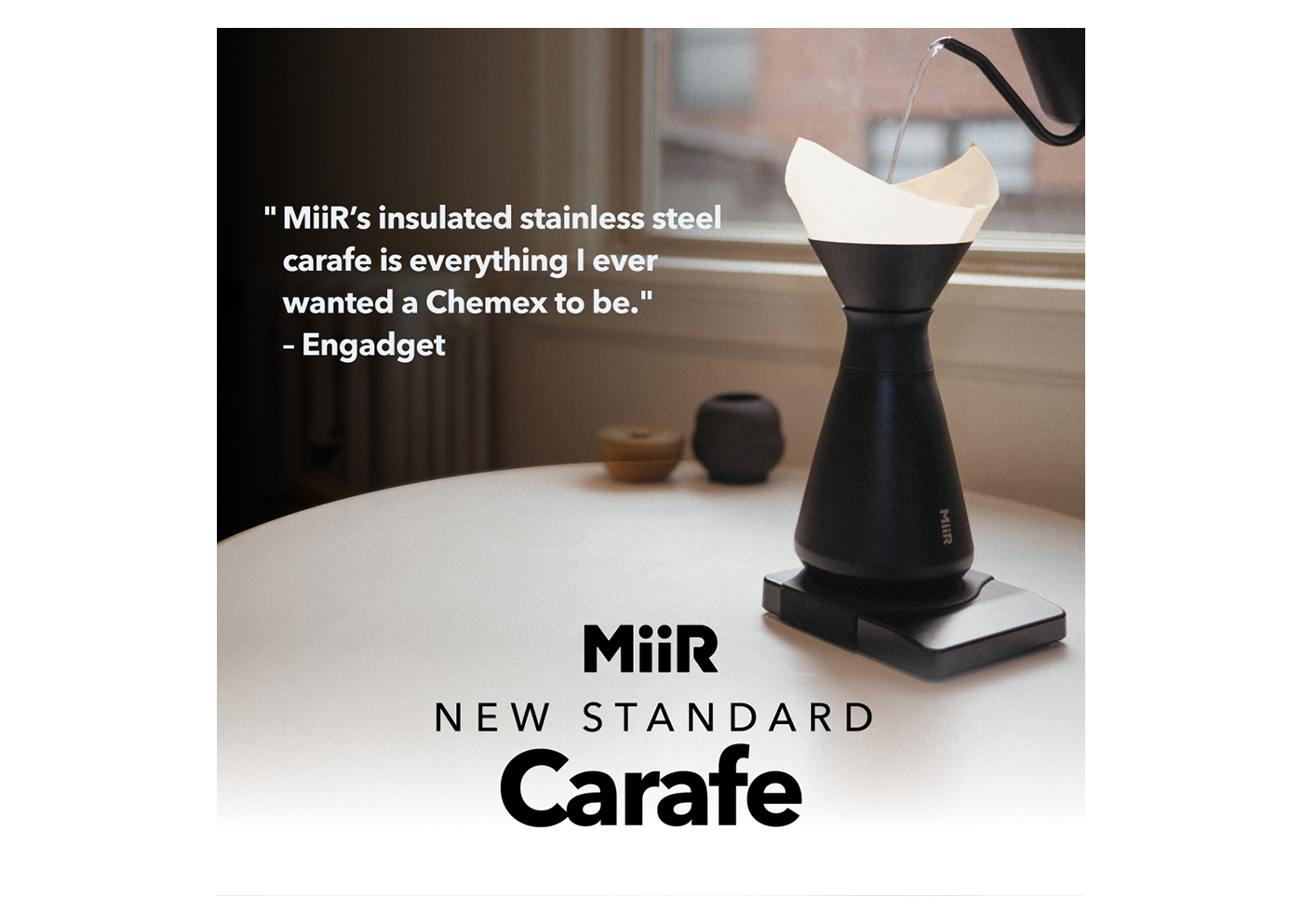
Sustainability remains a core pillar of the 2026 initiative, exemplified by the MiiR New Standard Carafe. As a B Corp-certified entity, MiiR focuses on the lifecycle of stainless steel products. The New Standard Carafe utilizes "Thermo 3D" double-wall vacuum insulation technology, which maintains beverage temperature for extended periods without the need for external heat sources. This focus on thermal retention is coupled with a push for customization, allowing coffee roasters to brand equipment for their wholesale partners and retail customers across 70 countries.
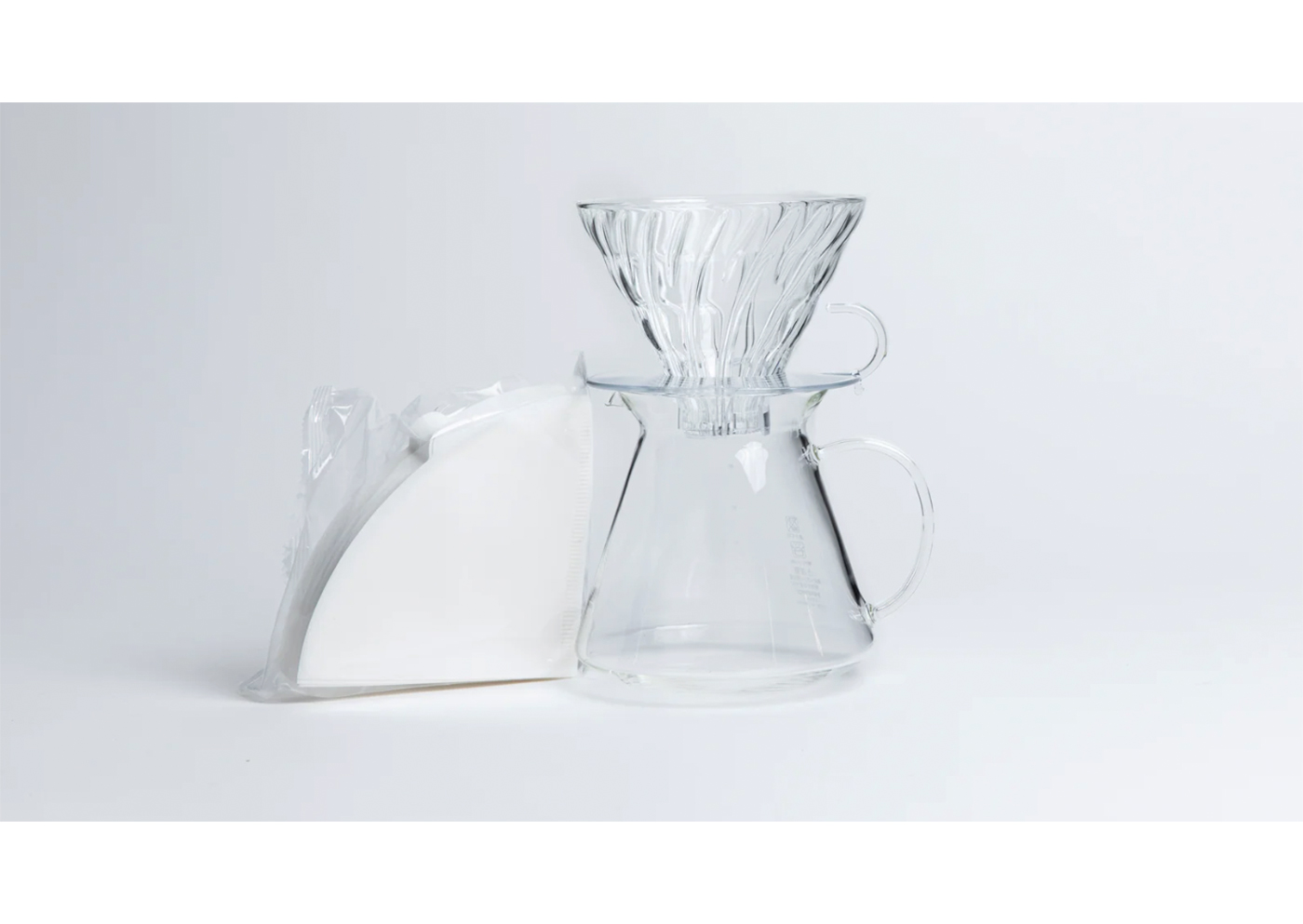
In the manual brewing sector, the Hario V60 "Simply" Glass Pour-Over Kit and the Verve Coffee Dwell Dripper reflect a return to minimalist aesthetics. The Dwell Dripper, designed by the California-based "third wave" pioneers at Verve Coffee, features a bottomless design and is constructed from BPA-free silicone. Its portability and ease of use are aimed at a demographic that values both travel-readiness and extraction consistency. The "bottomless" design is particularly notable as it minimizes the contact time between the brewed coffee and the dripper walls, potentially reducing heat loss and ensuring a cleaner exit for the extract.
Chronology of Development and Market Impact
The items featured in the 2026 Coffee Gear initiative represent a timeline of development that began in the post-pandemic era of 2022-2023, during which home coffee consumption reached record highs.
- Late 2023: La Marzocco releases the Linea Micra, setting a new standard for compact home espresso.
- 2024-2025: Acaia and Comandante begin field-testing atmospheric modulators and varietal-specific burrs at international barista competitions.
- Early 2026: Sprudge formalizes the weekly curation program to categorize and review the influx of "smart" and "precision" gear.
The broader implications of these developments are twofold. First, the barrier to entry for "perfect" coffee is lowering in terms of skill, thanks to tools like the Puckgo and Dwell Dripper, but the financial investment required for top-tier home setups is increasing. Second, the industry is seeing a "scientific turn" where the physical properties of the coffee bean (size, variety, gas content) are dictating the engineering of the hardware.

Industry Response and Future Outlook
Official responses from manufacturers suggest a commitment to durability and user-centric design. A spokesperson for Acaia noted that the Horizon was developed not just for competition baristas, but for any consumer looking to "unlock the hidden potential of high-altitude Arabica." Similarly, the team at Verve Coffee emphasized that the Dwell Dripper was born out of a desire to make "high-end brewing accessible to the non-expert."
As 2026 progresses, the coffee gear market is expected to continue its trajectory toward automation and precision. The integration of sensors to monitor extraction in real-time and the use of sustainable materials like recycled silicone and carbon-neutral steel are likely to be the next milestones. For now, the Sprudge Coffee Gear initiative serves as a vital barometer for an industry that is no longer content with "good enough," striving instead for a level of precision that was once reserved only for laboratory settings. This evolution ensures that whether in a professional laboratory or a home kitchen, the pursuit of the perfect cup remains a rigorous, technologically-driven endeavor.