Cintya Tara Annisa
The specialty coffee industry is currently undergoing a significant paradigm shift as producers and roasters begin to address the physiological impact of caffeine with the same rigor previously reserved for flavor profiles and sourcing ethics. For decades, the coffee sector has operated under a tacit "don’t ask, don’t tell" policy regarding caffeine levels, treating the beverage’s primary stimulant as an incidental byproduct rather than a potent psychoactive drug. However, a confluence of new health data, the ubiquity of wearable biometric technology, and a growing consumer focus on "sleep hygiene" is forcing a reevaluation of how caffeine is marketed, measured, and consumed. This movement, characterized by the emergence of "caffeine modulation" products, suggests that the future of specialty coffee may lie not just in high-voltage energy, but in the precise control of stimulant intake to preserve human circadian rhythms.
The Historical Context of Caffeine Neglect
Historically, the specialty coffee industry has maintained a complicated relationship with decaffeinated and low-caffeine options. In the early 2000s and 2010s, decaf was frequently treated as a secondary concern within the cafe environment. Professional baristas often reported that decaf espresso grinders were rarely "dialed in" for optimal extraction, and batch-brewed decaf was known to sit in thermal carafes far longer than its caffeinated counterparts. The process of creating a "half-caff" drink—a mixture of caffeinated and decaffeinated beans—was often an imprecise exercise, lacking the scientific precision applied to single-origin light roasts.

This systemic neglect was rooted in a cultural stigma within the "Third Wave" coffee movement, which prioritized the culinary complexity of the bean. Because the caffeine-removal process was seen by some as a compromise to the bean’s structural integrity and flavor potential, the stimulant itself became a taboo subject. Professionals in the industry, including cuppers and quality control experts, developed personal workarounds to manage their own high intake—such as the practice of "spitting" during tasting sessions or utilizing supplements like L-theanine to counteract jitters—yet the consumer-facing dialogue remained largely silent on the issue of dosage.
The Catalyst: Data-Driven Wellness and the Sleep Crisis
The shift toward caffeine transparency has been accelerated by the "quantified self" movement. The widespread adoption of wearables, such as the Oura ring, Whoop strap, and Apple Watch, has provided consumers with unprecedented access to their own biological data. Users are now able to see a direct, numerical correlation between their afternoon espresso and a subsequent decline in "sleep scores" or "recovery metrics."
According to data from the Centers for Disease Control and Prevention (CDC), approximately 36% of adults in the United States do not receive the recommended amount of sleep. As public awareness of sleep’s role in cognitive function and long-term health has grown—a trend often referred to in wellness circles as "sleepmaxxing"—the role of caffeine as a disruptor has come under intense scrutiny.
Scientific research highlights two primary factors in this disruption: the half-life of caffeine and its impact on hormonal cycles. The average half-life of caffeine in a healthy adult is approximately five hours. This means that if a consumer ingests 200mg of caffeine at 4:00 PM, 100mg remains in their bloodstream at 9:00 PM, and 50mg is still present at 2:00 AM. Furthermore, caffeine consumption influences the production of cortisol (the stress hormone) and interferes with the natural release of melatonin, the hormone responsible for signaling the body to prepare for sleep.
The Rise of Programmatic Caffeine Modulation
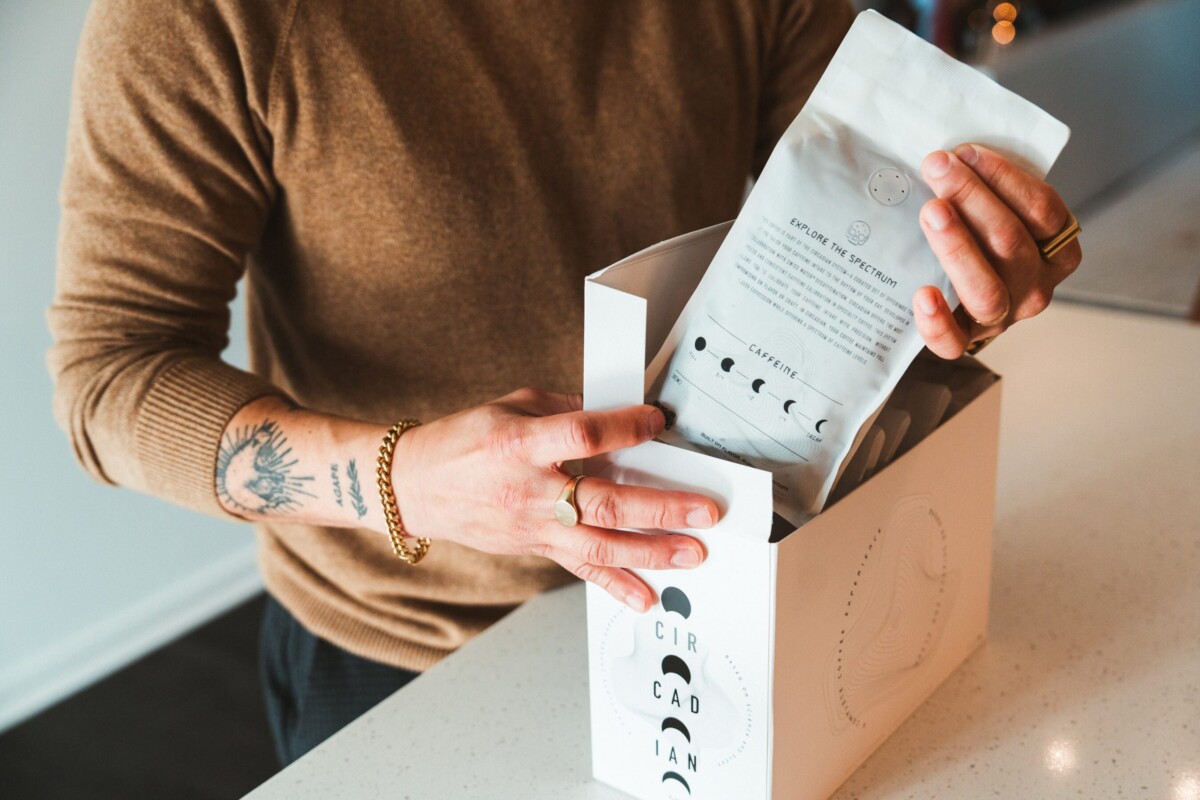
In response to these physiological realities, industry leaders are introducing products designed to "taper" caffeine intake throughout the day. Leading this charge is Onyx Coffee Lab with its "Circadian" box set. The concept, developed by co-founder Jon Allen, was born from a personal effort to manage chronic insomnia without sacrificing the ritual of coffee consumption. The Circadian series utilizes partially caffeinated blends to allow users to descend from "big spikes" of energy in the morning to "soft, rolling hills" in the afternoon.
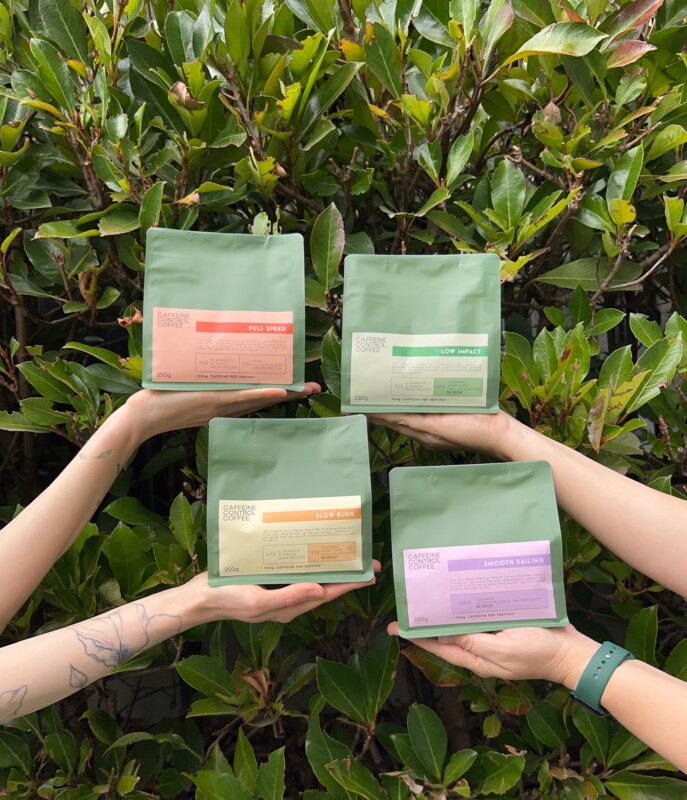
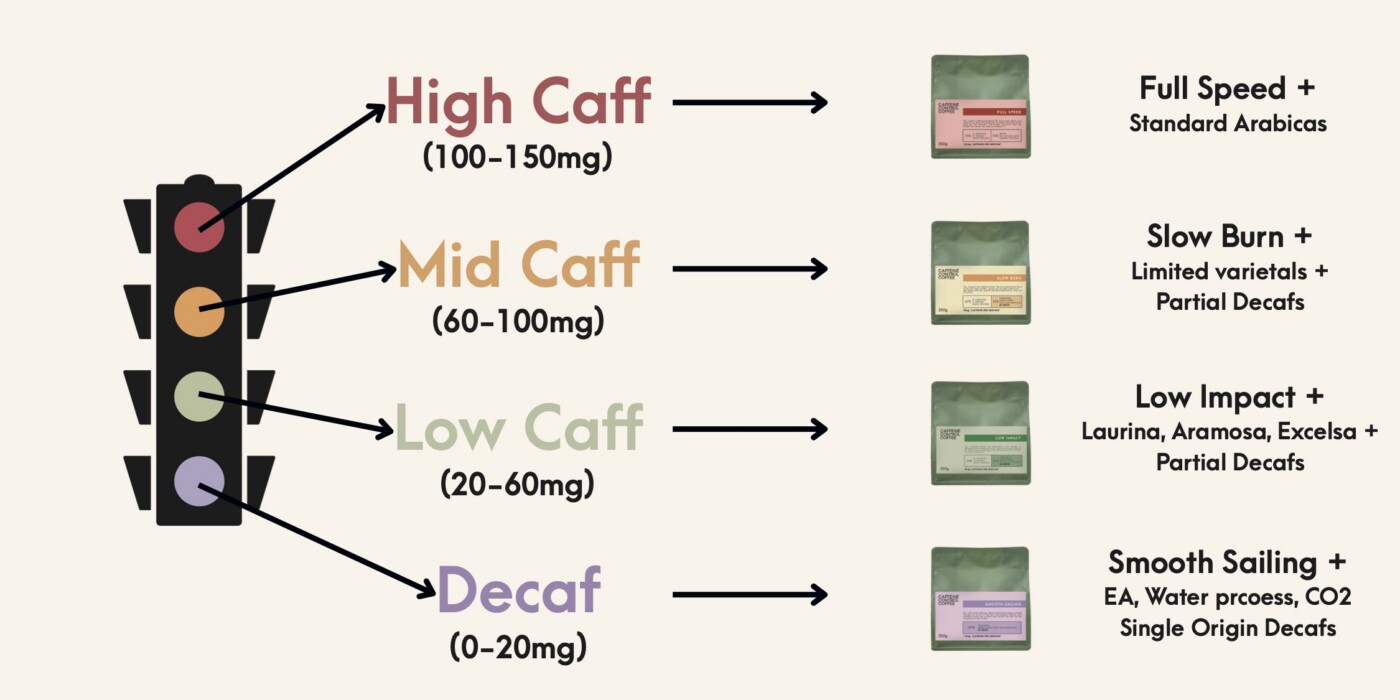
Similarly, Caffeine Control, a venture founded by 2013 World Barista Champion Pete Licata and coffee professional Maria Licata, offers a systematic approach to caffeine management. Based in Australia, the company provides a diagnostic quiz that assesses an individual’s caffeine sensitivity and metabolism. Based on these results, consumers are directed toward specific products, such as "Full Speed" (fully caffeinated) for morning use or "Slow Burn" (one-third decaf) for later in the day.
A key component of the Caffeine Control model is the "tolerance reset" program. This four-week plan involves a gradual reduction in caffeine dosage, designed to help consumers reset their adenosine receptors without the severe withdrawal symptoms—such as headaches and lethargy—that typically accompany "cold turkey" cessation. This programmatic approach treats caffeine as a substance that requires active management, moving the industry closer to the standards seen in the pharmaceutical or nutritional supplement sectors.
Technical Challenges in Measurement and Brewing
One of the primary obstacles to caffeine transparency is the inherent variability of the product. Unlike a standard 12-ounce can of soda, which contains a fixed amount of caffeine, the stimulant levels in a cup of coffee are influenced by numerous variables.
Erin Reed, Director of Marketing at Swiss Water Decaf, notes that the brew method is a critical factor. For instance, the prolonged contact time in a French press or cold brew can result in higher caffeine extraction compared to a rapid espresso shot. Furthermore, the botanical variety of the bean plays a role; Robusta beans typically contain nearly double the caffeine of Arabica beans.
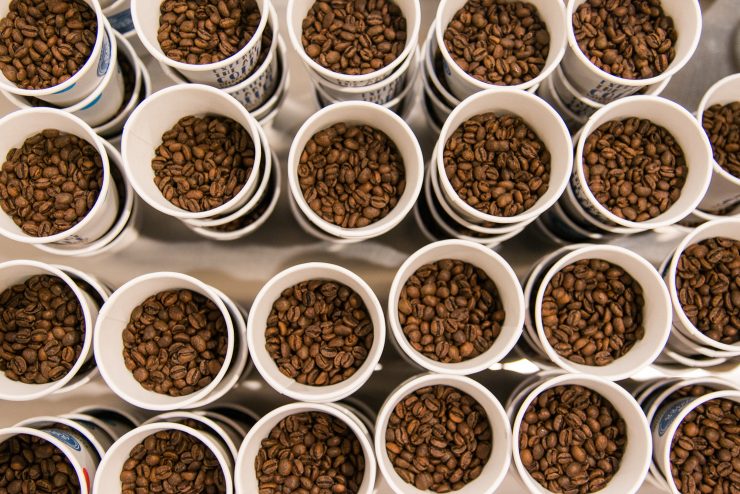
To address this, companies like Onyx and Caffeine Control have begun utilizing caffeine meters to routinely check the levels in their blends. This ensures that a "25% caffeinated" blend actually adheres to that metric. However, for the average consumer, tracking intake remains difficult due to confusing serving sizes. While many health studies cite a "cup" of coffee as 4.5 to 5 ounces, the standard American serving size is often 12 to 16 ounces, leading consumers to underestimate their actual caffeine intake by as much as 30% to 40%.
Comparative Analysis: Coffee vs. The Alcohol Industry
Industry experts frequently point to the alcohol industry as a model for what caffeine modulation could look like. In the worlds of craft beer and fine wine, the "Alcohol by Volume" (ABV) is a primary and expected piece of data on every label. Consumers use this information to make informed decisions about their level of intoxication and their ability to function the following day.
Jon Allen of Onyx Coffee Lab argues that the coffee industry’s resistance to similar modulation is a form of hypocrisy. "The other industries have long been adjusting alcohol percentage and ABV," Allen states. "Coffee is one of the very few that has negative connotations based upon what we modulate." He suggests that if specialty coffee is to be truly viewed as a culinary product, the focus should be on flavor and quality, regardless of the stimulant level. The "attack" on low-caffeine or decaffeinated beverages as being "low quality" is increasingly seen as an outdated perspective that ignores consumer health needs.
Broader Implications for the Global Coffee Market
The move toward caffeine literacy is expected to have several long-term implications for the global coffee market:
- Innovation in Decaffeination: As demand for high-quality low-caf and decaf grows, companies like Swiss Water are seeing increased interest from specialty roasters. This is driving innovation in chemical-free decaffeination processes that better preserve the volatile aromatic compounds of high-end beans.
- Shift in Cafe Menus: Future cafe menus may move away from the binary "Caff/Decaf" choice in favor of a spectrum of options, potentially listing estimated milligram counts for various brew methods.
- Consumer Education: There is a growing need for "caffeine literacy" programs. Just as consumers learned to distinguish between different roast levels or origins in the 2010s, the 2020s may be defined by an understanding of how caffeine interacts with individual genetics and health conditions.
- Integration with Health Tech: We may see more integration between coffee brands and health apps, where a consumer’s morning "smart coffee" purchase is automatically logged into their health tracking software to predict its impact on their nightly sleep.
Conclusion
The specialty coffee industry is at a crossroads. For years, the "energy" provided by coffee was its most marketable feature, often overshadowing the potential health downsides of overconsumption. Today, as consumers become more protective of their sleep and mental well-being, the industry is being forced to grow up. By embracing caffeine modulation and providing transparent data, coffee professionals are not just selling a drink; they are helping consumers manage a complex biological relationship with a powerful drug. This proactive approach, championed by leaders like Onyx, Caffeine Control, and Swiss Water, suggests a future where the "perfect cup" is defined not just by its flavor, but by how well it fits into a healthy, balanced lifestyle.