Reynand Holland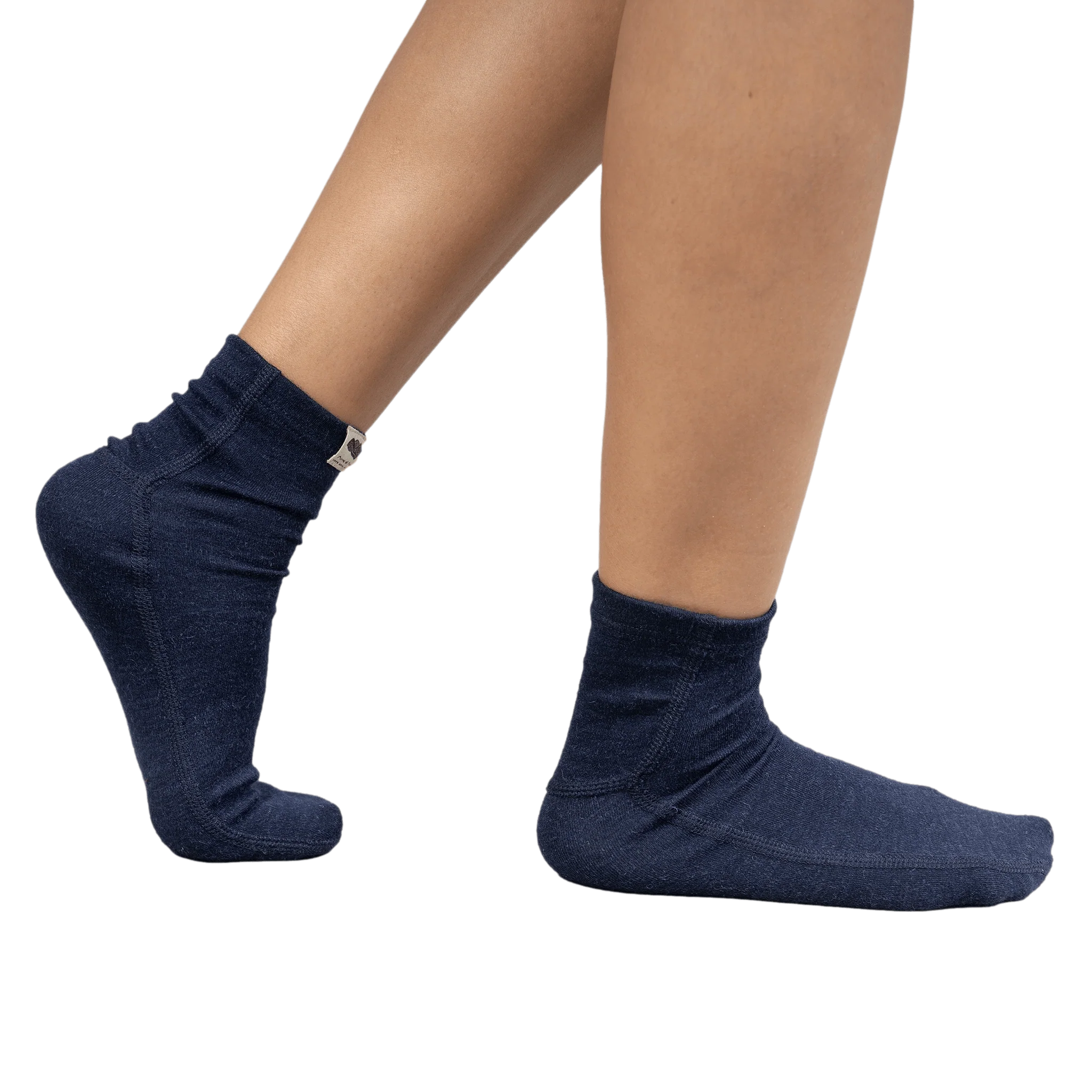
Socks, often overlooked as a minor wardrobe staple, play a surprisingly significant role in our daily comfort and, more importantly, our health. For individuals experiencing skin irritation, itchiness, or allergic reactions, the culprit might be lurking within their footwear. The synthetic materials and harsh dyes commonly found in conventional socks can lead to a cascade of discomfort and potential health risks, prompting a growing demand for alternatives rooted in natural fibers and responsible manufacturing. This shift underscores a broader consumer awakening to the impact of everyday products on personal well-being and environmental sustainability.
The Unseen Chemical Landscape of Synthetic Socks
The seemingly innocuous nature of synthetic socks belies a complex chemical composition that can negatively affect the skin. Many colorful, mass-produced socks rely on polyester and other plastic-based materials. These synthetics are not only prone to trapping odors, leading to unpleasant foot hygiene issues, but they also serve as carriers for potentially harmful dyes. Specifically, azo-benzene disperse dyes, frequently used on polyester, have been identified as significant skin sensitizers. This means they can trigger allergic contact dermatitis, characterized by redness, itching, and inflammation upon direct contact with the skin.
Beyond immediate skin reactions, the absorption of these dyes through the skin poses more serious concerns. Scientific research has linked certain azo dyes to carcinogenic properties when absorbed into the body. This risk is particularly amplified in the case of socks, as the porous nature of the fabric, combined with body heat and perspiration, facilitates the migration of chemicals from the sock fibers to the skin. This creates a direct pathway for absorption, making the choice of sock material and dye a critical factor in long-term health considerations. The U.S. Environmental Protection Agency (EPA) has documented the potential health effects of various textile chemicals, highlighting the need for transparency and caution in the production and selection of clothing items that have prolonged skin contact.
The Rise of Conscious Comfort: Natural Fibers and Non-Toxic Dyes
Fortunately, the market is responding to these concerns with an increasing array of socks crafted from natural, skin-friendly materials and dyed with non-toxic alternatives. The movement towards "conscious comfort" emphasizes not only personal well-being but also ethical production practices and environmental responsibility. This evolution in the hosiery industry is driven by a desire for products that are safe for the wearer, gentle on the planet, and produced under fair labor conditions.
Prioritizing Natural Materials for Sensitive Skin
For individuals with particularly sensitive skin or existing dermatological conditions, the transition to 100% natural fiber socks is paramount. While the inclusion of a small percentage of synthetics like elastane is common for stretch and durability, finding truly synthetic-free options can be challenging. Brands like Cottonique and Arms of Andes have successfully produced socks entirely from natural fibers, offering a rare and valuable choice for those with extreme sensitivities.
Beyond these entirely synthetic-free offerings, most brands incorporate a minimal amount of synthetics. It is generally understood that blends containing less than 20% synthetics are unlikely to cause significant irritation for most individuals. However, for those seeking the purest form of natural comfort, focusing on brands that explicitly state their synthetic content or highlight their commitment to minimal or no synthetics is advisable.
Merino and Alpaca Wool: These natural fibers stand out for their exceptional properties. Merino wool, known for its fine, soft texture, is naturally odor-resistant and highly effective at wicking away moisture. This dual action helps keep feet dry and fresh, reducing the likelihood of bacterial growth and associated odors. Alpaca wool shares these benefits, offering remarkable warmth and durability. When selecting wool socks, looking for certifications like the Responsible Wool Standard (RWS) is crucial. The RWS ensures that the wool is sourced ethically, prohibiting painful practices such as mulesing, a procedure where skin is removed from sheep to prevent parasitic infections. The global wool production, according to the International Wool Textile Organisation, is a multi-billion dollar industry, and ethical sourcing practices are becoming increasingly important to consumers.
Organic Cotton: Organic cotton offers a breathable and comfortable alternative. Unlike conventional cotton, it is grown without synthetic pesticides, herbicides, or genetically modified seeds, making it a safer choice for both the skin and the environment. The global organic cotton market is expanding, with reports indicating significant growth driven by consumer demand for sustainable and chemical-free textiles. Certifications like the Global Organic Textile Standard (GOTS) provide assurance of organic status and responsible processing.
Other Natural Fibers: Tencel, derived from sustainably sourced wood pulp, is celebrated for its softness, breathability, and moisture-wicking capabilities. Linen, known for its durability and cooling properties, is another excellent natural option, particularly for warmer climates. Bamboo viscose, while requiring careful sourcing to ensure environmentally sound processing, can also offer a soft and breathable feel. When these fibers are blended, opting for a majority of natural content is recommended for those with sensitivities.
The Importance of Non-Toxic Dyes and Finishes
The impact of dyes on skin sensitivity cannot be overstated. Many brands are now offering undyed socks, allowing the natural colors of the fibers to shine. This approach eliminates the risk associated with any dyeing process. For socks that are dyed, seeking out certifications like Oeko-Tex and bluesign is essential.
Oeko-Tex: This independent testing and certification system for textile products ensures that the final product is free from harmful substances. The Oeko-Tex Standard 100, for instance, tests for a wide range of regulated and non-regulated substances that could be harmful to human health. According to Oeko-Tex, over 100,000 test items are tested annually across their certification systems, underscoring the breadth of their commitment to product safety.
bluesign: The bluesign system is a comprehensive approach that addresses the entire textile manufacturing process, aiming to eliminate harmful substances from the beginning. It focuses on responsible resource use, consumer safety, and minimizing environmental impact. The bluesign system partners with over 600 brands and manufacturers globally, signifying its widespread adoption in the industry.
Brands that maintain a Restricted Substances List (RSL) also demonstrate a proactive commitment to chemical management, indicating their diligence in monitoring and controlling the use of hazardous chemicals throughout their supply chain.
Traceability and Ethical Supply Chains: Beyond the Product
The commitment to health and sustainability extends beyond the materials and dyes to the entire supply chain. Transparency in manufacturing is becoming a key differentiator for ethical brands. Consumers are increasingly demanding to know where and how their products are made.
Supply Chain Transparency: Brands that openly share information about their manufacturing partners, from raw material sourcing to final production, empower consumers to make informed choices. This visibility allows for scrutiny of labor practices, environmental impact, and overall ethical standards. Mapping supply chains is a complex undertaking, often involving multiple tiers of suppliers, but its importance in ensuring responsible production is undeniable.
Ethical Certifications: Several certifications provide a framework for evaluating ethical production:
- Fair Trade: This certification ensures that producers in developing countries receive fair wages and work under safe conditions, fostering economic empowerment and social equity.
- Worldwide Responsible Accredited Production (WRAP): WRAP is an independent, non-profit organization that promotes safe, lawful, humane, and ethical manufacturing around the world through its certification program.
- B Corporation (B Corp): Certified B Corps are businesses that meet the highest standards of verified social and environmental performance, public transparency, and legal accountability to balance profit and purpose. The B Corp movement is growing, with thousands of companies worldwide committing to this rigorous standard.
Sustainable Packaging: The Final Touch
Even the packaging of socks can contribute to environmental impact. Many brands are moving away from excessive plastic packaging towards more sustainable alternatives.
- Compostable and Biodegradable Packaging: These options break down naturally, reducing landfill waste.
- Recycled and Recyclable Materials: Utilizing materials that have been previously used or can be reprocessed further minimizes resource depletion.
- Forest Stewardship Council (FSC) Certification: For paper and cardboard packaging, FSC certification ensures that the wood comes from responsibly managed forests, protecting biodiversity and the rights of forest-dependent communities.
A Curated Selection of Health-Conscious Sock Brands
The following brands represent a commitment to natural materials, non-toxic dyes, ethical production, and sustainable practices, offering a diverse range of options for every need and style.
1. Harvest & Mill
- What we love: Harvest & Mill stands out for its commitment to dye-free, organic cotton socks, grown, spun, and knit entirely within the U.S. This domestic production model significantly shortens the supply chain, supporting local farmers and reducing transportation emissions. The brand also prioritizes waste reduction by repurposing or recycling all fabric scraps and utilizes compostable packaging.
- Our Review: A sensitive skin tester lauded the natural color and exceptional coziness of these dye-free socks. The crew-style socks provided ample ankle coverage and were noted for their comfort, with cuffs that didn’t constrict. Despite their thickness, they felt remarkably lightweight, offering a balance of warmth and wearability.
- Price Range: $11-$12 for single pairs, $33-$66 for multi-packs.
- Availability: Widely available internationally.
2. Subset (formerly Knickey)
- What we love: Brooklyn-based Subset, formerly known as Knickey, is a PFAS-free brand that offers Fair Trade and Oeko-Tex-certified organic cotton socks. Their cotton is sourced from an organic farm in India, where the entire production process—from ginning and spinning to dyeing and sewing—takes place. This integrated approach ensures greater control over quality and ethical standards.
- Our Review: A sensitive skin tester found these socks surprisingly thin, noting they might not be an everyday choice for her. However, she recognized their suitability for pairing with fitted shoes, describing them as a more "dressy" sock option. Importantly, the elastic in the cuff was well-embedded, preventing direct skin contact and any associated irritation.
- Watch out for: Subset’s socks contain approximately 24% synthetics.
- Price Range: Around $12 per pair.
- Availability: U.S., Australia, Canada, and most European countries.
3. Paka
- What we love: Paka, a certified B Corp, crafts durable yet lightweight socks primarily from alpaca wool and Tencel. These socks are inherently moisture-wicking and odor-resistant, making them ideal for active lifestyles. They are dyed using Oeko-Tex-certified dyes and spun by skilled Peruvian artisans. Paka’s commitment to sustainability extends to its biodegradable and compostable packaging.
- Our Review: This brand received high praise from a sensitive skin tester, who found the socks exceptionally warm and perfect for keeping chronically cold feet comfortable in any weather. They were particularly effective for winter hiking. While some mild itchiness was noted after extended wear, it was attributed to the natural texture of alpaca wool rather than a skin reaction. They are highly recommended for regions with harsh winters.
- Watch out for: Paka’s socks can contain up to 50% recycled synthetics.
- Price Range: $20-$24 for single pairs, $48-$96 for bundles.
- Availability: Worldwide.
4. Arms of Andes
- What we love: Arms of Andes is a notable brand for offering socks entirely free of synthetics. Their 100% alpaca fiber slipper socks are made from free-range alpacas. These Oeko-Tex-certified socks are designed to be lightweight yet provide excellent insulation. The brand fosters close relationships with co-op farmers in the Andes, overseeing the entire design and production process from sourcing to sewing. Their orders are shipped in compostable packaging.
- Price Range: $20-$25 for single pairs, $65 for packs.
- Availability: U.S., EU, and UK.
5. Cottonique
- What we love: Cottonique specializes in completely synthetic-free apparel, with a particular focus on 100% cotton, allergy-free options. Their socks are latex-free, bleach-free, and hypoallergenic, featuring covered seams to prevent irritation. The brand collaborates with dermatologists to ensure product safety for sensitive skin. They source organic cotton from India and manufacture in the Philippines, using compostable packaging.
- Price Range: $16 for single pairs of thigh-highs, $16-$21 for other sock types.
- Availability: Most countries.
6. Boody
- What we love: Based in Sydney, Boody offers a range of socks designed for various activities, from lounging to work. They utilize Oeko-Tex-certified organic bamboo viscose sourced from India, alongside organic cotton and recycled nylon. Boody adheres to a strict code of conduct and partners with WRAP-certified facilities in China, Vietnam, and India, ensuring ethical manufacturing practices.
- Price Range: $9.95-$17.95 for singles, $54 for bundles.
- Availability: U.S. and Canada.
7. Kotn
- What we love: Kotn, a certified B Corp, is dedicated to building direct trade relationships with cotton farmers in Egypt, ensuring fair prices and supporting local communities. Their socks are made from organic cotton and dyed with Oeko-Tex-certified dyes. The brand’s supply chain is fully traceable, and they utilize recycled and recyclable packaging.
- Our Review: These socks were described as fantastic, offering both a pleasant feel and a professional appearance that complements outfits well.
- Watch out for: Some Kotn sock pairs may contain up to 20% synthetics.
- Price Range: $10-$18 for single pairs.
- Availability: Most countries.
8. Quinn
- What we love: Quinn designs durable garments specifically for individuals with eczema. Their collection includes non-toxic, organic cotton socks in dye-free, lightweight, and mid-weight options. Designed in Canada, these socks are ethically produced in Oeko-Tex-certified factories in Portugal and Sri Lanka.
- Our Review: A tester found both the undyed cotton ankle socks and the mid-weight merino wool socks to be extremely comfortable and breathable. The ankle socks occasionally slipped, but the merino wool socks, featuring an extra-thick heel, provided exceptional warmth and coziness for both outdoor activities and indoor relaxation.
- Watch out for: While their cotton is GOTS-certified, the sourcing location is not always specified. Some pairs contain up to 20% synthetics.
- Price Range: $15 for singles up to $75 for packs.
- Availability: Most countries.
9. Cariloha
- What we love: This certified B Corp offers hypoallergenic socks crafted from bamboo viscose and organic cotton. Their bamboo is sourced from China and is Oeko-Tex and Fair Trade certified. Cariloha also uses FSC-certified paper for its packaging.
- Watch out for: The manufacturing location for Cariloha products is not always clearly stated.
- Price Range: $10-$15 for singles, $30-$45 for bundles.
- Availability: U.S., Australia, and Canada.
10. Dedicated
- What we love: Dedicated produces Fair Trade organic cotton socks featuring bold, eye-catching patterns. Their cotton suppliers are WRAP-certified, and the product pages provide specific manufacturing location details for each pair.
- Watch out for: Their socks typically contain up to 25% elastane.
- Price Range: $9-$59.
- Availability: Worldwide.
11. Darn Tough
- What we love: Manufactured in Vermont at family-owned mills, Darn Tough socks are renowned for their comfort and durability. They are made with RWS-certified merino wool and come in a wide array of fun and colorful designs. The company uses Oeko-Tex-certified materials and rigorously tests for hazardous substances. Their commitment to sustainability is evident in their use of FSC-certified recycled paper, compostable bags, and vegetable-based inks in packaging.
- Watch out for: Darn Tough socks can contain up to 50% synthetics.
- Price Range: $15-$35 for singles, up to $84 for packs.
- Availability: U.S., UK, and EU.
12. Nisolo
- What we love: Nisolo, a certified B Corp known for its leather goods, also offers a stylish and comfortable line of socks. These socks are produced in a family-owned mill in North Carolina using upcycled cotton, linen, wool, and recycled polyester. Nisolo is committed to supply chain traceability and ensuring living wages for all its workers. Their packaging is made from recycled materials.
- Watch out for: Nisolo socks can contain a significant amount of synthetics, up to 70%.
- Price Range: $15-$20 for single pairs.
- Availability: U.S., Australia, Canada, and most European countries.
13. Swedish Stockings
- What we love: Swedish Stockings offers knee-high and ankle socks in a variety of styles, including classic, supportive, and patterned designs. They are manufactured in Italy using Oeko-Tex-certified materials such as bamboo viscose, organic cotton, organic wool, recycled polyester, and both virgin and recycled elastane.
- Watch out for: Some of their fully synthetic sock options may not be suitable for those with extreme sensitivities.
- Price Range: $19 for ankle sock bundles, $22-$45 for single knee-highs, and $50-$90 for knee-high bundles.
- Availability: Most countries.
The increasing awareness surrounding the health implications of synthetic materials and chemical dyes in everyday textiles is driving a significant shift in consumer purchasing habits. By prioritizing natural fibers, non-toxic dyes, and transparent, ethical supply chains, consumers can make informed choices that benefit their personal health and contribute to a more sustainable and responsible fashion industry. The humble sock, once an afterthought, now stands as a potent symbol of this evolving consciousness, demonstrating that even the smallest wardrobe items can have a profound impact.