Indra Kusuma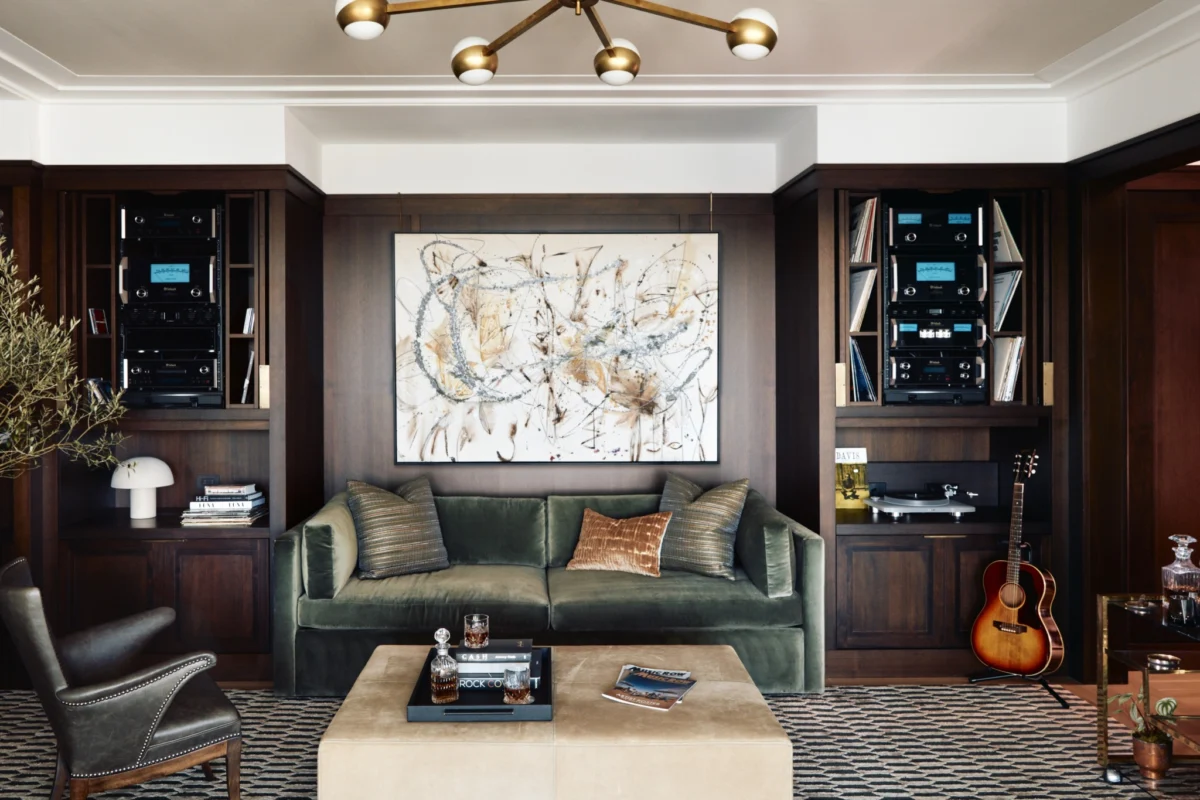
The contemporary architectural landscape is witnessing the rapid proliferation of a distinct spatial typology: the high-fidelity listening room. Once relegated to the basements of obsessive audiophiles or the highly specific context of Japanese jazz kissaten, these acoustically optimized sanctuaries have transitioned into the mainstream of urban design. Today, these environments—ranging from commercial hospitality venues to exclusive residential penthouses—are being reimagined as "meditative cocoons" where the primary objective is the communal, undistracted consumption of recorded music. This shift reflects a broader socio-cultural movement toward intentionality, where younger demographics are increasingly eschewing the high-stimulation, high-alcohol environments of traditional nightlife in favor of curated, sensory-focused experiences.
The Evolution and Chronology of the Listening Experience
The lineage of the modern listening room can be traced back to the post-war era in Japan. Following the devastation of World War II, many Japanese citizens lacked the disposable income to purchase high-end audio equipment or expansive record collections. In response, jazz kissa—small, intimate coffee shops—emerged. These venues were characterized by a singular focus: the owner’s high-quality sound system playing rare jazz records. Patrons were expected to sit quietly, prioritizing the music over conversation.

This cultural framework remained largely dormant in the Western hemisphere for decades, overshadowed by the rise of the stadium concert, the dance club, and eventually the portable, compressed audio of the MP3 era. However, the 2010s marked a turning point. As digital streaming commodified music, a reactionary movement favoring analog formats gained momentum. Vinyl sales have seen consistent year-over-year growth for nearly two decades, with the Recording Industry Association of America (RIAA) reporting that vinyl revenue reached $1.7 billion in 2023, the 17th consecutive year of growth. This market shift provided the economic and cultural scaffolding for the current architectural boom in listening-focused spaces.
The Intersection of Acoustics and Interior Design
The modern listening room is not merely a product of high-end consumer electronics; it is a complex intersection of physics, material science, and interior architecture. The design of these spaces requires a sophisticated approach to acoustic attenuation—the process of reducing the intensity of sound by absorption or dispersion.
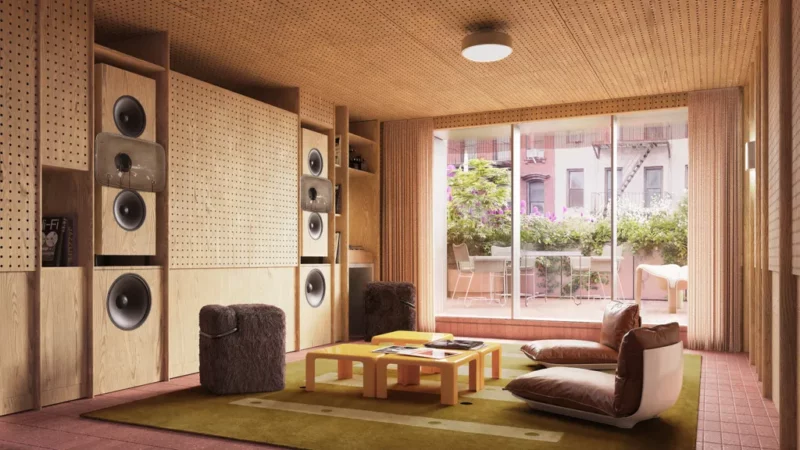
Designers are moving away from the "black box" aesthetic of traditional studios. Instead, they are integrating acoustic solutions into the aesthetic fabric of the room. This includes the use of micro-perforated wood paneling, acoustic cork wall treatments, and heavy, sound-absorbent textiles such as velvet and wool. These elements perform a dual function: they provide the necessary sound dampening to prevent unwanted echoes and standing waves while simultaneously contributing to a high-luxury visual palette.
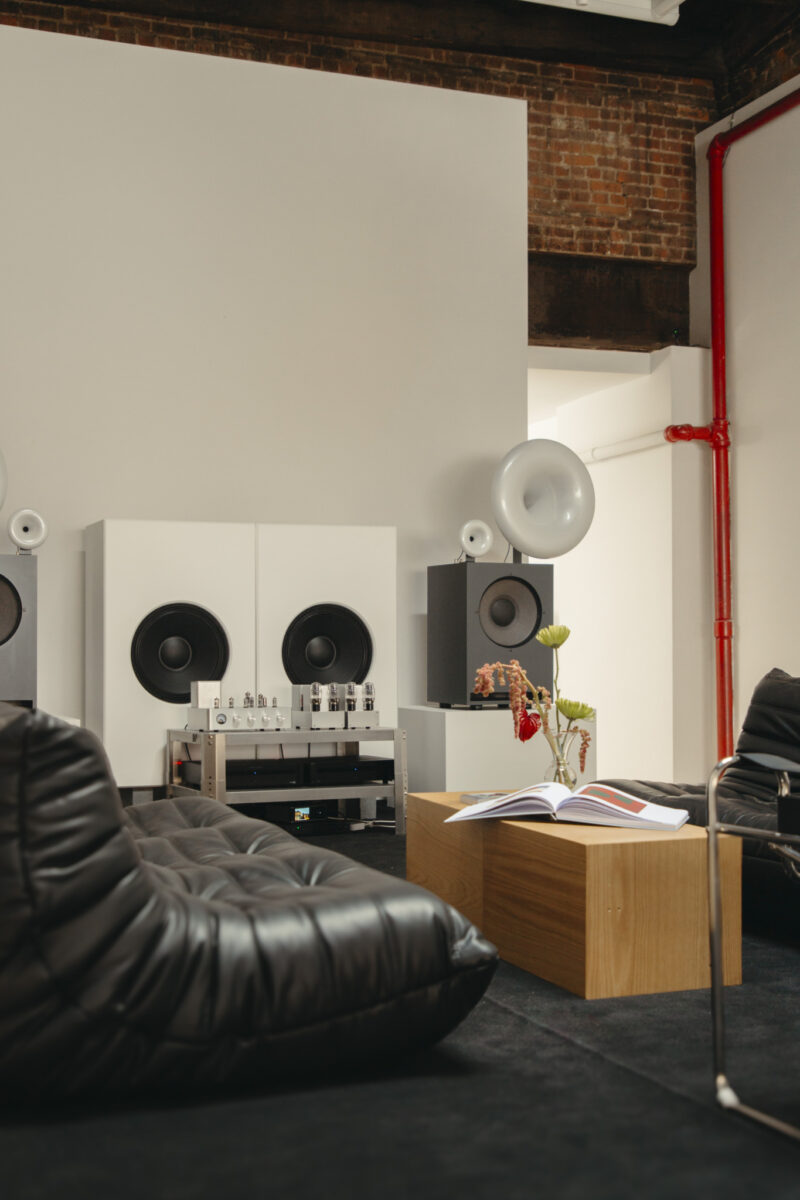
The challenge, according to architectural consultants, is the "seamless synthesis" of these requirements. In a standard hospitality space, the priority is usually capacity and flow; in a listening room, the priority is the listener’s position relative to the soundstage. This necessitates custom spatial planning where seating is deliberately arranged to create "sweet spots," and structural dividers—often realized as custom cabinetry—are used to isolate acoustic zones from ambient environmental noise.
Case Studies in Architectural Soundscapes
Several high-profile projects demonstrate the diversity of this typology, reflecting local architectural vernaculars while adhering to a shared acoustic standard.
SILENT MATTERS, New York City
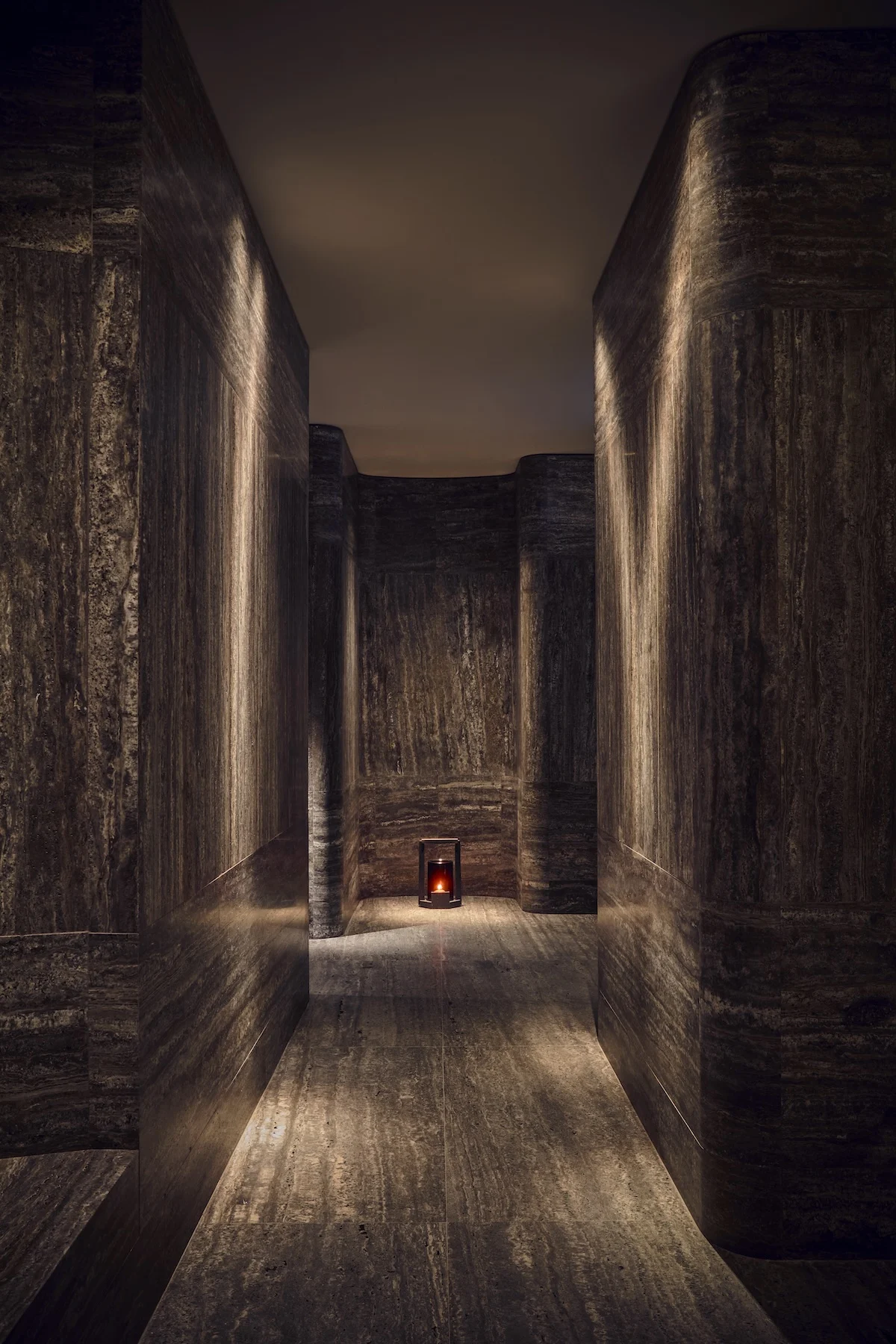
Located in the dense, noisy grid of Lower Manhattan, SILENT MATTERS serves as a case study in urban escapism. By utilizing concealed acoustic paneling hidden behind cream-toned plaster, the space achieves a sense of "quiet minimalism." The design relies on low-wattage lighting and tactile materials, such as oiled timber, to create an environment where the acoustic treatment is entirely invisible to the naked eye.
Stylus, Lower East Side
Scheduled for completion later this year, the Stylus project by O’Neill Rose Architects represents a collaborative model of development. The project involves a cross-disciplinary team including OJAS (analog sound systems), Amadeus Acoustics (spatial audio), and designer Sabine Marcelis. The project’s innovation lies in its "isolated reception buffer," a spatial design choice meant to insulate the inner sanctum from the Dimes Square nightlife. The use of perforated aluminum panels on the exterior suggests a rhythmic, musical quality to the building’s very skin.
ECHO Listening Bar, Rotterdam
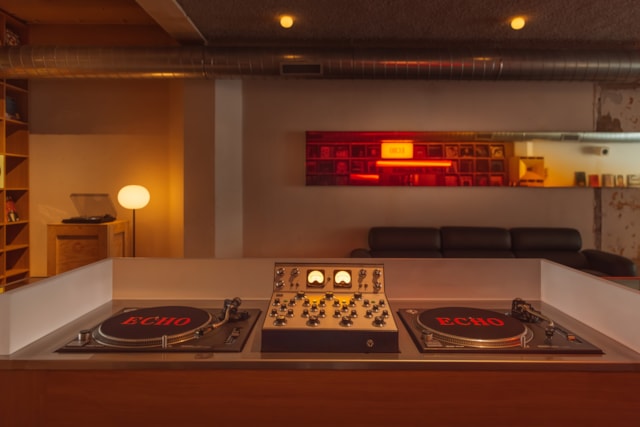
Reflecting the Dutch industrial aesthetic, ECHO utilizes raw, poured concrete contrasted with cork and brushed aluminum. Here, the speakers are not treated as accessories but as architectural components that dictate the flow of the room. This integration of technology into the structural build is a hallmark of current high-end acoustic design, where the audio system is treated as a permanent fixture of the interior design scheme.
Music Row Penthouse, Nashville
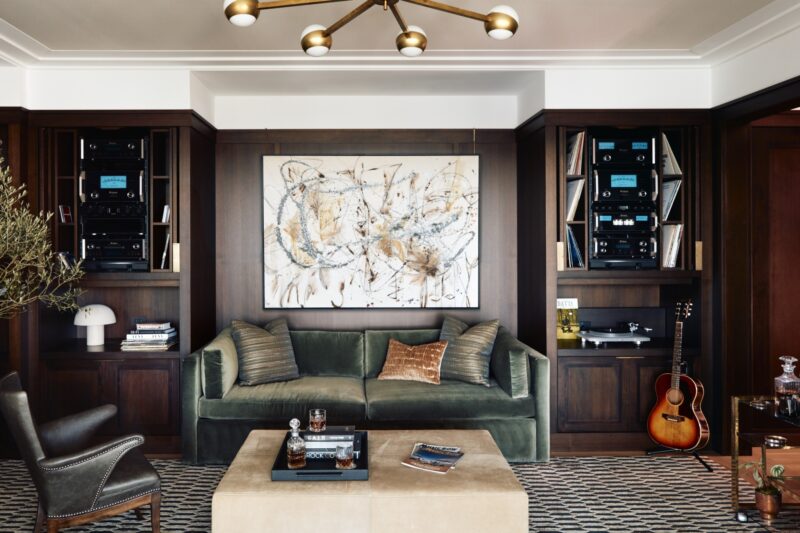
In residential contexts, such as the Pembrooke & Ives project in Nashville, the challenge is to maintain the "warmth" of a home while incorporating audiophile-grade valve amplifiers and large-scale floor speakers. The success of this space lies in the integration of acoustic absorption—such as sculpted walnut panels—into what is fundamentally a luxury living space, proving that high-fidelity environments are increasingly viewed as essential components of high-end real estate.
La Boiserie, Milan
David/Nicolas’s approach in Milan highlights the trend of "retro-futuristic" design. By creating modular, geometric shelving that serves both as record storage and an acoustic diffuser, the firm addresses the problem of clutter in the modern listening room. This project underscores the growing demand for furniture that is as technically capable as it is aesthetically distinct.
Broader Economic and Social Implications
The rise of the listening room has significant implications for the hospitality and retail sectors. As consumer habits evolve, businesses are finding that "experience-led" design is a more resilient model than the traditional, high-turnover bar format. By creating environments that demand presence, these venues are able to command premium pricing and cultivate a loyal, recurring demographic.
From a design perspective, the focus on acoustic attenuation is spilling over into other sectors. In modern office design, where open-plan layouts have historically led to productivity-sapping noise, the techniques developed for listening rooms—such as specialized wall treatments and sound-masking systems—are being adopted to improve worker well-being. Similarly, in retail, acoustic control is increasingly used to curate the "brand atmosphere," ensuring that the customer experience is controlled and intentional.
Data from the interior design sector suggests that the specification of acoustic materials has increased by roughly 22% since 2020. This indicates that sound, once an afterthought in commercial design, has become a core metric of quality. As acoustic engineering becomes more accessible through digital modeling software, the barrier to entry for smaller firms to create these spaces has lowered.
Conclusion: The Future of Auditory Architecture
The resurgence of the listening room is not a fleeting trend but a fundamental shift in how physical space is curated to support human engagement with media. By marrying the technical demands of high-fidelity audio with the visual language of high-end interior design, architects and designers are creating a new category of "sacred space." Whether in a public bar in Rotterdam or a private penthouse in Nashville, the common thread is the rejection of digital ubiquity in favor of a focused, shared, and tactile experience. As urban environments become increasingly noisy and over-stimulated, the value of an acoustically controlled, quiet, and intentional environment will only continue to rise.