Reynand Holland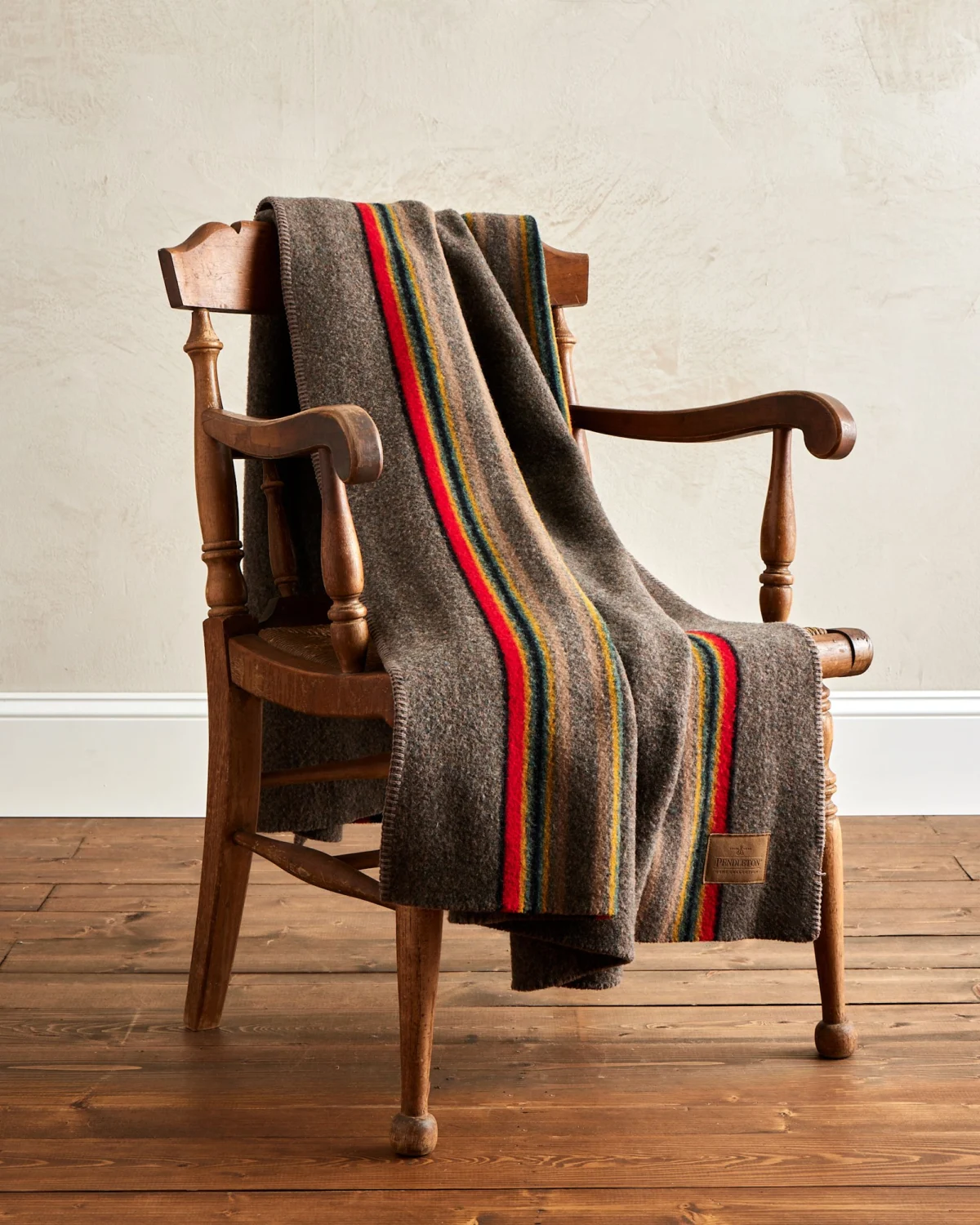
The arrival of colder months traditionally signals the desire for warmth and comfort, with a cozy blanket often at the forefront of creating a welcoming home environment. Beyond mere comfort, the selection of a blanket has evolved into a conscious choice for consumers increasingly concerned with health, environmental impact, and ethical sourcing. This detailed guide explores the landscape of high-quality, sustainably produced blankets, offering consumers insights into making informed decisions for their winter essentials and thoughtful gifts.
The Evolving Landscape of Home Comfort: Beyond the Basic Throw
For generations, blankets have been synonymous with winter coziness, offering solace during snow-laden days, long holiday journeys, and quiet evenings by the fire. However, the materials and manufacturing processes behind these essential items are undergoing significant scrutiny. Concerns about skin-safe materials, the environmental toll of textile production, and the ethical treatment of workers are driving a demand for transparency and sustainability in the home goods sector.
A primary concern in blanket manufacturing is the use of synthetic dyes. Many synthetic textiles, including those used in blankets, are dyed with immuno-sensitizing azo-benzene disperse dyes. These chemicals can trigger skin reactions upon contact, and more insidiously, can become airborne, contributing to indoor dust contamination. This means that even without direct ingestion, these hazardous substances can be inhaled and ingested by families, posing potential health risks.
In contrast, natural fibers are increasingly recognized for their benefits to both human health and the environment. Materials such as organic cotton, alpaca, merino wool, linen, Tencel, and hemp are lauded for their biodegradability, reduced environmental footprint, and hypoallergenic properties. Beyond the fiber itself, the dyeing and finishing processes are critical. Certifications from organizations like Oeko-Tex and bluesign provide assurance that these materials and their treatments are free from harmful chemicals.
Durability and timeless design are also becoming key considerations. Well-made, long-lasting blankets are an investment, reducing the need for frequent replacements and contributing to a more circular economy. Natural fibers like wool, for instance, possess inherent anti-odor properties, reducing the necessity for frequent washing compared to their synthetic counterparts. Brands that prioritize classic designs ensure that their products remain stylish and relevant for years, transcending fleeting fashion trends.
Furthermore, the origin and production of blankets are gaining prominence. Consumers are increasingly interested in supporting artisan craftsmanship and preserving traditional textile techniques. Brands that foster traceable and ethical supply chains, ensuring fair wages and safe working conditions for artisans, are emerging as leaders in this space. Certifications from Fair Trade USA and the World Fair Trade Organization offer consumers confidence in a brand’s commitment to ethical practices.
A Curated Selection of Sustainable Blanket Brands
To navigate this complex market, a comprehensive list of brands committed to sustainability, ethical production, and quality craftsmanship has been compiled. These companies represent a spectrum of approaches, from heritage brands with deep-rooted traditions to innovative newcomers prioritizing cutting-edge sustainable practices.
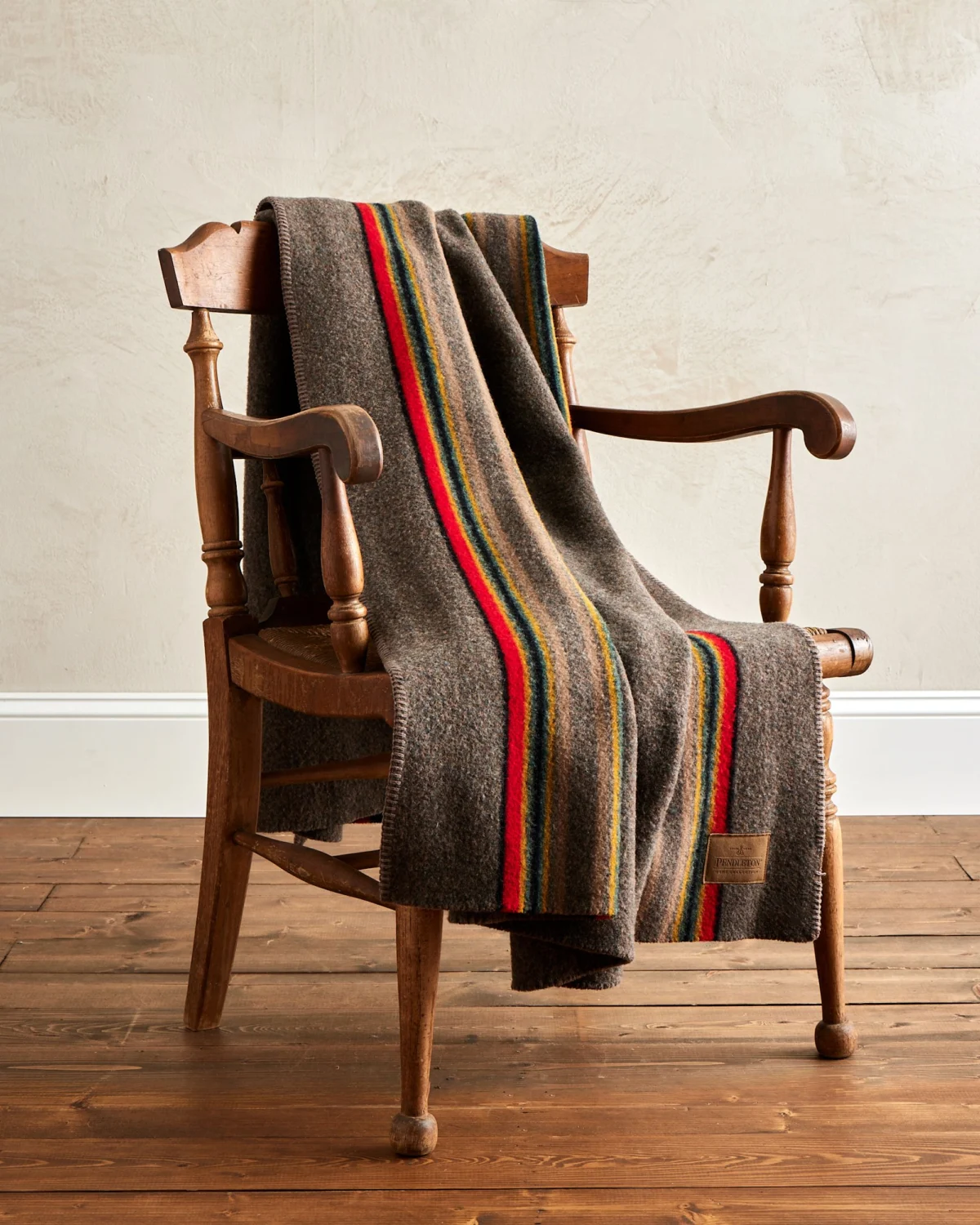
1. Pendleton: A Legacy of American Wool Craftsmanship
With a history dating back to 1909, Pendleton is an iconic American brand synonymous with high-quality wool products. The company operates two of the nation’s remaining woolen mills, overseeing every stage of production from scouring and dyeing to spinning, weaving, and hand-finishing. Pendleton’s blankets are crafted from wool and cotton that are Oeko-Tex certified, ensuring they are free from harmful substances. The brand maintains strong, long-standing relationships with local wool farmers and indigenous artists who contribute its distinctive, woven patterns. This commitment to domestic production and artistic collaboration underscores Pendleton’s enduring legacy.
- Price Range: $60 – $529
- Availability: United States
2. Minna: B Corp Certified, Queer-Led Design
Minna stands out as a certified B Corp and a queer-led business based in Upstate New York. The brand is recognized for its aesthetically pleasing blankets, featuring abstract patterns and minimalist designs. These pieces are handcrafted in small batches using premium materials like alpaca, Oeko-Tex certified cotton, and merino wool. Minna fosters direct relationships with its artisan partners in Central and South America, going so far as to list the name of the individual who made each blanket on its product pages. This level of transparency highlights their commitment to human connection and ethical manufacturing.
- Price Range: $165 – $398
- Availability: Most countries worldwide.
3. April Notes: On-Demand Production and Lithuanian Craftsmanship
April Notes is dedicated to creating soft and environmentally conscious home linens. Their blanket collection features a blend of linen, cotton, and merino wool, all certified free from harmful chemicals and synthetic dyes. The inherent breathability and hypoallergenic qualities of these natural fibers make them an excellent choice for sensitive individuals. A key aspect of April Notes’ sustainable model is its on-demand production, a strategy designed to minimize textile waste and combat overproduction. The brand collaborates closely with a boutique atelier in Lithuania, ensuring the preservation of artisanal craftsmanship while upholding fair wages and safe working conditions for its makers.
- Price Range: $149 – $180
- Availability: U.S., Canada, U.K., Australia, New Zealand, Mexico, Norway, Switzerland, Gibraltar, and all European Union countries.
4. Avocado: Green Mattress Innovators with a Cozy Blanket Line
Avocado, a certified B Corp based in Los Angeles, is renowned for its eco-friendly bedding solutions. Their line of throw blankets extends this commitment to sustainability. Crafted from Oeko-Tex certified organic cotton, alpaca wool, cashmere, merino wool, and recycled cotton, these blankets offer luxurious comfort. Notably, the alpaca wool throws utilize the fiber’s natural colors, eliminating the need for dyes altogether. For blankets that do use color, Avocado employs azo-free dyes. The company sources its wool from Northern India and subjects its supply chain to regular audits, ensuring responsible practices.
- Price Range: $39 – $349
- Availability: United States
5. Coyuchi: Organic Textiles with a Global Footprint
Coyuchi is dedicated to producing high-quality home goods with a minimal environmental impact. Their blankets are meticulously crafted from organic cotton and wool sourced from India. The weaving process takes place in Fair Trade-certified factories located in Turkey, Portugal, and Germany, demonstrating a commitment to ethical global partnerships. Coyuchi offers a helpful blanket guide on its website, assisting customers in selecting the perfect piece for their needs or as a thoughtful gift.
- Price Range: $58 – $478
- Availability: United States
6. Savvy Rest: American-Made Organic Cotton Comfort
Savvy Rest, another certified B Corp, specializes in organic bedding. Their dye-free organic cotton blankets are produced entirely in the United States, from the cultivation of cotton to the weaving of the final product. Available in a range of sizes from throws to king-sized options, these blankets embody a commitment to domestic manufacturing and natural materials.
- Price Range: $89 – $198
- Availability: United States
7. Under the Canopy: Global Sourcing with Low-Impact Dyes
Under the Canopy sources materials for its blankets from India, Pakistan, Turkey, and China, employing Oeko-Tex certified low-impact dyes. Their use of merino wool from Argentina and organic cotton from Turkey, combined with intentional design, results in durable and aesthetically pleasing blankets. The brand’s focus on creating items built to last aligns with principles of conscious consumption.
- Price Range: $178 – $212
- Availability: United States
8. Boll & Branch: Fair Trade Certified Luxury
Boll & Branch is a Fair Trade Certified bedding company that places a strong emphasis on non-toxic manufacturing processes. Their luxurious throws are produced by skilled artisans in India, Turkey, and Pakistan. The company utilizes traceable, Oeko-Tex certified organic cotton and alpaca, ensuring both quality and ethical sourcing. Their commitment to transparency allows consumers to understand the origin and production methods of their chosen bedding.
- Price Range: $149 – $699
- Availability: U.S. and Canada.
9. Bearaby: Innovative Weighted and Lightweight Throws
Bearaby is primarily known for its innovative weighted blankets designed to aid sleep and alleviate anxiety. However, the brand also offers comfortable and lightweight throws. Their blankets are made from sustainable materials such as Tencel from Austria, organic cotton from India, and Oeko-Tex certified recycled polyester. Bearaby provides a diverse range of weights and sizes, catering to various comfort preferences.
- Price Range: $149 – $309
- Availability: United States
10. Cold Picnic: Artistic Design with Recycled Materials
Cold Picnic transforms home goods into artistic statements. Their blankets are crafted from domestically sourced, Oeko-Tex certified recycled cotton. Designed in Brooklyn and produced in the U.S. by a family-owned company, these pieces emphasize local manufacturing and craftsmanship. Their quilts, on the other hand, are handmade by artisans in India. Consumers should note that some of Cold Picnic’s blankets may contain polyester; checking material details is recommended for those sensitive to synthetics.
- Price Range: $130 – $560
- Availability: Worldwide.
11. Parachute: Direct-to-Consumer Quality and Timeless Design
Parachute is a direct-to-consumer brand committed to producing high-quality, durable home goods. Their blankets feature a timeless modern aesthetic and are constructed from Oeko-Tex certified materials, including cotton, alpaca wool, and linen. The brand partners with Fair Trade manufacturers in Portugal and Turkey, ensuring an ethical supply chain. Similar to other brands, some Parachute blankets may include a small percentage of polyester, so consumers should verify material composition.
- Price Range: $99 – $289
- Availability: U.S. and Canada.
12. The Citizenry: Fair Trade Global Artisan Partnerships
The Citizenry offers warm and lightweight blankets, quilts, and throws made from ethically sourced, Oeko-Tex certified materials such as alpaca wool, mohair, linen, and cotton. This Fair Trade brand proudly showcases its international artisan partners, providing detailed information on its product pages about where each blanket was handwoven and loomed. While many offerings are natural, some blankets may contain a small amount of polyester, necessitating a review of material details.
- Price Range: $189 – $299
- Availability: U.S. and Canada.
13. Made Trade: A Marketplace for Conscious Consumers
Made Trade operates as an online marketplace that rigorously vets every product for sustainability and transparency. The platform empowers consumers to shop by their values, allowing them to filter for blankets that are USA-made, handcrafted, or Fair Trade certified. Shoppers can also select blankets based on preferred materials, including cotton, recycled polyester, hemp, linen, merino wool, and alpaca wool. Users are encouraged to utilize the filter settings to specifically avoid synthetic materials.
- Price Range: $40 – $719
- Availability: U.S., Australia, Canada, U.K., most European and Asian countries.
The Broader Impact of Conscious Choices
The increasing availability and popularity of sustainable and ethically produced blankets represent a significant shift in consumer behavior and industry practices. This movement is not merely about acquiring a comfortable household item; it is about supporting a more responsible and equitable global economy.
Environmental Implications: By prioritizing natural, organic, and recycled fibers, and by demanding transparency in dyeing and finishing processes, consumers directly contribute to reducing the environmental footprint of the textile industry. This includes minimizing water pollution from harsh chemicals, conserving water resources, reducing greenhouse gas emissions, and decreasing landfill waste through the production of durable goods. For example, the widespread adoption of organic cotton cultivation, as championed by brands like Avocado and Coyuchi, significantly reduces the use of pesticides and synthetic fertilizers, which are detrimental to soil health and water ecosystems.
Social and Economic Implications: The emphasis on Fair Trade and artisan partnerships has profound social and economic implications. When brands invest in fair wages and safe working conditions, they empower artisans and communities, fostering economic stability and preserving traditional crafts. The transparency offered by brands like Minna and The Citizenry, which highlight the individuals behind their products, builds trust and humanizes the supply chain. This contrasts sharply with the often opaque and exploitative practices found in fast fashion and mass production.
Health and Well-being: The move away from synthetic dyes and potentially allergenic materials directly benefits consumer health. By choosing Oeko-Tex and bluesign certified products, individuals can reduce their exposure to harmful chemicals, creating a healthier indoor environment for themselves and their families. The inherent hypoallergenic properties of natural fibers like alpaca and merino wool also contribute to improved comfort and well-being, particularly for those with sensitivities.
In conclusion, the quest for the perfect winter blanket has evolved into an opportunity to make a positive impact. By understanding the materials, certifications, and ethical practices behind the brands listed, consumers can confidently select blankets that offer warmth, comfort, and peace of mind, knowing they are investing in products that are good for people and the planet.