Reynand Holland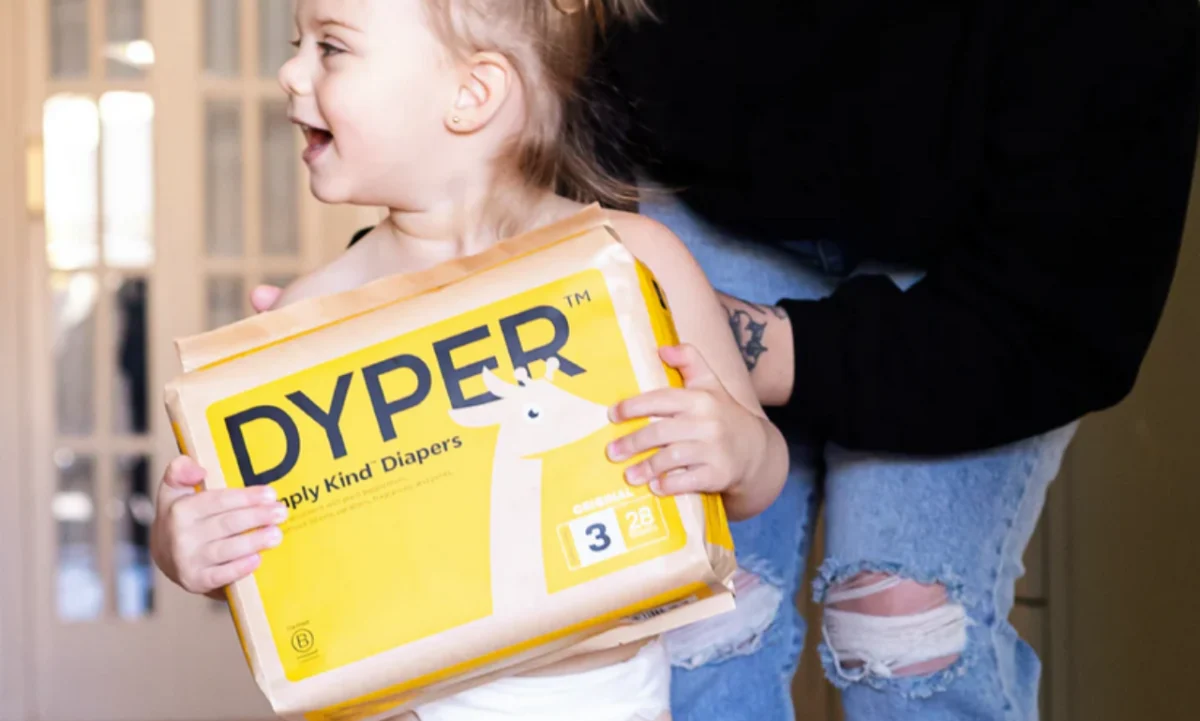
The journey of parenthood, while filled with immeasurable joy, also presents parents with the daily reality of significant waste generation. At the forefront of this challenge lies the ubiquitous diaper, a necessity for infants and toddlers that, in its conventional form, contributes substantially to landfill burden and raises concerns about infant health. It is estimated that a single baby will utilize approximately 6,000 diapers within their first two years of life. This staggering number, multiplied across millions of households, underscores the environmental impact of disposable diaper usage. While reusable cloth diapers offer an alternative, their practicality is often a hurdle for parents navigating the demands of modern life. Beyond the sheer volume of waste, traditional single-use diapers are increasingly under scrutiny for their composition, raising alarm bells regarding potential health risks for infants.
The very materials that comprise conventional disposable diapers, from the plastic components to the synthetic fragrances, are subjects of concern. These elements have been linked to a range of adverse health outcomes in scientific studies. Research has indicated potential connections between chemicals found in diapers and endocrine and reproductive disorders. Furthermore, the constant contact with the sensitive skin of infants has been associated with acute skin rashes, a common and distressing issue for both babies and their caregivers. More disturbingly, some studies have suggested potential links to more severe long-term health implications, including an increased risk of certain cancers later in life. This concern is amplified by the minimal regulatory oversight regarding the chemical content of diapers. Unlike products such as menstrual hygiene items, baby diapers are primarily tested by the Consumer Product Safety Commission for lead content only. This leaves a significant gap in ensuring the absence of other potentially harmful chemicals, including carcinogens and endocrine-disrupting compounds, which are not mandated for testing.
The end-of-life trajectory for these disposable diapers typically involves their disposal as municipal solid waste. Once used, they are placed in household bins alongside general refuse, contributing to the rapid filling of trash cans and, ultimately, the growing volume of waste destined for landfills. This visible accumulation of diaper waste prompted a critical realization for Tony Patron, founder of Dyper, and his business partner. Witnessing their own waste bins overflowing with used plastic diapers served as a potent catalyst, sparking a commitment to find a more sustainable and healthier alternative. This pivotal moment marked the genesis of Dyper, a company founded with the explicit mission of developing safe, high-performance, and non-toxic diapers that address both the environmental and health challenges posed by conventional options.
Pushing for Change in a Landfill-Bound Industry
Tony Patron, armed with an engineering background and a personal understanding of the diaper waste problem as a new father, was uniquely positioned to tackle this issue. His initial efforts involved exploring collaborations with existing manufacturers of compostable diapers. However, these endeavors eventually culminated in a strategic merger, leading to the establishment of Dyper. The newly formed company was designed to champion the creation of non-toxic, biodegradable diapers, aiming to significantly reduce both household and environmental waste.

The product development team at Dyper dedicates considerable effort to ensuring that the vast majority of their product components are biodegradable. While acknowledging that certain technological elements, such as the fastening mechanisms (similar to Velcro), are not yet available in fully biodegradable forms, the company strives for maximum sustainability. "Our goal is to provide a diaper that performs equally to any other diaper on the market in terms of absorbency, fit, and comfort, and ensuring that we don’t have any skin irritation," stated Patron in a prior statement. This commitment underscores a dual focus on efficacy and infant well-being.
Dyper’s product line predominantly features plant-based materials. Key components include sustainably sourced bamboo and eucalyptus fibers, with the bamboo being FSC-certified and sourced from an Oeko-Tex certified supplier. To foster transparency and empower environmentally conscious parents, Dyper meticulously labels each layer of its diapers with its specific components. This commitment to openness extends to their certifications, with their diaper products being USDA BioPreferred certified at 55% and their accompanying wipes at 95%.
Furthermore, Dyper diapers adhere to Oeko-Tex standards, signifying their safety and quality. The company has also achieved the DermaTest 5-Star Certification, a rigorous evaluation process conducted by independent dermatological experts. This certification provides a strong assurance that the diapers are formulated to minimize the risk of skin reactions, a crucial factor for parents concerned about their baby’s sensitive skin. In addition to utilizing plant-based, compostable materials, Dyper subjects its products to independent third-party laboratory testing to validate their non-toxic properties and compostability.
Plants Over Plastic: A Core Philosophy
The foundational principle guiding Dyper’s mission is succinctly captured in their motto: "plants over plastic for happy babies." By prioritizing plant-based materials and deliberately excluding harmful chemical additives, Dyper creates diapers free from common irritants such as phthalates, latex, and parabens, which are often found in conventional supermarket diapers. The natural fibers employed are designed to be exceptionally gentle on a baby’s delicate skin, while also ensuring that the materials are responsibly sourced.
Dyper diapers are engineered not only for superior comfort and environmental benefits but also for enhanced functionality. Despite being crafted from over 50% plant-based materials, the diapers are designed for high performance, effectively preventing leaks and minimizing the incidence of diaper rash, thereby contributing to a baby’s overall comfort and happiness.
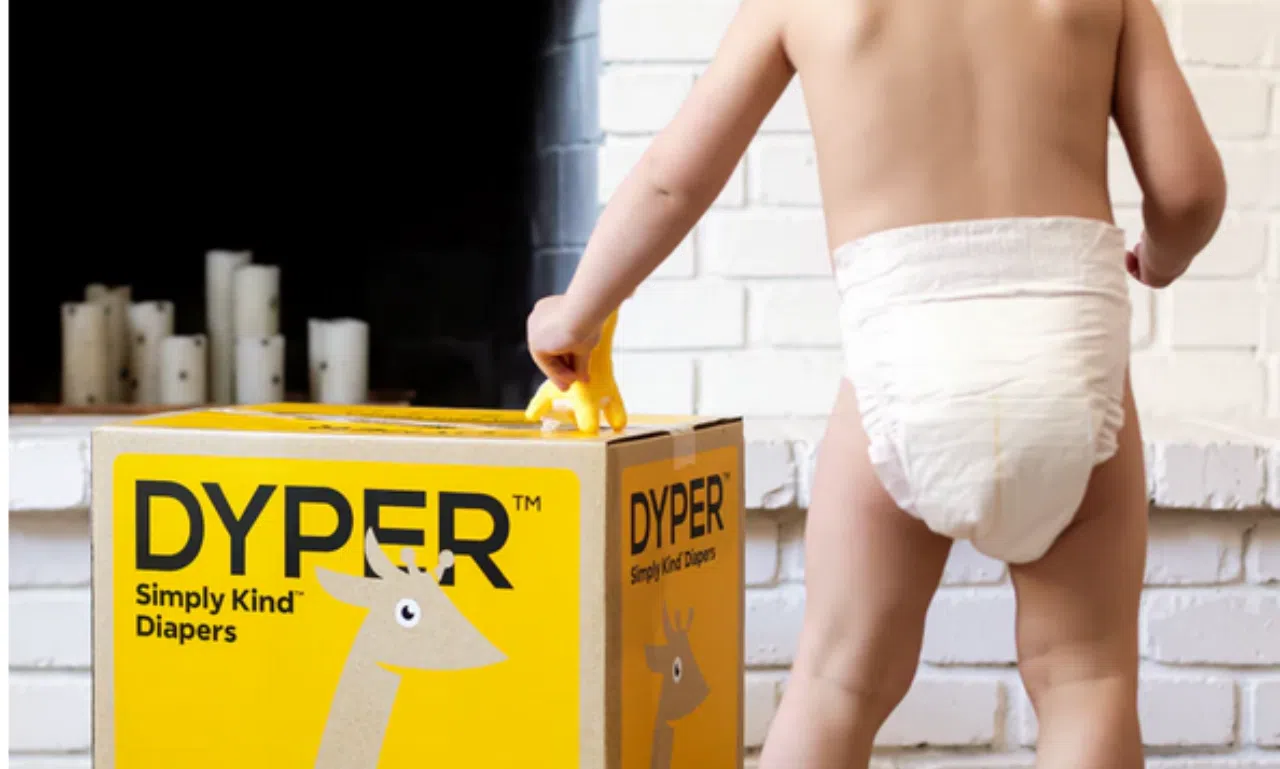
A significant innovation offered by Dyper is their optional REDYPER program. This service, available in select regions, provides a convenient solution for the disposal of used diapers and wipes. Through partnerships with regional composting facilities, the REDYPER program facilitates the composting of the biodegradable components of the diapers within a timeframe of 14 to 16 weeks. Materials that cannot be composted are efficiently removed and disposed of appropriately. As of the latest available data, the REDYPER program has successfully diverted over 14 million pounds of waste from landfills, demonstrating a tangible impact on waste reduction.
The "plants over plastic philosophy" extends beyond the product itself to Dyper’s packaging. The company actively seeks out and utilizes sustainable packaging materials wherever feasible, further minimizing its environmental footprint. This holistic approach ensures that parents do not have to compromise between choosing effective diapers and making an environmentally responsible decision. Dyper aims to provide a comprehensive solution that addresses the needs of both the baby and the planet.
Making Sustainable Diapering Convenient
Dyper offers flexible purchasing options to cater to diverse parental needs, including subscription services for regular deliveries and one-time purchases across a wide range of sizes. For parents in areas where the REDYPER service is available, the company provides weekly or bi-weekly pickup options for used diapers and wipes. This logistical integration streamlines the composting process, making it accessible and convenient for families.
By choosing Dyper, consumers are not merely selecting a high-performing diaper; they are actively participating in a commitment to sustainability, embracing transparency in product composition, and opting for superior baby care that prioritizes both health and environmental responsibility. The company’s proactive approach in addressing the significant waste generated by diapering, coupled with its dedication to infant health through non-toxic materials, positions Dyper as a frontrunner in the evolving landscape of baby care products. The growing awareness among consumers regarding the environmental and health implications of everyday products is driving demand for innovative solutions like those offered by Dyper, signaling a potential shift away from traditional, less sustainable options in the diaper industry.