
 Ali Ikhwan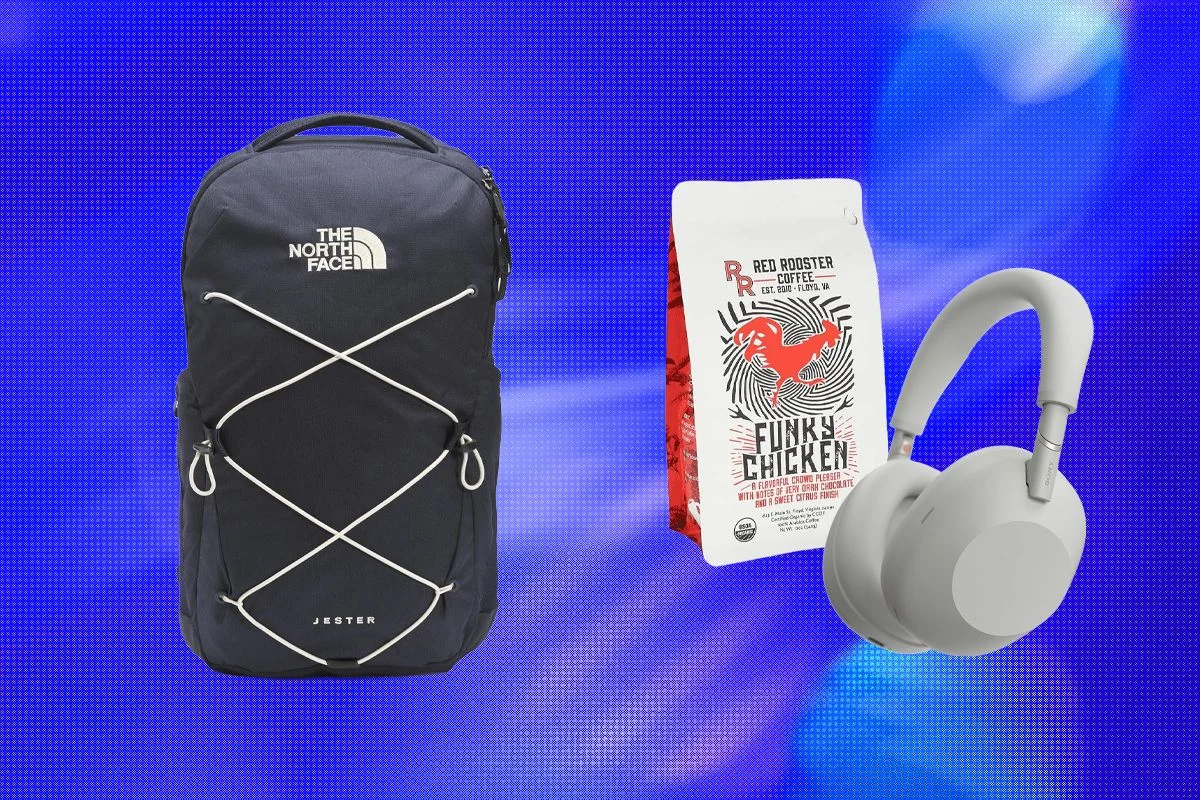
As the 2026 academic year draws to a close, millions of students across the globe are preparing to transition from the classroom to the professional workforce. This annual rite of passage is accompanied by a significant surge in consumer spending, as families and mentors seek out gifts that provide both sentimental value and practical utility. The current retail landscape for graduation gifts has shifted markedly toward high-quality, durable goods designed to facilitate the rigors of modern professional life, ranging from sophisticated travel gear to advanced personal electronics and sustainable transportation solutions.
Market analysts observe that the graduation gift sector has become a multi-billion dollar industry, with an increasing emphasis on "career-ready" investments. Unlike previous decades, where traditional items such as watches or luxury pens dominated the market, the class of 2026 is receiving gifts that reflect the realities of a hybrid work environment, the necessity of digital focus, and the prioritization of urban mobility. This report examines the leading recommendations for the current season, analyzing their technical specifications, market positioning, and the broader economic trends they represent.

The Evolution of the Graduation Gift Market: A Chronology
The tradition of gifting for graduation has undergone several distinct phases over the last century. In the mid-20th century, gifts were primarily symbolic, often consisting of high-end stationery or timepieces intended to last a lifetime. By the 1990s and early 2000s, the trend shifted toward personal computing and early mobile technology, as the digital revolution began to reshape the workplace.
By 2020, the global pandemic accelerated a move toward "lifestyle-utility" gifts. Graduates entering a volatile job market required tools that supported remote work and mental well-being. Today, in 2026, the market has stabilized around a "quality-over-quantity" ethos. Consumers are increasingly seeking products with proven longevity, sustainable manufacturing processes, and multi-functional designs. The current selection of top-tier gifts—including the Troubadour Apex Everyday Tote, The North Face Jester backpack, Sony WH-1000XM6 headphones, and the Trek FX+ 1 electric bike—illustrates this convergence of style, technology, and endurance.
Professional Aesthetics and the Shift to Hybrid Utility
For many new graduates, the transition to the professional world necessitates a wardrobe and accessory upgrade. The Troubadour Apex Everyday Tote has emerged as a primary example of this trend. Priced between $159 and $199 depending on the retailer, this item represents a shift away from the casual collegiate aesthetic toward a more refined, professional look.

The tote is designed specifically for the modern commuter, featuring dedicated compartments for laptops and digital peripherals. Retail data from Nordstrom and Troubadour’s direct-to-consumer channels indicate a growing demand for waterproof, recycled materials—a key selling point for Gen Z consumers who prioritize environmental social governance (ESG) factors in their purchasing decisions. The integration of ergonomic straps and a minimalist silhouette reflects a broader move in the fashion industry toward "quiet luxury," where the value of the item is found in its construction and utility rather than overt branding.
In contrast, for those entering fields that require more rugged mobility, The North Face Jester remains a staple. Currently retailing for approximately $75 to $90, the Jester has maintained its market relevance for over a decade by balancing affordability with extreme durability. Its popularity among 2026 graduates highlights a persistent need for versatile gear that can transition from an outdoor weekend trip to a casual office environment. The backpack’s updated suspension system, certified by the American Chiropractic Association, speaks to an increasing consumer awareness of physical health and ergonomics in everyday products.
High-Fidelity Technology and the Productivity Economy
In the realm of personal electronics, the Sony WH-1000XM6 wireless noise-canceling headphones represent the pinnacle of current consumer audio technology. With a market price ranging from $389 at major retailers like Walmart to $460 at boutique electronics outlets, these headphones are positioned as a "productivity powerhouse" for the new professional.

The WH-1000XM6 features advanced AI-driven noise cancellation, which has become a critical tool for workers in open-plan offices or those working remotely in shared spaces. Technical analysis of the XM6 model reveals significant improvements over its predecessors in battery life, microphone clarity for video conferencing, and multi-point connection stability. As the "distraction economy" continues to pose challenges to workplace focus, high-quality noise-canceling gear is increasingly viewed not as a luxury, but as an essential professional tool.
Industry experts note that the premium audio market has seen a 12% year-over-year growth in the graduation segment. "The modern graduate is looking for tools that create a ‘portable office’ environment," says retail analyst Marcus Thorne. "When you give a pair of high-end headphones, you aren’t just giving a music device; you’re giving the gift of concentration and professional presence in a digital-first world."
Micro-Mobility and the Sustainable Commute
Perhaps the most significant investment in the 2026 gift guide is the Trek FX+ 1 electric bike. Retailing at approximately $2,100, the e-bike represents the "big-ticket" item of the year, often purchased as a collective gift by extended family members. The FX+ 1 is an urban hybrid e-bike designed to make commuting more accessible and less physically taxing, featuring a lightweight frame and a discreet internal battery system.

The rise of e-bikes as graduation gifts coincides with a global shift in urban planning. Many 2026 graduates are moving to metropolitan areas that have invested heavily in cycling infrastructure over the past five years. The Trek FX+ 1 offers a range of up to 35 miles on a single charge, providing a viable alternative to car ownership or reliance on public transit systems.
From a financial perspective, the inclusion of an e-bike in a graduation gift guide reflects the growing "total cost of ownership" (TCO) consciousness among young adults. While the initial price point is high, the long-term savings on fuel, insurance, and parking make it a pragmatic choice for those starting their careers in expensive urban centers. Furthermore, the environmental impact of choosing a bicycle over a combustion-engine vehicle aligns with the ideological values of the current graduating class.
Data and Economic Context: Spending Trends in 2026
According to recent consumer surveys, the average spend on a graduation gift in 2026 has risen to $125 per person, though "core family" spending (parents and guardians) often exceeds $500. Total graduation-related spending is projected to hit record highs this year, driven by a combination of inflationary adjustments and a desire to celebrate the first "fully normal" academic cycle following the disruptions of the early 2020s.
.jpg)
Retailers have responded to these trends by offering more flexible payment options, such as "Buy Now, Pay Later" (BNPL) services, which have seen a 20% uptick in use for items like the Sony WH-1000XM6 and the Trek FX+ 1. Additionally, the "sustainability premium"—the willingness of consumers to pay more for ethically sourced or durable goods—is at an all-time high. The Troubadour tote and The North Face backpack both benefit from this trend, as they are marketed with life-time or long-term warranties that appeal to the "buy-it-for-life" (BIFL) movement.
Official Responses and Industry Outlook
Representatives from major retailers, including REI and Best Buy, have noted that "utility-driven tech" is the fastest-growing sub-category in the graduation market. A spokesperson for REI stated, "We are seeing a clear move away from novelty items. Graduates and their families are looking for gear that solves a problem—whether that’s a commute, a noisy office, or the need for a reliable bag that doesn’t look like a school rucksack."
Career counselors at major universities have also weighed in on the importance of these gifts. Dr. Elena Rodriguez, a career development specialist, suggests that the right gear can provide a psychological boost to new professionals. "Entering the workforce is a high-anxiety period," Rodriguez notes. "Having a professional-grade bag or high-quality headphones can help a young person feel like they belong in their new environment. It’s about more than the object; it’s about the transition in identity from student to professional."
-(blue)-(beige)-(green)-Offwhite-Background-SOURCE-Walmart.jpg)
Broader Impact and Implications for the Future
The 2026 graduation gift landscape serves as a microcosm of broader societal shifts. The emphasis on e-bikes and recycled materials highlights the entrenchment of environmentalism in the consumer psyche. The focus on high-end audio and professional carry-alls underscores the permanent integration of technology into every facet of labor.
As these graduates enter the workforce equipped with these tools, the long-term impact on the retail industry will likely be a continued move toward durability and "tech-integrated" lifestyle products. The era of the "disposable gift" appears to be waning, replaced by a strategic approach to gifting that prioritizes the graduate’s long-term success and adaptation to a rapidly changing world. For the class of 2026, the gifts they receive today are not merely rewards for past achievements, but the essential infrastructure for their future endeavors.







