Cintya Tara Annisa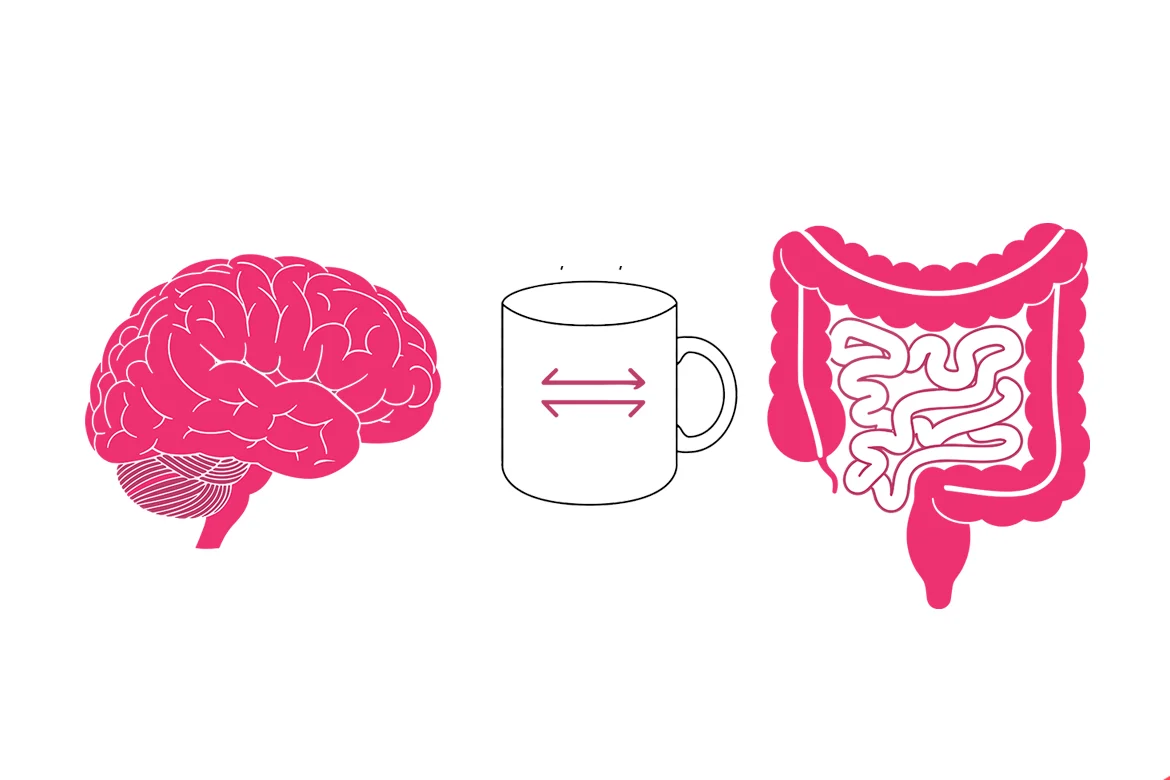
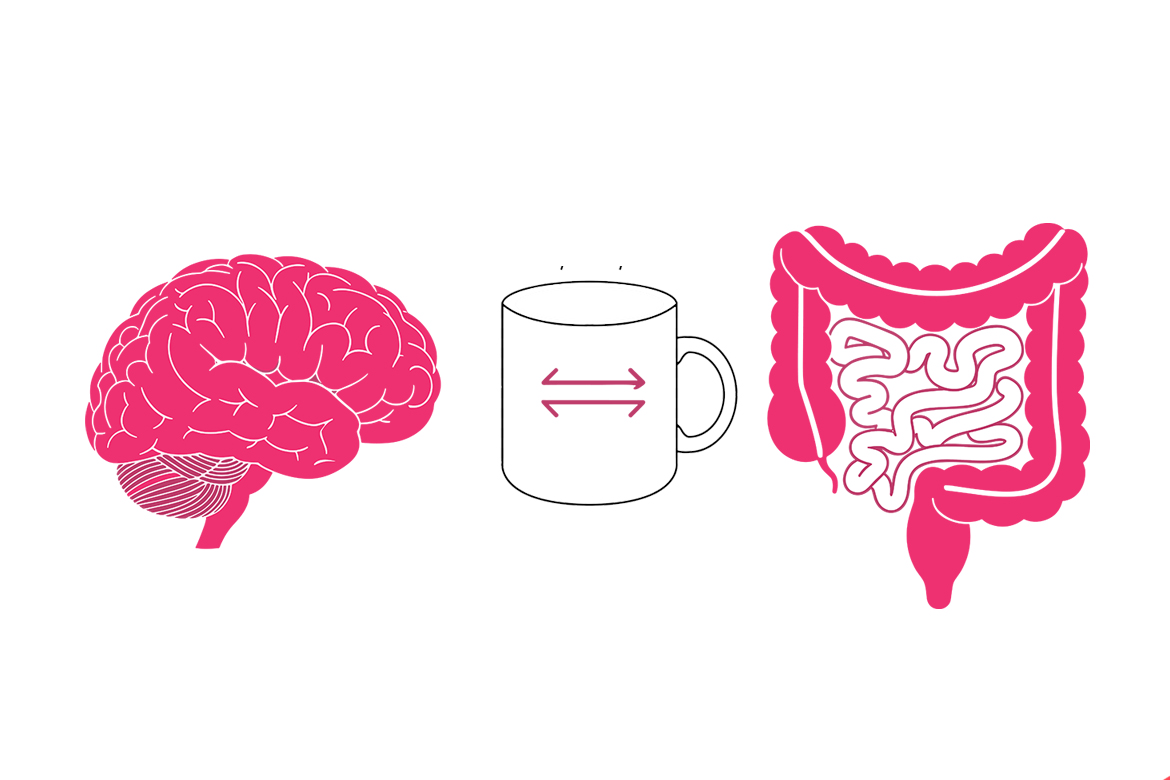
The complex relationship between dietary habits and systemic health has taken a significant leap forward as new research illuminates the profound impact of coffee on the gut-brain axis, a discovery that suggests the world’s most popular beverage does far more than provide a morning energy boost. While the individual benefits of coffee on gastrointestinal function and cognitive performance have been documented in isolated studies for decades, a groundbreaking study published in the prestigious journal Nature Communications indicates that these two systems are inextricably linked through a bidirectional communication pathway. Conducted by researchers at University College Cork’s (UCC) APC Microbiome Ireland, the study provides a comprehensive look at how coffee consumption alters the microbial landscape of the human gut, subsequently influencing psychological states, stress responses, and cognitive functions.
The gut-brain axis represents one of the most frontier areas of modern medical science, consisting of a complex network that allows the gastrointestinal tract and the central nervous system to communicate via biochemical signaling. This pathway involves the vagus nerve, the immune system, and the production of neurotransmitters by gut bacteria. By examining this axis, the UCC research team sought to determine whether the known neurological perks of coffee—such as improved mood and alertness—were actually being mediated or enhanced by changes in the gut microbiome. Their findings suggest that coffee acts as a powerful prebiotic-like substance, fostering a microbial environment that supports mental resilience and metabolic health.
Study Methodology and Chronological Framework
To achieve a high degree of scientific rigor, the researchers designed a multi-phase study that spanned two years, focusing on a cohort of 62 participants. The group was divided equally: 31 regular coffee drinkers, defined as individuals consuming between three and five cups per day, and 31 non-coffee drinkers. This specific volume of consumption—three to five cups—is often cited in epidemiological literature as the "sweet spot" for observing long-term health benefits, including reduced risks of cardiovascular disease and neurodegenerative disorders.
The chronology of the study began with a critical "washout" period. For two weeks prior to the formal start of the intervention, all participants were required to abstain from coffee entirely. This phase was essential to establish a baseline for both the microbiome and the psychological state of the participants, ensuring that any subsequent changes could be directly attributed to the reintroduction of coffee. During this period, researchers collected initial stool and urine samples and conducted a series of baseline psychological evaluations to measure stress, anxiety, and cognitive performance.
Following the abstinence period, the regular coffee drinkers were reintroduced to the beverage but were split into two blinded sub-groups: one group received caffeinated coffee, while the other received decaffeinated coffee. This double-blind approach allowed researchers to isolate the effects of caffeine from the thousands of other bioactive compounds found in the coffee bean, such as polyphenols, chlorogenic acids, and diterpenes.
Microbiological Transformations and Chemical Signaling
The results of the stool and urine analysis revealed "significant changes" in the metabolic output of gut bacteria once coffee consumption resumed. The researchers observed a marked increase in the prevalence of two specific types of bacteria: Eggerthella and Cryptobacterium curtum. These microbes are increasingly recognized for their roles in metabolizing complex dietary fibers and polyphenols. Furthermore, these bacteria are believed to play a defensive role in the gut, helping to suppress the growth of pathogenic "bad" bacteria and reducing the likelihood of gastrointestinal infections.
A particularly notable finding, highlighted by data from EurekAlert, was the increase in Firmicutes, a major phylum of bacteria. Interestingly, the study noted that higher levels of certain Firmicutes species were specifically associated with "positive emotions in females." This gender-specific observation adds a layer of nuance to how dietary factors may influence mental health differently across demographics.
The production of metabolites—small molecules produced as byproducts of bacterial metabolism—was also significantly altered. These metabolites, which include short-chain fatty acids (SCFAs), are known to cross the blood-brain barrier and influence brain chemistry. The UCC study suggests that coffee provides the necessary raw materials for gut bacteria to produce these beneficial compounds, thereby strengthening the gut-brain connection.
Psychological Outcomes: Decaf vs. Caffeinated
While both groups of coffee drinkers reported improvements in general psychological well-being, the study identified distinct benefits associated with caffeinated versus decaffeinated coffee. This suggests that while caffeine is a potent stimulant, the non-caffeine components of coffee are equally vital for brain health.
Both the decaf and regular coffee groups reported lower levels of perceived stress, reduced symptoms of depression, and a decrease in impulsivity. This indicates that the act of consuming coffee, and the subsequent shift in gut flora, has a stabilizing effect on mood that transcends the presence of caffeine. However, when the data was disaggregated, specific cognitive and emotional advantages emerged for each group.
The decaffeinated group showed "notable improvements in learning and memory." This suggests that the polyphenols and antioxidants in coffee—such as chlorogenic acid—may have neuroprotective properties that enhance synaptic plasticity without the jitteriness sometimes associated with caffeine. Conversely, the caffeinated group was the only cohort to show a significant decrease in feelings of anxiety and a marked improvement in vigilance and attention. Furthermore, the caffeinated group exhibited a reduced risk of systemic inflammation, a factor that is increasingly linked to the development of chronic mental health conditions and cognitive decline.

Official Responses and Expert Analysis
Professor John Cryan, a lead author of the study and a globally recognized expert on the gut-brain axis, emphasized that the research changes the narrative surrounding coffee from a simple stimulant to a complex functional food. "Our findings reveal the microbiome and neurological responses to coffee, as well as their potential long-term benefits for a healthier microbiome," Cryan stated. "Coffee may modify what microbes do collectively, and what metabolites they use. Coffee is more than just caffeine—it’s a complex dietary factor that interacts with our gut microbes, our metabolism, and even our emotional wellbeing."
Cryan’s perspective is echoed by the broader scientific community, which has long sought to explain why coffee consumption is statistically linked to lower rates of Parkinson’s and Alzheimer’s diseases. By demonstrating that coffee influences health in "distinct but complementary ways" through the gut, this study provides a missing link in the chain of causality. The fact that decaffeinated coffee also yielded significant cognitive benefits suggests that the "coffee habit" is a valid health strategy even for those who are sensitive to stimulants.
Broader Implications for Public Health and Nutrition
The implications of this study are far-reaching, particularly in the fields of nutritional psychiatry and preventative medicine. As the global burden of mental health disorders continues to rise, the discovery that a common dietary staple can positively modulate the gut-brain axis offers a low-cost, accessible intervention.
- Personalized Nutrition: The findings regarding gender-specific bacterial responses (Firmicutes and positive emotions) suggest that future dietary recommendations could be tailored to individual microbiome profiles to optimize mental health outcomes.
- Inflammation Management: Since the caffeinated group showed reduced markers of inflammation, coffee could be viewed as an anti-inflammatory tool. Chronic low-grade inflammation is a known driver of metabolic syndrome and "brain fog," making coffee a potential ally in maintaining long-term metabolic health.
- Cognitive Longevity: The memory and learning enhancements observed in the decaf group provide a compelling argument for coffee consumption in aging populations who may need to limit caffeine intake due to heart health concerns or sleep disturbances.
Furthermore, the study underscores the importance of the "whole food" approach. While caffeine supplements exist, they do not provide the prebiotic fiber or the diverse array of polyphenols that the coffee bean offers. It is the synergy between these compounds and the gut microbiome that appears to drive the most significant health benefits.
Conclusion
The research from UCC’s APC Microbiome Ireland represents a pivotal moment in our understanding of how daily habits shape the internal ecosystem of the body. By proving that coffee’s benefits for the gut and the brain are not unrelated but are in fact tightly linked through the gut-brain axis, the study validates the consumption of coffee as a sophisticated health-promoting behavior. Whether one prefers a high-octane espresso or a mellow decaf pour-over, the evidence suggests that the gut microbiome is hard at work, transforming those compounds into a foundation for better mental and physical health. As science continues to untangle the threads of the gut-brain connection, coffee stands out as a unique and powerful tool for nurturing both the mind and the microbiome.