Cintya Tara Annisa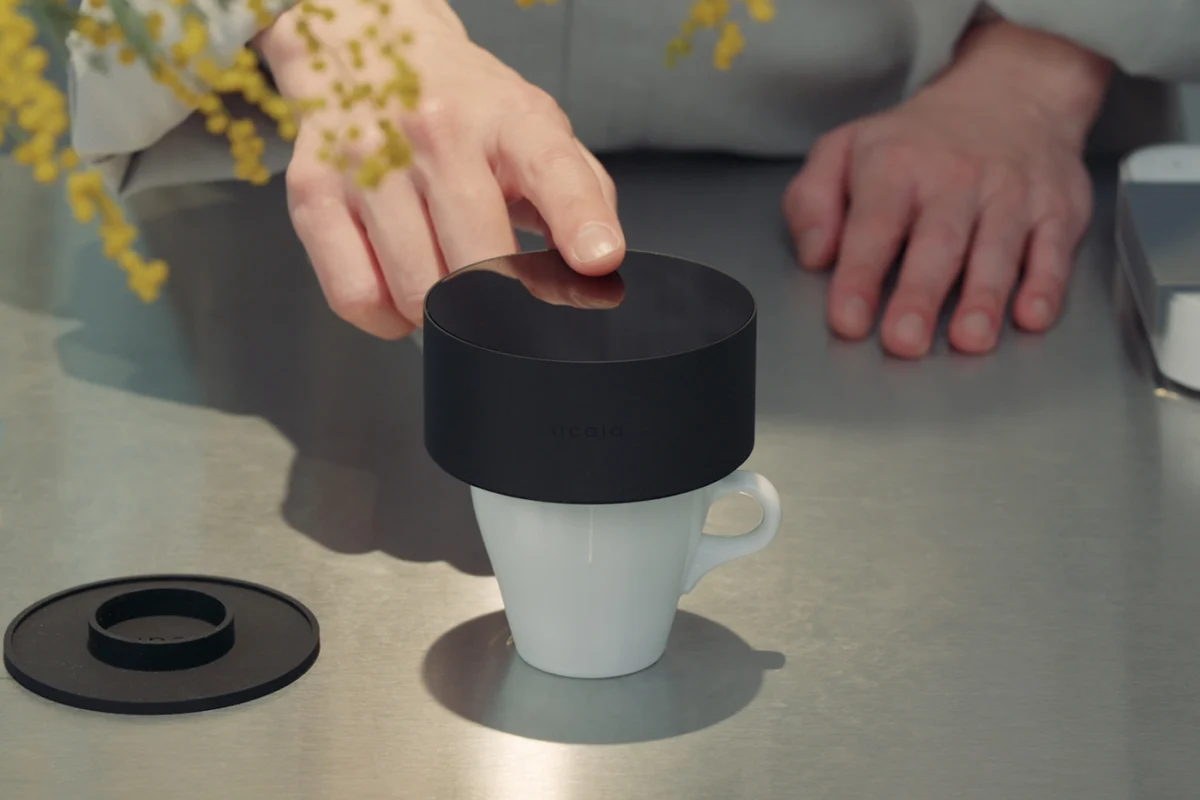
The global coffee equipment landscape has undergone a significant transformation in 2026, driven by a convergence of advanced materials science, digital integration, and a renewed emphasis on professional-grade hardware for the home environment. As consumer demand for specialty coffee continues to rise—with the global coffee machine market projected to exceed $10 billion by the end of the decade—manufacturers are responding with highly specialized tools that prioritize precision, durability, and user experience. This report highlights the most significant developments in coffee technology currently shaping the industry, from smart-connected scales to high-pressure extraction systems designed for portable use.

The Evolution of Precision Measurement and Brewing Control
At the center of the modern brewing workflow lies the evolution of the digital scale. The BOOKOO Themis Ultra stands as a primary example of this shift toward ruggedized precision. Featuring IP67-rated waterproof protection, the device addresses a long-standing industry pain point: the high rate of failure for electronic equipment in high-humidity, spill-prone café environments. By integrating a 0.7-inch slim profile with 0.1g readability and a 2000g capacity, the Themis Ultra bridges the gap between commercial reliability and the demands of high-end home espresso. Furthermore, its integration with the BOOKOO N App, which tracks real-time brewing curves, reflects a broader trend toward data-driven coffee extraction. Analysts note that such connectivity allows users to replicate complex recipes with greater accuracy, effectively lowering the barrier to entry for mastering intricate variables like flow rate and pre-infusion.

Similarly, the Acaia Horizon represents a shift toward post-extraction environmental control. Developed in collaboration with Swiss Barista Champion Mathieu Theis, the device addresses the chemical stability of the final beverage. By utilizing atmospheric modification to remove excess oxygen and carbon dioxide, the Horizon aims to preserve the volatile aromatics that define high-scoring specialty coffees. This represents a nascent but growing category of "finishing" equipment, where the focus moves beyond the extraction phase into the preservation of flavor integrity prior to consumption.

Advancements in Material Science and Ergonomics
The physical vessel from which coffee is consumed has also become a focal point of engineering. The 2-WayCup, designed by Hong Kong champion Gary Au and 2024 World Brewers Cup Champion Martin Wölfl, exemplifies how geometry influences sensory perception. Approved for use in professional championships, the cup utilizes dual-rim architecture to modulate the delivery of liquid to the palate. The narrow rim is engineered to emphasize body and perceived sweetness, while the flared rim is designed to enhance floral aromatics and extend the finish. This design, which gained prominence during the 2026 World Brewers Cup in Brussels, underscores a growing awareness that the sensory experience is as much a function of fluid dynamics as it is of bean quality.

In the realm of sustainable manufacturing, MiiR has expanded its reach with its new Ceramics Collection. By utilizing vegan New Bone China mixed with 20% recycled material, the brand aligns with the broader industry push toward circularity. The collection, which includes the Moka, New Diner, and Stack Mugs, serves as a testament to the fact that even high-volume retail accessories are now subject to rigorous lifecycle analysis and environmental impact assessments.

Portability and the Decentralization of Espresso
Perhaps the most disruptive trend in the 2026 market is the portability of high-pressure espresso systems. The MHW-3BOMBER X-Press58 signifies a departure from traditional, stationary countertop machines. By incorporating a standard 58mm basket—the industry benchmark for commercial equipment—into a cordless, battery-operated unit capable of 9-bar extraction, the manufacturer has effectively decentralized the espresso workflow. Industry observers suggest that this shift is fueled by the rise of "pop-up" café culture and the increasing number of professional baristas who require consistent output in non-traditional venues. The ability to maintain thermal stability and pressure control in a mobile device indicates that the technological constraints previously associated with battery-powered brewing are rapidly diminishing.

This trend toward high-performance manual equipment is mirrored in the hand-grinder sector, particularly with the Comandante C60 Baracuda. Milled from a single block of stainless steel, the C60 represents the "overbuilt" aesthetic currently favored by enthusiasts. The move toward unibody construction not only increases structural longevity but also minimizes alignment drift during the grinding process. With burr sets capable of exceeding 1 gram per second at filter settings, the device satisfies the professional requirement for throughput without sacrificing the tactile, controlled experience of manual grinding.

Heritage and Modernity in the Home Espresso Segment
Despite the rise of portable and niche technology, the demand for high-end home espresso machines remains anchored in heritage brands that offer modular, PID-controlled systems. The La Marzocco Linea Micra continues to define this segment. Since its introduction in late 2023, the machine has functioned as an entry-level bridge to commercial-grade equipment. Its dual-boiler system and advanced temperature management allow for a level of consistency that mirrors the company’s legendary commercial models. The continued success of the Linea Micra suggests that while consumers are interested in new technology, they remain deeply committed to established manufacturing standards that guarantee long-term serviceability.

The Role of Customization and Branding
Finally, the intersection of equipment and brand identity remains a key driver for the hospitality sector. Created Co. has successfully leveraged this with its Milk Glass series, which serves as a canvas for café branding. The rise in demand for custom-designed, stackable, and durable glassware indicates that cafés are increasingly viewing their physical equipment as a marketing asset. In an era where social media visual aesthetics play a significant role in customer acquisition, the ability to personalize durable, mid-century-inspired vessels provides a competitive advantage for independent retail spaces.

Future Implications and Industry Analysis
The equipment landscape of 2026 suggests three primary trajectories for the industry. First, the digitalization of the brewing process is no longer a luxury but an expectation; apps and sensors that track flow rates and extraction profiles are becoming standard. Second, the professionalization of the home barista means that equipment once reserved for the competition stage is now finding its way into residential kitchens. Third, the focus on sustainability is moving from marketing rhetoric to tangible manufacturing changes, such as the use of recycled materials and modular designs that favor repair over replacement.

As these technologies mature, the implications for the specialty coffee sector are profound. Improved consistency at the brewing stage allows roasters to focus more on origin transparency and processing methods, knowing that the consumer now has the tools to properly extract the nuanced flavors they have worked so hard to develop. While the initial investment in such high-performance equipment may be significant, the long-term impact—measured in improved extraction yields, reduced waste, and enhanced sensory experiences—suggests a robust market that will continue to innovate well into the next decade.

The 2026 cohort of coffee gear is defined by a commitment to bridging the gap between professional, high-output environments and the nuanced, personalized requirements of the modern enthusiast. Whether through the introduction of specialized drippers like the Dwell by Verve, or the streamlining of classic pour-over kits like the Hario "Simply" Glass series, the focus remains on accessibility without the sacrifice of quality. As the industry moves forward, it is evident that the hardware of coffee will remain a vital component of the broader specialty movement, providing the essential infrastructure for the next generation of brewing excellence.