Cintya Tara Annisa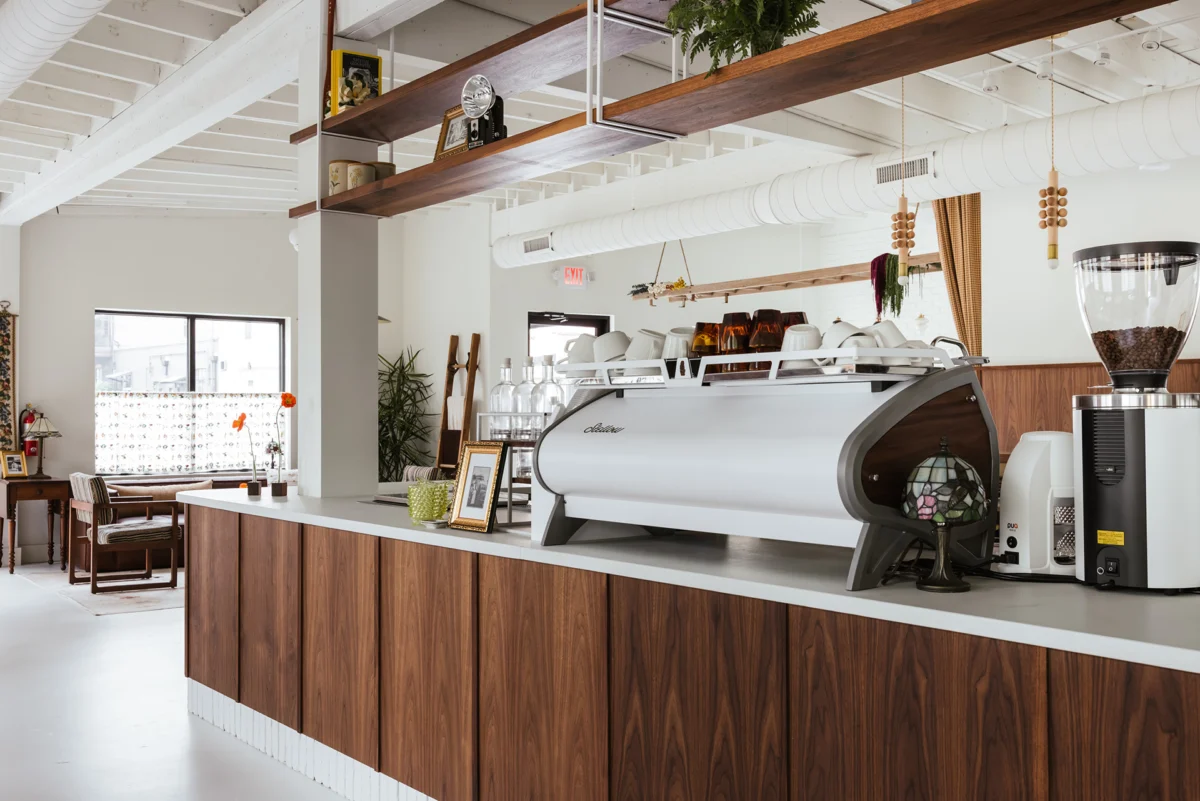
The Atlanta coffee landscape in 2026 continues to evolve as a premier destination for specialty beverage enthusiasts, characterized by a sophisticated blend of traditional hospitality and modern technical precision. As part of the annual Build-Outs of Coffee series, which highlights the most innovative cafe openings across the globe, the spotlight now turns to a distinctive new entrant situated between the bustling neighborhoods of Brookhaven and Doraville. Stellow, a brand that has spent seven years refining its mobile espresso service, has officially planted its roots in Chamblee, Georgia, offering a space that serves as both a functional coffee bar and a personal homage to family heritage.
The 2026 Build-Outs of Coffee series is presented in partnership with industry leaders DONA, Pacific Barista Series, and La Marzocco, reflecting a collaborative effort to document the architectural and operational trends defining the current era of coffee culture.
A Foundation Built on Legacy and Design
The conceptual framework behind Stellow is rooted in the personal history of founder Clinton Perry. According to Perry, the project is a manifestation of a long-term vision dating back to his adolescence between 2001 and 2005. The name "Stellow" itself is a portmanteau representing two matriarchal figures: "Stell," the Irish middle name of his grandmother Sammie, and "low," derived from his grandmother Betty’s affinity for the color yellow and her love for floral aesthetics.
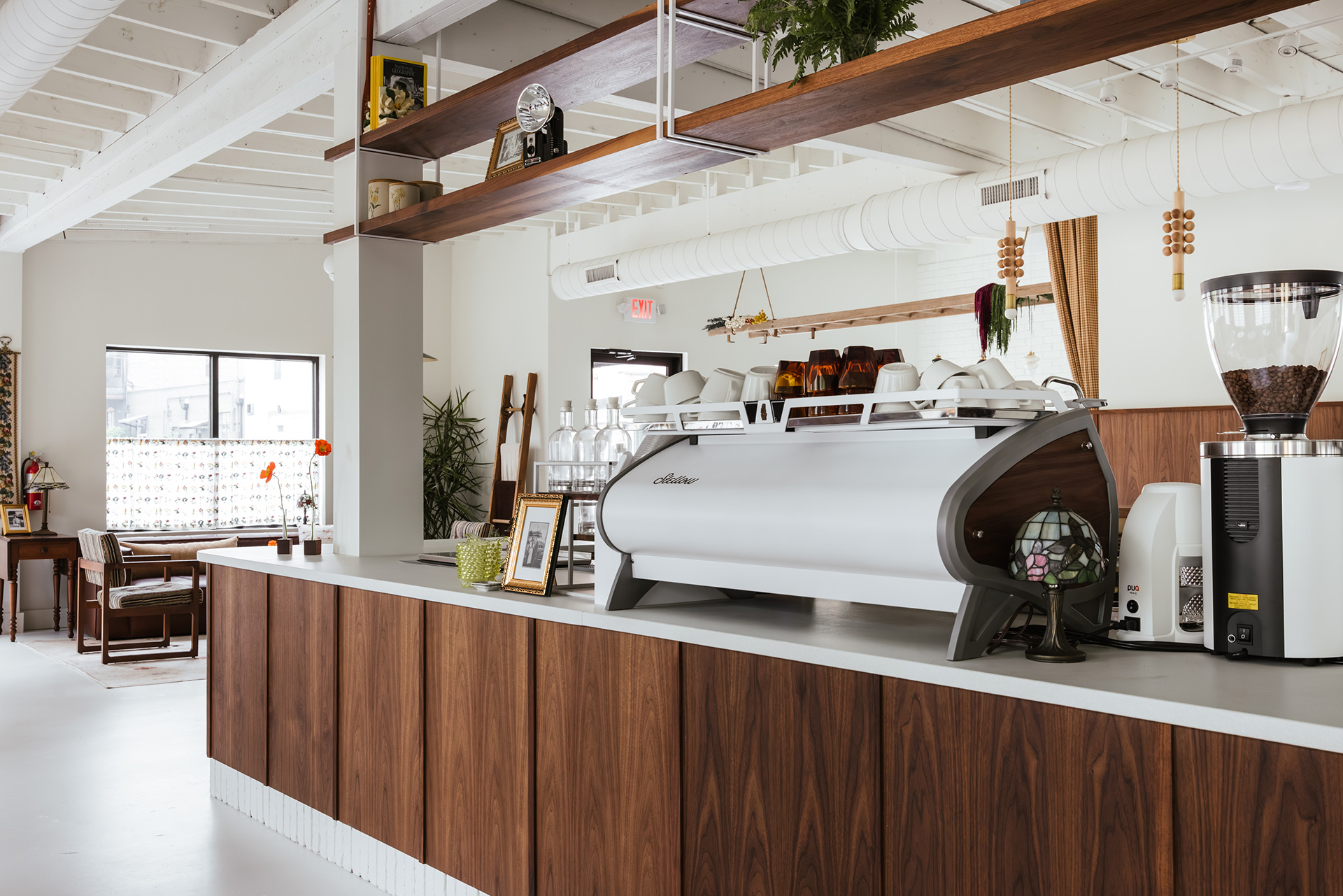
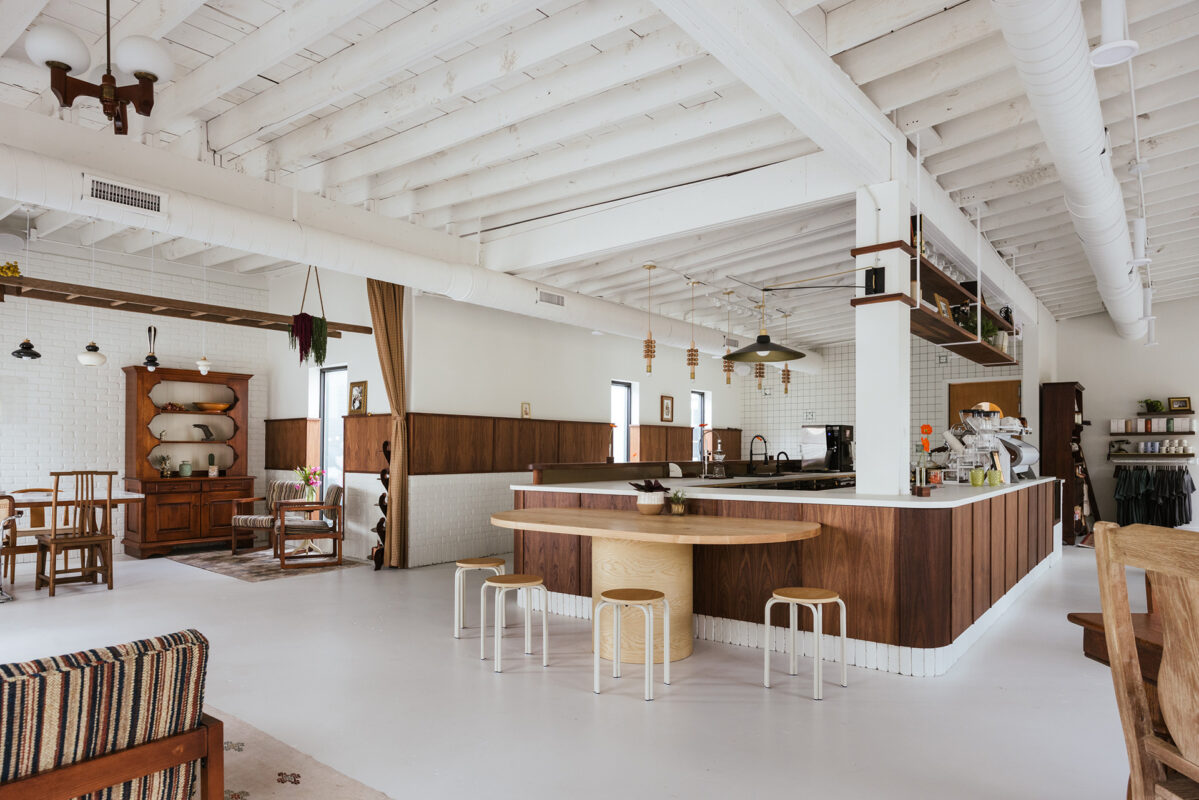
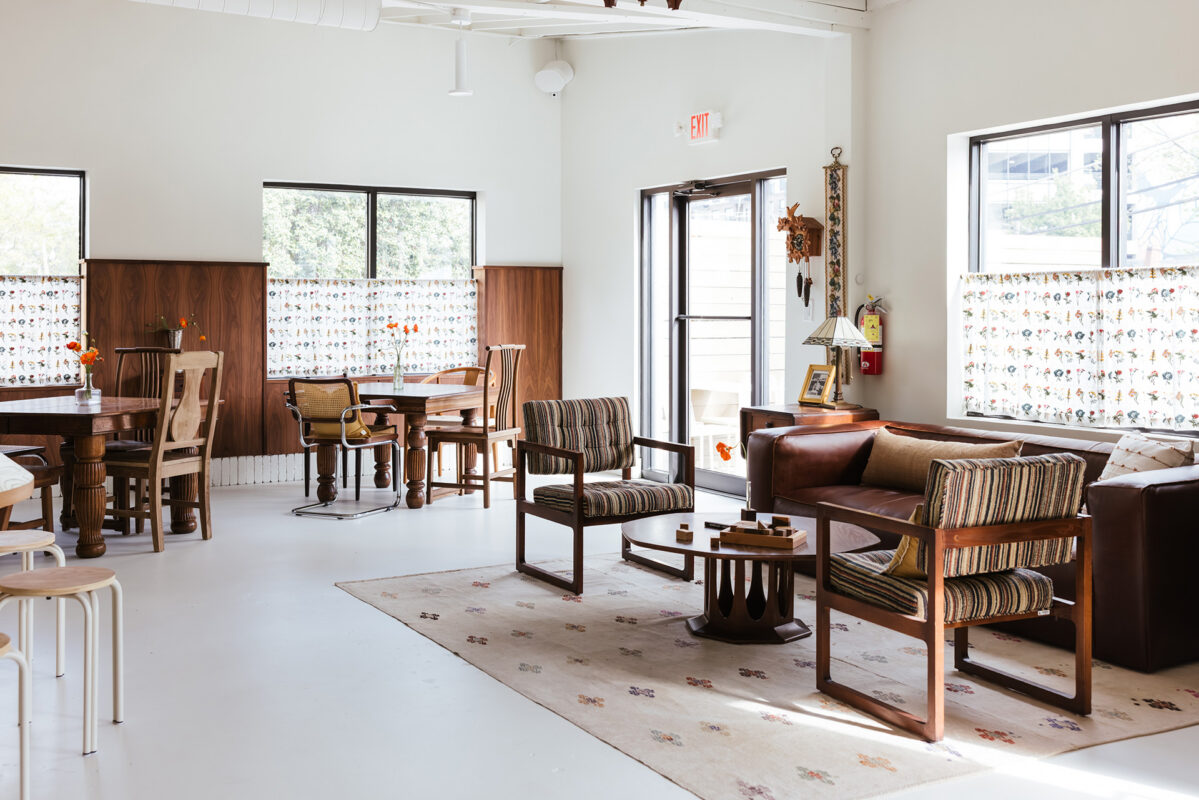
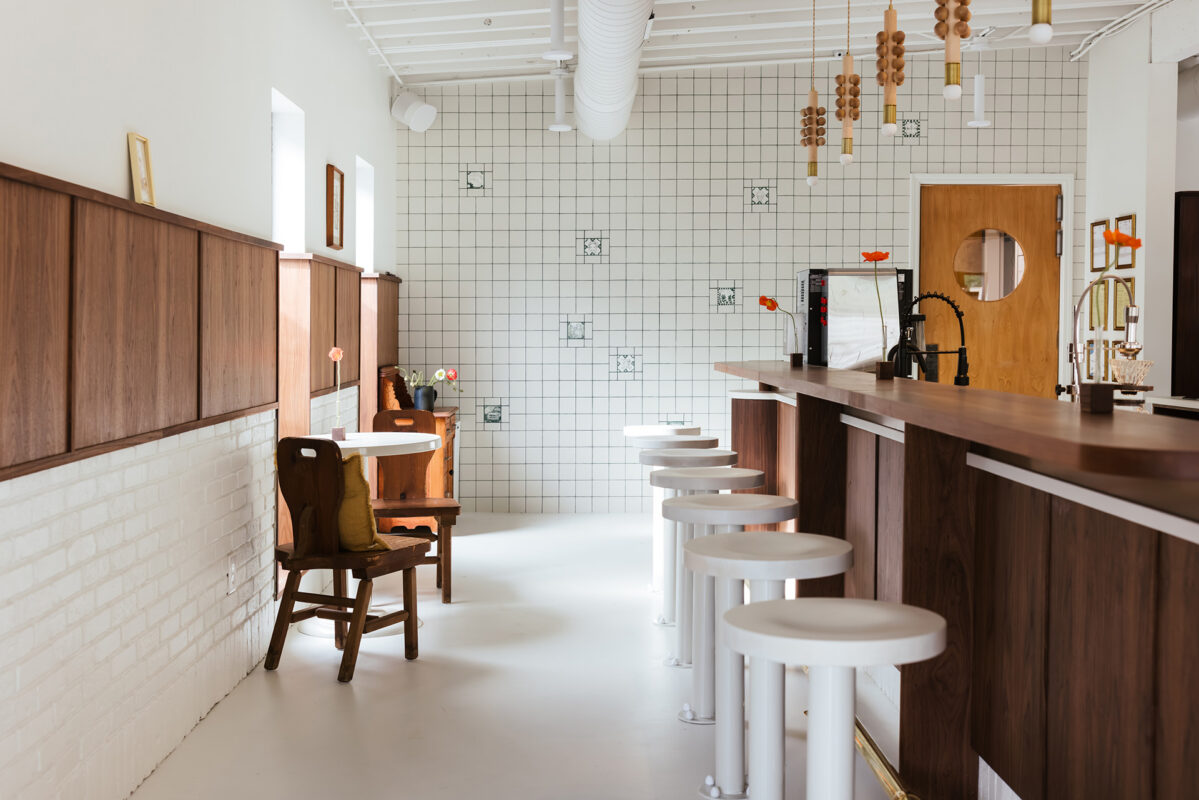
This dual inspiration serves as the guiding principle for the physical environment of the new Chamblee location. The design, spearheaded by Commoner Design Co., utilizes what Perry describes as the "Grandmother Filter"—a rigorous selection process for every material and aesthetic element introduced into the space. The architectural execution, managed by Moeller & Purcell, focuses on a mid-century modern aesthetic that balances brightness with a sense of accessibility. From custom tiles crafted by the internal team to the intentional selection of textures and color palettes, the cafe is designed to facilitate communal connection while preserving a narrative of historical continuity.
Operational Chronology and Technical Specifications
Stellow’s transition from a mobile service provider to a permanent brick-and-mortar establishment marks a significant shift in their business model. After seven years of operating an espresso bar service across the Atlanta metropolitan area, the company finalized the construction of its flagship cafe, which opened its doors on April 24, 2026.

The technical infrastructure of the shop represents a significant investment in high-performance equipment. The bar is anchored by a custom-built, three-grouphead La Marzocco Strada espresso machine, finished in a white aesthetic with walnut accents. The choice of hardware extends to the grinding process, where the shop employs the La Marzocco Swan, a piece of equipment currently positioned at the forefront of grinding technology for its consistency and user-friendly interface. Furthermore, the integration of Modbar pour-over systems allows for a rotating selection of single-origin coffees, enabling staff to focus on the nuances of seasonal beans while maintaining a clean, minimalist service counter.
The Philosophy of Product and Education
The beverage program at Stellow is built upon a dual commitment to accessibility and artisanal quality. By prioritizing in-house production for all syrups and utilizing locally roasted beans, the management aims to bridge the gap between complex specialty coffee and the everyday consumer.
The menu includes a broad spectrum of offerings, ranging from traditional espresso-based drinks—such as cappuccinos, lattes, and cortados—to specialized products like ceremonial-grade matcha and "Blue Matcha." This approach is designed to cater to a diverse demographic, providing educational touchpoints for customers who may be new to specialty coffee while maintaining the technical standards expected by enthusiasts. The internal production of syrups also functions as a quality control measure, ensuring that the flavor profiles remain consistent with the brand’s overarching mission of fresh, intentional service.
Sustainability and Community Integration
In an industry increasingly scrutinized for its environmental impact, Stellow has implemented specific protocols to mitigate waste. The cafe utilizes fully biodegradable cups and maintains a policy of donating all spent coffee grounds, which are often repurposed by local community members for composting or agricultural use.
The collaboration with local craftspeople—including Silt Studios for specialized woodwork and installations, and Legacy Coffee Tech for the custom engineering of their espresso systems—underscores a commitment to the regional economy. By relying on local vendors for both construction and supply, Stellow seeks to minimize its carbon footprint while fostering a localized supply chain that supports the broader Atlanta creative community.
Broader Implications for the Atlanta Coffee Market
The opening of Stellow in the Chamblee corridor highlights a broader trend in the coffee industry: the decentralization of specialty coffee away from major urban cores toward rapidly developing suburban hubs. As Atlanta’s infrastructure expands, the demand for high-quality, neighborhood-focused coffee shops has surged. Establishments like Stellow are filling this gap by offering a "third place"—a social environment separate from home and work—that emphasizes local identity and personalized service.
Market analysts suggest that the success of such independent coffee houses in the post-2025 period relies heavily on their ability to cultivate a loyal community base. By leveraging the seven-year reputation established through their mobile service, Stellow has effectively bypassed the traditional "ramp-up" phase of a new business. Their focus on staff culture, as mentioned by the ownership, acts as a primary driver of customer retention. In an era where automated and high-volume coffee service is increasingly common, the human-centric approach taken by Stellow serves as a point of differentiation.
Future Outlook and Industry Context
As the 2026 Build-Outs of Coffee series concludes, the industry is left with a clear picture of where specialty coffee is heading: a marriage of high-end, bespoke technology and deep, personal storytelling. The success of Stellow in the competitive Atlanta market will likely be measured not just by the volume of product sold, but by its ability to remain a permanent fixture in the local cultural fabric.
The integration of professional-grade machinery, such as the Modbar and La Marzocco systems, ensures that the cafe remains competitive in terms of extraction quality and service efficiency. However, it is the intentionality of the design—the "Grandmother Filter"—that provides the emotional hook necessary to build a lasting brand.
Looking forward, the cafe aims to continue its focus on educational outreach, hosting events or providing information that helps consumers understand the sourcing and preparation of their beverages. For a market as saturated and sophisticated as Atlanta, Stellow represents the maturation of the independent operator, demonstrating that success is found at the intersection of technical excellence, environmental responsibility, and, most importantly, a clear and resonant personal narrative. As the city continues to grow, the presence of such establishments serves as an indicator of a resilient, quality-driven hospitality sector that values heritage as much as it does innovation.