Angie Faith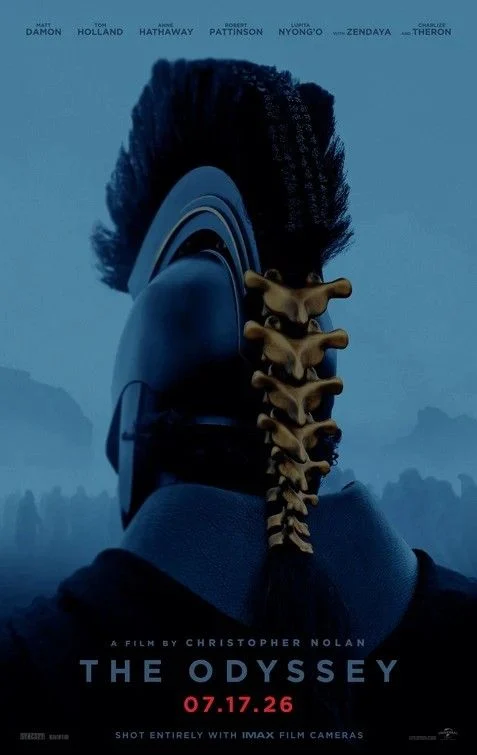
Christopher Nolan’s highly anticipated cinematic adaptation of Homer’s ancient epic, "The Odyssey," is slated for a grand theatrical release on July 17, 2026. The film, which has been generating considerable buzz for years, promises to bring to life the harrowing ten-year journey of King Odysseus as he strives to return to his homeland of Ithaca and reunite with his family following the conclusion of the Trojan War. This ambitious undertaking marks Nolan’s foray into adapting one of the most foundational works of Western literature, a text whose influence has resonated through millennia and continues to shape contemporary culture.
The enduring legacy of "The Odyssey" is undeniable. Scholars date its composition to approximately 725-675 BCE, a testament to its antiquity. Yet, its impact on literary discourse and popular culture remains remarkably potent. The term "odyssey" itself has been assimilated into the common lexicon, serving as a widely understood metaphor for any long, arduous, and often perilous journey. This linguistic integration underscores the profound and lasting impression Homer’s narrative has made on human consciousness, illustrating how ancient tales can transcend their original context to become timeless touchstones for shared human experience.

A Star-Studded Ensemble Embarks on an Epic Voyage
The film boasts an impressive ensemble cast, poised to breathe new life into Homer’s immortal characters. Matt Damon is set to portray the central figure, Odysseus, the cunning and resilient king of Ithaca. He will be joined by a constellation of acclaimed actors, including Zendaya, Tom Holland, Lupita Nyong’o, Anne Hathaway, Robert Pattinson, Elliot Page, and Charlize Theron, among others. The sheer caliber of talent involved suggests a meticulously crafted and emotionally resonant adaptation, aiming to capture both the grandeur and the intimate struggles of Odysseus’s voyage.
The source material, Homer’s "Odyssey," is a sprawling epic divided into 24 books, presenting a complex tapestry of divine intervention, monstrous encounters, and profound human perseverance. The visual medium of film, particularly under the direction of a filmmaker known for his intricate narratives and immersive world-building like Christopher Nolan, offers a unique opportunity to translate this dense textual experience into a dynamic and accessible cinematic event. The inherent drama and fantastical elements of Greek mythology lend themselves exceptionally well to visual storytelling, promising a spectacle that can captivate both seasoned scholars of the original poem and newcomers to the tale.
The Enduring Appeal of Homer’s Masterpiece
The decision to adapt "The Odyssey" for a modern cinematic audience speaks volumes about the work’s continued relevance. The poem’s exploration of themes such as homecoming, loyalty, the nature of heroism, and the consequences of divine wrath remains universally relatable. Odysseus’s struggle against overwhelming odds, his resourcefulness in the face of adversity, and his unwavering desire to return to his family are archetypal elements that continue to resonate with audiences across generations.

Scholarly analysis of "The Odyssey" has consistently highlighted its intricate poetic structure, its complex characterizations, and its profound philosophical underpinnings. The poem delves into questions of identity, fate versus free will, and the relationship between mortals and the gods. Its rich mythological landscape, populated by figures like the cyclops Polyphemus, the sorceress Circe, the Sirens, and the sea monsters Scylla and Charybdis, provides fertile ground for imaginative interpretation and visual spectacle. The film’s success will likely hinge on its ability to balance these epic mythological encounters with the deeply human drama of Odysseus’s longing for home and the plight of his wife Penelope and son Telemachus, who are fending off suitors in Ithaca.
Pre-Film Immersion: Graphic Novel Retellings of Greek Mythology
In anticipation of the film’s release, a wealth of graphic novel adaptations and related works offer readers an opportunity to engage with the rich tapestry of Greek mythology. These visual interpretations provide accessible gateways to the epic tales, translating the dense prose of ancient texts into compelling illustrated narratives.
The Odyssey: A Graphic Novel by Gareth Hinds
For those seeking a direct prelude to Nolan’s film, Gareth Hinds’s graphic novel adaptation of "The Odyssey" is an essential read. Hinds, an award-winning artist renowned for his visual interpretations of classic literature, meticulously brings Homer’s epic to life. His stunning illustrations breathe new energy into Odysseus’s arduous journey, depicting the challenges he faces, from the wrath of Poseidon to encounters with mythical creatures. This adaptation serves as an excellent primer, offering a visually rich narrative that mirrors the core story Nolan’s film aims to tell. Hinds has also adapted Homer’s "The Iliad," providing a comprehensive visual companion to the Trojan War saga.

Age of Bronze: A Thousand Ships by Eric Shanower
To fully appreciate "The Odyssey," understanding the events that preceded it is crucial. Eric Shanower’s "Age of Bronze" series, particularly "A Thousand Ships," offers a meticulously researched and critically acclaimed prequel. This graphic novel delves into the causes and unfolding events of the Trojan War, a conflict that directly leads to Odysseus’s prolonged absence. Shanower’s work is noted for its historical accuracy and its nuanced portrayal of the legendary figures involved, including Achilles, Hector, and Odysseus himself. The series has garnered significant critical praise, including the Gran Guinigi Award for Best Comic Series and multiple Eisner Award nominations, highlighting its importance in the realm of historical and mythological graphic novels.
Wonder Woman Omnibus Vol 1 by George Pérez, Len Wein, Bruce Patterson
While not a direct adaptation of "The Odyssey," the classic "Wonder Woman" comics penned by George Pérez are deeply interwoven with Greek mythology. This omnibus edition collects seminal stories that explore the origins of the Amazons, the creation of Wonder Woman by the Greek gods, and her adventures in both the mythological realm and the modern world. The series provides a rich exploration of deities, demigods, and mythical locations such as Themyscira and Mount Olympus, offering a different lens through which to appreciate the enduring presence of Greek mythology in popular culture. The intricate storytelling and detailed artwork make these comics a compelling read for anyone interested in the intersection of superheroes and ancient myths.
Saint Seiya: The Lost Canvas Vol. 1 by Shiori Teshirogi
This manga series offers another perspective on Greek mythology, set in the 17th century. "Saint Seiya: The Lost Canvas" centers on a Holy War between Athena, the Greek Goddess of Wisdom and Warfare, and Hades, the King of the Underworld. The narrative follows Tenma, a Pegasus Saint, as he confronts his childhood friend Alone, who has been chosen to serve Hades. The series explores themes of destiny, sacrifice, and the clash between divine forces, drawing heavily on the pantheon and lore of Greek mythology. It showcases how these ancient narratives continue to inspire new creative works across different cultural and artistic mediums.

Lore Olympus: Volume One by Rachel Smythe
Rachel Smythe’s "Lore Olympus" has achieved widespread acclaim for its modern and captivating retelling of the myth of Hades and Persephone. This graphic novel series, which won an ALA Alex Award, reimagines the ancient story with contemporary sensibilities, exploring themes of forbidden love, family dynamics, and the complexities of relationships among the gods. Smythe’s distinctive art style, characterized by moody color palettes and expressive character designs, brings the Olympian world to life in a way that is both familiar and fresh. The series not only focuses on the central romance but also introduces a vibrant cast of mythological figures, offering intriguing interpretations of their personalities and relationships. The work tackles mature themes such as sexual assault and abusive relationships, grounding the fantastical elements in relatable human experiences.
Colette Decides to Die, Vol. 1 by Alto Yukimura
Another manga that offers a unique take on Greek mythology, "Colette Decides to Die" by Alto Yukimura, also features the figures of Hades and Persephone. The story follows Colette, an apothecary who, disillusioned with her life, attempts to end it but instead finds herself in the employ of the Lord of the Underworld. Through her work caring for Hades, Colette rediscovers her passion and purpose. The manga presents a tender and introspective exploration of these powerful mythological figures, highlighting their complexities and rekindling Colette’s own sense of drive. It demonstrates how the enduring archetypes of Greek mythology can be reinterpreted to explore themes of personal growth and finding meaning.
The Enduring Cultural Resonance of Greek Mythology
The persistent fascination with Greek mythology, evident in everything from blockbuster films to contemporary literature and art, speaks to its deep-seated influence on Western culture. The stories of gods, heroes, and monsters have provided a foundational framework for understanding human nature, morality, and the cosmos for centuries. Christopher Nolan’s "The Odyssey" is not merely an adaptation of an ancient text; it is a cultural event that reflects our ongoing engagement with these timeless narratives.

The themes of journey, transformation, and the struggle against fate are as relevant today as they were in ancient Greece. Odysseus’s quest for home, his encounters with the divine and the monstrous, and his ultimate triumph through wit and perseverance continue to inspire and resonate. The film’s anticipated release signifies a renewed interest in these foundational stories, offering a contemporary audience a chance to connect with the epic scope and profound humanity of Homer’s masterpiece.
The rich tradition of retelling and reinterpreting Greek myths, as seen in the various graphic novels discussed, ensures that these stories remain vibrant and accessible. By offering diverse perspectives and modern interpretations, these works bridge the gap between the ancient world and contemporary sensibilities, fostering a deeper appreciation for the enduring power of Homer’s epic and the broader tapestry of Greek mythology. The cinematic adaptation of "The Odyssey" is poised to become the latest chapter in this ongoing cultural dialogue, inviting audiences to embark on a journey that has captivated imaginations for millennia.