The landscape of social media marketing has fundamentally shifted from a realm of intuition and guesswork to one driven by meticulous data analysis. What once appeared as a sporadic pattern of hits and misses for content creators and marketers alike has now been demystified through the rigorous application of social media analytics. This evolution underscores a critical need for robust tools capable of dissecting performance metrics, identifying actionable insights, and ultimately, guiding strategic decisions across diverse digital platforms.

The Evolution and Imperative of Data-Driven Social Media
In its nascent stages, social media engagement was often measured by rudimentary metrics like likes and shares. However, as platforms proliferated and digital marketing budgets swelled, the demand for deeper understanding grew exponentially. Businesses, from nascent startups to multinational corporations, recognized that merely posting content was insufficient; understanding why certain content resonated, when audiences were most receptive, and how these interactions translated into business objectives became paramount. This shift has propelled social media analytics from a supplementary feature to a core component of any effective digital strategy. The global social media analytics market, valued at over $8 billion in 2023, is projected to grow significantly, highlighting the increasing investment by organizations seeking a competitive edge.
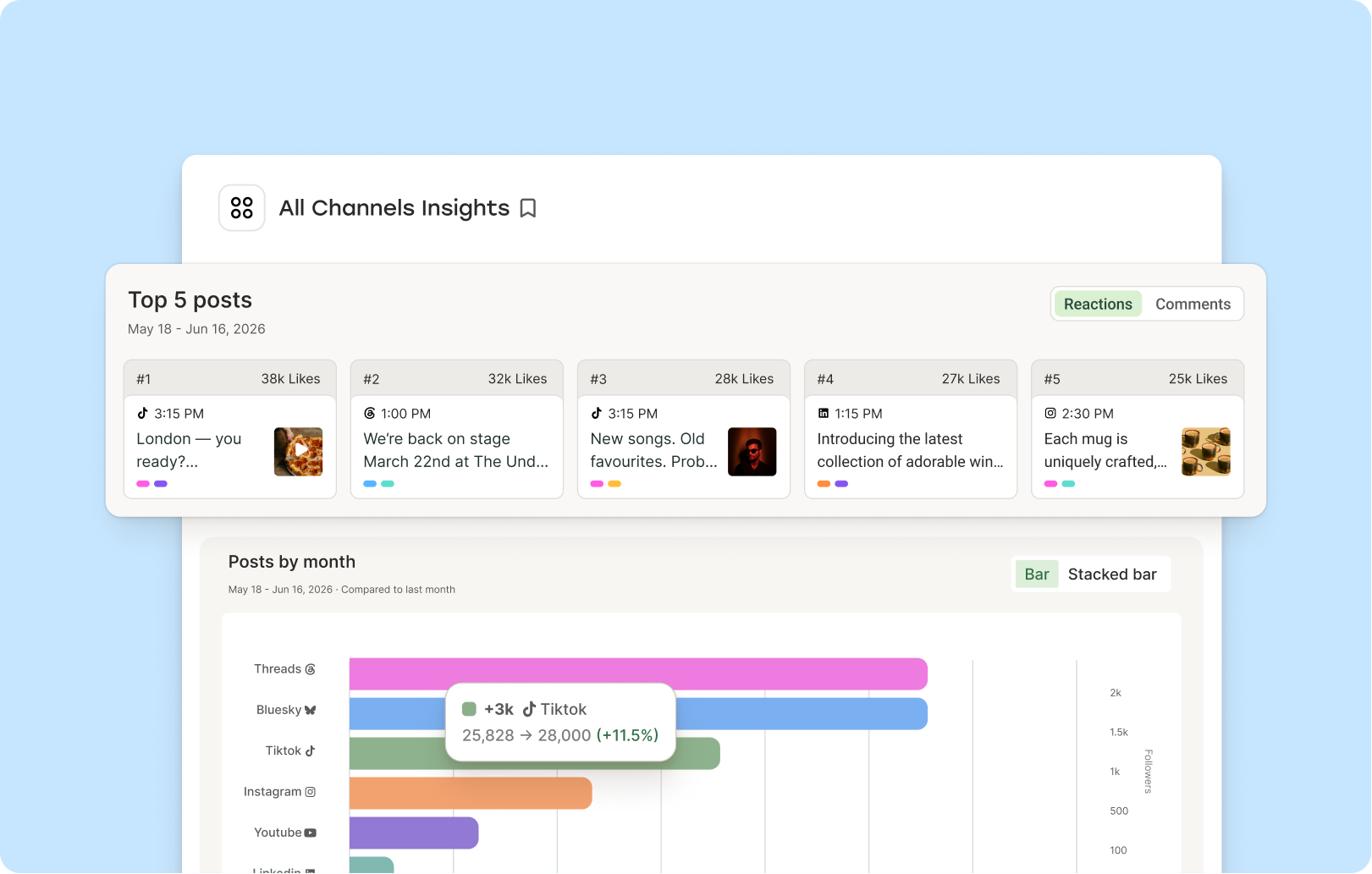
The journey of a social media post, from creation to consumption, generates a vast array of data points. These include reach (the number of unique users who saw the content), impressions (the total number of times the content was displayed), engagement rate (likes, comments, shares, saves relative to reach or impressions), click-through rate (CTR), and critical shifts in follower demographics or growth. Tracking these metrics moves beyond simple vanity numbers, providing a roadmap for future content development, audience targeting, and campaign optimization. It answers fundamental questions such as: "Which content formats consistently drive the highest engagement?" "What posting schedule maximizes visibility for our target audience?" and "How effectively are our social media efforts contributing to broader business goals like website traffic or conversions?"
Distinguishing Analytics from Data Analysis and Reporting
While often used interchangeably, social media analytics and social media data analysis are distinct yet closely related concepts. Analytics refers to the raw metrics and quantitative data points themselves – the ‘what’ and ‘how much.’ Social media data analysis, conversely, is the interpretive process of delving into these numbers to discern patterns, identify trends, and derive meaningful conclusions that inform future actions – the ‘why’ and ‘what next.’ Both are essential for transforming raw data into strategic intelligence.
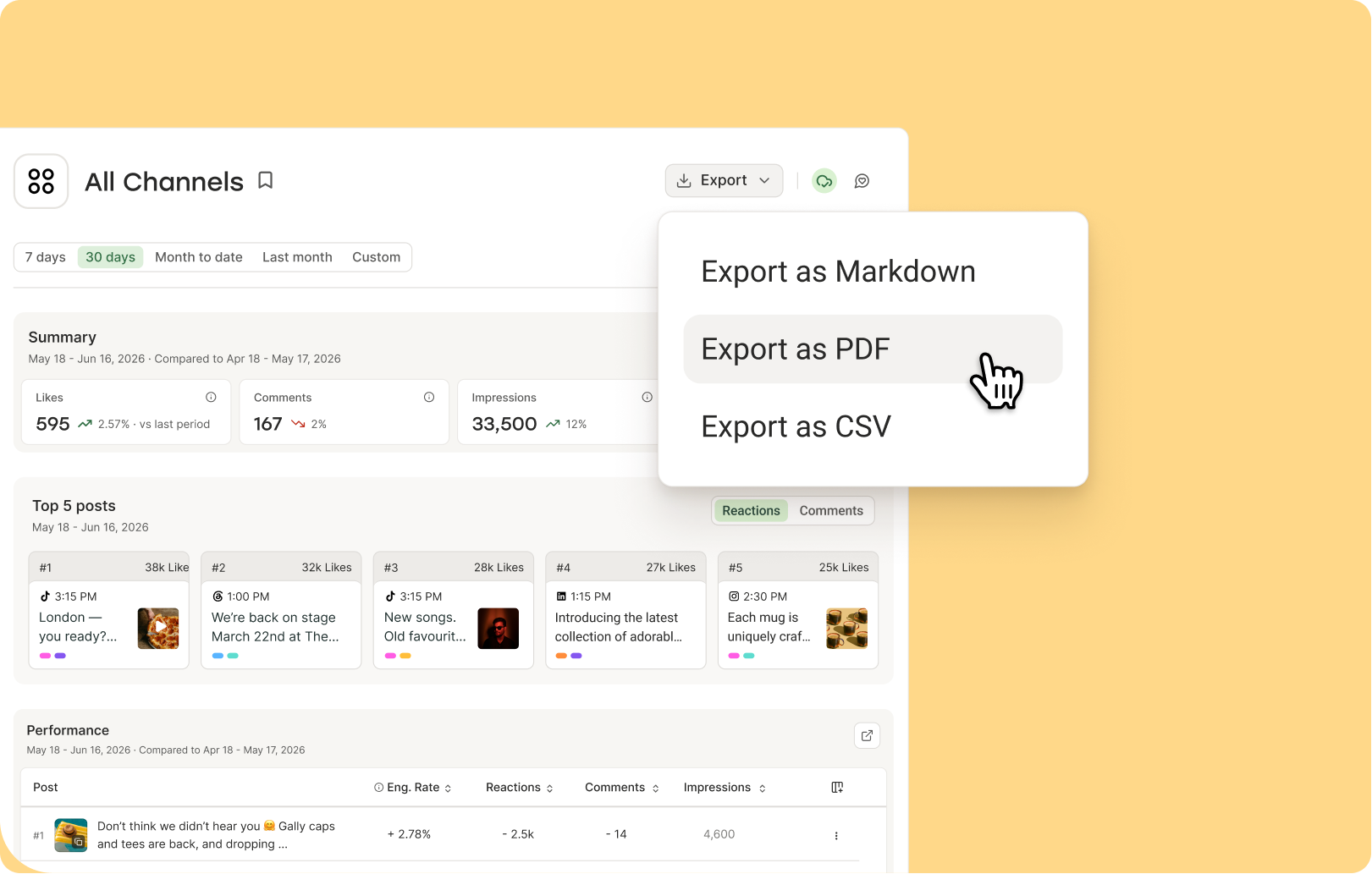
Similarly, analytics and reporting serve different functions within the same overarching process. Analytics involves the collection and measurement of data, answering "what happened?" and "why did it happen?" Reporting then takes this analysis and presents it in a clear, digestible format for stakeholders, clients, or internal teams. Effective social media reporting tools seamlessly integrate both functions, pulling raw data and organizing it into intuitive dashboards, customizable PDF documents, or branded presentations. The choice between a tool that emphasizes analytics or reporting often depends on the user’s role; a solo creator might prioritize an analytics dashboard for quick insights, while an agency managing multiple client accounts would value automated, white-label reporting capabilities.
Limitations of Native Platform Insights
All major social media networks, including Facebook, Instagram, LinkedIn, and TikTok, offer their own suite of native insights. These built-in dashboards provide basic performance data at no additional cost, making them a common starting point for many users. However, relying solely on native insights presents several significant challenges:
- Incomplete Data: Native platforms often lack granular data points crucial for advanced analysis. For instance, LinkedIn’s native analytics does not provide timestamps on past posts, making it exceedingly difficult for marketers to pinpoint optimal posting times based on historical engagement patterns.
- Data Silos: For businesses operating across multiple platforms, native insights necessitate logging into each platform separately to gather data. This fragmented approach creates data silos, making it cumbersome to piece together a holistic view of overall campaign performance or cross-channel audience behavior. Manually aggregating this data into spreadsheets is a significant time sink and prone to human error.
- Lack of Comparative Analysis: Native dashboards focus exclusively on a user’s own performance, offering no direct means to benchmark against competitors or industry averages. This absence limits strategic understanding of market position and missed opportunities.
- Limited Customization and Integration: Native tools generally offer restricted customization options for dashboards and reports. Furthermore, they rarely integrate with other marketing tools in a business’s tech stack (e.g., CRM, email marketing, or other analytics platforms), hindering a unified view of marketing efforts.
These limitations highlight the growing necessity for third-party social media analytics tools, which are specifically designed to overcome these hurdles by providing consolidated, in-depth, and actionable intelligence.
The Landscape of Third-Party Social Media Analytics Tools
The market for social media analytics tools is diverse, catering to a spectrum of needs from individual creators to large enterprises. These tools can be broadly categorized by their primary focus and the types of analytics they emphasize:
- Descriptive Analytics: These tools focus on "what happened," providing raw metrics like impressions, clicks, and engagement rates. Most entry-level tools offer this.
- Diagnostic Analytics: Moving beyond ‘what,’ these tools aim to explain "why it happened" by analyzing content types, posting times, and audience reactions.
- Predictive Analytics: More advanced tools use historical data and machine learning to forecast "what will happen," identifying emerging trends or potential campaign outcomes.
- Prescriptive Analytics: The most sophisticated tools offer recommendations on "what you should do," leveraging AI to suggest optimal strategies.
While most social media analytics tools excel at descriptive and diagnostic analytics, a select few venture into the more complex predictive and prescriptive territories, often at a premium cost. Users must also decide between dedicated social media analytics tools and comprehensive social media management software that integrates analytics with scheduling, community management, and content planning. For individual creators and small teams managing their entire social media strategy, an all-in-one management tool is often more efficient. However, dedicated analytics tools become indispensable when specific, deep insights (e.g., competitive analysis, advanced sentiment analysis) are required beyond what a management tool can provide.
Key Players in the Analytics Ecosystem (2026 Overview)
A review of leading tools reveals specialized strengths tailored to various user profiles:
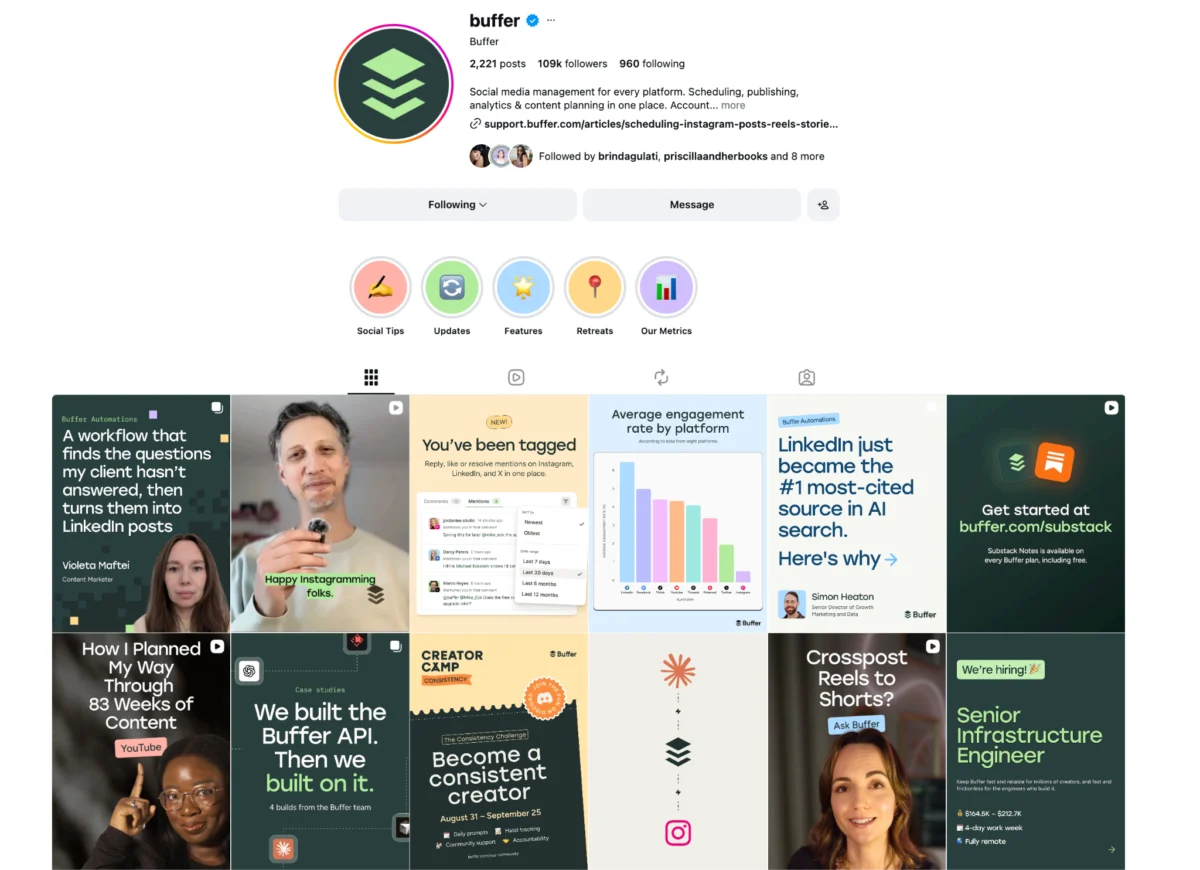
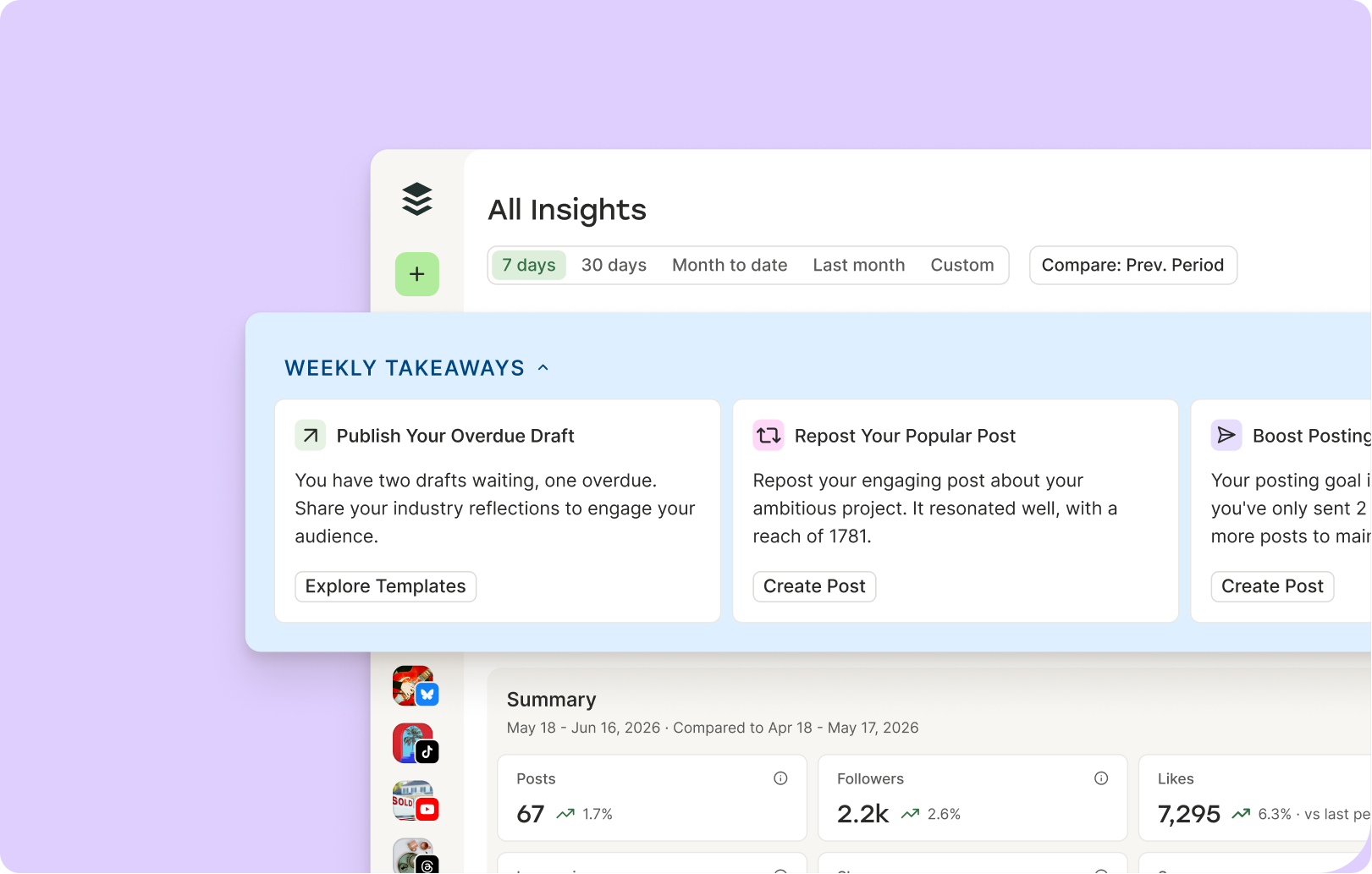
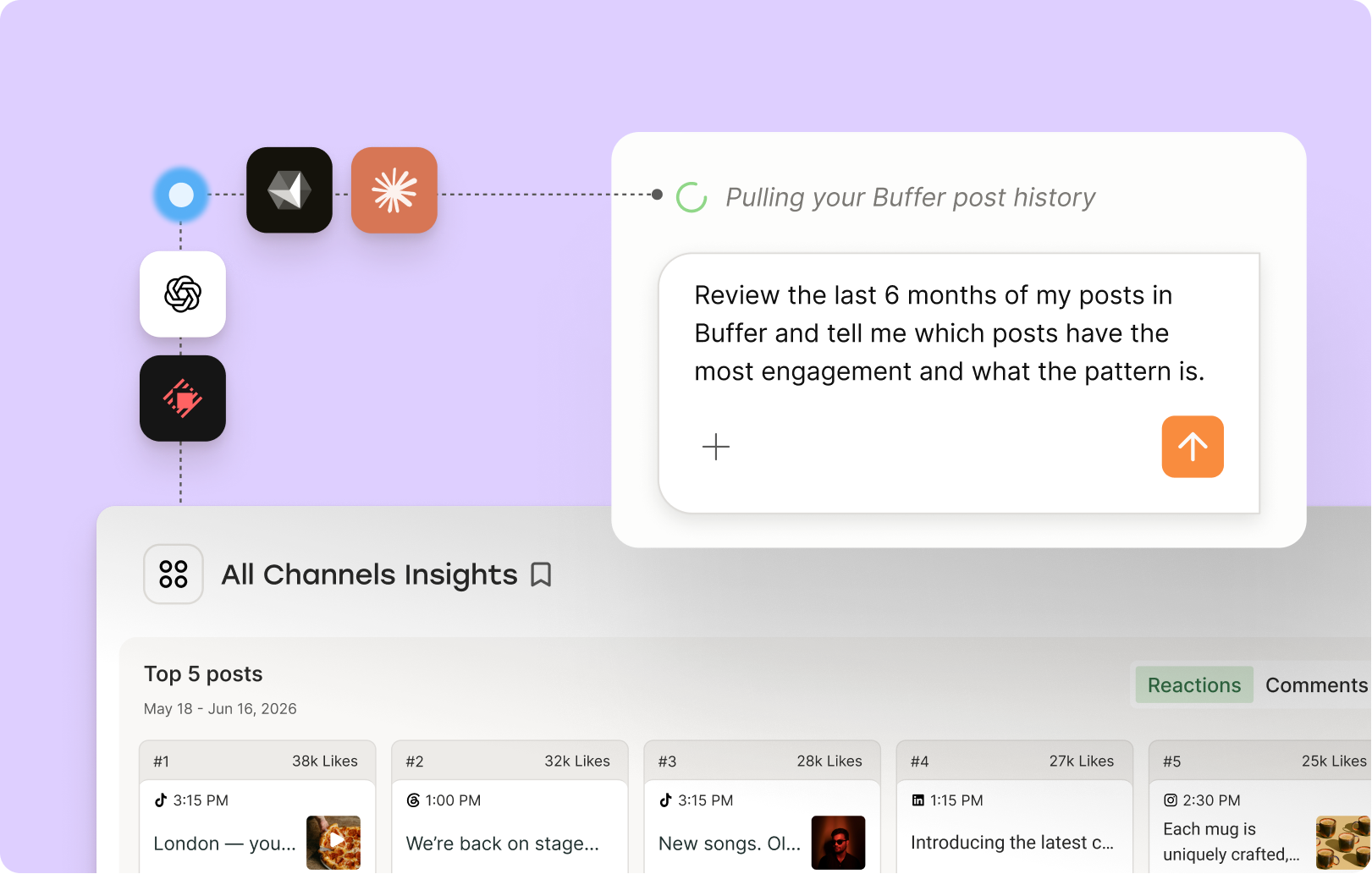
- Buffer: The Creator and Growing Team’s Ally. Buffer stands out for its user-friendly interface and AI-powered "Takeaways" feature, which translates complex data into actionable recommendations. It consolidates metrics across numerous platforms (Bluesky, Facebook, Instagram, LinkedIn, Mastodon, Pinterest, Threads, TikTok, X, YouTube), providing an accessible dashboard for understanding top-performing posts and follower growth. Its ability to export polished reports and its integration potential with AI tools via MCP (Multi-Channel Publishing) make it a strong contender for those seeking efficiency and clarity without a steep learning curve.
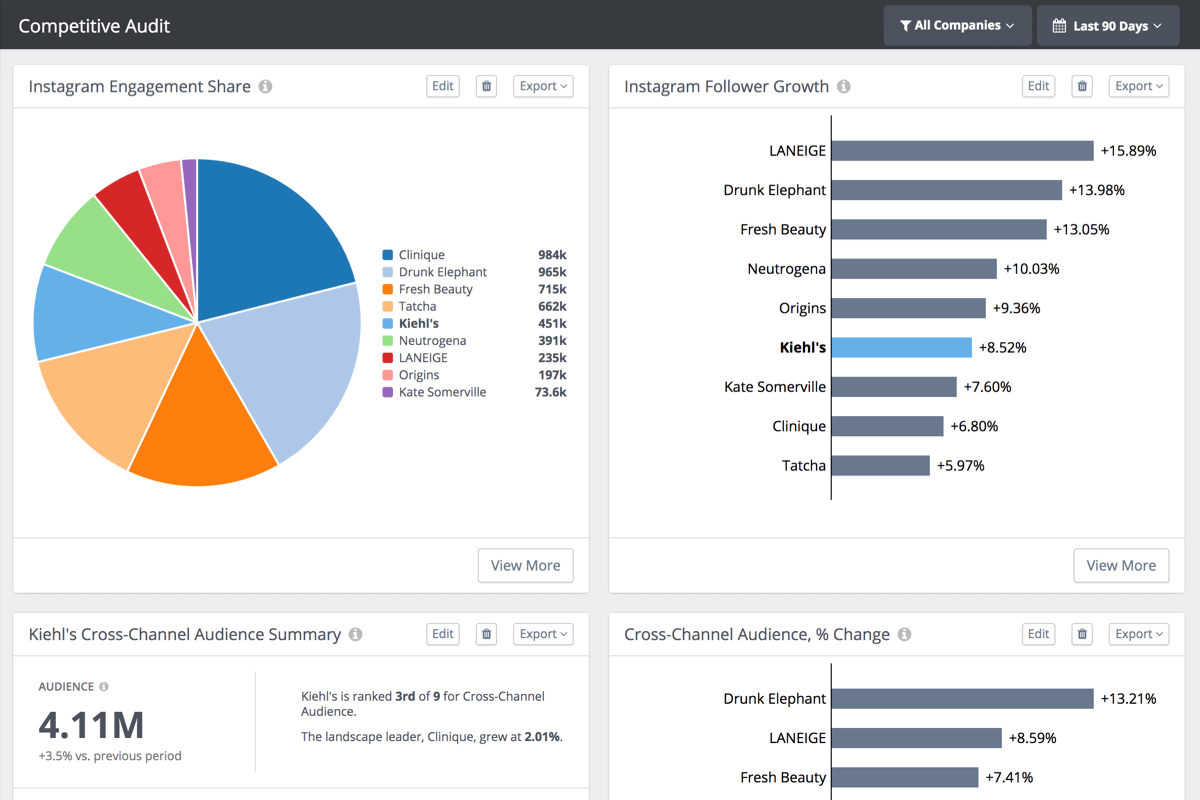
- Rival IQ: The Large Agency’s Competitive Edge. Designed for extensive competitive benchmarking, Rival IQ offers deep insights into competitor performance, content strategies, and even ad boosting patterns. Its comprehensive suite includes social listening and competitive analysis, making it an all-in-one solution for agencies requiring detailed market intelligence to inform client strategies.
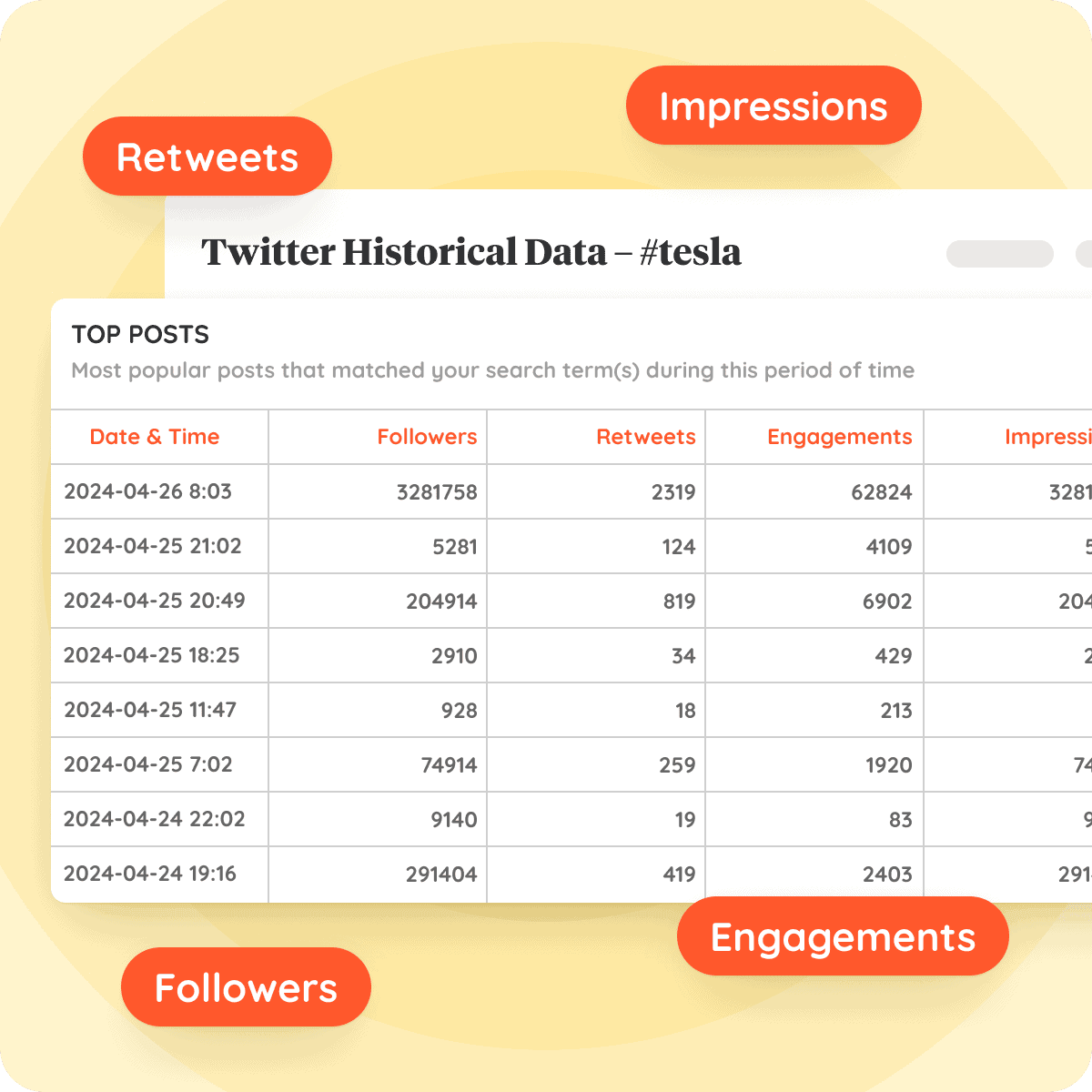
- Keyhole: The Market Researcher’s Deep Dive. Keyhole excels in historical insights and market trend analysis, particularly for understanding long-term conversations and sentiment evolution. Its ability to access up to a decade of historical X (formerly Twitter) data, combined with machine learning for identifying emerging trends, provides powerful intelligence for product development and strategic planning.
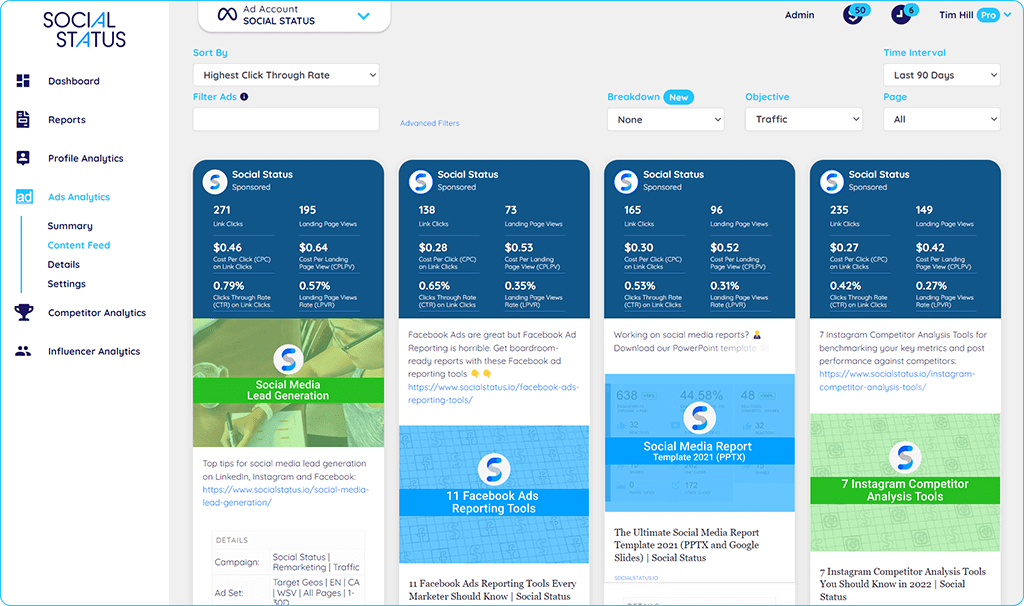
- Social Status: Empowering Small Businesses with Ads and Influencers. This tool is tailored for small businesses that blend organic social efforts with paid advertising and influencer partnerships. It streamlines the measurement of ad performance, influencer ROI, and user-generated content, offering a consolidated view of multi-faceted campaigns.
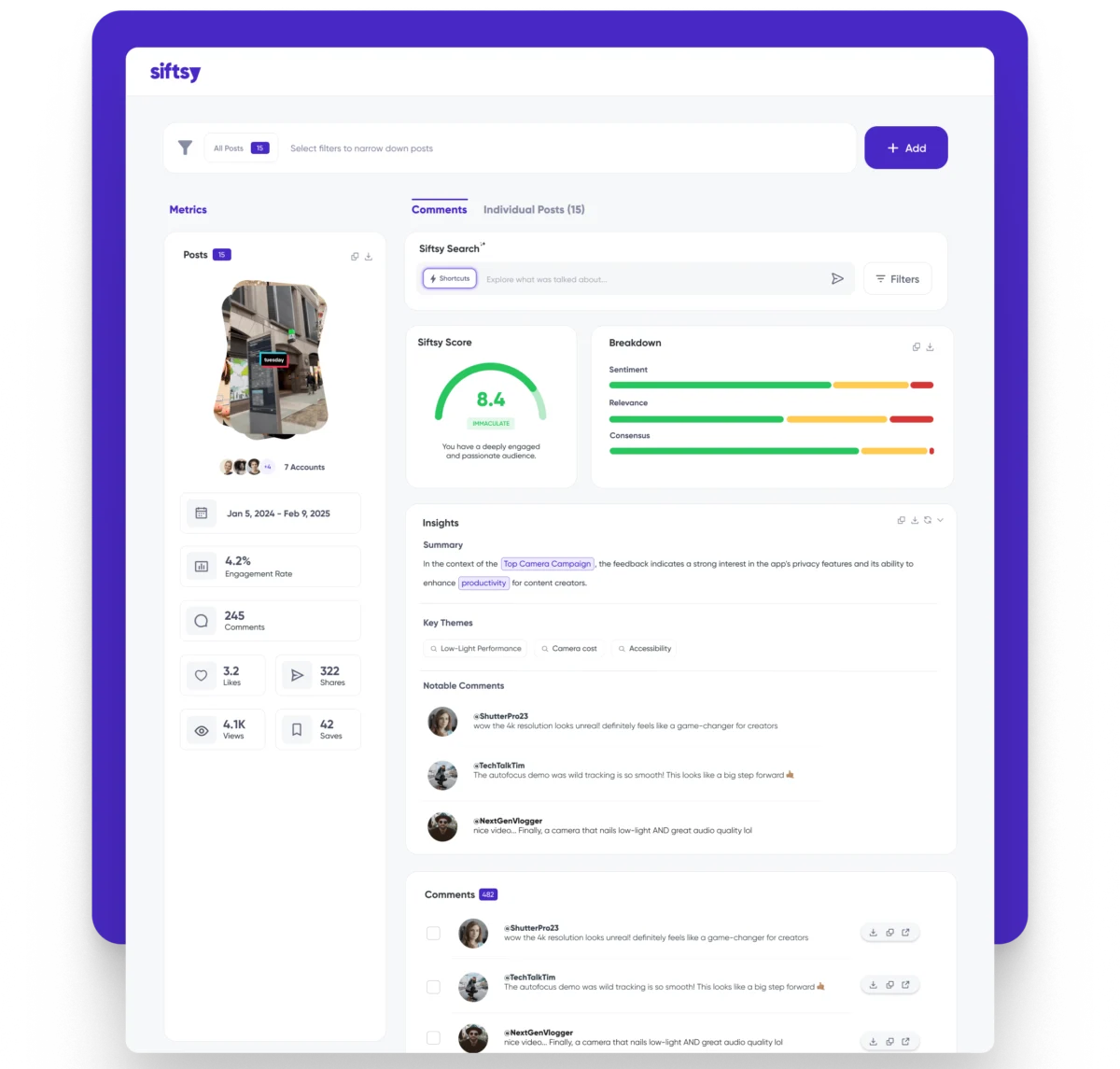
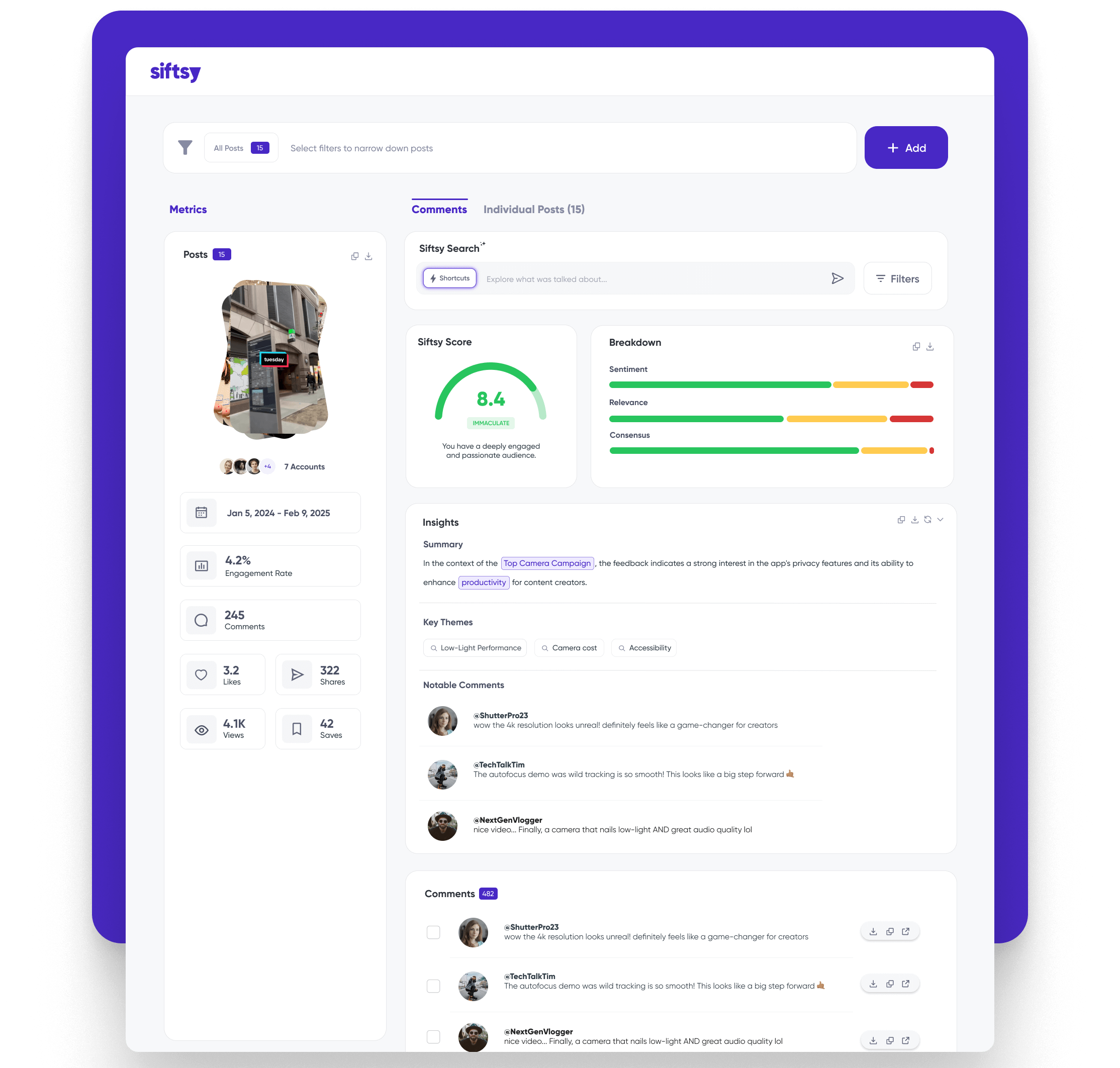
- Siftsy: Unlocking the "Why" in Comments. Siftsy specializes in sentiment analysis, leveraging AI to extract qualitative insights from comments across platforms. This capability is invaluable for understanding audience perception, identifying pain points, and recognizing successful content strategies, moving beyond mere quantitative metrics.
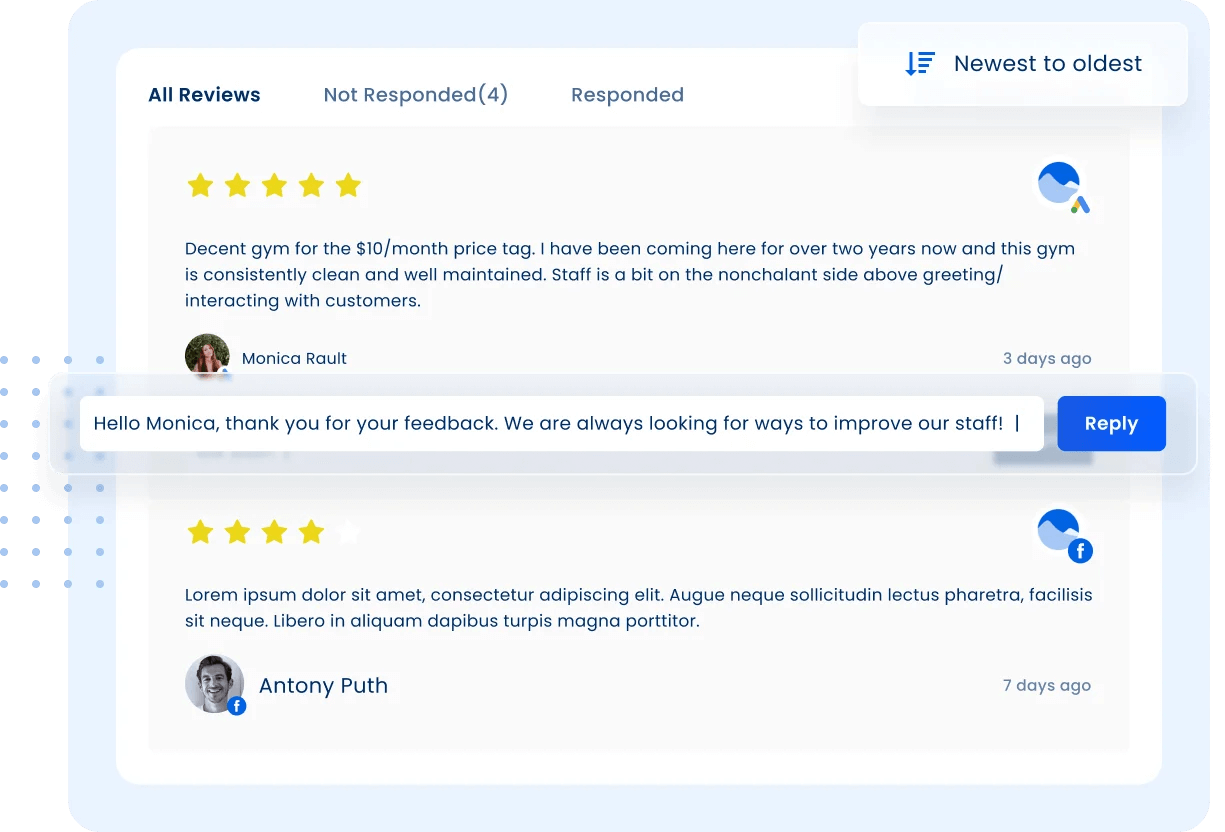
- Vista Social: Comprehensive Review and Social Management. Beyond traditional social metrics, Vista Social integrates review management from various platforms (Google Business, Yelp, TripAdvisor), allowing businesses to monitor, respond to, and analyze customer feedback alongside their social media performance. This holistic approach is crucial for online reputation management.
- Typefully: The X (formerly Twitter) Specialist. For users intensely focused on X, Typefully offers a highly optimized experience, including unique metrics like "profile conversion rate" to gauge the effectiveness of profile visits. Its robust thread-writing features and analytics make it a go-to for X power users.
- Tailwind: Driving Traffic via Pinterest. Recognizing Pinterest’s dual role as a social network and search engine, Tailwind provides specialized analytics for Pinterest marketing. Its Google Analytics integration helps users pinpoint which pins drive website traffic, enabling data-driven optimization of visual content strategies.
- DashThis: The All-in-One Marketing Dashboard. While not exclusively a social media tool, DashThis shines in its ability to consolidate social media metrics with data from over 30 other marketing platforms (Google Analytics, HubSpot, various ad platforms). This creates a unified marketing dashboard, ideal for large teams needing to present a holistic view of their marketing ROI to stakeholders.
- Socialinsider: AI-Driven Content Pillar Optimization. Socialinsider offers advanced AI-driven insights into content pillars, helping marketers understand which themes resonate most effectively. Its competitive analysis features further allow users to benchmark their content strategies against competitors, refining their approach based on market performance.
- Talkwalker: Deep Audience and Brand Insights. Talkwalker specializes in granular audience analytics, pulling insights from diverse sources like customer calls and online communities. Its audience segmentation capabilities, combined with AI assistance (Yeti), enable global brands to understand specific demographic segments and tailor content accordingly. Its recent acquisition by Hootsuite further enhances its integration into broader social media management workflows.
Strategic Application of Analytics: From Data to Action
Acquiring a powerful analytics tool is merely the first step; the true value lies in its consistent and intelligent application. An effective process typically involves:
- Goal-Oriented Tracking: Instead of drowning in a sea of numbers, align metric tracking with specific social media goals. For instance, if the goal is brand awareness, focus on reach and impressions. For lead generation, prioritize click-through rates and conversions.
- Consolidated Data View: Leverage third-party tools to centralize data from all platforms into a single dashboard. This eliminates manual data compilation and provides an immediate cross-channel perspective.
- Seeking the "Why": Move beyond simply identifying "what" happened to understanding "why" it occurred. Analyze correlations between content types, posting times, and engagement spikes. AI-driven insights can significantly accelerate this diagnostic process.
- Establishing a Consistent Cadence: Regular review is crucial. Weekly check-ins can identify immediate trends and opportunities for minor adjustments, while monthly deep dives allow for strategic recalibration based on long-term performance and market shifts. Campaign-specific daily monitoring ensures agility.
- Automated Reporting: Streamline the reporting process by utilizing tools that generate repeatable, shareable reports (PDF, CSV). This saves invaluable time, allowing marketers to focus on analysis and strategy rather than tedious data compilation. Integrating with AI tools can further enhance report interpretation and content generation.
Broader Implications and Future Outlook
The continued sophistication of social media analytics tools has profound implications for the future of digital marketing. They democratize data-driven decision-making, allowing even small businesses to compete more effectively. They enhance accountability by providing tangible metrics for return on investment, justifying marketing expenditures. Furthermore, the increasing integration of AI and machine learning promises more predictive and prescriptive capabilities, moving from understanding past performance to proactively shaping future success.
As social media platforms evolve and new channels emerge, the ability to centralize, analyze, and act upon performance data will remain a critical differentiator. Businesses that embrace advanced analytics will be better positioned to understand their audiences, optimize their content strategies, and navigate the ever-changing digital landscape with precision and confidence, ensuring their social media efforts are not just visible, but genuinely impactful.