The contemporary digital landscape presents a formidable challenge for brands, creators, and businesses striving for an impactful online presence: managing multiple social media accounts efficiently and effectively. What once began as a simple endeavor on a single platform has evolved into a complex ecosystem where visibility often demands a strategic presence across numerous networks, each with its unique audience, content formats, and engagement nuances. The experience of juggling multiple browser tabs, phone applications, and the repetitive task of copy-pasting content across platforms has become a familiar, often exhausting, reality for many, signaling an urgent need for more streamlined approaches.
The proliferation of social media platforms over the past two decades has profoundly reshaped how individuals and organizations communicate, market, and build communities. From the early days of MySpace and Facebook, the digital arena has expanded to include giants like Instagram, TikTok, LinkedIn, X (formerly Twitter), Pinterest, and emerging platforms such as Threads and Bluesky. This fragmentation of audience attention means that to reach diverse demographics and achieve varied marketing objectives—from brand awareness and customer engagement to lead generation and direct sales—a multi-platform strategy is no longer optional but essential. However, this necessity introduces significant operational overhead, risking burnout for solo creators and resource strain for marketing teams.
The Evolution of the Multi-Platform Challenge
The journey from single-platform engagement to multi-platform saturation can be traced through several phases. Initially, businesses could largely focus their digital marketing efforts on one or two dominant platforms, such as Facebook or LinkedIn, and achieve substantial reach. Content creation was often tailored to these specific environments, and manual posting, while time-consuming, was manageable.

As new platforms emerged, each capturing different segments of the internet user base, the pressure mounted to expand digital footprints. Instagram revolutionized visual content, TikTok popularized short-form video, and LinkedIn solidified its role as a professional networking hub. Each new addition, while offering immense potential for reach and engagement, also added another layer of complexity to content strategy, scheduling, and community management. Marketers and creators found themselves performing the same actions—crafting captions, uploading media, monitoring comments—repeatedly across disparate interfaces. This fragmented approach led to inefficiencies, inconsistencies in brand messaging, and an increased likelihood of missed opportunities or delayed responses. The demand for a more integrated and automated solution became palpable as the digital workload spiraled.
The Strategic Imperative: Doing Repetitive Tasks Once
The core philosophy for overcoming this multi-platform dilemma is not to "do more" but to "do the repetitive parts once." This shift in mindset from manual labor to strategic automation and consolidation is critical for sustainable growth and impact. Industry analysts and digital marketing experts consistently advocate for an integrated approach, leveraging technology and well-defined processes to centralize operations. A recent survey by Social Media Today indicated that over 70% of businesses actively manage more than three social media platforms, with a significant portion managing five or more. This statistic underscores the widespread nature of the challenge and the universal need for efficient management solutions.
Seven Core Tactics for Streamlined Social Media Management
Addressing the complexities of multi-platform presence requires a multifaceted strategy. The most efficient way to manage multiple social media accounts involves connecting them all to a single social media management tool, working from a unified content calendar, scheduling posts, replying to comments and direct messages, and checking analytics from one centralized dashboard. Beyond this fundamental integration, additional tactics such as leveraging templates, strategic content curation, intelligent crossposting and repurposing, and gradual platform expansion further optimize workflows and prevent burnout.
1. Centralizing Operations with a Social Media Management Tool
At the heart of any efficient multi-platform strategy lies a robust social media management (SMM) tool. These platforms serve as command centers, consolidating all social media activities into a single interface. The global social media management market size was valued at approximately USD 16.1 billion in 2023 and is projected to grow significantly, reaching over USD 40 billion by 2030, reflecting the increasing reliance of businesses on these solutions.
- Unified Dashboard: An SMM tool allows users to connect accounts from various networks—Facebook, Instagram, LinkedIn, X, TikTok, Pinterest, and more—and manage them from one central dashboard. This eliminates the need for constant logging in and out of individual applications, saving substantial time.
- Content Scheduling: The primary benefit is the ability to schedule posts across all connected platforms simultaneously or at staggered times. Users can craft a single piece of content, adapt it slightly for different platforms if necessary, and schedule its publication far in advance, ensuring consistent presence without real-time manual intervention.
- Engagement Management: Many SMM tools integrate inboxes that aggregate comments, mentions, and direct messages from all connected accounts. This allows for quicker, more organized responses, improving customer service and community engagement.
- Performance Analytics: Comprehensive analytics dashboards provide insights into content performance, audience demographics, and engagement metrics across all platforms. This unified view enables data-driven decision-making, helping to refine strategies and optimize future content.
- Collaboration Features: For teams and agencies, SMM tools often include features for team collaboration, role assignments, approval workflows, and client management, ensuring smooth operations and accountability.
For instance, platforms like Buffer offer a user-friendly interface for creators and small businesses, allowing them to connect multiple channels and schedule content for free, providing a tangible starting point for adopting these efficiencies. While no tool can natively publish every single feature across every platform (e.g., certain interactive elements or first comments on Instagram might still require manual steps), the vast majority of routine tasks are automated, drastically reducing the manual workload.
2. Cultivating a Solid Social Media Strategy and Content Calendar
Before any content is created or scheduled, a clear, well-defined social media strategy is paramount. Without it, efforts become reactive and unfocused, leading to inconsistent messaging and suboptimal results. A robust strategy answers fundamental questions:
- Audience: Who are we trying to reach on each platform? What are their demographics, interests, and pain points?
- Goals: What specific objectives are we trying to achieve (e.g., brand awareness, lead generation, community building)?
- Key Performance Indicators (KPIs): How will we measure success for each goal?
- Brand Voice and Messaging: How do we want to communicate? What core messages do we want to convey?
Once the strategy is established, it directly informs the content calendar. A social media content calendar is more than just a schedule; it’s a strategic roadmap that outlines what content goes live, on which network, at what time, and, crucially, why. This systematic approach ensures content aligns with overall business objectives, maintains brand consistency, and addresses audience needs effectively. For agencies managing client accounts, separate calendars and workspaces within an SMM tool are essential for maintaining clear distinctions and customized strategies.
3. Maximizing Content Value: Crossposting and Repurposing
One of the most powerful tactics for efficiency is extending the lifespan and reach of existing content through crossposting and repurposing. This approach significantly reduces the pressure to constantly generate entirely new material.
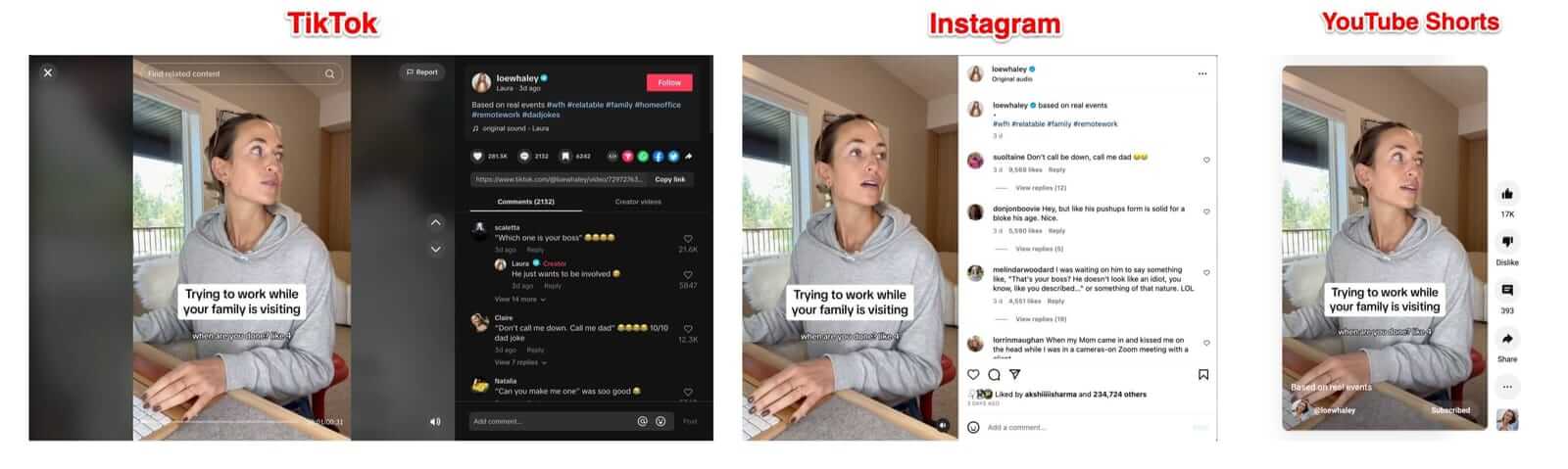
- Crossposting: This involves sharing the same content across multiple platforms with minimal or no changes. It is particularly effective for platforms that favor similar content formats. For example, a short-form video that performs well on Instagram Reels can often be directly crossposted to TikTok and YouTube Shorts. This strategy capitalizes on the effort already invested in creating high-performing content, ensuring it reaches the widest possible audience across compatible networks. Data suggests that strategic crossposting can increase content reach by up to 30-50% without additional content creation costs.
- Repurposing: This goes a step further by adapting one piece of content into entirely different formats to suit various platforms and audience preferences. For instance, a detailed blog post can be transformed into:
- An Instagram carousel with key takeaways.
- Three short-form videos (Reels/TikToks) focusing on specific points.
- A series of LinkedIn posts or X threads expanding on different aspects.
- An infographic for Pinterest.
- A segment in an email newsletter.
This method allows creators and brands to extract maximum value from their content assets, reaching audiences who prefer different consumption methods. It’s a strategic move that turns a single content idea into a multi-format campaign, multiplying impact without linear increase in effort.
4. Streamlining Workflows with Automation and Templates
Automation and the strategic use of templates are critical for cutting down on repetitive, manual tasks, freeing up valuable time for creative and strategic work.
- Automation: Beyond basic scheduling, social media automation can handle a range of tasks:
- Reporting: Automated generation of performance reports.
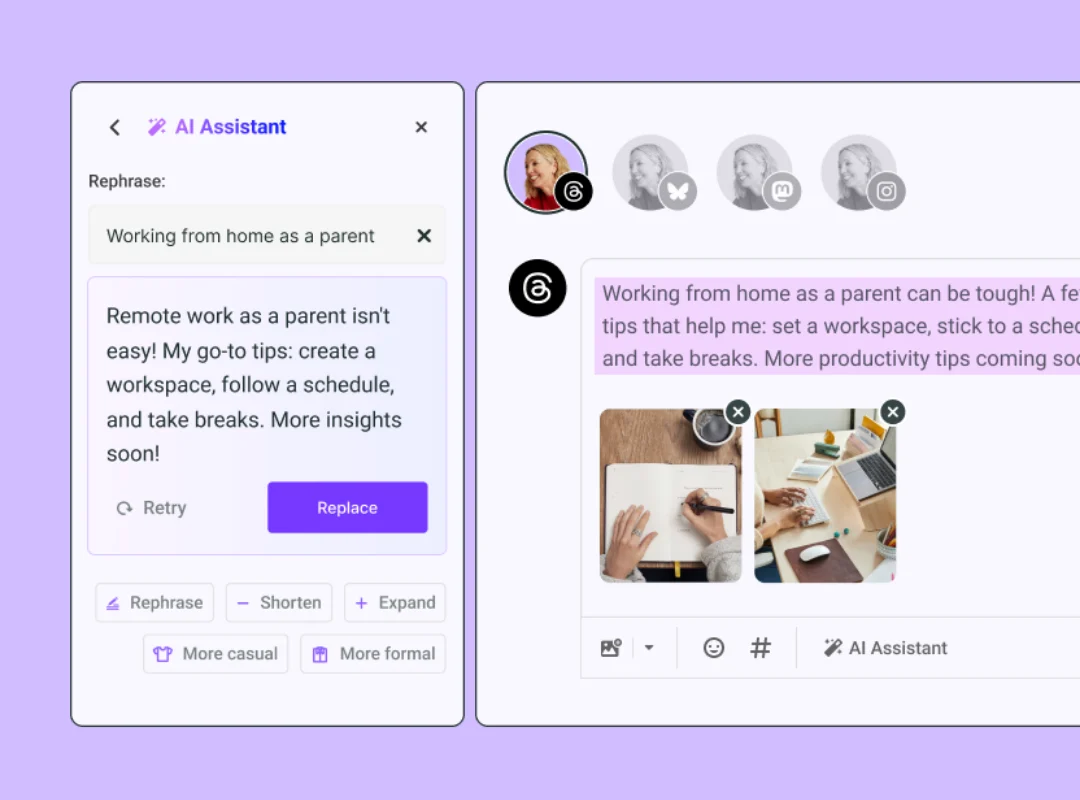
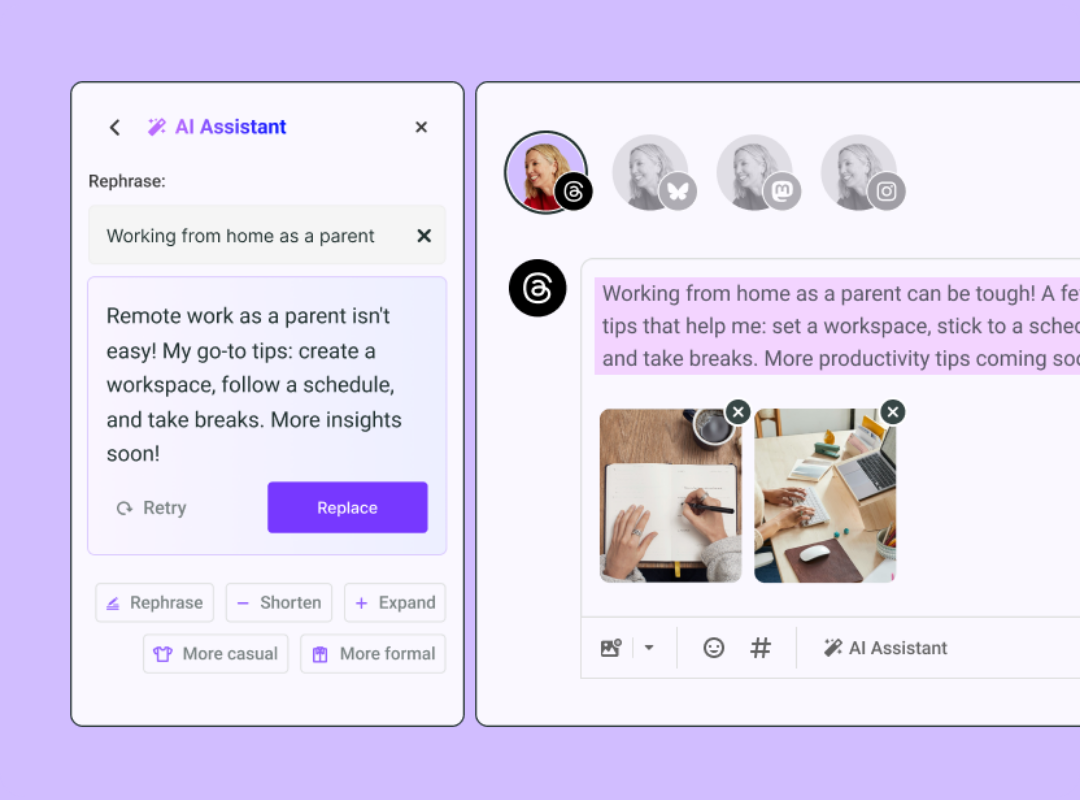
- Caption Tidying: AI-powered tools can adjust caption length, tone (e.g., formal, casual, funny), or rephrase content for different platforms. Buffer’s AI assistant, for example, can quickly rephrase content to fit various contexts.
- Community Management Triage: Some advanced tools can flag high-priority comments or DMs, or even provide automated responses to frequently asked questions.
- Content Discovery: Tools can suggest trending topics or curated content relevant to a brand’s niche.
- Templates for Repeatable Formats: Designing consistent, easily editable templates for recurring post types significantly reduces design time and reinforces brand consistency. If a brand posts a "testimonial Tuesday" graphic or a "tip of the week" image, a pre-designed template in tools like Canva can be updated in minutes, replacing what might otherwise be a 20-minute design task. This not only ensures a cohesive visual identity across all platforms but also reduces the creative burden, providing a reliable format that is known to perform well. The average time saved by using design templates for social media posts is estimated to be around 15-20 minutes per post, accumulating to significant hours over a month.
5. Smart Content Sourcing: Integrating Curation
Content curation—the act of discovering, organizing, and sharing valuable content from other sources—is an often-underestimated tactic for filling content calendars and establishing thought leadership. It offers several benefits:
- Filling Content Gaps: It provides a steady stream of valuable content without requiring original creation for every single post.
- Adding Value to the Audience: By sifting through vast amounts of information, creators and brands can present their audience with curated, relevant insights they might otherwise miss, positioning themselves as trusted resources.
- Building Relationships: Crediting original creators through curation can foster positive relationships within the industry.
- Diverse Perspectives: It allows for the inclusion of varied viewpoints, enriching the brand’s content ecosystem.
Examples include weekly roundups of industry news, "best of" compilations from thought leaders, or summaries of trending topics. When integrated strategically with original content, curation helps maintain consistent publishing frequency and can even evolve into a popular content series, as seen with Buffer’s weekly newsletter.
6. Sustainable Growth: Adding Platforms Slowly and Strategically
The temptation to be present on every platform simultaneously can lead to rapid burnout and diluted efforts. A more sustainable approach involves strategic, phased expansion.
- Audience-First Approach: The initial step is to rigorously identify where the target audience genuinely spends their time and, crucially, where they are receptive to the brand’s message. A D2C brand selling beauty products might find its audience highly engaged on Instagram, TikTok, and Pinterest, whereas a B2B SaaS company might find more success on LinkedIn and X. Asking existing customers how they discovered the brand or where they look for industry-related information provides invaluable insights.
- Mindset Alignment: It’s important to recognize that audiences use different platforms with different mindsets. Someone scrolling LinkedIn might be in a professional learning mode, while on TikTok, they might be seeking entertainment or product recommendations. Tailoring platform selection to these mindsets is key.
- Master One, Then Expand: Instead of launching on three new platforms at once, focus on mastering one new platform, dedicating a few months to understanding its algorithms, content formats, and audience behavior. Once a successful strategy and content library are established, then gradually introduce the next platform, leveraging learnings and repurposed content from the previous one. This methodical approach prevents resource drain, allows for iterative learning, and builds a solid foundation for each new channel. Companies that adopt a phased approach to platform expansion report up to 25% higher engagement rates on new platforms compared to those who launch simultaneously without prior optimization.
Broader Impact and Implications for Digital Marketing
The adoption of these integrated strategies has profound implications for the broader digital marketing landscape:
- Enhanced Brand Consistency: Centralized management and template usage ensure a uniform brand voice and visual identity across all touchpoints, strengthening brand recognition and trust.
- Improved Resource Allocation: By automating repetitive tasks and maximizing content utility through repurposing, marketing teams can reallocate resources from manual labor to higher-value activities such as strategic planning, creative development, and deeper audience engagement.
- Data-Driven Decision Making: Unified analytics dashboards provide a holistic view of performance, enabling marketers to identify trends, optimize campaigns, and demonstrate clear ROI across diverse platforms.
- Competitive Advantage: Businesses that master efficient social media management can outpace competitors who struggle with fragmented, manual processes, gaining greater visibility and market share.
- Mitigation of Burnout: For individual creators and small teams, these strategies are crucial for preventing burnout, allowing them to maintain a sustainable and enjoyable presence online.
In conclusion, the era of managing social media accounts through ad-hoc, manual processes is rapidly fading. The current environment demands a strategic, integrated approach that leverages technology, intelligent content strategies, and sustainable growth models. While none of these methods are entirely effortless, adopting them incrementally—starting with the most pressing bottlenecks like implementing a scheduling tool and creating basic templates—will gradually transform the daunting task of multi-platform management into a streamlined, efficient, and ultimately more impactful endeavor. The future of digital presence lies not in simply being everywhere, but in being everywhere smartly.