
 Reynand Holland
The modern parenting landscape is defined by countless convenience-driven products, yet few carry the long-term environmental and biological footprint of the single-use baby diaper. Industry statistics indicate that an average infant will utilize approximately 6,000 diapers during the first two years of life alone. While reusable cloth diapers have historically been positioned as the primary eco-friendly alternative, they remain impractical for a vast demographic of working parents constrained by time, access to laundering facilities, and the sheer logistical demands of modern family life. Consequently, single-use disposable diapers dominate the market, accounting for a staggering volume of municipal solid waste worldwide.
However, the crisis extends far beyond overflowing municipal waste management systems. A growing body of scientific research and consumer advocacy reports suggests that conventional disposable diapers present significant health concerns for infants. Standard commercial diapers frequently incorporate petrochemical-derived plastics, synthetic fragrances, and various chemical additives designed to manage moisture and control odors. These hidden components have been increasingly linked in medical literature to acute skin inflammation, contact dermatitis, endocrine disruption, and potential long-term reproductive system complications. Despite these findings, regulatory oversight remains remarkably lax; current consumer safety guidelines mandate testing primarily for heavy metals such as lead, leaving numerous synthetic compounds, potential carcinogens, and endocrine-disrupting chemicals entirely unregulated in infant hygiene products.
The Genesis of a Sustainable Alternative
The realization of this dual crisis—environmental accumulation and chemical exposure—served as the catalyst for industry innovation. The impetus for Dyper, a prominent manufacturer of plant-based, compostable single-use diapers, originated from a familiar household observation. Tony Patron, an engineer by training and a new father, frequently confronted the reality of residential waste bins overflowing with traditional plastic-based diapers week after week. Recognizing the unsustainable trajectory of standard baby care products, Patron sought a systemic solution that would alleviate the burden on landfills without sacrificing the performance demanded by busy parents.
Initially exploring partnerships with existing eco-friendly manufacturers, Patron eventually helped consolidate efforts to establish Dyper. The company was founded on a straightforward yet ambitious premise: to engineer a single-use diaper that matches or exceeds the absorbency, fit, and structural integrity of conventional market leaders while utilizing non-toxic, biodegradable materials. The transition from concept to commercial viability required extensive research and development, focusing heavily on material science to replace petroleum-based components with sustainable alternatives.
Material Science and the Shift Toward Plant-Based Inputs

At the core of the brand’s manufacturing philosophy is the substitution of synthetic plastics with responsibly sourced botanical materials. Dyper utilizes American-grown, Forest Stewardship Council (FSC)-certified bamboo and eucalyptus fibers as the primary structural components for its products. The viscose bamboo utilized in the manufacturing process is sourced from Oeko-Tex certified suppliers, ensuring that the raw materials are processed without harmful chemicals and meet stringent human-ecological safety standards.
Transparency has emerged as a central pillar of the brand’s operational strategy. In an industry where proprietary ingredient lists often obscure chemical contents, Dyper labels each layer of its diaper products with specific material components. This level of disclosure allows consumers to verify the absence of harsh additives such as chlorine, phthalates, latex, and artificial fragrances. Furthermore, the company’s diaper lines have achieved USDA BioPreferred certification—with the core product rated at 55% bio-based content—while its companion wet wipes have attained a 95% bio-based certification rating.
Independent laboratory testing and third-party certifications validate the safety and environmental claims of these alternative hygiene products. Independent dermatological evaluations, including the DermaTest 5-Star Certification, confirm that the plant-based fibers minimize the risk of skin irritation and allergic reactions, offering a hypoallergenic solution for infants with sensitive skin.
Regulatory Landscape and Industry Standards
The push for sustainable hygiene products occurs within a complex regulatory environment. Unlike consumer goods such as cosmetics or menstrual products, baby diapers face relatively minimal federal scrutiny regarding chemical disclosure. Consumer advocacy groups have long criticized regulatory bodies for failing to require comprehensive ingredient labeling on diaper packaging. This regulatory vacuum leaves parents largely dependent on corporate self-regulation and voluntary third-party certifications to determine product safety.
In response to these informational gaps, certification bodies such as Oeko-Tex and the USDA BioPreferred program have taken on critical roles in establishing baseline standards for eco-friendly manufacturing. By adhering to these rigorous international standards, companies operating within the sustainable hygiene sector aim to build consumer trust and validate performance claims. Industry analysts note that as consumer awareness regarding endocrine disruptors and microplastics continues to grow, transparency and independent verification are becoming decisive factors in purchasing behavior.
Logistics of Composting and Waste Diversion
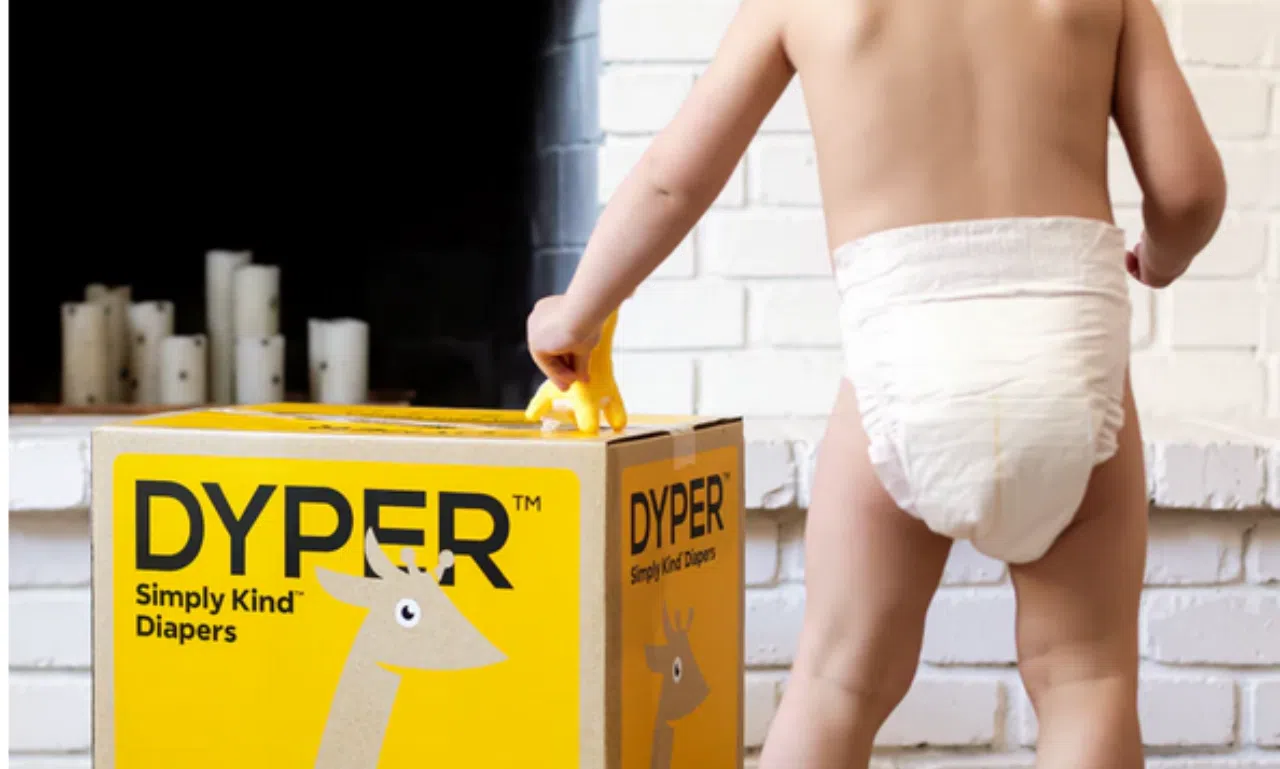
Addressing the environmental impact of single-use diapers requires more than biodegradable raw materials; it necessitates a functional end-of-life infrastructure. Even the most biodegradable materials will not decompose efficiently if trapped within the anaerobic environment of a modern sanitary landfill. To bridge this gap, Dyper established the REDYPER program, an initiative designed to collect and process used diapers and wipes through industrial composting facilities.
Operating in select metropolitan regions, the program partners with regional commercial composting facilities capable of managing soiled absorbent hygiene products. Through controlled industrial composting environments, compatible components—primarily the bamboo fibers and organic waste—break down completely within a 14-to-16-week timeframe. Non-compostable elements, such as mechanical fasteners, are mechanically separated during the processing phase. As of recent operational data, the REDYPER initiative has successfully diverted more than 14 million pounds of waste from municipal landfills, demonstrating the viability of large-scale diaper composting systems.
Broader Market Implications and Future Outlook
The commercial success of plant-based, compostable diapers signals a broader structural shift within the consumer packaged goods sector. As millennial and Generation Z parents increasingly prioritize sustainability and health transparency, traditional manufacturers face mounting pressure to reformulate legacy products. Market research firms project steady compound annual growth for the sustainable baby care segment over the coming decade, driven by increased consumer education, expanding retail distribution, and corporate commitments to circular economy principles.
Nevertheless, significant challenges remain for widespread industry adoption. The infrastructure for industrial composting of soiled hygiene products is currently limited, restricting access to the REDYPER program and similar waste-diversion initiatives to specific urban and suburban markets. Furthermore, the higher cost of certified organic raw materials and specialized manufacturing processes often translates to a price premium for consumers, potentially limiting accessibility for lower-income households.
Despite these hurdles, the evolution of the diaper industry reflects a fundamental realignment of priorities among manufacturers, regulators, and consumers. By demonstrating that high-performance hygiene products can be engineered from botanical sources without compromising infant health or environmental integrity, companies in the sustainable sector are redefining the standards for modern parenting essentials. The ongoing transition from petroleum-based plastics to plant-based materials highlights a broader industrial movement toward accountability, resource conservation, and safer consumer goods for future generations.