
 Indra Kusuma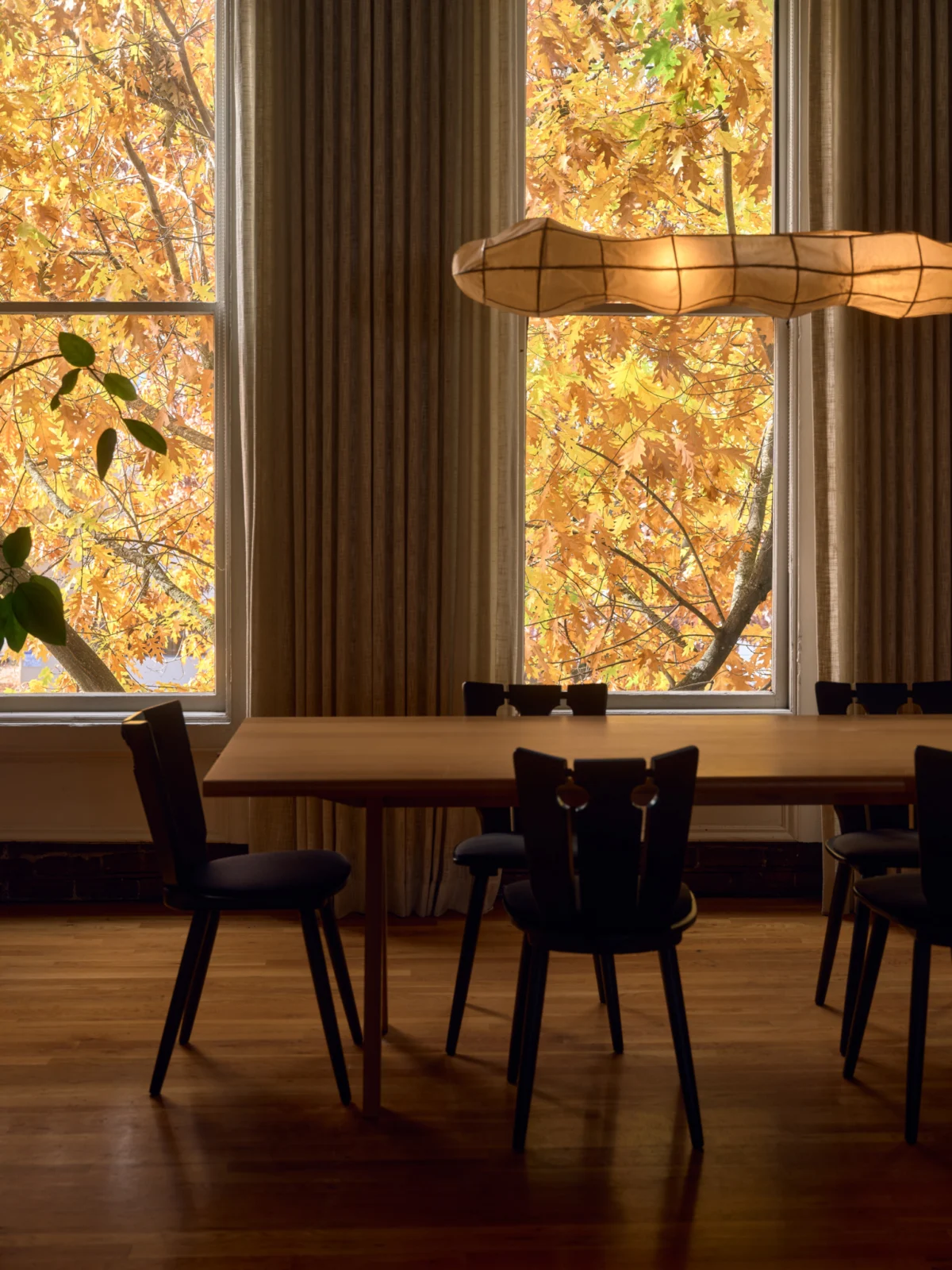
Interior design studios often leverage their own spaces as definitive statements of their established aesthetic. However, for Pat Austin, the Portland-based firm founded by Candace Cohu and Ally Hasche, their studio’s expression has been a more organic, multi-year journey rather than an immediate, fully formed declaration. Over the past three years, Cohu and Hasche have meticulously allowed their Portland office to evolve naturally, transforming it into a dynamic workspace that mirrors their design process: iterative, thoughtful, and deeply reflective of their practice’s growth. This unhurried approach has cultivated an environment that transcends the typical static showroom, instead offering a living testament to their ethos of considered design and curated evolution.
A Foundational Canvas: The Historic Cully Building
The journey of Pat Austin’s Portland office began with the selection of a distinctive location in the city’s Central Eastside. Eschewing the prevalent trend of open-plan warehouse spaces, Cohu and Hasche sought a locale imbued with character and history. Their search led them to the Historic Cully Building, an architectural gem dating back to 1884. This approximately 1,200-square-foot structure immediately captivated the founders with its exposed brick walls and robust heavy timber construction, offering a stark contrast to the more industrial, often sterile, options they had previously explored.
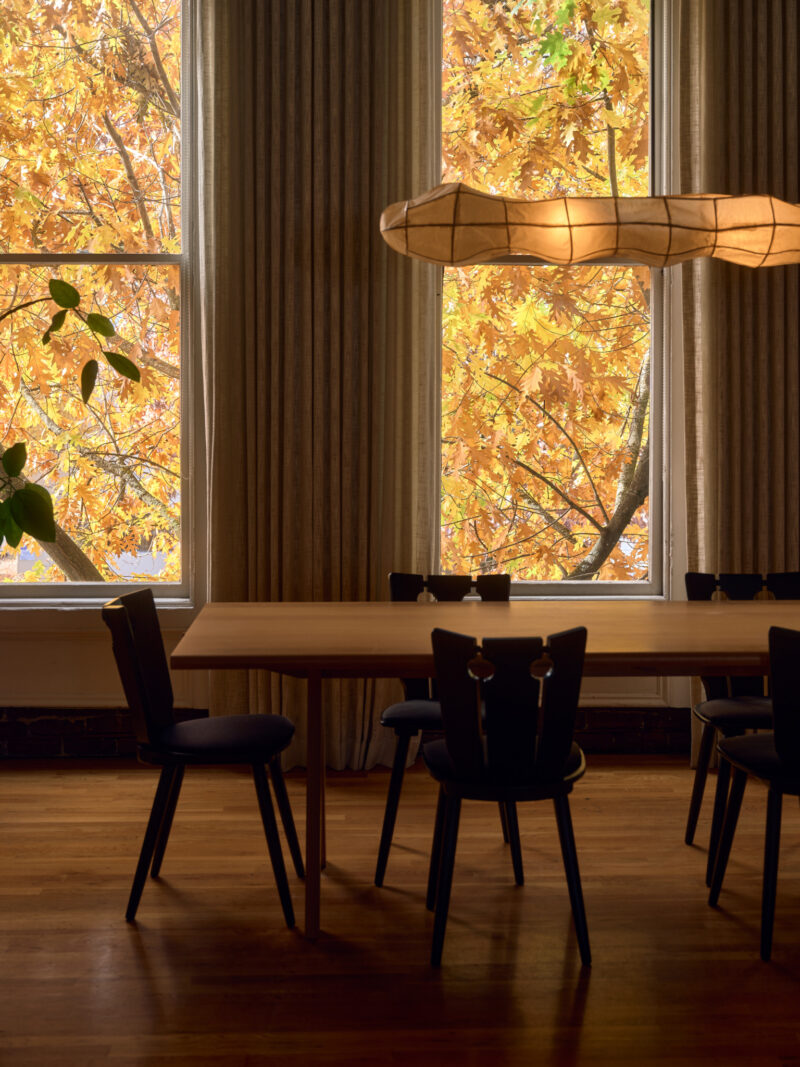
"We were touring a lot of open warehouse-style spaces that were missing the warmth and character of our studio," Cohu and Hasche recounted, explaining their initial preference for a more soulful environment. "We walked [into our current space], and it felt reminiscent of a Chicago or New York office. We loved the brick, the big windows, and the large oak tree." This sentiment highlights a broader industry trend where design firms, particularly those focused on bespoke and residential-influenced commercial spaces, are increasingly valuing historic architecture for its inherent narrative and textural richness. The approximately 140-year-old building, with its industrial heritage, provided not just a physical space but a rich historical context that resonated with the firm’s appreciation for authenticity and enduring quality.
The Central Eastside, a district known for its industrial past now undergoing significant revitalization, provided an ideal backdrop. This area, historically a hub for manufacturing and warehousing, has seen a resurgence in recent decades, attracting creative businesses, tech startups, and design firms drawn to its unique blend of urban grit and burgeoning cultural scene. The choice of the Historic Cully Building thus aligned with a broader urban adaptive reuse movement, where architects and designers transform existing structures for new purposes, preserving historical integrity while injecting modern functionality and aesthetic appeal. This approach not only champions sustainability by reducing the need for new construction but also enriches urban fabric with buildings that tell a story.
The Philosophy of Organic Growth: Design as a Living Process
Rather than implementing a rigid, pre-designed scheme, Pat Austin adopted a philosophy of organic growth for their office interior. This strategic decision allowed the workspace to mature alongside the practice itself, reflecting its evolving needs and creative discoveries. The founders articulated this deliberate pacing: "We’ve been very thoughtful about pacing out the process. Naturally we’re designers, which means we like to test different iterations of things, collect items, and take our time on decisions when we have that luxury." This statement encapsulates a core tenet of their design methodology: that true beauty and functionality emerge from careful consideration, experimentation, and a willingness to let ideas marinate.
This approach stands in contrast to the rapid, often budget-driven, office fit-outs common in many corporate environments. Research in workplace psychology often indicates that environments that feel "lived-in" and allow for personalization can foster greater employee well-being, creativity, and a stronger sense of belonging. A study by the University of Exeter, for instance, found that employees were 15% more productive when plants and art were introduced to their offices, suggesting that a visually rich and personally curated environment can significantly impact performance. Pat Austin’s methodology intrinsically embraces these principles, creating a space that feels less like a corporate shell and more like a carefully curated home.
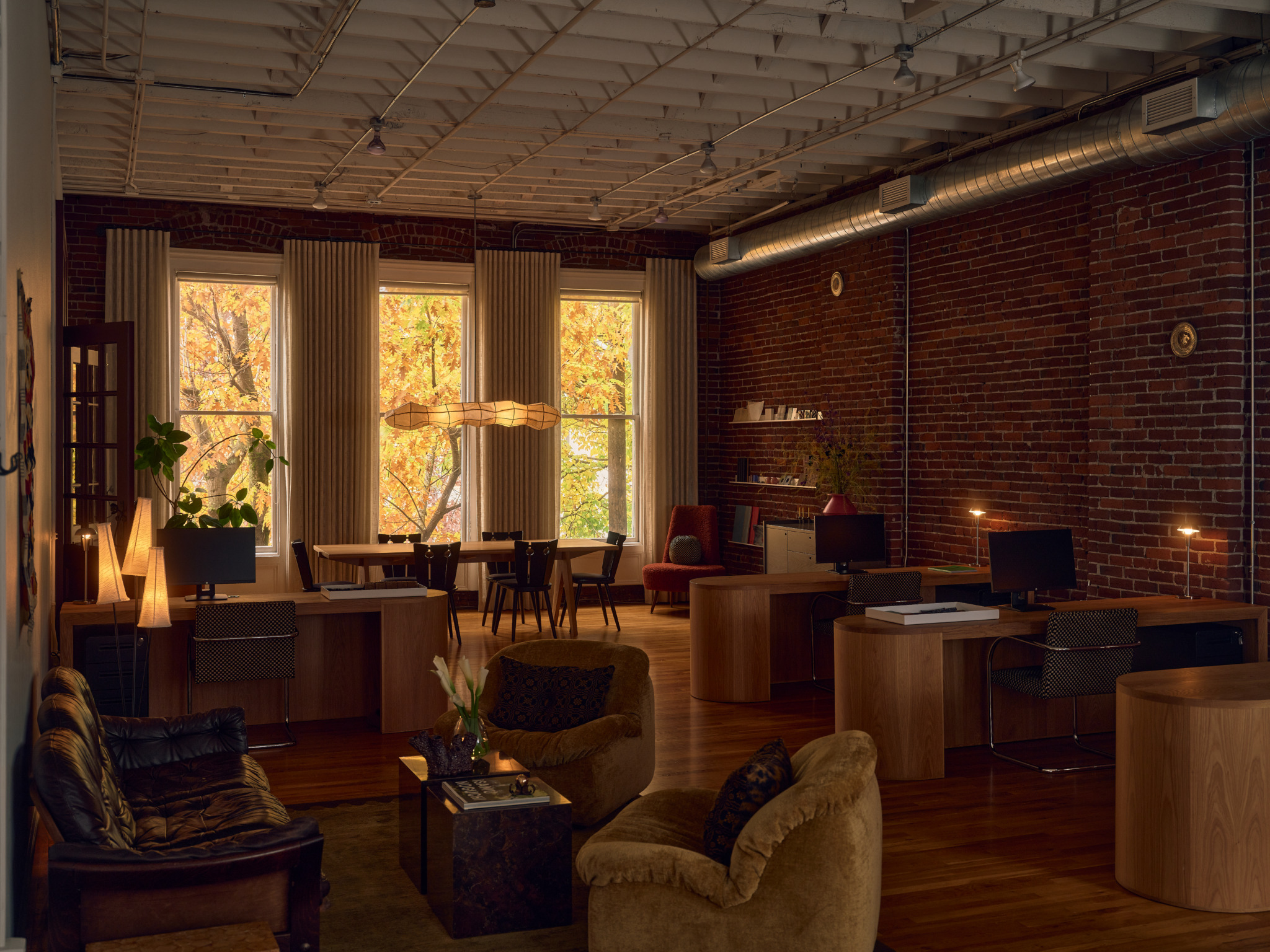
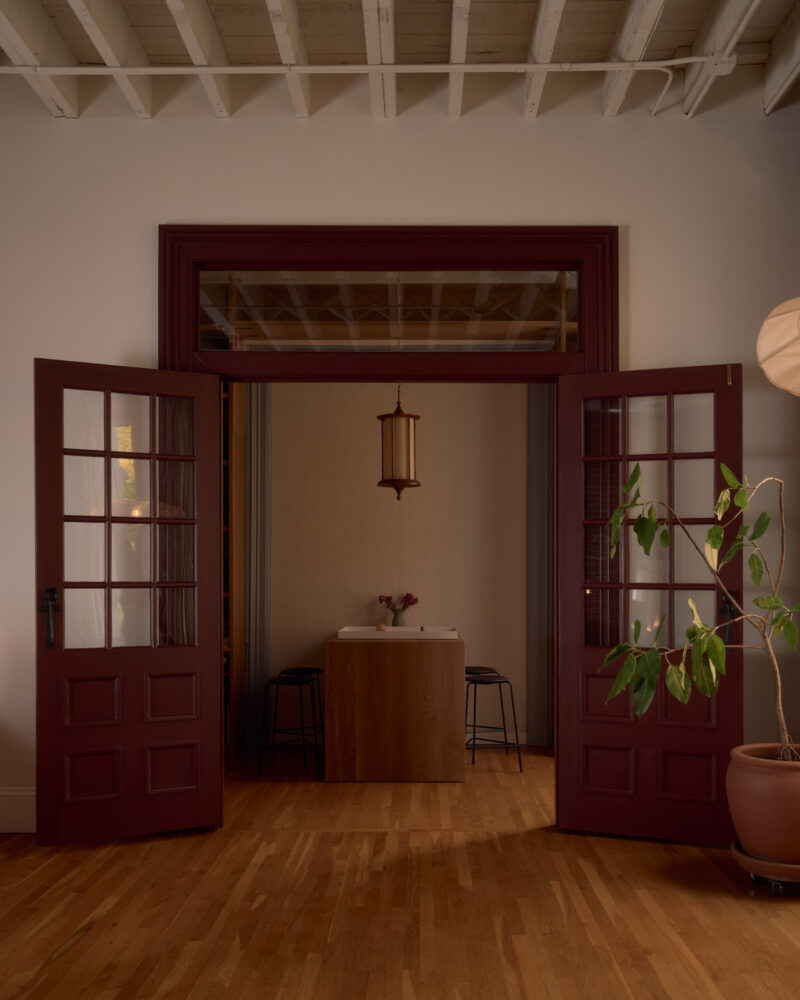
The office layout itself supports this dynamic philosophy. A generous open workspace serves as the collaborative heart, integrating custom maple desks with a communal conference table and a residential-style lounge area. This blend blurs the lines between work and leisure, encouraging informal interactions and fostering a comfortable atmosphere conducive to creative thought. Complementing this open area, a separate materials library offers a dedicated zone for focused work and material exploration, essential for an interior design studio. This spatial differentiation acknowledges the varied needs of a creative team, balancing collaborative energy with the necessity for quiet contemplation.
A Tapestry of Eclecticism and Natural Elements
The visual identity of Pat Austin’s office is a direct manifestation of their "eclectic" and "fluid" design philosophy. White walls provide a serene and versatile backdrop, allowing a rotating collection of elements to take center stage. This deliberate neutrality ensures that the space remains adaptable, capable of accommodating new inspirations and collections without feeling overwhelmed. Against this canvas, an evolving mix of vintage furniture pieces, bespoke creations, textured rugs, and curated artwork contributes to a rich, layered aesthetic. Each item appears to have been chosen not just for its form or function but for its unique narrative and contribution to the overall atmosphere.
A consistent thread woven throughout the design is the emphasis on earth-toned furnishings and natural materials. Wood, stone, and woven fibers are prominently featured, establishing a profound sense of warmth and tactile richness. This preference for natural elements aligns with contemporary biophilic design principles, which advocate for incorporating natural patterns and processes into built environments to enhance human connection to nature, reduce stress, and improve cognitive function. The oak tree visible from the large windows further reinforces this connection to the natural world, blurring the boundaries between interior and exterior. The deliberate rotation of artwork and accessories ensures that the space retains its dynamism, continuously offering fresh perspectives and reflecting the studio’s ongoing creative explorations.
"The space easily came together as a reflection of us, and our appreciation for eclecticism," the founders noted, underscoring the authenticity of the design. "It feels fluid and able to evolve while also feeling artful and warm." This statement speaks to the profound connection between the designers’ personal sensibilities and the environment they inhabit daily, a crucial aspect of establishing a strong brand identity within the creative industry.
Chronology of Refinement: An Ongoing Experiment
The evolution of Pat Austin’s office has been marked by distinct phases of refinement, rather than a single, comprehensive renovation. The team initially moved into the Historic Cully Building in 2022, marking the commencement of their organic design journey. The initial setup focused on establishing core functionalities, allowing the designers to live with and understand the space before making permanent decisions. This initial period was characterized by careful observation and preliminary curation, gathering vintage pieces and testing spatial arrangements.
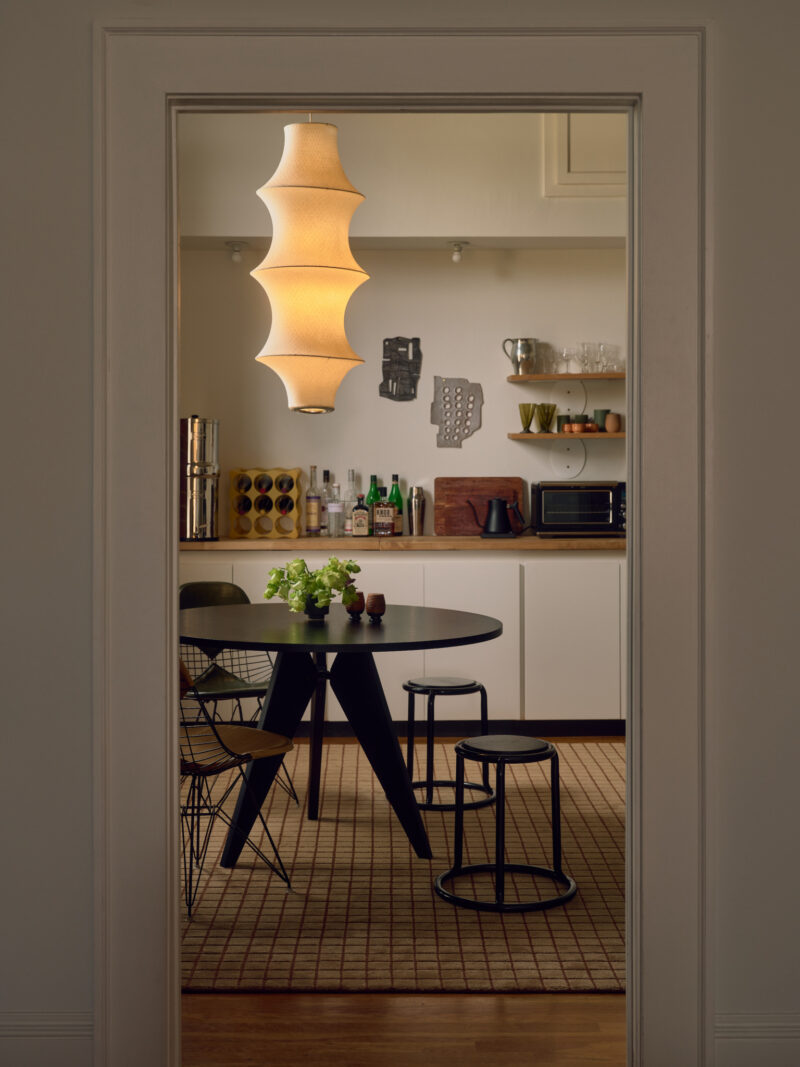
A significant round of updates was completed in late 2025, representing a more formalized yet still experimental chapter in the office’s development. This phase introduced custom upholstery and drapery, adding layers of texture and comfort. A sculptural pendant light was installed above the conference table, serving as a focal point and an artistic statement. Fresh paint invigorated certain areas, while an upholstered acoustic wall was integrated into the materials library, addressing both aesthetic and functional needs by enhancing sound dampening and adding visual softness. Crucially, these additions were not viewed as the culmination of a "finished renovation" but rather as further iterations in an ongoing process of experimentation and refinement. This iterative approach underscores a commitment to design as a living entity, constantly adapting and improving.
The desire to make the office feel "more residential than commercial" has been a guiding principle throughout this chronology. This is evident in the choice of comfortable seating that encourages informal conversations, fostering a relaxed and open atmosphere. The kitchen, far from being a mere utility space, functions as a daily gathering place, further reinforcing the residential feel and promoting team cohesion. Together, these elements facilitate both focused individual work and collaborative exchanges without the rigidity often associated with traditional corporate offices. This blend of functionality and comfort creates a versatile environment that supports diverse work styles and encourages a holistic approach to professional life.
Expanding Horizons: The Launch of Patty Rugs
The spirit of experimentation and a deep appreciation for natural materials extend beyond Pat Austin’s core interiors practice, manifesting notably in the launch of Patty, a bespoke rug collection. This venture, co-founded by Candace Cohu, Ally Hasche, and studio director Max Pluenneke, operates from the same creative hub in the Historic Cully Building, demonstrating a seamless integration of their entrepreneurial endeavors.
Patty Rugs draws inspiration from travels through the South of France, a region renowned for its rich artistic heritage, vibrant natural landscapes, and traditional craftsmanship. The collection embodies the studio’s enduring interest in earthy palettes, natural materials, and the artisanal process, translating these values into tactile, sophisticated textile designs. The development of Patty is not merely a diversification of services but a symbiotic extension of Pat Austin’s design philosophy.
"Pat Austin and Patty work together in a very harmonious and symbiotic way," the team explains. "Our knowledge of interior design influences how we approach rug design, but it has also opened up new ways of thinking." This synergy allows insights gained from interior projects to inform rug design, while the process of creating a product line offers fresh perspectives that can, in turn, enrich their interiors practice. This integrated model is increasingly common among design firms seeking to expand their creative output and offer a more comprehensive brand experience, moving beyond service-based offerings to include tangible, branded products. It represents a strategic move to leverage their expertise and aesthetic vision into new markets, reinforcing their identity as holistic design innovators.
Broader Implications and Industry Influence
Nearly four years after establishing its roots in the Historic Cully Building, Pat Austin’s office continues its evolutionary journey, mirroring the growth and deepening expertise of the practice itself. This deliberate, unhurried approach to office design carries significant implications, not only for the firm’s brand identity but also for the broader interior design industry.
Firstly, the Pat Austin office serves as a powerful portfolio piece, demonstrating the firm’s ability to create spaces that are not merely aesthetically pleasing but deeply functional, adaptable, and resonant with a distinct philosophy. For prospective clients, visiting the studio offers a tangible experience of the firm’s values: a commitment to craftsmanship, a respect for materials, and an understanding that truly great design is an ongoing conversation, not a static endpoint. This approach distinguishes them in a competitive market, attracting clients who value bespoke, thoughtful, and enduring design solutions.
Secondly, the studio’s embrace of adaptive reuse and its commitment to integrating historical architecture with contemporary design principles contribute to the ongoing dialogue about sustainable design practices and urban revitalization. By breathing new life into an 1884 structure, Pat Austin exemplifies how historical buildings can be preserved and reimagined for modern commercial use, promoting both environmental stewardship and cultural continuity. This model can inspire other businesses and designers to consider the latent potential in existing structures, fostering a more sustainable and character-rich built environment.
Finally, the philosophy of "designing with time" – allowing a space to evolve and be refined gradually – challenges the industry’s often fast-paced project cycles. It advocates for a more human-centric and less trend-driven approach, suggesting that the most authentic and enduring interiors are those shaped through careful additions, continuous experimentation, and thoughtful refinement. In an era where rapid consumption often dictates design, Pat Austin’s office stands as a compelling argument for patience, process, and the profound beauty that emerges when spaces are allowed to grow organically alongside the people and practices they house. Their Portland studio is not just an office; it is a living laboratory, a testament to their craft, and a beacon for a more considered future in design.







