Reynand Holland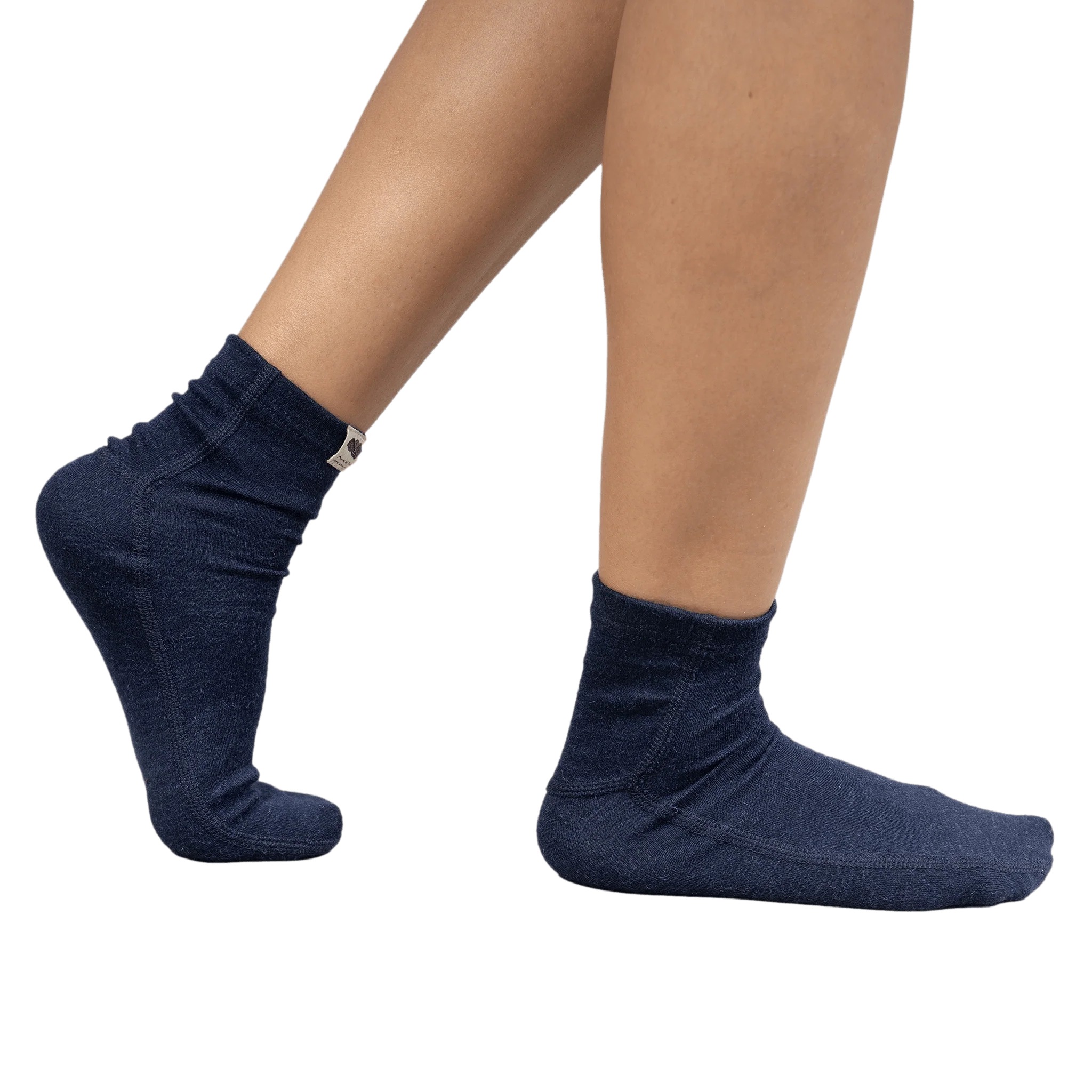
Socks are frequently treated as an afterthought in modern wardrobe curation, yet they serve as a critical interface between human skin and daily footwear. Recent dermatological and environmental investigations have illuminated a growing concern within the textile industry: conventional, petroleum-derived synthetic socks are increasingly linked to localized dermatological irritations, chronic foot odor, and systemic health risks. As consumer awareness shifts toward preventative health and environmental sustainability, a robust market for non-toxic, natural-fiber hosiery has emerged. This industry transformation addresses not only the physical discomforts of synthetic garments but also the broader ecological and chemical footprints of global apparel manufacturing.
The Chemical Burden of Conventional Hosiery
To understand the necessity of transitioning to natural-fiber socks, one must examine the chemical composition of conventional alternatives. Standard hosiery is predominantly manufactured from synthetic polymers such as polyester, nylon, and acrylic, blended with elastane to provide stretch. While these materials offer durability and low production costs, they create an optimal microclimate for microbial proliferation. Synthetic fibers lack moisture-wicking properties, trapping sweat and heat against the epidermis. This trapped moisture fosters the rapid growth of odor-causing bacteria, resulting in persistent foot malodor.
More critically, the chemical treatments applied to synthetic textiles pose significant health hazards. Azo-benzene disperse dyes, commonly utilized to impart vibrant colors to polyester and nylon, are well-documented skin sensitizers. According to recent toxicological studies published in peer-reviewed scientific literature, these compounds can be absorbed through the skin when exposed to sweat and friction. Because socks maintain continuous, high-pressure contact with the feet—an area characterized by high sweat gland density and heightened permeability—the migration rate of these hazardous chemicals is substantially accelerated. Prolonged exposure to certain azo dyes has been associated with contact dermatitis and, in severe cases of metabolic absorption, potential carcinogenic risks.
Furthermore, the conventional textile finishing process often employs per- and polyfluoroalkyl substances (PFAS), formaldehyde-based resins, and heavy metal fixatives to achieve wrinkle resistance, water repellency, and colorfastness. These chemical agents remain embedded in the fabric unless rigorously washed and certified, posing ongoing risks for individuals with sensitive skin, eczema, or chemical sensitivities.
Material Science: Evaluating Natural and Synthetic Blends
Addressing these chemical and dermatological challenges requires a fundamental reassessment of raw material sourcing. Ideally, dermatologists and textile engineers recommend 100% natural fiber garments to eliminate synthetic exposure entirely. However, structural limitations in textile manufacturing present a significant hurdle: most hosiery requires a marginal percentage of elastane or spandex to maintain structural integrity, prevent sagging, and ensure a secure fit around the ankle and arch.
Despite these manufacturing constraints, specialized brands have successfully engineered entirely synthetic-free hosiery utilizing advanced mechanical spinning techniques. Natural fibers such as organic cotton, Tencel, linen, and bamboo viscose offer superior breathability, moisture management, and hypoallergenic profiles. Wool variants, specifically Merino and alpaca, provide exceptional thermal regulation and natural antimicrobial properties due to the presence of lanolin and specialized protein structures.
When evaluating wool products, industry watchdogs emphasize the importance of ethical sourcing certifications, such as the Responsible Wool Standard (RWS). This certification ensures that wool is harvested without the practice of mulesing—a surgical procedure historically utilized in certain sheep-farming regions to prevent parasitic flystrike, but widely condemned by animal welfare organizations for its cruelty.
For consumers who do not present acute synthetic sensitivities, blended hosiery containing recycled polyester or nylon remains a viable compromise, provided that natural fibers constitute the vast majority of the garment weight.
Regulatory Standards and Chemical Management
Navigating the landscape of non-toxic hosiery necessitates a thorough understanding of third-party certifications and chemical management protocols. Because the textile supply chain is notoriously opaque—spanning multiple countries for raw material cultivation, spinning, dyeing, and assembly—certifications serve as verifiable benchmarks for consumer safety.
The Oeko-Tex Standard 100 is among the most rigorous benchmarks in the textile industry, testing finished garments for hundreds of harmful substances, including heavy metals, pesticide residues, and banned azo colorants. Similarly, bluesign certification evaluates the entire textile production chain to ensure that resource consumption is minimized and chemical inputs meet strict ecological safety thresholds. Brands that implement a comprehensive Restricted Substances List (RSL) demonstrate proactive oversight in eliminating hazardous compounds before they reach the retail market.
Beyond chemical safety, ethical manufacturing and supply chain transparency have become paramount. Certifications from Fair Trade USA, Worldwide Responsible Accredited Production (WRAP), and B Corporation status indicate that a company adheres to equitable labor practices, fair living wages, and environmental accountability across its operational footprint. Additionally, sustainable packaging initiatives—such as the utilization of Forest Stewardship Council (FSC)-certified paper, compostable bioplastics, and biodegradable mailers—mitigate the collateral environmental impact of retail distribution.
Market Overview: Leading Brands in Non-Toxic Hosiery
A comprehensive evaluation of the current sustainable hosiery market reveals a diverse array of manufacturers prioritizing material purity, ethical supply chains, and skin health. The following brands represent the leading options across various material categories, price points, and geographic availabilities.
Harvest & Mill
Operating primarily out of the United States, Harvest & Mill specializes in dye-free, organic cotton socks that celebrate the natural hues of unbleached fibers. By sourcing, spinning, and knitting its cotton entirely domestically, the brand minimizes transportation emissions and supports local agricultural economies.
- Key Features: 100% organic cotton, completely dye-free and unbleached, compostable packaging, closed-loop fabric recycling.
- Price Range: $11 to $12 for single pairs; $33 to $66 for multipacks.
- Availability: Global shipping to most countries.
Subset (Formerly Knickey)
Based in Brooklyn, New York, Subset produces certified Fair Trade and Oeko-Tex compliant organic cotton socks utilizing material sourced from dedicated organic farms in India. The brand maintains a strict adherence to PFAS-free manufacturing protocols.
- Key Features: Organic cotton construction, Oeko-Tex certified, ethical supply chain transparency.
- Watch Out For: Contains approximately 24% synthetic fibers for structural elasticity.
- Price Range: $12 per single pair.
- Availability: United States, Canada, Australia, and select European Union nations.
Paka
Certified as a B Corporation, Paka manufactures durable, high-performance hosiery engineered from a blend of alpaca wool and Tencel. Designed for extreme climates and outdoor activity, these socks leverage alpaca fiber’s natural moisture-wicking and thermal-regulation capabilities.
- Key Features: Majority alpaca wool and Tencel blend, Oeko-Tex certified dyes, biodegradable packaging.
- Watch Out For: Integrates up to 50% recycled synthetic fibers for enhanced durability.
- Price Range: $20 to $24 for single pairs; $48 to $96 for bundles.
- Availability: Worldwide distribution.
Arms of Andes
Standing out as a pioneer in synthetic-free technical apparel, Arms of Andes produces 100% alpaca fiber slipper socks sourced directly from free-range herds in the Andean mountain range. The brand manages its supply chain through close collaboration with local farming cooperatives.
- Key Features: 100% synthetic-free alpaca construction, lightweight insulation, Oeko-Tex certified dyes, compostable packaging.
- Price Range: $20 to $25 for single pairs; $65 for multipacks.
- Availability: United States, United Kingdom, and European Union.
Cottonique
Designed specifically for individuals with severe contact dermatitis, latex allergies, or extreme chemical sensitivities, Cottonique offers a specialized catalog of 100% cotton, hypoallergenic apparel. Their manufacturing process completely omits elastic, synthetic blends, bleaches, and harsh chemical softeners.
- Key Features: 100% organic cotton, latex-free, bleach-free, dermatologically tested, covered interior seams.
- Price Range: $16 for specialized thigh-highs; $16 to $21 for multipacks.
- Availability: Global shipping to most regions.
Boody
Headquartered in Sydney, Australia, Boody utilizes organic bamboo viscose as the primary raw material for its versatile hosiery line. The company partners with WRAP-certified manufacturing facilities in Asia to ensure ethical labor standards.
- Key Features: Oeko-Tex certified organic bamboo viscose, organic cotton blends, strict corporate code of conduct.
- Price Range: $9.95 to $17.95 for single pairs; $54 for bundled packs.
- Availability: United States and Canada.
Kotn
A certified B Corporation, Kotn maintains direct-trade relationships with smallholder cotton farmers in Egypt, ensuring fair pricing and community development investments. Their hosiery line utilizes high-grade organic cotton treated exclusively with Oeko-Tex certified dyes.
- Key Features: Traceable Egyptian organic cotton supply chain, Oeko-Tex certified dyes, recycled packaging materials.
- Watch Out For: Select lifestyle models incorporate up to 20% synthetic fibers.
- Price Range: $10 to $18 per single pair.
- Availability: International shipping to most countries.
Quinn
Specializing in therapeutic garments designed for individuals managing eczema and chronic skin sensitivities, Quinn offers a curated selection of organic cotton and Merino wool hosiery. Design and prototyping occur in Canada, with ethical production executed in certified European and Asian facilities.
- Key Features: GOTS-certified organic cotton, dye-free options, reinforced thermal heels on wool variants.
- Watch Out For: Specific blends contain up to 20% synthetics; primary raw material sourcing transparency is occasionally limited.
- Price Range: $15 for single pairs up to $75 for extensive multipacks.
- Availability: Global shipping to most regions.
Cariloha
This certified B Corporation focuses on luxury bamboo-derived textiles, combining bamboo viscose with organic cotton to produce hypoallergenic hosiery supported by Oeko-Tex and Fair Trade verifications.
- Key Features: Bamboo viscose and organic cotton blend, FSC-certified paper packaging, Fair Trade manufacturing standards.
- Watch Out For: Complete geographic transparency regarding tier-one manufacturing facilities is occasionally ambiguous.
- Price Range: $10 to $15 for singles; $30 to $45 for bundles.
- Availability: United States, Canada, and Australia.
Dedicated
Dedicated incorporates bold, contemporary graphic patterns into its Fair Trade organic cotton hosiery. The brand provides transparent production mapping on individual product pages, partnering exclusively with WRAP-certified facilities.
- Key Features: Fair Trade certified organic cotton, transparent supply chain mapping, WRAP-verified production.
- Watch Out For: Certain stretch-heavy models contain up to 25% elastane.
- Price Range: $9 to $59.
- Availability: Worldwide shipping.
Darn Tough
Manufactured in multi-generational family mills located in Vermont, Darn Tough constructs heavy-duty hosiery utilizing Responsible Wool Standard (RWS) certified Merino wool. The brand employs rigorous restricted substance testing and eco-conscious packaging initiatives.
- Key Features: RWS-certified Merino wool, Oeko-Tex compliant dyes, vegetable-based inks, recycled paper packaging.
- Watch Out For: High-performance athletic variants incorporate up to 50% synthetic fibers for structural resilience.
- Price Range: $15 to $35 for singles; up to $84 for multipacks.
- Availability: United States, United Kingdom, and European Union.
Nisolo
Renowned primarily for its ethical leather footwear, Certified B Corp Nisolo extends its sustainability framework into hosiery production. Operating out of a family-owned mill in North Carolina, the brand utilizes upcycled cotton, linen, wool, and recycled polyester blends.
- Key Features: Upcycled material composition, living-wage manufacturing commitments, recycled packaging.
- Watch Out For: Select designs incorporate up to 70% synthetic content.
- Price Range: $15 to $20 per single pair.
- Availability: United States, Canada, Australia, and major European nations.
Swedish Stockings
Specializing in specialized hosiery including knee-highs and ankle socks, Swedish Stockings manufactures its products in Italy utilizing Oeko-Tex certified materials such as bamboo viscose, organic wool, and recycled synthetic polymers.
- Key Features: Oeko-Tex certified material inputs, Italian manufacturing, diverse architectural options (supportive, classic, patterned).
- Watch Out For: Certain fashion-forward collections are constructed entirely from synthetic polymers.
- Price Range: $19 for ankle bundles; $22 to $45 for single knee-highs; $50 to $90 for knee-high bundles.
- Availability: Global shipping to most countries.
Broader Industry Implications and Future Outlook
The evolving consumer demand for non-toxic, sustainable hosiery signals a broader structural shift within the global textile industry. As regulatory bodies in the European Union and North America tighten restrictions on hazardous chemical usage—particularly concerning PFAS and carcinogenic dye intermediates—fast-fashion hosiery manufacturers face increasing compliance pressures.
Furthermore, the integration of blockchain technology and advanced lifecycle assessment (LCA) tools is expected to improve supply chain traceability, allowing consumers to independently verify raw material origins and labor conditions. While synthetic-dominant hosiery will likely retain a segment of the market due to its low cost and high durability for specialized athletic performance, the expansion of natural-fiber alternatives demonstrates that wardrobe basics can be manufactured with rigorous regard for both human dermatology and environmental preservation.