
 Ali Ikhwan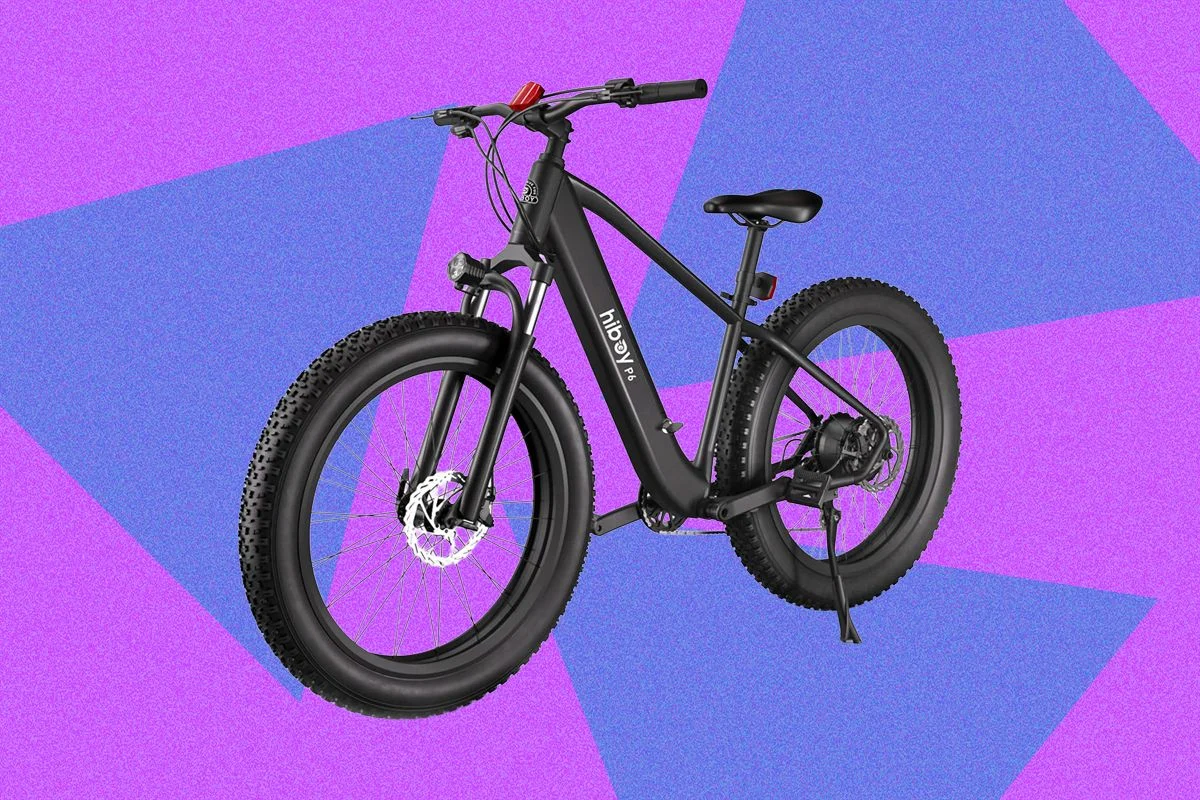
The Hiboy P6 has emerged as a significant contender in the rapidly expanding Class 3 electric bicycle market, offering a combination of high-torque power and rugged off-road capabilities. Built with a robust aluminum alloy frame and powered by a 750-watt rear-hub motor capable of reaching a 1,000-watt peak, the P6 is designed to bridge the gap between urban commuting and all-terrain exploration. As the micro-mobility sector continues to evolve, the introduction of high-capacity fat tire bikes like the P6 reflects a growing consumer demand for vehicles that prioritize stability, comfort, and speed over traditional lightweight portability.
Equipped with 26-by-4-inch deeply lugged tires, the Hiboy P6 is categorized as a "fat bike," a segment originally developed for traversing soft terrain such as snow and sand. However, in contemporary urban environments like Denver, Colorado, these specifications are increasingly utilized to navigate deteriorating infrastructure, including potholes and debris. The vehicle’s integration of a hydraulic suspension fork, which features a lockout mechanism for more efficient riding on smooth surfaces, further underscores its versatility. Despite its utility, the physical dimensions and weight of the P6 present specific considerations for riders regarding maneuverability and ergonomic fit, particularly for those on the shorter end of the manufacturer’s recommended height spectrum.
Technical Specifications and Power Delivery
The Hiboy P6 operates as a Class 3 e-bike, a designation that allows for higher top speeds compared to Class 1 and Class 2 variants. The core of its performance lies in the 750-watt brushless motor. This power plant supports three distinct riding modes: a pure electric mode, a pedal-assist mode, and a traditional analog mode. In pure electric mode, which is engaged via a handlebar-mounted thumb throttle, the bike is electronically limited to 20 mph. When utilizing the pedal-assist system (PAS), the P6 can reach speeds of up to 28 mph, making it suitable for integration into suburban traffic flows and longer commutes.
The transmission system consists of a Shimano seven-speed gear set, a standard in the industry known for its reliability and ease of maintenance. The interaction between the mechanical gears and the electrical assist levels is critical to the ride quality of the P6. Observers note that the transition between power modes can occasionally feel abrupt if the rider does not synchronize the gear selection with the selected PAS level. However, once the rider calibrates these settings to their cadence, the power delivery stabilizes, providing a smooth acceleration curve.
Ergonomics and Rider Accessibility
One of the most critical aspects of the Hiboy P6 is its physical scale. The manufacturer officially recommends the bike for individuals standing at least 5 feet 3 inches tall. Practical testing indicates that even at a height of 5 feet 4 inches, the bike presents a significant profile. With the saddle at its lowest setting, riders of this height may find themselves balanced on the balls of their feet when the vehicle is stationary. This elevated center of gravity can lead to a sensation of instability, particularly when stopping on steep inclines or declines.
The P6 is constructed from a heavy-duty aluminum alloy, contributing to a total weight that exceeds many standard commuter e-bikes. This mass, while providing a sense of "invincibility" against road hazards, reduces the bike’s grace and maneuverability in tight urban spaces. Industry analysts suggest that the P6 is best suited for taller individuals, those with larger frames, or experienced riders who are accustomed to the handling characteristics of heavy mountain bikes and fat-tire vehicles. The wide, plush seat is designed to mitigate the fatigue associated with long-distance rides, emphasizing comfort as a primary design goal.
Control Interface and Safety Features
The user interface of the Hiboy P6 is centralized on the handlebars, featuring a dual-control layout that separates mechanical and electrical functions. On the right side, a digital display provides real-time data, including current speed, odometer readings, assist mode, and remaining battery life. Adjacent to this display are the controls for the integrated lighting system and an electronic horn.
Safety evaluations of the P6 highlight the sensitivity of these controls. The electronic horn, described as exceptionally loud, is positioned such that accidental deployment is possible if the rider leans heavily on the handlebars. This feature, while effective for alerting motor vehicles in traffic, requires mindful handling in quiet trail settings or near wildlife. The left side of the handlebar houses the Shimano gear shifters and a secondary display indicating the current mechanical gear, allowing the rider to manage the bike’s torque and resistance independently of the motor.

Chronology of Hiboy’s Market Expansion
The release of the P6 represents a strategic shift for Hiboy, a company that initially gained prominence in the electric scooter market. The timeline of Hiboy’s evolution reflects broader trends in the electric vehicle (EV) industry:
- 2017–2019: Hiboy establishes a foothold in the "last-mile" transport sector, focusing on lightweight, foldable electric scooters for urban commuters.
- 2020: Amidst the global pandemic, the demand for outdoor recreation and socially distanced commuting leads to a surge in e-bike sales. Hiboy begins diversifying its product line to include entry-level electric bicycles.
- 2021–2022: The company identifies a niche for high-power, rugged e-bikes. Development of the "P-series" begins, focusing on larger frames and fat tires to compete with established brands like Rad Power Bikes and Aventon.
- 2023–2024: The Hiboy P6 is released as a flagship model, targeting the Class 3 market. The bike is positioned as an affordable yet powerful alternative to premium off-road e-bikes, emphasizing a "Mad Max" aesthetic and utilitarian durability.
Industry Context and Regulatory Framework
The Hiboy P6 enters a market governed by a three-class regulatory system adopted by many U.S. states to manage the integration of e-bikes into public spaces. Class 3 bikes, such as the P6, are often restricted from certain multi-use paths and non-motorized trails due to their 28 mph speed capability. This regulatory environment necessitates that riders be aware of local ordinances, as the P6 is frequently classified more closely with mopeds than traditional bicycles in specific jurisdictions.
The trend toward fat-tire e-bikes is also driven by the "SUV-ization" of micromobility. Just as consumer preferences in the automotive industry shifted toward larger, more rugged vehicles, e-bike consumers are increasingly opting for bikes with 4-inch wide tires. These tires provide a larger contact patch with the ground, allowing for lower tire pressure which naturally absorbs shocks from uneven pavement, gravel, and light off-road trails. The P6’s 26-by-4-inch tires are a direct response to this consumer preference for stability and "all-road" capability.
Market Positioning and Comparative Analysis
In the competitive landscape of e-bikes priced between $1,000 and $1,800, the Hiboy P6 distinguishes itself through its motor output. While many competitors offer 500-watt motors, Hiboy’s 750-watt (1,000-watt peak) system provides superior hill-climbing ability. This is particularly relevant in high-altitude or hilly cities like Denver, where the thin air and steep grades can strain lesser motors.
However, the P6’s reliance on an aluminum alloy frame and heavy components means it lacks the portability of carbon-fiber or thin-tubed steel e-bikes. It is not a vehicle designed to be carried up apartment stairs or mounted on standard trunk-style car racks. Instead, it is positioned as a primary vehicle for those who have ground-level storage and prioritize a rugged, "invincible" ride quality over ease of transport.
Environmental and Economic Implications
The rise of high-powered e-bikes like the Hiboy P6 has significant implications for urban planning and environmental sustainability. By providing a viable alternative to short-distance car trips, the P6 contributes to a reduction in carbon emissions and traffic congestion. The cost of charging the P6’s high-capacity battery is negligible compared to the price of gasoline, offering a compelling economic argument for daily commuters.
Furthermore, the durability of the aluminum alloy frame and the use of standardized Shimano components suggest a longer lifecycle for the vehicle, provided it is properly maintained. The ability to "lock out" the hydraulic suspension also allows for more efficient energy use on flat terrain, extending the range of the battery and reducing the frequency of charge cycles.
Conclusion and Future Outlook
The Hiboy P6 stands as a testament to the maturation of the fat-tire e-bike segment. It successfully combines raw power with a comfort-oriented design, though its size and weight may limit its appeal to a specific demographic of taller or more experienced riders. As cities continue to expand their cycling infrastructure, vehicles like the P6 are likely to become more common, serving as rugged "workhorses" for both utility and recreation.
While the bike’s maneuverability may not be its strongest suit, its ability to "flatten" the urban landscape—making glass, potholes, and debris non-issues—positions it as a specialized tool for the modern commuter. As Hiboy continues to iterate on its designs, the industry expects further refinements in control sensitivity and weight distribution, but for now, the P6 remains a formidable entry in the high-performance e-bike market.







