The relentless pace of digital communication and the ever-expanding landscape of social media platforms have transformed social media management from an ad-hoc activity into a strategic imperative for individuals, small businesses, and multinational corporations alike. In an era where a brand’s digital presence can often dictate its market perception and reach, the ability to consistently deliver high-quality content across diverse channels is paramount. This escalating demand for sustained visibility and audience engagement has underscored the indispensable role of social media scheduling tools, evolving them from mere convenience utilities into sophisticated platforms that underpin modern digital marketing strategies. These applications empower creators and marketers to transcend the limitations of real-time posting, enabling a meticulously planned approach to content dissemination that fosters consistency, optimizes resource allocation, and ultimately, drives measurable growth.
The Evolution of Digital Outreach: From Manual Posts to Strategic Automation
The genesis of social media engagement was characterized by spontaneous, often reactive, content sharing. Early adopters of platforms like MySpace, Facebook, and Twitter posted organically, responding to immediate events or personal impulses. However, as these platforms matured and their user bases swelled, businesses began to recognize their immense potential as marketing channels. This realization coincided with a dramatic increase in the number of active social networks, each with its unique audience demographics, content formats, and engagement algorithms. Managing a presence across Facebook, Instagram, LinkedIn, YouTube, Pinterest, and more recently, TikTok, became a formidable, time-consuming task.

The manual process of logging into multiple accounts, crafting individual posts, and hitting ‘publish’ at optimal times proved unsustainable for anyone serious about digital growth. This inefficiency led to missed opportunities, inconsistent branding, and burnout for social media managers and creators. The need for a centralized system to streamline this workflow became glaringly apparent, paving the way for the advent of social media scheduling tools in the early 2010s. Pioneers like Hootsuite emerged, offering dashboards that aggregated multiple social feeds and, crucially, allowed users to pre-plan and schedule posts. This marked a pivotal shift, liberating marketers from the tyranny of the clock and enabling them to focus on broader strategic objectives rather than tactical, real-time administrative tasks. Industry reports suggest that the global social media management market, valued at approximately $16 billion in 2023, is projected to reach over $50 billion by 2032, highlighting the sustained and expanding reliance on these specialized tools.
Driving Efficiency and Consistency: The Core Value Proposition
At their heart, social media scheduling tools are designed to eliminate friction and amplify consistency. By allowing users to batch content creation – dedicating specific blocks of time to develop multiple posts, captions, and visuals – these platforms foster a more efficient workflow. This batching strategy directly addresses the challenge of maintaining a constant presence online, a critical factor for algorithm visibility and audience retention across platforms. A study by CoSchedule indicated that marketers who plan content in advance are significantly more likely to achieve their goals. Furthermore, platforms like Sprout Social report that businesses using scheduling tools see an average of 25% increase in engagement due to more consistent posting.
The ability to schedule posts months in advance, curate evergreen content, and set specific publication times means that content can go live automatically, even outside of working hours or during peak audience engagement times in different time zones. This automation is particularly beneficial for small businesses and solo creators who often juggle multiple responsibilities, allowing them to "set it and forget it" without sacrificing their digital footprint. For larger organizations and agencies, it translates into optimized team productivity, ensuring that content pipelines are robust and always flowing, irrespective of individual schedules or geographical dispersion. Market research consistently shows that marketers using scheduling tools save an average of 6-8 hours per week, allowing them to redirect valuable time towards strategic planning, community engagement, and content innovation.
Essential Features Defining Modern Social Media Management Platforms
The landscape of social media scheduling tools is diverse, with offerings tailored to various needs and budgets. However, a set of core features has become standard, reflecting the fundamental requirements of effective social media management:
-
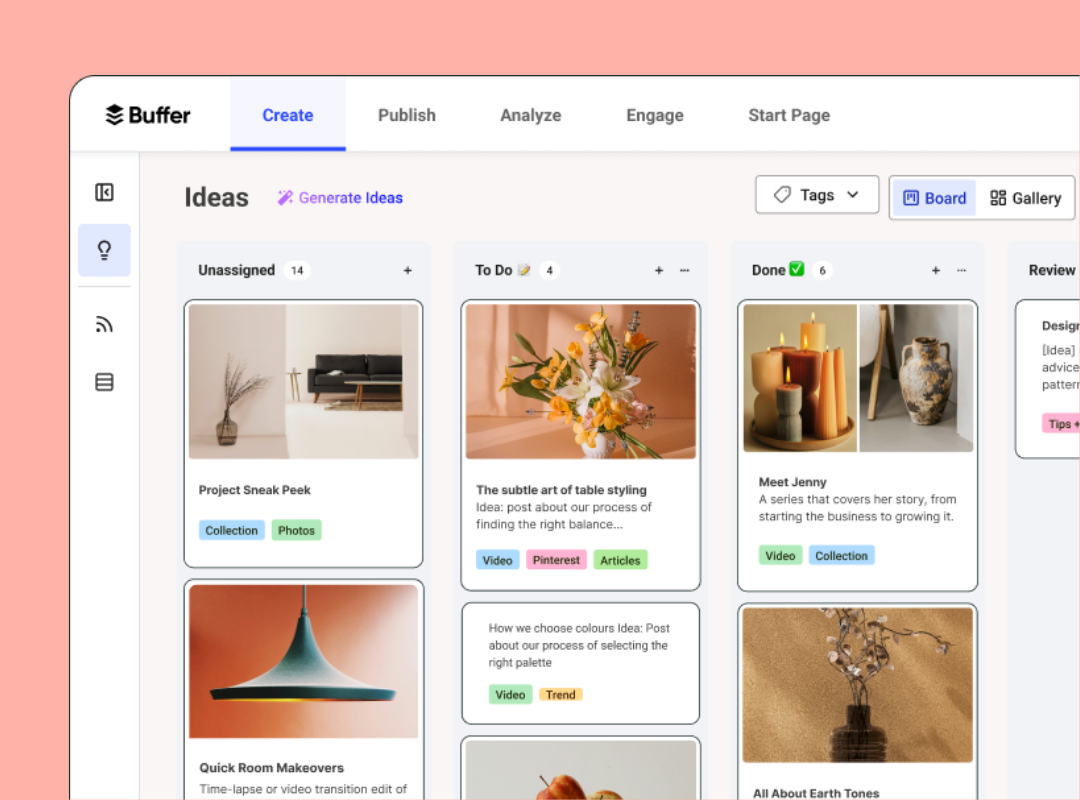
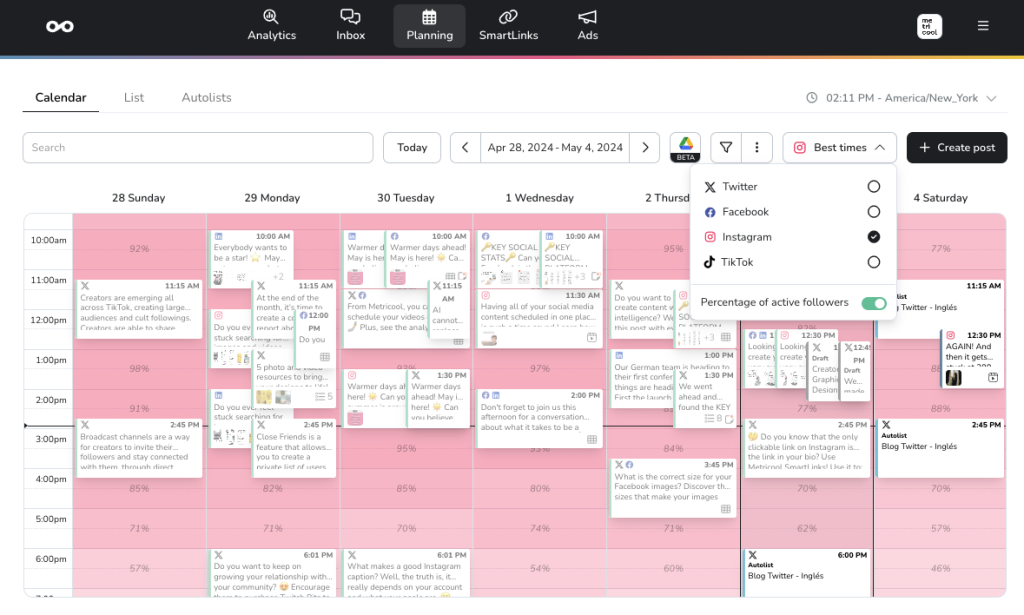
Comprehensive Content Calendar and Post Planner: A visual, drag-and-drop calendar is arguably the most crucial feature, offering a bird’s-eye view of all scheduled content. This allows for easy adjustments to timing, content swaps, and identification of content gaps. Integrated post planners serve as idea repositories, where concepts are developed and refined before being assigned specific dates, platforms, and final captions. The ability to color-code campaigns or content types further enhances strategic oversight and campaign management.
-
Robust Bulk Scheduling and Approval Workflows: For content creators and marketing teams that produce a high volume of content, bulk scheduling capabilities are indispensable. This feature allows for the simultaneous upload and scheduling of multiple posts, often via CSV files or direct asset folders, significantly reducing repetitive manual input. Crucially, for agencies and teams working with clients, layered approval workflows (e.g., draft > review > publish) are essential. These prevent errors, ensure brand compliance, and streamline client feedback, mitigating the risk of last-minute content changes and safeguarding brand reputation.
-
Unified Inbox and Collaboration Tools: Effective social media management extends beyond publishing; it encompasses community engagement. A unified social inbox centralizes direct messages, comments, and mentions from all connected profiles into a single dashboard. This streamlines community management, ensuring timely responses and preventing inquiries from falling through the cracks. Timely engagement is crucial, with studies indicating that 70% of consumers expect a response to a social media complaint within an hour. Complementary collaboration features, such as shared drafts, internal notes, and granular role-based permissions, facilitate seamless teamwork, reducing reliance on external communication channels like email or Slack for content coordination.
-
Integrated Media Library and Mobile Accessibility: A searchable media library acts as a central repository for all brand assets, including logos, evergreen graphics, video snippets, and user-generated content. This eliminates the need to repeatedly search for files, ensuring brand consistency and expediting content creation. Furthermore, top-tier scheduling tools offer robust mobile applications that mirror desktop functionality, allowing users to create, schedule, or modify posts on the go, providing unparalleled flexibility for busy professionals who need to manage their digital presence from anywhere.
-
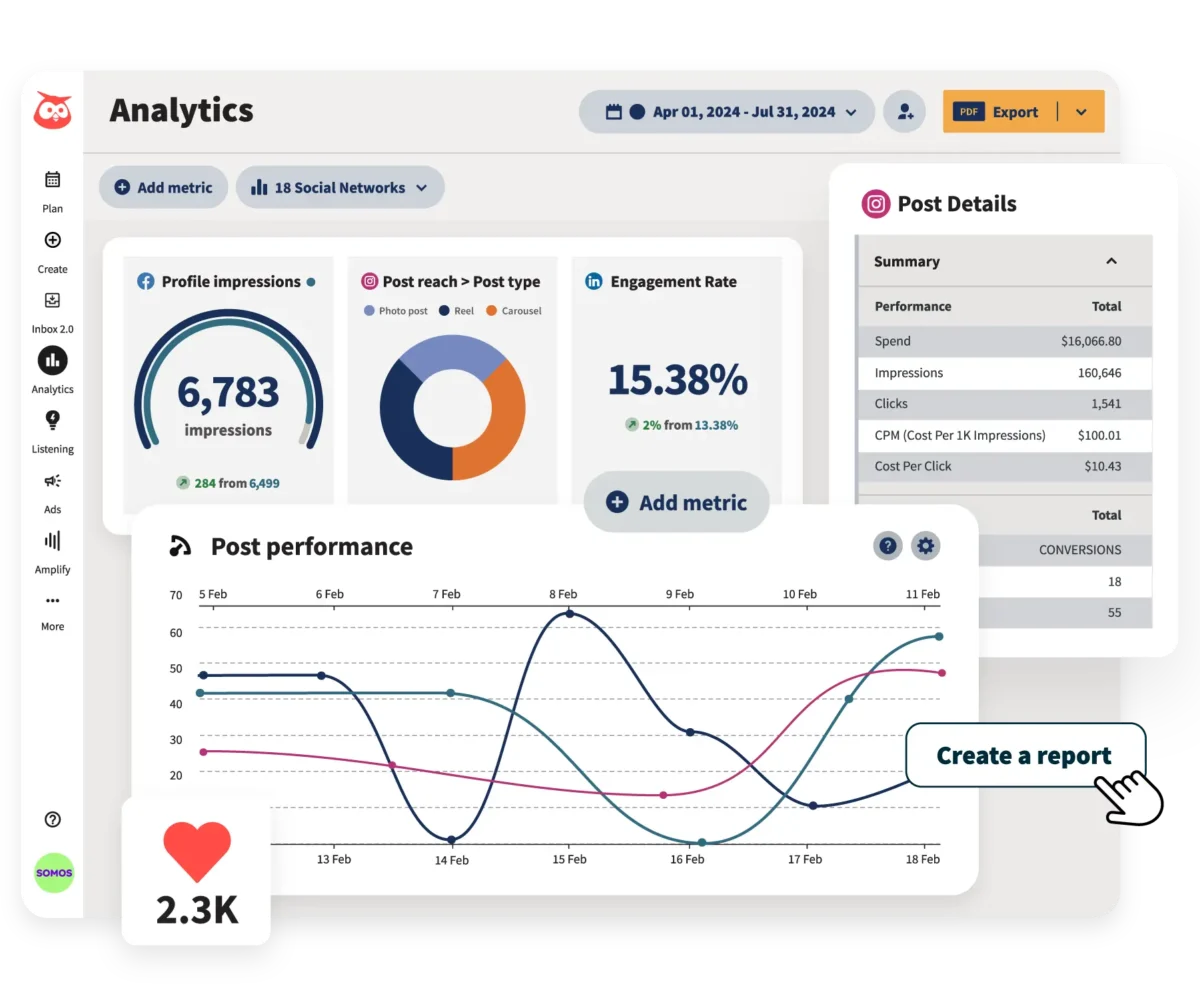
Advanced Social Media Analytics and Performance Tracking: Planning and publishing are only the initial steps. Understanding content performance is vital for iterative strategy refinement. Integrated analytics dashboards provide critical metrics such as reach, engagement rates, click-through rates, follower growth, and demographic insights. These data points empower marketers to identify successful content types, optimize posting times, reallocate resources to high-performing campaigns, and retire underperforming strategies, directly impacting return on investment (ROI). Data-driven decisions are increasingly critical, with businesses that leverage analytics reportedly seeing 5-6% higher productivity and profitability.
-
Emerging AI-Powered Features: The integration of artificial intelligence is rapidly becoming a differentiator. AI helpers can assist with caption generation, hashtag suggestions, content repurposing, and even identifying optimal posting times based on historical performance data. While not a replacement for human creativity and strategic thinking, these AI capabilities significantly reduce administrative burden and enhance content optimization, enabling marketers to scale their efforts more effectively.
A Landscape of Solutions: Tailoring Tools to Diverse Needs
The market offers a rich array of social media scheduling tools, each with distinct strengths catering to specific user profiles. Understanding these distinctions is crucial for selecting the most appropriate platform. It is important to note that pricing and feature sets are dynamic; users are advised to double-check each provider’s website for the most current information.
-
For the Solo Creator and Small Business: Focus on Ease and Affordability
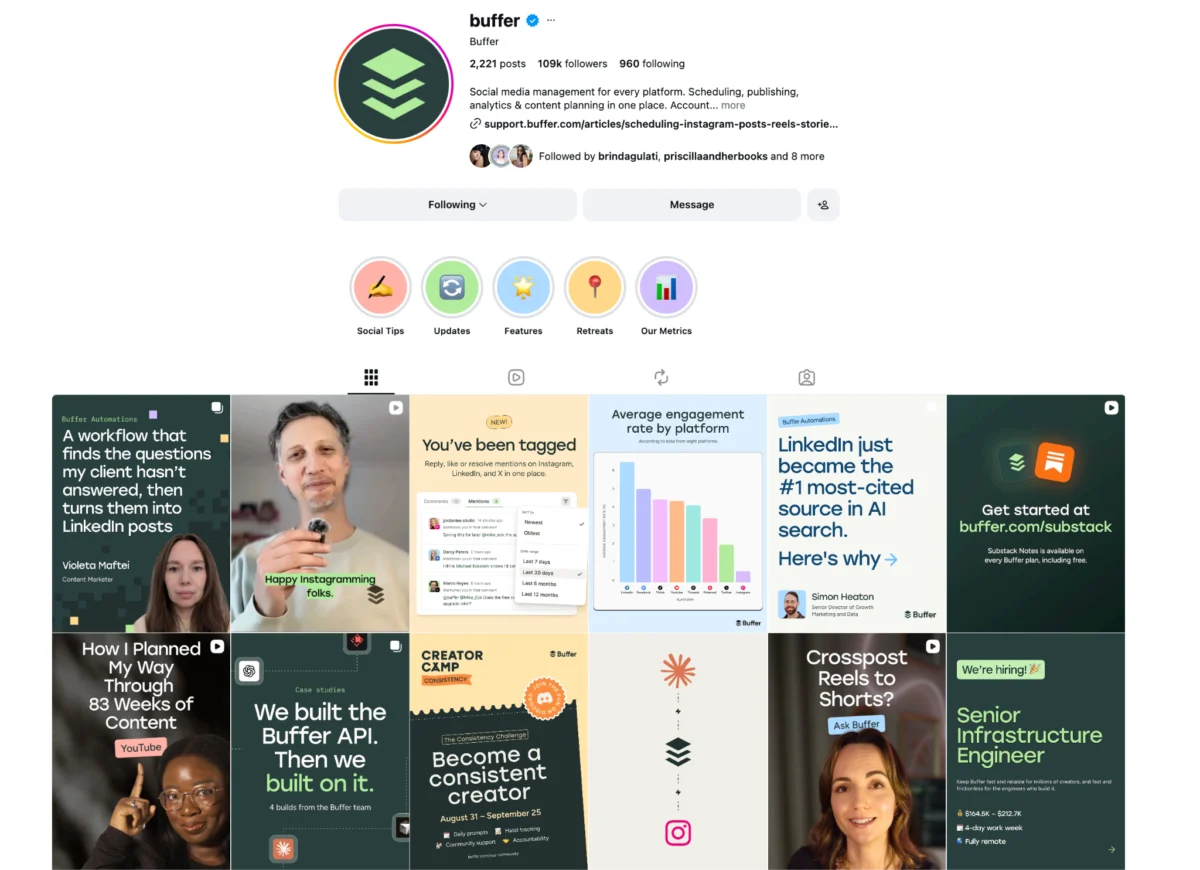
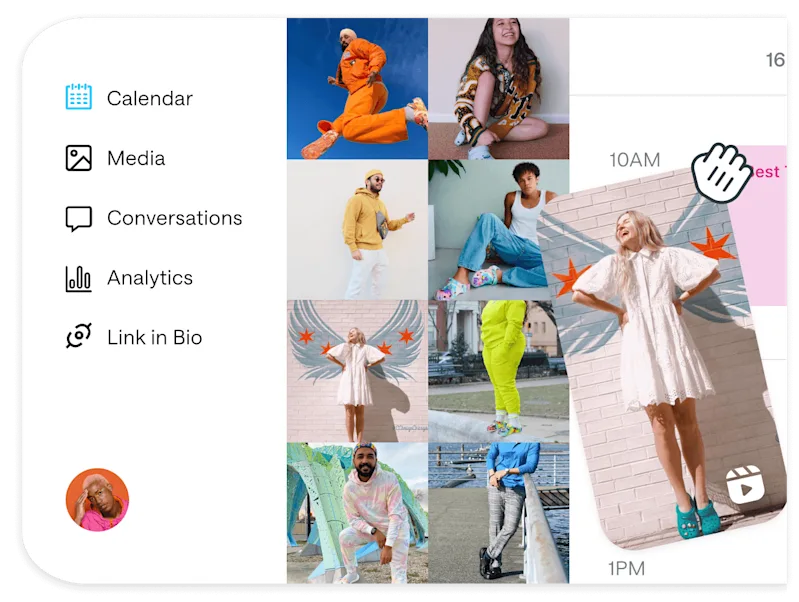
Tools like Buffer and Later excel in this segment. Buffer is widely praised for its intuitive interface, focusing on consistent, stress-free scheduling without feature bloat. Its free plan for up to three channels makes it an accessible entry point for individuals and nascent businesses, offering core scheduling and analytics. Similarly, Later, originally built with Instagram in mind, is ideal for visual-first creators and brands, offering a unique drag-and-drop calendar that previews grid aesthetics, alongside robust visual planning features for platforms like TikTok and Pinterest. Its free plan, while limited in posts, provides a strong foundation for visual content planning. These platforms prioritize user experience and essential scheduling functionalities, allowing smaller entities to maintain a professional online presence without a steep learning curve or significant financial outlay. -
For Enterprise Brands and Agencies: Emphasizing Scale, Analytics, and Collaboration
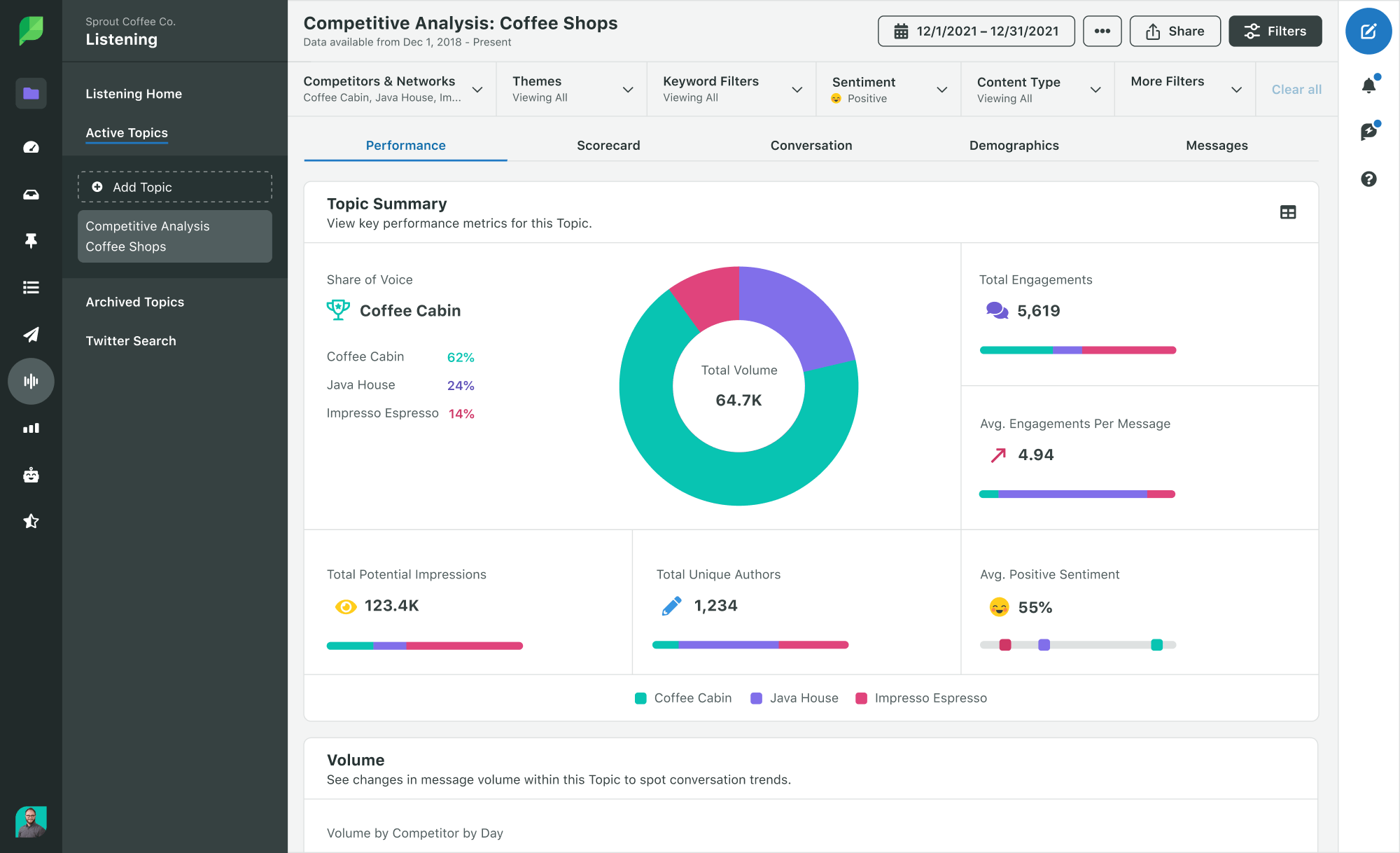
At the other end of the spectrum are enterprise-grade solutions such as Sprout Social and Hootsuite. Sprout Social offers a comprehensive suite encompassing robust publishing, listening, and advanced analytics, making it a powerful choice for large teams and agencies managing numerous accounts and requiring deep reporting capabilities. Its higher price point (starting around $199 per user per month) reflects its extensive feature set and sophisticated workflows, catering to organizations where visibility and control across multiple stakeholders are paramount. Hootsuite, an industry veteran, is renowned for its cross-platform scheduling at scale. While its interface can be dense, it provides unparalleled control for managing a vast number of profiles and streams, making it suitable for large organizations with complex social media strategies. The shift of Hootsuite to a purely paid model (starting at $199 per month for its Standard plan as of 2025) underscores its positioning towards professional, high-volume users, offering a 30-day free trial instead of a permanent free tier.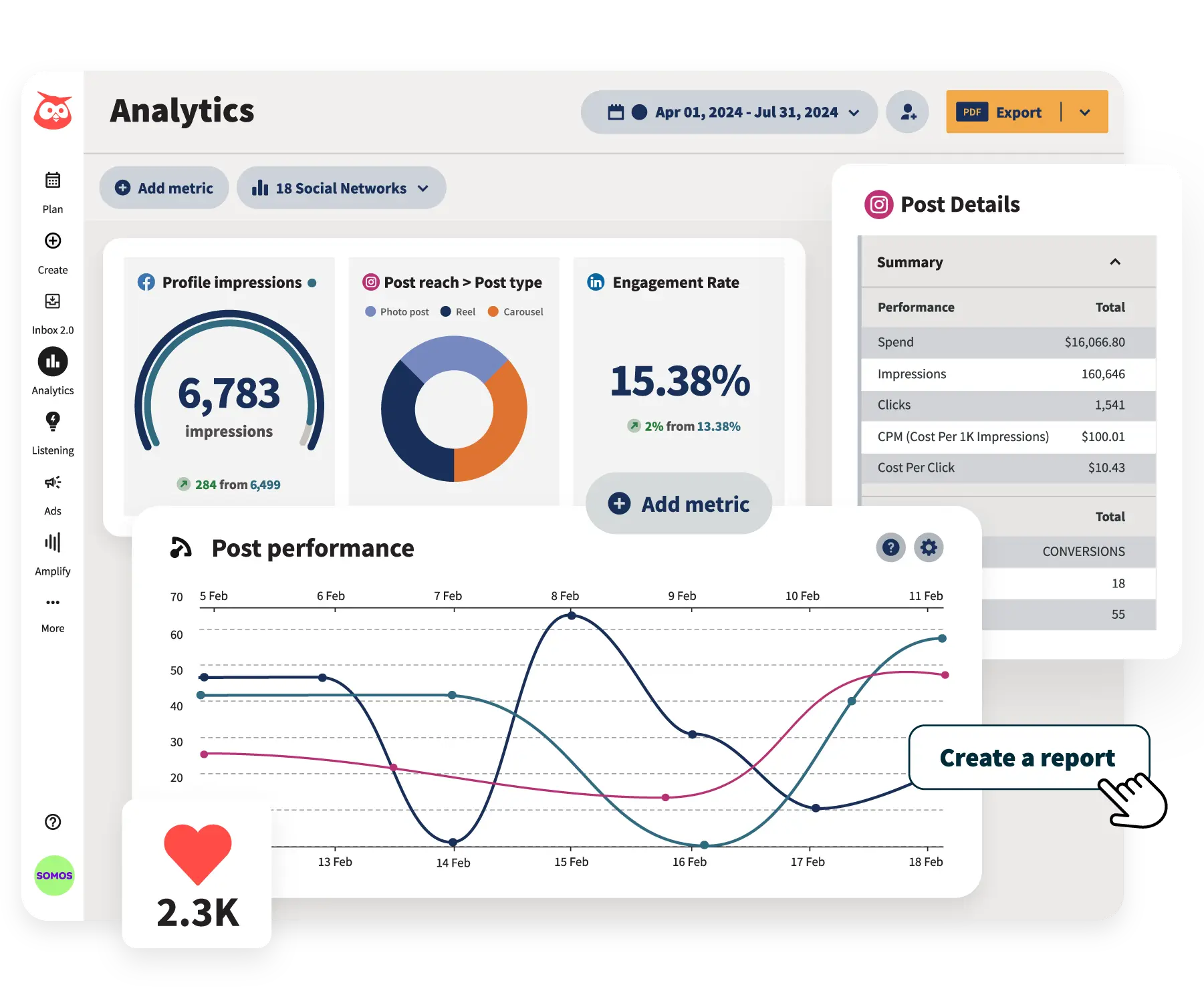
-
For Specialized Workflows: Niche Strengths
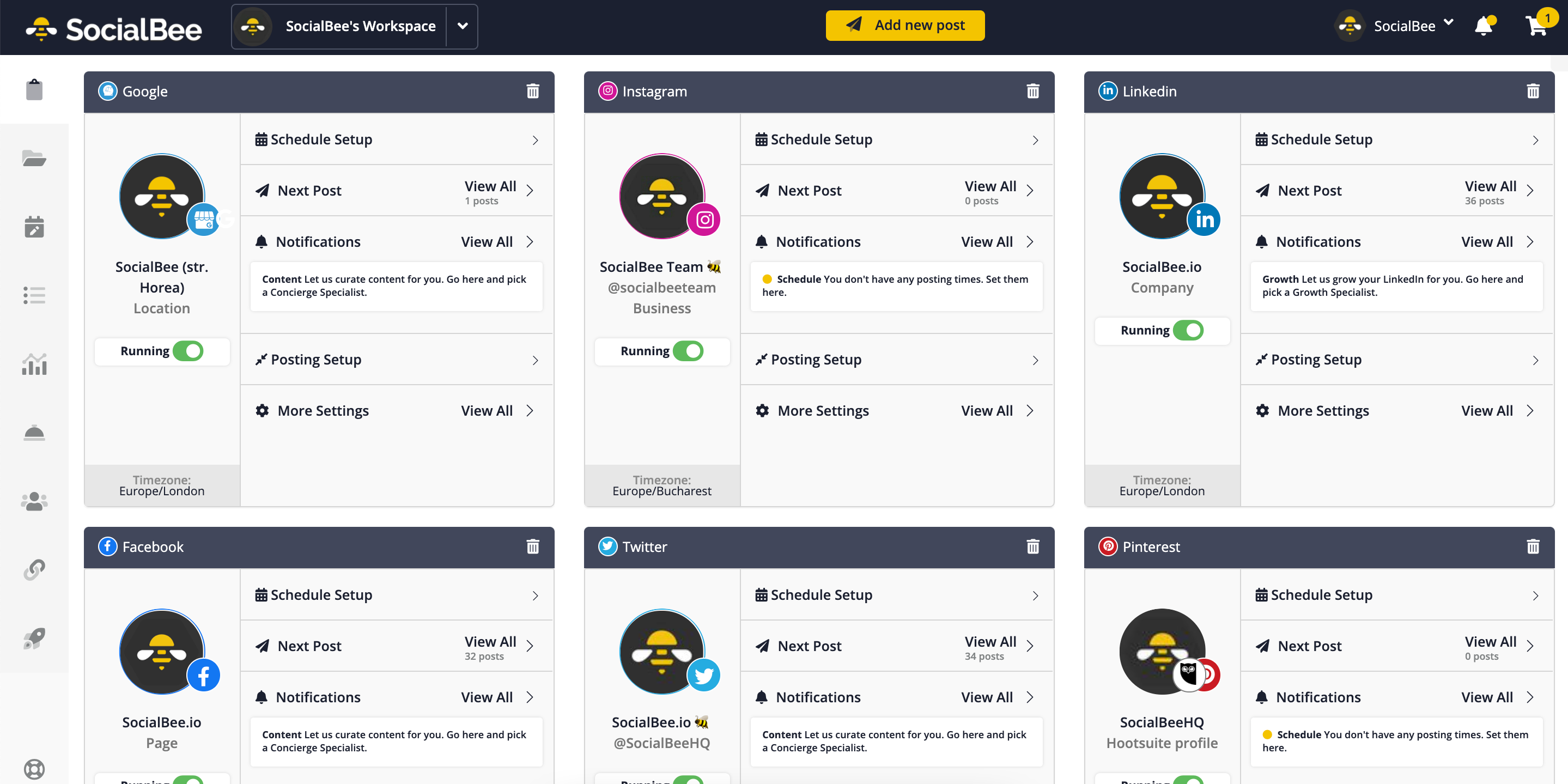
Other tools carve out specific niches. SocialBee shines for strategies heavily reliant on evergreen content, allowing users to categorize posts and set automated cadences to keep queues perpetually full. This is particularly valuable for coaches, consultants, and content marketers who frequently repurpose foundational content, offering a 14-day free trial. Metricool caters to data-driven marketers, integrating robust scheduling with real-time analytics and competitive insights, offering intelligent recommendations for optimal posting times and hashtag usage. Its generous free tier (20 posts per month) makes it an attractive option for those prioritizing performance tracking and optimization, with paid plans starting at approximately $18 per month. Finally, Planable excels in environments demanding rapid, visual collaboration and client approvals. Its feed-style interface ensures clients see posts exactly as they will appear, streamlining feedback loops and accelerating content sign-offs for agencies and in-house teams with rigorous approval processes, offering a free plan limited to 50 posts and paid plans from $33 per month per workspace.
Strategic Considerations for Tool Selection
Choosing the right social media scheduling tool is a strategic decision that should align with an organization’s specific goals, resources, and operational realities. A structured approach to selection involves addressing several key questions:
-
What is Your Posting Routine and Volume? Assess whether content is created daily, weekly, or in large batches. Determine the number of platforms to be managed and the desired posting frequency. A solo creator focusing on two platforms with daily posts has different needs than an agency managing twenty brands across five platforms.
-
What is Your Team Structure and Collaboration Requirement? Consider whether you are a solo operator, part of a small marketing team, or an agency with multiple clients and internal stakeholders. The need for approval workflows, shared drafts, internal commenting, and role-based permissions dictates the complexity of collaboration features required. Industry analysts often highlight that tools facilitating seamless team interaction can boost productivity by up to 30%.
-
Which Platforms Are Most Critical for Your Strategy? While many tools support major networks, some offer deeper integrations or specialized features for specific platforms (e.g., Later for Instagram/TikTok visuals). Prioritize a tool that excels on your primary channels while offering flexibility for future expansion. It is a prudent strategy to select a tool that can grow with evolving platform needs, even if only a few channels are utilized initially.
-
Beyond Scheduling: What Other Management Needs Do You Have? Evaluate whether you require integrated analytics, social listening, unified inboxes for community management, competitor analysis, or AI assistance. A holistic view of social media management extends beyond mere publication, encompassing the full lifecycle of content and audience interaction.
-
What is Your Budget and Pricing Model Preference? Free plans are excellent for testing, but understand how costs escalate with additional channels, users, or advanced features. Some tools charge per channel, others per user seat, or based on post volume. A clear understanding of the pricing structure is crucial to avoid unexpected expenses. Leveraging free trials or basic free plans is highly recommended, regardless of experience level, to assess a tool’s suitability before committing financially.
The Broader Impact: Scheduling as a Catalyst for Growth
The strategic adoption of social media scheduling tools extends far beyond mere convenience; it fundamentally alters how businesses and individuals approach their digital presence. By automating the logistical aspects of posting, these tools empower users to:
- Elevate Content Quality: With administrative burdens reduced, more time can be dedicated to research, creativity, and the production of higher-value content that resonates deeply with target audiences. This shift from reactive to proactive content creation is critical in a crowded digital space.
- Foster Strategic Thinking: The ability to visualize content calendars allows for a more holistic view of campaigns, facilitating strategic alignment with broader marketing objectives and identifying opportunities for cross-promotion or thematic content series. This contributes to a more coherent and impactful brand narrative.
- Enhance Brand Consistency and Voice: Pre-planning ensures a cohesive brand message and aesthetic across all platforms, reinforcing brand identity and building trust with the audience. Consistent brand messaging can increase revenue by up to 23%.
- Improve Audience Engagement: Consistent posting at optimal times, coupled with efficient community management via unified inboxes, leads to more responsive and engaged communities. Higher engagement rates are directly linked to increased brand loyalty and customer advocacy.
- Gain Competitive Advantage: Data-driven insights from integrated analytics allow for continuous optimization, enabling brands to adapt quickly to market trends and outperform competitors. The ability to quickly identify and double down on successful content strategies provides a significant edge.
In conclusion, social media scheduling tools are no longer optional accessories but foundational elements of any successful digital strategy. They are catalysts for efficiency, consistency, and strategic foresight, transforming the daily grind of social media management into a streamlined, impactful process. For creators aiming to professionalize their brand, small businesses striving for broader reach, and enterprises seeking to optimize their global digital footprint, the right scheduling tool is an investment that pays dividends in saved time, increased engagement, and sustained growth in the dynamic digital ecosystem. The market offers a tailored solution for every need, making the decision less about finding the "best" tool universally, and more about identifying the optimal partner for one’s unique digital journey. As the digital landscape continues to evolve, these tools will undoubtedly remain at the forefront of innovation, continually redefining the art and science of social media engagement.