Angie Faith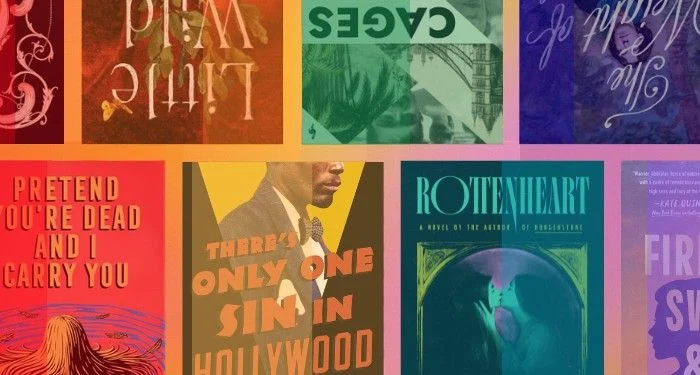
Each June, as Pride Month commences, a heightened focus emerges on LGBTQ+ literature, offering a dedicated opportunity to explore narratives that have often been marginalized or erased from mainstream historical accounts. While the consumption of queer books extends throughout the year for many, Pride Month serves as a potent catalyst for themed reading, drawing attention to the rich and evolving landscape of LGBTQ+ historical fiction. This year, the literary world is witnessing a significant influx of compelling new releases, offering fresh perspectives and reimagined historical moments. This article delves into ten notable 2026 LGBTQ+ historical fiction titles, featuring both factual figures and fictional characters, spanning a diverse range of settings and experiences. These forthcoming works promise to engage readers with their intricate storytelling, delving into profound themes that resonate deeply and leave a lasting impression.

The growing prominence of LGBTQ+ historical fiction reflects a broader cultural shift towards acknowledging and celebrating the multifaceted tapestry of human experience. For decades, historical narratives have largely adhered to heteronormative and cisnormative frameworks, effectively silencing or minimizing the contributions and lives of LGBTQ+ individuals. The emergence and proliferation of this genre represent a critical act of historical reclamation, providing a platform for stories that challenge traditional interpretations of the past and offer a more inclusive understanding of history. This literary movement is not merely about representation; it is about correcting the historical record, honoring silenced voices, and enriching our collective understanding of the past.
A Wave of New Releases: Diverse Eras, Shared Humanity
The following titles, released or anticipated in 2026, exemplify the breadth and depth of contemporary LGBTQ+ historical fiction, offering readers a journey through different eras and geographical locations, united by explorations of love, identity, resilience, and societal struggle.

Currently Available: Illuminating Past and Present
-
"There’s Only One Sin in Hollywood" by Rasheed Newson
Released on June 2, 2026, Rasheed Newson’s latest offering, "There’s Only One Sin in Hollywood," delves into the shadowy underbelly of the Golden Age of Hollywood. Building on the critical acclaim of his previous work, "My Government Means To Kill Me," Newson crafts a gripping historical mystery. The narrative centers on Aaron, a former backlot fixer tasked with safeguarding the carefully constructed public image of a closeted A-list actor. Years after his clandestine work concluded, the sudden and suspicious death of the star, Xavier C. Barlow, at the zenith of his career compels Aaron to confront the powerful forces that may have orchestrated the tragedy. The novel promises a searing exposé of the film industry’s darker secrets, where personal integrity and professional survival hang precariously in the balance. This work taps into a historical period rife with both glamour and hidden repression, offering a critical lens on the societal pressures faced by LGBTQ+ individuals in the public eye.
-
"Cages" by Chantel Acevedo
With a release date of June 9, 2026, Chantel Acevedo’s "Cages" transports readers to 1960s Cuba, a time of significant political and social upheaval. The novel tells the story of a zookeeper who risks his life and freedom for a forbidden love affair in a country where same-sex relationships were criminalized and deemed "counterrevolutionary." The narrative unfolds through the perspectives of those who knew him, piecing together the complex life of Felix, whose journey spans from Cuba to exile in London and Miami. The novel grapples with profound questions about the nature of love, the consequences of societal repression, and the enduring impact of family relationships across generations. Acevedo’s work provides a poignant exploration of how political climates can profoundly shape personal lives and relationships, particularly for those on the fringes of societal acceptance. -
"Fire Sword and Sea: A Novel" by Vanessa Riley
Scheduled for release on January 13, 2026, Vanessa Riley’s "Fire Sword and Sea" is an epic historical fiction that draws inspiration from the real-life seventeenth-century pirate, Jacquotte Delehaye. The novel reimagines the life of this mixed-race daughter of a Tortuga tavern owner who yearns for a life beyond the confines of her societal expectations. Adopting the male persona of "Jacques" in Haiti, she embarks on a journey at sea, discovering a hidden community of women disguised as men and finding love with a courtesan. However, as the burgeoning slave trade becomes a primary source of wealth for pirates, Jacquotte finds herself compelled to forge a new path, dedicating her life to fighting for the liberation of all. This narrative offers a thrilling blend of adventure, romance, and social commentary, highlighting the intersection of race, gender, and freedom in the historical Caribbean. Riley’s meticulous research and vibrant storytelling bring this compelling period and its complex characters to life.
-
"The Great Disillusionment of Nick and Jay" by Ryan Douglass
Arriving on January 27, 2026, Ryan Douglass presents "The Great Disillusionment of Nick and Jay," a compelling reimagining of F. Scott Fitzgerald’s classic novel, "The Great Gatsby." Set in a prestigious boys’ school in Harlem, the story follows Nick as he attempts to forge a new identity, only to discover that the institution harbors the same systemic issues he sought to escape. As Nick’s writing begins to uncover dangerous secrets within the school, his burgeoning feelings for Jay, the charismatic son of the founder, further complicate his situation. The novel explores themes of social justice, hidden truths, and the complexities of desire within an elite academic setting. This contemporary retelling offers a fresh perspective on a familiar narrative, infusing it with modern concerns and highlighting the enduring relevance of Fitzgerald’s critique of wealth and illusion, viewed through a distinctly LGBTQ+ lens. -
"Pretend You’re Dead and I Carry You" by Julián Delgado Lopera
With a release date of May 26, 2026, Julián Delgado Lopera’s "Pretend You’re Dead and I Carry You" delves into themes of grief, memory, and identity. Following the death of his wife, Ignacio becomes consumed by memories of his past and struggles to connect with his daughter. His days are spent immersed in the world of telenovelas, cigarette smoke, and a blonde wig, all while reminiscing about a past love. The arrival of Mamadora Eléctrica, who assumes a maternal role for his daughter Valentina, brings a complex dynamic to the household, coupled with concerns about a potential curse unleashed by Ignacio’s melancholic state. This novel, from the acclaimed author of "Fiebre Tropical," is a profound exploration of coming-of-age and the unraveling of personal histories, set against a backdrop of familial tension and emotional reckoning.
Bookmark for Later: Anticipated Narratives of the Near Future
The following selections are slated for release later in 2026, promising further rich contributions to the genre.
-
"Little Wild" by Laura Evans
Set for release on June 23, 2026, Laura Evans’ "Little Wild" is a historical novel set in Suffolk in 1937. The story follows Margaret, a young woman on the cusp of attending Oxford University. However, her true intention, shared only with her closest friend Joanie, is to elope to London and live as lovers, escaping the rigid societal norms of their upbringing. When their plans are discovered, Margaret’s estranged father intervenes, taking her to the woods where a mysterious power begins to awaken within her. The narrative questions whether this awakening is a curse, echoing the fate of her mother, or a force that might ultimately lead Margaret to the love she has always sought. The novel promises a compelling exploration of female desire, societal constraints, and the potential for transformative self-discovery.
-
"In These Gilded, Ghostly Hearts" by Gwendolyn Kiste
Scheduled for release on September 15, 2026, Stoker Award winner Gwendolyn Kiste offers a dark, spectral reimagining of "The Great Gatsby" in "In These Gilded, Ghostly Hearts." Set in the 1950s, the novel centers on Mel, the daughter of Daisy Buchanan. Mel encounters the ghost of her mother and is compelled to investigate the circumstances of her death, delving into the secrets and tragedies that haunt her family’s past. Kiste’s work promises a gothic exploration of legacy, memory, and the lingering shadows of unresolved trauma, offering a fresh, queer-inflected perspective on a literary classic. The exploration of Daisy’s daughter adds a layer of generational impact, examining how the choices and fates of one generation can echo through the next. -
"Tricyclist" by Joon Oluchi Lee
Arriving on September 29, 2026, Joon Oluchi Lee’s "Tricyclist" is positioned as historical fiction, set in the early 2000s in San Francisco. The novel follows a professional ballerina navigating personal and professional challenges, particularly as his boyfriend’s perceived insensitivity leaves him feeling like a perpetual third wheel. The narrative explores the protagonist’s burgeoning self-awareness regarding his desires and his place within his relationships, aided by the support of two suitors and a circle of supportive lesbians. Described as both poetic and explicit, "Tricyclist" is an exploration of life, art, and the messy, imperfect beauty of human connection. The framing of the early 2000s as historical fiction reflects the rapid passage of time and the growing need to document contemporary experiences that are now receding into the past.
-
"The Weight of Angels" by John Boyne
Also slated for release on September 29, 2026, John Boyne’s "The Weight of Angels" presents a compelling alternate history centered on Oscar Wilde. The novel speculates on the life Wilde might have lived had he not been prosecuted for "gross indecency" in 1895. The narrative explores a world where Wilde’s genius is allowed to flourish unhindered by societal persecution, imagining a celebrated existence rather than one marked by public scandal and imprisonment. This work offers a profound reflection on the societal forces that can stifle creativity and human potential, and it invites readers to consider the profound impact of historical injustices on individual lives and artistic legacies. The focus on Wilde provides a historical touchstone for discussions about artistic freedom and the persecution of LGBTQ+ individuals in the past. -
"Rottenheart" by Kat Dunn
With a release date of October 13, 2026, Kat Dunn returns with "Rottenheart," a dark, sapphic novel inspired by Shakespeare’s "Hamlet." Following the success of her previous work, "Hungerstone," Dunn’s latest novel is set between the estates in Hampstead, where Odette and Cecilia are permitted to develop their relationship. However, the tranquility is shattered by the death of Odette’s mother, Lydia, and the arrival of her aunt, who begins to usurp her late mother’s position. Odette senses a malevolent presence within her home, suggesting that her mother’s spirit lingers, seeking retribution. This narrative promises a gripping exploration of love, loss, vengeance, and the supernatural, all within a richly imagined historical setting. The queer reimagining of a classic tragedy offers a fresh perspective on familiar themes of betrayal and justice.
The Broader Impact: Reclaiming Narratives and Enriching Understanding
The increasing prevalence and diversity of LGBTQ+ historical fiction are more than just a literary trend; they represent a vital cultural undertaking. By unearthing and amplifying stories that have been suppressed, these novels contribute to a more accurate and comprehensive understanding of history. They challenge dominant narratives, offer solace and validation to LGBTQ+ individuals by seeing their experiences reflected in the past, and educate broader audiences about the complexities of queer lives throughout history. The authors and publishers behind these works are actively engaged in a process of historical reclamation, ensuring that the contributions, struggles, and joys of LGBTQ+ people are no longer footnotes but integral parts of our collective story. As readers engage with these narratives, they are not only entertained but also invited to critically examine historical perspectives and embrace a more inclusive vision of the past. This growing body of work underscores the transformative power of storytelling in shaping our understanding of ourselves and the world around us.