rifanmuazin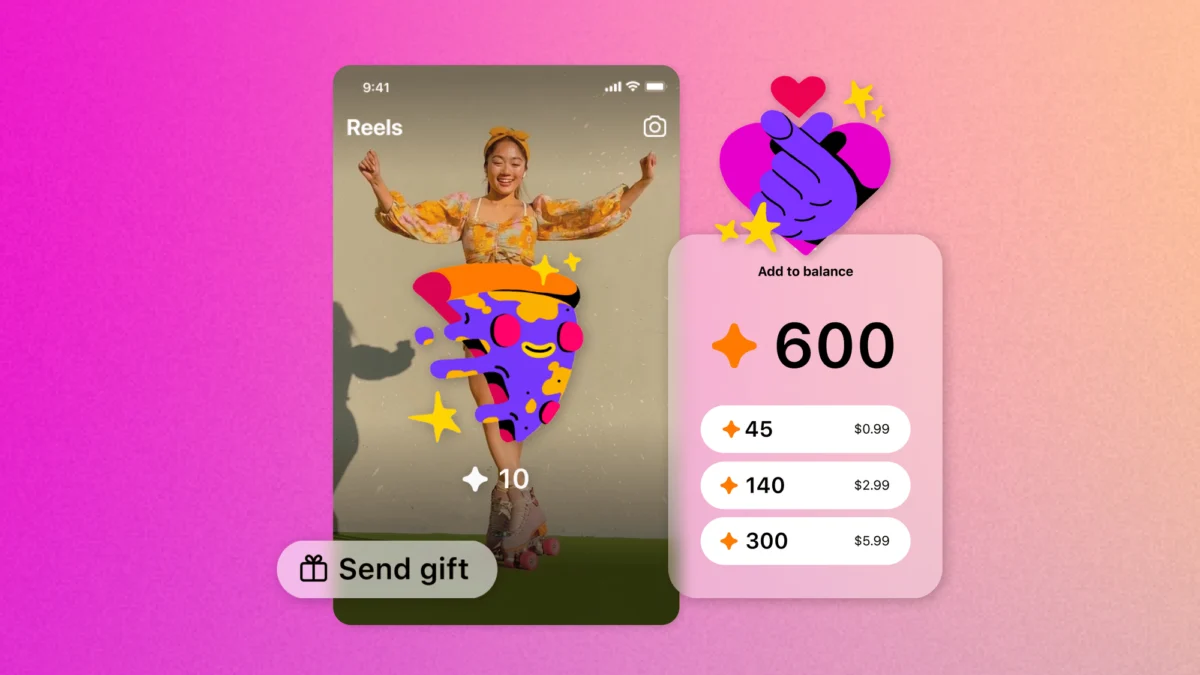
In an increasingly digitized global economy, the notion that significant social media influence is exclusively reserved for celebrity figures with millions of followers is rapidly becoming obsolete. Instagram, a cornerstone of visual social media, has democratized income generation, allowing micro- and even nano-influencers to build sustainable revenue streams, supplementing or entirely replacing traditional income sources through diligent content creation. This shift marks a pivotal evolution in the creator economy, where authenticity and engagement often outweigh sheer follower count.
The journey to monetizing an Instagram presence, as many creators attest, is rarely a path of instant gratification. It demands consistent effort, strategic experimentation, and a deep understanding of one’s audience. Early attempts at monetization, such as affiliate links or nascent brand partnerships, may yield modest returns. However, through persistent refinement and a willingness to explore multiple income avenues, creators can establish robust, recurring revenue streams. The overarching lesson from successful creators is clear: there is no "easy money" switch; converting posts into paychecks necessitates thoughtful, ongoing work.
This article delves into the most effective strategies for generating income on Instagram, outlining what currently yields results, what might be less impactful, and how these methods can be layered to maximize earnings, regardless of a creator’s current follower count. From those just embarking on their Instagram journey to established accounts, diverse opportunities exist for every level of influence.
The Evolving Landscape of Creator Monetization on Instagram
Instagram’s approach to creator monetization has matured significantly, moving beyond simple ad revenue to a multifaceted ecosystem. This evolution reflects the broader trends in the creator economy, which is projected to grow substantially, with platforms actively investing in tools to retain and reward their talent. Creators on Instagram typically generate income through three primary avenues: in-app features, brand collaborations, and self-promotion of their own products or services. Each path presents distinct advantages, varying barriers to entry, and different payout models, catering to a wide spectrum of creator aspirations and audience sizes.

Monetization Paths at a Glance:
| Path | Methods Covered | Minimum Follower Threshold | Payout Model |
|---|---|---|---|
| In-App Features | Subscriptions, Gifts, Badges, Bonuses | 500–10K (varies by feature) | Audience purchases or seasonal bonus |
| Brand Collaborations | Sponsored Posts, User-Generated Content (UGC), Affiliate Links | No minimum (UGC/affiliate); 1K+ (sponsored) | Flat fee, product gifting, or commission |
| Self-Promotion | Instagram Shop, Own Products/Services, Courses, Ads, Merch | No minimum | Direct sales revenue |
It is crucial for creators to understand that while Instagram Shop is a powerful tool for direct sales, it requires a business account and has specific eligibility criteria. Regardless of the chosen monetization strategy, sustained growth and financial success on Instagram are fundamentally rooted in serving a clearly defined audience with consistent, engaging content. Furthermore, content repurposing across various streams can significantly enhance the reach and longevity of each piece of content, optimizing effort for maximum impact.
Let’s explore each of the 12 monetization methods in detail, beginning with Instagram’s native income features designed to facilitate earnings directly within the app environment. It’s important to note that the availability of some features may vary by region, but the underlying concepts often inspire similar strategies adaptable elsewhere.
Native Instagram Monetization Features
Instagram has progressively integrated direct earning opportunities into its platform, allowing creators to monetize their audience’s engagement without needing to direct them off-app.
1. Offer Exclusive Content via Subscriptions
Introduced to foster deeper connections and recurring revenue, Instagram Subscriptions enable creators with typically 10,000 or more followers to charge a monthly fee for access to exclusive posts, Reels, Stories, and live broadcasts. This feature essentially allows creators to host their own membership program directly within Instagram, mimicking models popularized by platforms like Patreon. Subscribers, identifiable by a distinct crown icon on the creator’s feed, gain access to unique content, fostering a more intimate community. When determining a subscription price, creators must balance the perceived value of the exclusive content with accessibility for their audience.
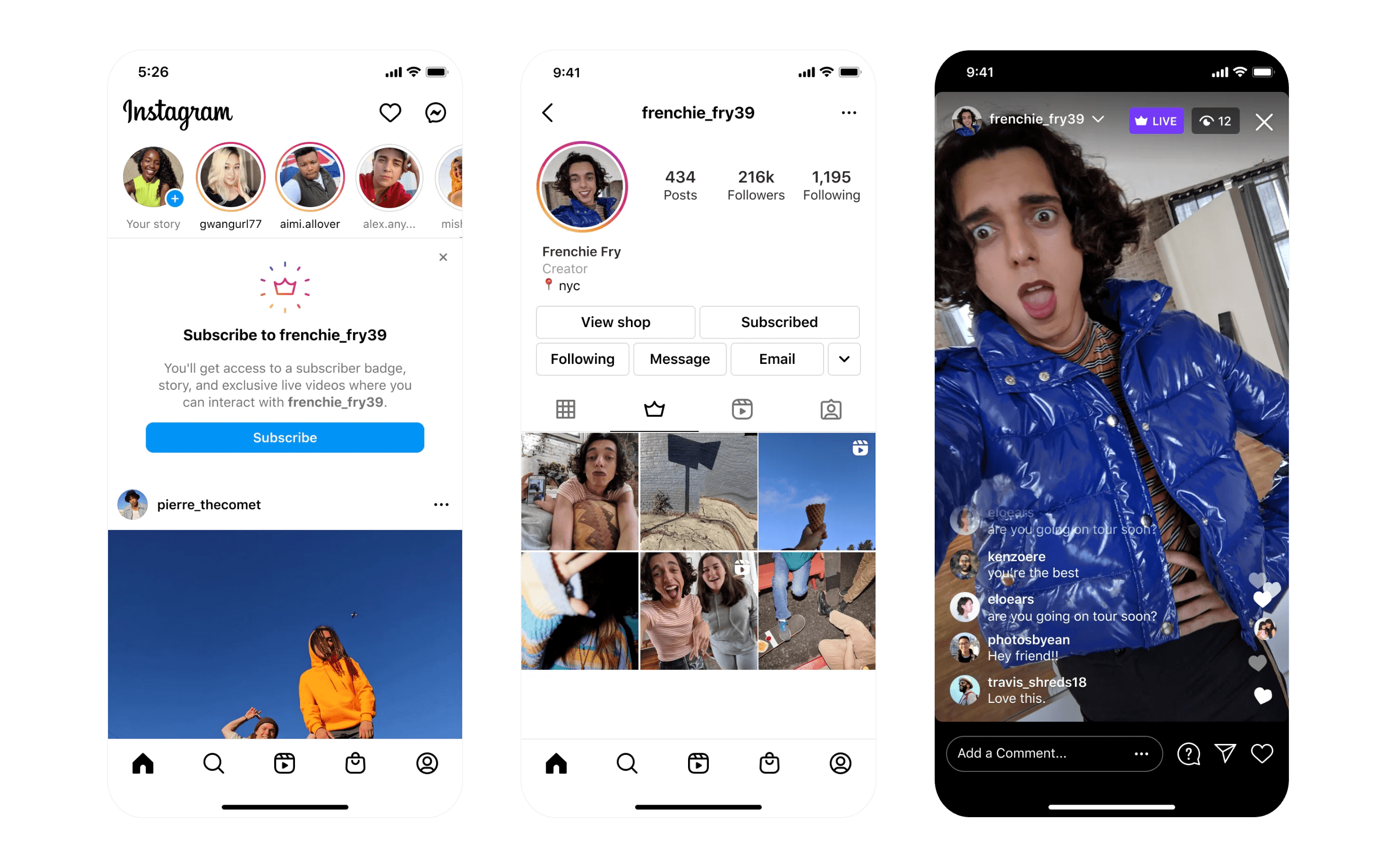
The success of subscriptions, as observed by many creators, hinges less on merely providing more content and more on offering "meaningful access." This often translates to behind-the-scenes glimpses into creative processes, unfiltered personal thoughts, in-depth tutorials, or personal updates that might not suit a public feed. Such content cultivates a sense of belonging and exclusivity, much like being part of a private group chat. To activate subscriptions, creators generally need to be at least 18 years old, have a professional account, and meet specific follower thresholds and content monetization policies. It’s noteworthy that accounts primarily focused on children’s content are typically ineligible. Proactively engaging with subscribers, especially those identified by their purple crown symbol in comments, is a key strategy for retention.
2. Receive Gifts from Fans
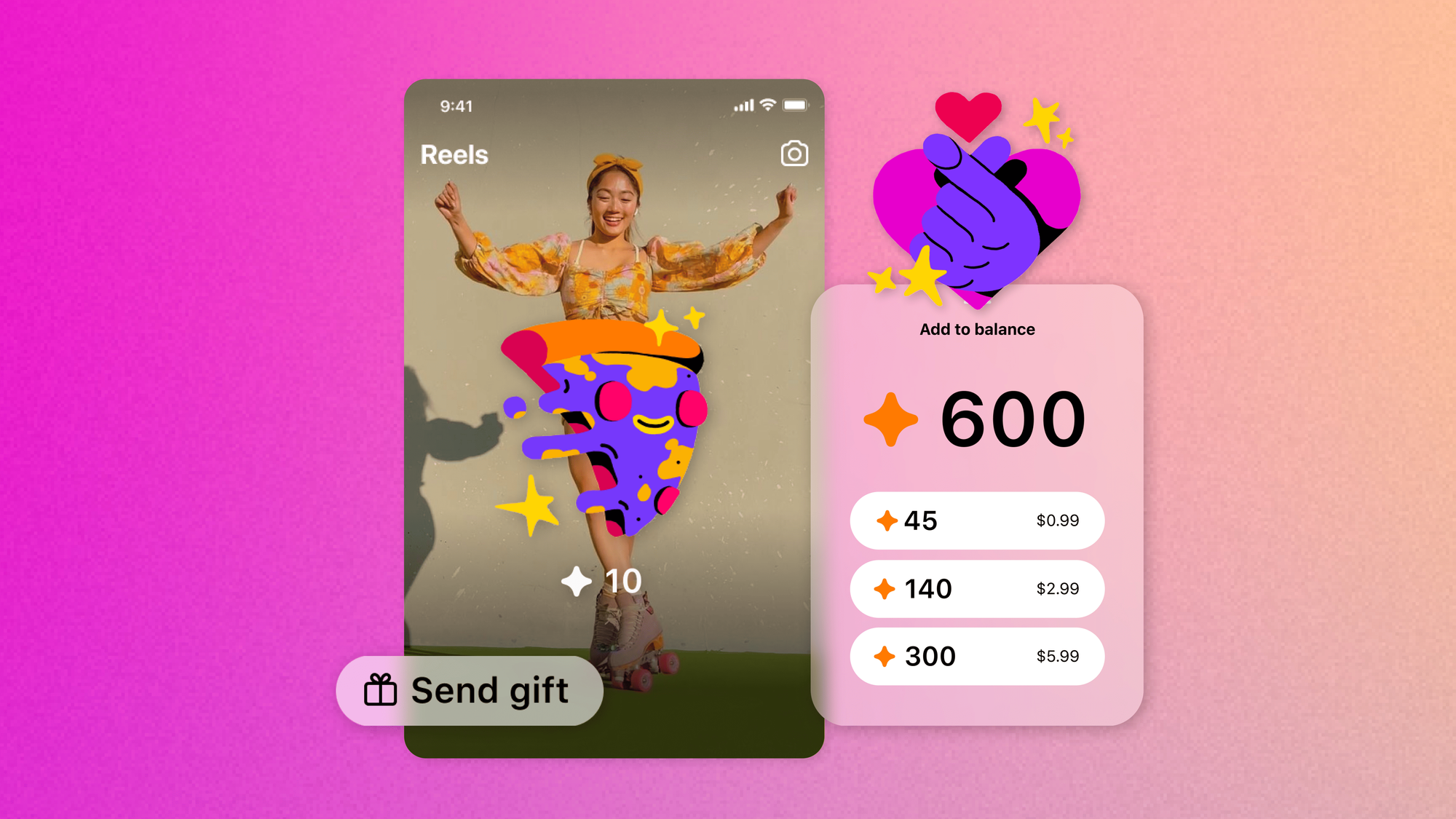
Instagram Gifts offer a low-barrier entry point for direct audience monetization. Available to professional accounts with at least 500 followers, this feature allows fans to send virtual "stars" on Instagram Reels, which convert to cash at a rate of $0.01 per star. This micro-tipping mechanism provides a straightforward way for audiences to show appreciation for content they enjoy.
The key to maximizing earnings from Gifts lies in consistent, high-quality content that resonates emotionally with the audience—whether through entertainment, inspiration, or education. Creators often subtly integrate mentions of Gifts into their captions, suggesting, "If you found this tip helpful, consider sending a gift to support future content in this series." While individual gift amounts may seem small, the cumulative effect of consistent posting over time can result in surprising revenue. This feature is a testament to the "tip jar" mentality, where small gestures of support from a dedicated audience can add up. Eligibility for Gifts is typically restricted to professional accounts in selected countries that meet Instagram’s guidelines.
3. Monetize Live Sessions with Badges
Instagram Badges provide a direct monetization channel during live broadcasts. Viewers can purchase digital badges in increments of $0.99, $1.99, or $4.99, effectively buying a "front-row ticket" to the creator’s live stream. This feature leverages the immediacy and interactive nature of live content, allowing fans to contribute financially in real-time.
Successful creators on Instagram Live often transform their sessions into curated "mini-experiences" with consistent themes, such as "self-care chats," "behind-the-brand Fridays," or "community happy hours." Viewers who purchase badges are visibly distinguished by a heart icon next to their names, allowing creators to acknowledge and prioritize their engagement. To optimize badge earnings, creators are advised to announce the availability of badges at the beginning of their live sessions and reiterate it as new viewers join. Eligibility for badges typically requires creators to be at least 18 years old, qualify for the feature, and reside in one of the approved countries.
4. Qualify for Instagram Bonuses
Among Instagram’s direct monetization offerings, bonuses are unique as they represent direct payments from the platform to creators, without requiring audience purchases or subscriptions. These performance-based incentives are typically offered on rolling cycles for various content formats, including Reels, carousels, and single image posts.
Instagram’s bonus programs are generally invite-only and vary by region, emphasizing the platform’s strategic efforts to incentivize content creation. Creators who receive an invitation will find it on their professional dashboard. Upon activation, the platform counts content shared within a specific period, and earnings are directly correlated with views and plays (excluding replays). Historically, Reels bonuses have often yielded higher payouts per view compared to image posts, underscoring the platform’s prioritization of short-form video. While there isn’t a fixed public rate, past bonus programs have seen creators report earnings in the range of $0.01-$0.05 per 1,000 views. Bonuses are seasonal and temporary, making regular checks of the professional dashboard essential. A payout account must be linked to receive earnings.
As Instagram’s Head, Adam Mosseri, has indicated, creators with a smaller following (a few thousand) might find it more beneficial to focus on audience growth rather than solely on in-app monetization. However, understanding these features remains valuable, even for smaller accounts. They serve as potential income streams as follower counts grow and offer a means to engage and reward a burgeoning community. For creators under a few thousand followers, an 80/20 rule is often recommended: 80% focus on community building and consistent content, 20% on understanding future monetization options.
Brand Collaborations and Affiliate Marketing
For many creators, particularly those with under 10,000 followers, brand partnerships, user-generated content (UGC), and affiliate marketing are often the most effective initial pathways to substantial income. These methods leverage a creator’s influence and audience engagement to drive value for external brands.
5. Earn from Sponsored Posts and Brand Partnerships
Sponsored posts are a cornerstone of influencer marketing, involving creators producing content for a brand and publishing it on their own Instagram feed in exchange for payment. These posts are typically identifiable by a "paid partnership" tag or an #ad hashtag, ensuring transparency. Brands engage creators for sponsored content to enhance brand awareness, reach specific demographics, and leverage the creator’s authentic connection with their audience.

The earning potential from sponsored posts is highly variable, influenced by factors such as the creator’s niche, geographic location, content quality, follower count, and crucially, engagement rate. Industry benchmarks, such as those from Influencer Marketing Hub, suggest that nano-influencers (1,000–10,000 followers) can earn between $10 and $100 per post, with rates escalating significantly for larger accounts. For instance, mid-tier influencers (50,000–500,000 followers) might command $500–$5,000 per post, while mega-influencers (1M+ followers) can earn upwards of $10,000 per post. These figures can increase further if brands acquire usage rights for the content. Buffer’s own analysis of social engagement underscores that engagement rate is a stronger predictor of brand interest than raw follower count, often allowing niche nano- and micro-creators to command competitive rates.
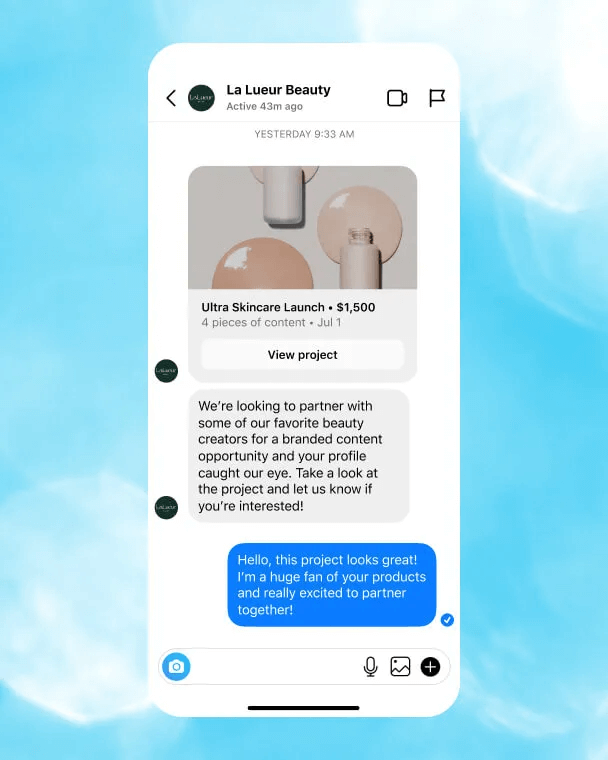
Creators can attract brand partnerships by actively tagging brands they genuinely use and love in their organic content, showcasing their content creation capabilities. Instagram’s Creator Marketplace, available in eligible countries, serves as a hub connecting brands with suitable influencers. Direct outreach to brand marketing teams or even a well-crafted direct message (DM) can also initiate collaborations. A critical consideration for creators is to avoid saturating their feed with brand-related posts, which can diminish authenticity and follower engagement. Industry experts like Annie-Mai Hodge, founder of Girl Power Marketing, emphasize that an overload of inauthentic collaborations can harm long-term growth. Brands seek creators with genuine influence, meaning content should primarily serve, entertain, or connect with the audience, with brand deals integrated as a secondary layer.
6. Create User-Generated Content (UGC) for Brands
User-Generated Content (UGC) deals offer a distinct monetization pathway where creators produce branded video or photo content that brands then post on their own accounts or utilize in advertising campaigns. A significant advantage of UGC is that it typically requires no minimum follower count; brands prioritize content creation skills and style over audience reach.
UGC provides an excellent opportunity for creators to earn income while maintaining the integrity and focus of their personal Instagram feed. It’s particularly well-suited for creators who prefer a "behind-the-scenes" role. This can involve filming unboxing videos, product demonstrations, or tutorials that highlight a brand’s offerings. Many creators secure UGC deals by proactively pitching brands via DMs or email, presenting a portfolio of their work and a clear value proposition. It’s a versatile option for creative individuals who can produce high-quality visual content without necessarily wanting to be the "face" of a campaign on their own profile.
7. Affiliate Marketing
Affiliate marketing is among the most accessible monetization methods for new creators. It involves earning a commission each time a sale is made through a unique trackable link or promo code provided by a company. These links often include discounts, providing an incentive for followers to make a purchase. Platforms like Buffer offer free UTM builders to help creators generate these trackable links.

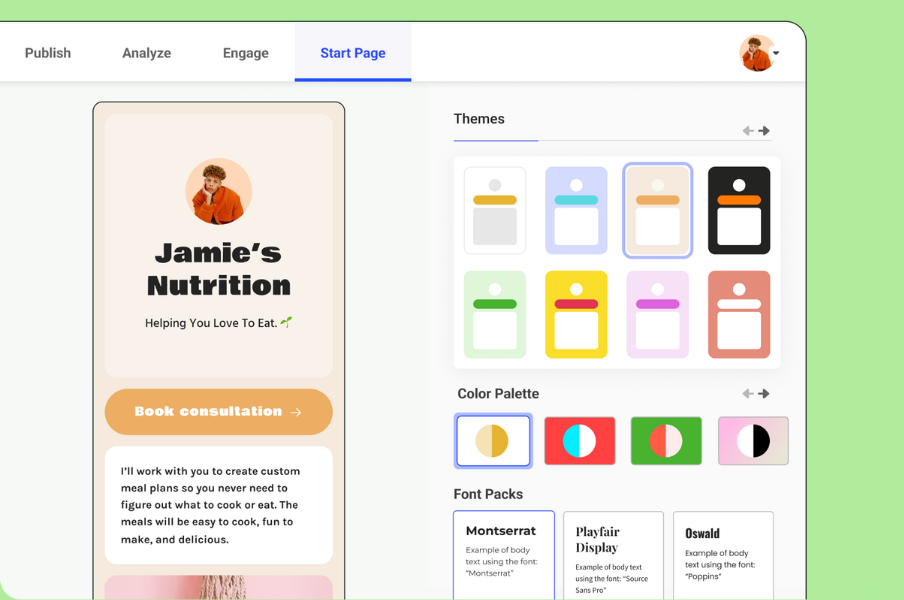
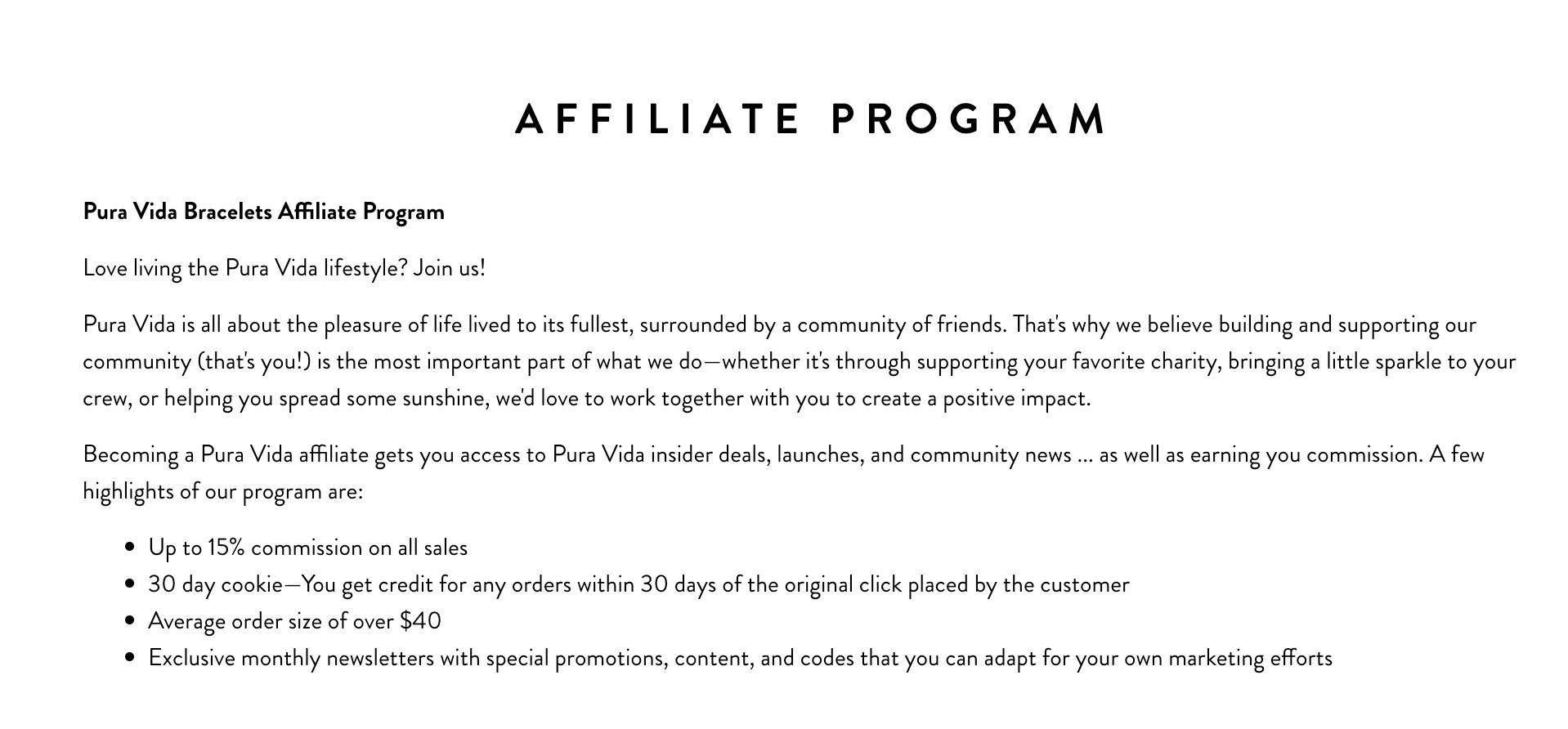
The authenticity of recommendations is paramount in affiliate marketing. Creators who genuinely use and love the products they promote are more likely to build trust with their audience, leading to higher conversion rates. Trackable URLs can be strategically placed in the creator’s Instagram bio link, making them easily accessible and clickable. For promo codes, link-in-bio tools like Buffer’s Start Page allow customization of link text to include the discount code and direct users to the brand’s website. Affiliate relationships often evolve from existing brand partnerships, where a successful sponsored content collaboration might transition into a performance-based affiliate incentive. Creators can also join open affiliate programs like Amazon Associates or Pura Vida, which offer commissions on sales, though these typically involve less direct brand contact and require creators to purchase products for demonstration themselves. Making a list of currently used products and checking for affiliate programs is a practical starting point for authentic promotions.
The collective advantage of branded content—comprising sponsored posts, UGC, and affiliate marketing—is its low barrier to entry regarding follower count and the flexibility it offers in working with brands. It allows creators to diversify their income streams and build a professional portfolio.
Self-Promotion and Direct Sales
Moving beyond in-app features and brand collaborations, the third major pathway to Instagram monetization involves leveraging the platform to promote and sell one’s own products or services. This approach offers higher profit margins as creators retain 100% of the revenue, effectively transforming Instagram into a powerful business engine.
8. Set Up an Instagram Shop and Shoppable Posts
Instagram Shop functions as a digital storefront directly integrated into a creator’s profile, specifically for Instagram business accounts in eligible countries. It enables creators to tag physical products in their posts and Reels with tappable links that lead directly to a product catalog. Users can browse product information, view prices, and proceed to checkout without leaving the app.
For businesses selling physical goods, Instagram Shop streamlines the customer journey, reducing friction between discovery and purchase. If Instagram Shop is unavailable in a particular region, alternative solutions like Buffer’s Shop Grid offer a similar shoppable feed experience. These tools create a clickable landing page linked from the bio, showcasing bestsellers or latest posts and allowing creators to track link clicks for audience insights. The core principle here is minimizing steps for the customer.
9. Sell Your Own Products or Services
Promoting one’s own products or services on Instagram offers the highest profit margins, directly converting followers into paying customers. This encompasses a wide range of offerings, from digital templates and handmade jewelry to coaching services and bespoke art. The critical element is effective storytelling: creators must articulate why their product was created, what problem it solves, and the unique value it provides.
Successful creators, like Modern Millie, who teaches social media growth and monetization, exemplify this approach. Millie leverages Instagram to promote her digital courses, free templates, and YouTube tutorials, demonstrating how clear positioning combined with consistent content can generate significant revenue without the need for a large team or complex infrastructure. Instagram becomes a powerful platform for educating the audience about the brand and its offerings, fostering a loyal customer base.
10. Sell Courses or Membership Programs
For creators who are experts in a particular field, selling online courses or membership programs offers a scalable way to monetize knowledge and build a dedicated community. This method allows creators to share their expertise, teaching their audience specific skills or providing ongoing value through exclusive content and interaction.
Creators like Adriana Blanc, who promotes her fitness membership program on Instagram, illustrate how the platform can be effectively used for this purpose. The strategy for promoting courses, memberships, or exclusive communities mirrors that of selling other products: focus on highlighting the transformative value of the offer and addressing the specific pain points or aspirations of the target audience. It’s about empowering the audience with knowledge or access that they are willing to invest in.
11. Run Instagram Ads to Drive Sales
While organic reach is valuable, running Instagram ads can significantly amplify sales for digital products or services by targeting new audiences. Starting with a modest test budget (e.g., $50-$100) allows creators to identify which organic posts resonate most effectively and then boost those "winners" to a broader, targeted demographic.
Instagram advertising involves promoting content on the feed, in Stories, or as Reels ads to reach a wider audience. The objective is to generate more revenue from sales than the advertising spend. This isn’t merely about hitting ‘boost’ and hoping for the best; it requires strategic testing to refine messages, visuals, and hooks that convert. Analyzing ad performance provides invaluable insights, not only for future ad campaigns but also for refining organic content strategy. Viewing the initial ad budget as an investment in learning rather than just a launch expense can lead to more effective long-term advertising.
12. Design and Sell Merch
For creators who have cultivated a strong personal brand and a highly engaged community on Instagram, designing and selling merchandise can be a lucrative venture. This strategy capitalizes on brand loyalty and community identity, allowing followers to visually express their connection to the creator’s brand.
Merchandise can feature iconic phrases, beloved aesthetics, or inside jokes that resonate deeply with the audience. Sabrina Zohar, a dating coach and influencer, successfully implemented this by turning repeat phrases from her podcast, The Sabrina Zohar Show, into recognizable merchandise. This approach leverages the emotional connection and sense of ownership her audience already feels towards her brand, transforming it into tangible products that further solidify community bonds. Platforms offering print-on-demand services have made this accessible even for individual creators.
Converting Posts to Paychecks: Strategic Growth
Monetization on Instagram is not about indiscriminately pursuing every available income stream. Instead, it demands a strategic approach focused on authenticity and alignment with the creator’s brand and audience. The most effective strategy often involves starting small, selecting one or two monetization methods from this comprehensive list, and testing them consistently over several months. This iterative process helps identify what is sustainable, exciting, and naturally fits within the creator’s content rhythm.
Success on Instagram, regardless of the monetization path chosen, is underpinned by timeless principles: solving a genuine problem for the audience, cultivating a clear and differentiated niche, and consistently engaging with the community. While the glamorous aspect of content creation often captures attention, the reality includes a significant amount of administrative work—managing comments and DMs, analyzing performance data, and maintaining a robust content calendar. Tools designed for social media management can help streamline these tasks, freeing up creators to focus on the content that built their audience in the first place.
The journey to monetizing Instagram is continuous, marked by learning, adaptation, and a steadfast commitment to one’s community. By embracing a strategic, audience-first approach, creators can effectively convert their passion into sustainable paychecks.
FAQ About Making Money on Instagram
Do Instagram users get paid directly by the app?
Yes, Instagram offers several in-app tools for direct monetization, including Subscriptions for exclusive content, Gifts on Reels, Badges during live sessions, and occasional performance-based Bonuses. However, many creators derive the majority of their income from external sources such as brand partnerships (sponsored posts, UGC), affiliate marketing, and selling their own products or services.
How much does Instagram pay for 1,000 views?
There is no fixed or guaranteed rate that Instagram pays per 1,000 views. Payments, primarily through bonus programs, are highly variable and depend on factors such as the specific program, creator eligibility, audience demographics, content format (Reels historically pay more per view), and the region. Creators have reported rough ranges of $0.01–$0.05 per 1,000 views in past bonus schemes, but these are not consistent.
How many views on Instagram do you need to make money?
There isn’t a universal view threshold for earning money on Instagram. While bonus programs are invitation-only and tied to content performance, not a specific view count, they often favor content that consistently achieves high engagement. For Reels, Instagram’s bonus initiatives have historically focused on creators whose Reels frequently exceed 10,000 plays, but eligibility criteria can vary widely by region and program. For brand deals, engagement rate and niche relevance often supersede raw view counts.
How many followers do I need to get paid on Instagram?
A fixed follower count is not a universal prerequisite for earning on Instagram. While Instagram’s in-app monetization features have specific thresholds (e.g., 500 followers for Gifts, 10,000 for Subscriptions, though these can change), external methods like User-Generated Content (UGC), affiliate marketing, and selling your own products via Instagram Shop or a link-in-bio page have no minimum follower requirements. Nano-influencers often secure lucrative brand deals based on their high engagement and niche relevance.

How much do nano-influencers make on Instagram?
Nano-influencers, defined as creators with 1,000–10,000 Instagram followers, typically earn between $10 and $100 per sponsored post, according to data from Influencer Marketing Hub. These rates are subject to variation based on the creator’s niche, engagement rate, content quality, and the usage rights granted to the brand (e.g., higher pay for ad repurposing). Many nano-creators build sustainable income by combining multiple streams, such as sponsored posts, affiliate links, and UGC, rather than relying solely on individual post fees.
Can you make money on Instagram without a lot of followers?
Absolutely. The most accessible paths for creators with smaller followings include User-Generated Content (UGC), where brands pay for content they use on their own channels; affiliate marketing, earning commissions on sales through unique links; and selling one’s own products or services via an Instagram Shop or a link-in-bio page. Nano-influencers frequently demonstrate that niche expertise and high engagement are more valuable to brands than a massive, generalized audience.
Can you make money on Instagram without showing your face?
Yes. User-Generated Content (UGC) is a common avenue for creators who prefer not to appear on camera, as brands hire them to produce product demos, unboxings, or voiceover videos for the brand’s own use. Other viable options include affiliate marketing, operating an Instagram Shop for physical or digital products, and selling courses or templates that don’t require a personal brand tied to a face. Many successful "faceless" accounts in niches like finance tips, book reviews, aesthetic compilations, and recipe tutorials monetize effectively through these methods.
What do I need to qualify for Instagram’s money-making tools?
To qualify for Instagram’s various monetization tools, creators typically need to be at least 18 years old, operate a professional Instagram account, adhere to Instagram’s Content Monetization and Partner Monetization policies, meet any specific follower or engagement thresholds for each feature, reside in a country where the feature is available, and successfully set up a payout account to receive earnings.
How do I start earning money on Instagram if I’m new?
For new creators, the initial steps involve choosing a clear niche, consistently posting high-quality content, and actively engaging with the audience through comments and story replies. Once a foundational community is established, select one income path to focus on first, such as creating UGC for brands, implementing affiliate links for products you genuinely use, or offering a small digital product. Building gradually from there, while utilizing tools like Buffer for consistent scheduling and analytics, is a proven strategy for sustainable growth and monetization.