
 Ali Ikhwan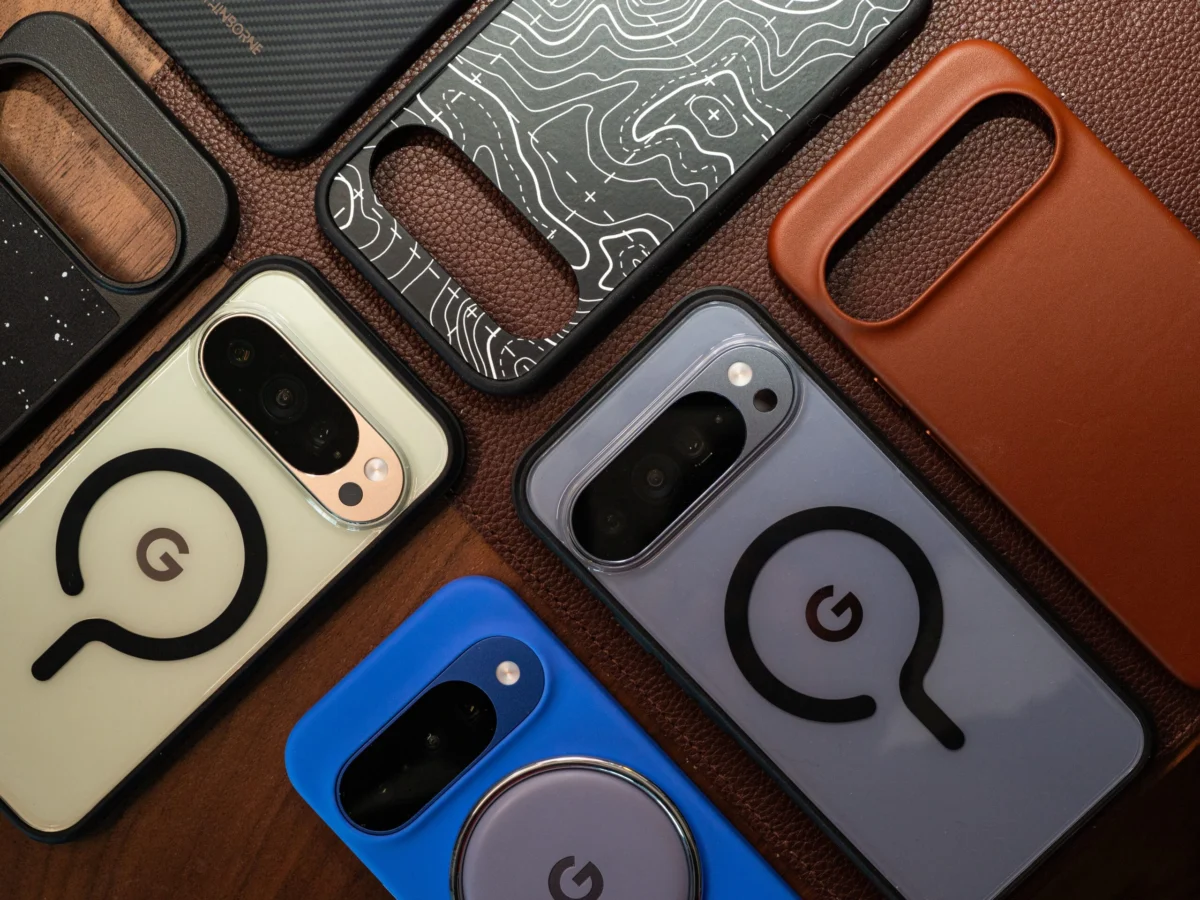
The launch of the Google Pixel 10 series, including the Pixel 10, Pixel 10 Pro, Pixel 10 Pro XL, and the redesigned Pixel 10 Pro Fold, has catalyzed a significant shift in the third-party smartphone accessory market. This transition is most notably defined by the widespread adoption of magnetic attachment technologies, often branded as "Pixelsnap" within the Google ecosystem, which aligns with the global Qi2 wireless charging standard. As smartphone hardware reaches a plateau of peak performance, the battle for consumer loyalty has moved into the realm of the "ecosystem," where cases, screen protectors, and modular attachments dictate the daily user experience. Market data indicates that the global mobile phone accessories market is projected to exceed $300 billion by 2030, with a substantial portion of that growth driven by high-margin protective gear and magnetic peripherals designed for flagship devices like the Pixel 10.
The Shift Toward Magnetic Interoperability
For years, the magnetic accessory market was dominated by Apple’s proprietary MagSafe system. However, the introduction of the Qi2 standard by the Wireless Power Consortium (WPC) has effectively democratized magnetic attachment for the Android world. The Google Pixel 10 series represents a milestone in this transition, with manufacturers now offering "Pixelsnap" certified cases that allow for seamless integration with a vast array of magnetic chargers, wallets, and mounts.

One of the leading entries in this space is the Belkin BoostCharge Pro Car Charger, a device that exemplifies the new standard of utility. Providing up to 15W of power, the charger utilizes a magnetic vent mount to secure the device, a design choice that reflects a broader industry trend toward minimizing physical clamps in favor of high-force magnets. Technical evaluations of these magnetic systems suggest that the alignment provided by magnets significantly reduces energy loss during wireless charging by ensuring the induction coils are perfectly centered, a frequent point of failure in older Qi-standard devices.
Chronology of the Pixel 10 Accessory Rollout
The release cycle for Pixel 10 accessories followed a rigorous timeline established by Google’s "Made for Google" certification program. This program ensures that third-party hardware meets specific electromagnetic interference (EMI), fit, and durability standards.
- Pre-Launch (Q2 2024): Major manufacturers like Zagg, Spigen, and OtterBox received early-access schematics under non-disclosure agreements to begin mold production.
- Announcement Phase (August 2024): Google officially unveiled the Pixel 10 series, emphasizing the "Pro" sizing options and the refined hinge of the Pro Fold.
- Market Integration (September 2024): Initial shipments of screen protectors and basic TPU cases reached retail shelves.
- Ecosystem Expansion (October 2024 – Present): Specialized accessories, such as the Peak Design Gnar Case and Mous Clarity series, entered the market, focusing on niche consumer segments like outdoor enthusiasts and aesthetic-focused users.
Advanced Screen Protection Technology
As display repair costs for flagship devices continue to rise—often exceeding $200 for OLED panels—the engineering behind screen protectors has become increasingly sophisticated. The Pixel 10 series utilizes high-refresh-rate LTPO displays that require protectors with high optical clarity and minimal interference with ultrasonic fingerprint sensors.

Zagg, a dominant player in the protective film market, has introduced a tiered system for the Pixel 10, including the Glass Elite, Glass Elite Privacy, and the XTR4. These products utilize aluminosilicate glass, which undergoes an ion-exchange process to increase surface tension and scratch resistance. The Glass Elite Privacy model incorporates a two-way filter that narrows the viewing angle to protect sensitive data from "visual hacking" in public spaces, though technical tests show a marginal decrease in peak brightness.
Conversely, Spigen has positioned itself in the high-volume, high-value segment with the GlasTR EZ Fit. By including a plastic alignment tray, the company has addressed the primary consumer pain point: installation error. Industry data suggests that nearly 15% of screen protectors are discarded due to improper alignment or dust intrusion during application. Simplified installation kits have become a standard requirement for maintaining high consumer satisfaction ratings on major e-commerce platforms.
Case Engineering and the Foldable Challenge
The Pixel 10 Pro Fold presents a unique set of challenges for case manufacturers. Unlike traditional "slab" phones, foldable devices require two-piece case designs that must remain secure without interfering with the complex hinge mechanism.

Bellroy’s Pixelsnap Leather Pixel Folio represents the premium lifestyle segment, utilizing eco-tanned leather and a slim profile. However, engineering reports indicate that folio designs for foldables often struggle with "wobble" when the device is fully transitioned to tablet mode. To combat this, some manufacturers have turned to adhesive strips inside the case frames to prevent the protectors from sliding off the device’s narrow bezels.
In the ruggedized sector, Urban Armor Gear (UAG) and Poetic have released cases that prioritize drop protection over aesthetics. The UAG Pathfinder series for the Pixel 10 employs a hollow-core "honeycomb" structure that disperses kinetic energy during impact. While these cases provide superior protection, they often face criticism for their "tactical" aesthetic, which can alienate users seeking the minimalist design language Google intended for the Pixel series.
Ethical and Legal Controversies in the Accessory Market
The growth of the accessory market has not been without friction. A significant point of discussion within the industry involves Casetify, a brand known for its massive library of artist-designed cases. Casetify recently faced intense scrutiny following allegations of copyright infringement brought by Dbrand and the popular technology YouTuber JerryRigEverything. The lawsuit alleged that Casetify had misappropriated "teardown" aesthetic designs that meticulously mapped the internal components of smartphones.

Despite these legal challenges, Casetify remains a major player in the Pixel 10 ecosystem, offering one of the few "Pixelsnap" certified options for the Pixel 10 Pro Fold. The brand’s ability to offer thousands of customizable designs provides a competitive advantage that few other manufacturers can match, highlighting a market reality where aesthetic variety often outweighs brand controversy in the eyes of the general consumer.
Comparative Value Analysis
Data regarding consumer spending habits suggests that Pixel 10 owners typically spend between $40 and $100 on initial protection and charging accessories. This has created a bifurcated market:
- The Value Tier: Brands like Spigen and Poetic offer "Made for Google" certified cases for under $25. These products often use thermoplastic polyurethane (TPU) and polycarbonate blends that provide adequate protection for the average user.
- The Premium Tier: Mous, Peak Design, and Bellroy offer cases ranging from $50 to $80. These products often feature exotic materials like Aramid fiber (Kevlar), genuine leather, or specialized mounting hardware like Peak Design’s "SlimLink" system.
The Peak Design Gnar Case, while innovative, serves as a cautionary tale in case engineering. Early feedback suggests that the pursuit of a "rugged" feel can sometimes lead to ergonomics issues, such as slippery edges or interference with USB-C charging cables. This illustrates the delicate balance manufacturers must strike between adding features and maintaining the device’s core functionality.

Broader Impact and Market Implications
The maturation of the Pixel 10 accessory ecosystem is a clear indicator of Google’s rising status in the global smartphone market. For years, the lack of high-quality third-party accessories was a deterrent for potential iPhone-to-Android switchers. By fostering a robust network of partners and embracing the Qi2 standard, Google has neutralized this disadvantage.
Furthermore, the shift toward magnetic accessories is expected to reduce electronic waste in the long term. As chargers and mounts become standardized across both Android and iOS platforms, consumers will no longer need to replace their entire suite of peripherals when switching between device manufacturers.
In conclusion, the Google Pixel 10 series has arrived at a pivotal moment for mobile technology. The integration of "Pixelsnap" and Qi2 represents a move toward a more unified, user-friendly hardware experience. Whether through the high-end optical engineering of Zagg’s screen protectors or the versatile mounting solutions of the Belkin car chargers, the accessories surrounding the Pixel 10 are no longer mere afterthoughts; they are integral components of the modern mobile lifestyle, reflecting a market that values durability, interoperability, and personal expression in equal measure.







