 Pranda Michaela
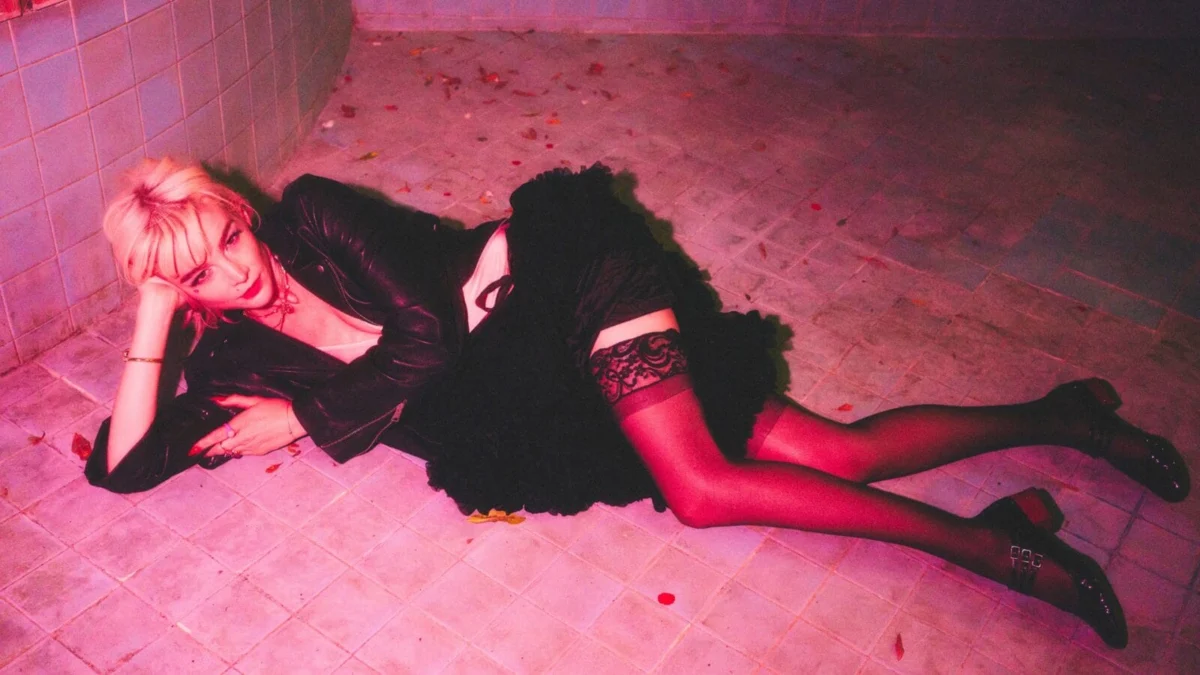
The release of Come to Mommy arrives at a time when the music industry is grappling with a broader conversation regarding support systems for parents. While high-profile figures have historically struggled to balance the rigorous demands of global tours and studio production with the needs of a growing family, Teilz represents a shift toward a more integrated, intentional approach. Her work, which blends atmospheric soundscapes with forward-thinking electronic rhythms, acts as a sonic manifesto for this modern maternal identity.

A Career Built on Curation and Connection
Before her transition into motherhood and production, Teilz established herself as a formidable force in the Los Angeles nightlife circuit. Her reputation was built on an encyclopedic knowledge of music, spanning decades and genres. Having shared the booth with industry titans such as Daft Punk and Grace Jones, she developed a signature style defined by her commitment to vinyl—a medium that requires a physical, tactile connection to the music.

Teilz’s transition into motherhood did not occur in a vacuum; it occurred while she was maintaining a professional trajectory that demanded constant presence and agility. The reality of raising four children while managing the demands of an artistic career required a radical reorganization of her priorities. She speaks of her household as a "90s-electronics household," an environment where high-tech production tools exist alongside analog relics like VHS tapes and vintage projectors. This deliberate environment is part of a broader pedagogical approach, intended to foster curiosity in her children while grounding their daily life in art and media history.

The Philosophy Behind Come to Mommy
The title of her debut album is a pointed reclamation of language. By subverting the conventional "come to daddy" trope, Teilz centers the maternal experience as a source of authority and desire. In her own words, the album is an answer to the question of what the modern mother wants: "Mommy wants joy. She wants to have fun and dance. She wants pleasure and joy."

This sentiment is particularly significant given the societal pressures placed on mothers to adopt a self-sacrificial role. Drawing from cultural touchstones like Shel Silverstein’s The Giving Tree or The Rainbow Fish, Teilz critiques the traditional narratives of "self-erasure" that are often presented to women as the highest form of maternal virtue. For Teilz, the act of creating music is not an escape from her children, but an extension of the values she hopes to instill in them—namely, the importance of maintaining an individual identity that exists independently of one’s roles.

Navigating Trauma and Finding the Wellspring
The creative process for Come to Mommy was not without significant challenges. The project was conceived and written during a period marked by a life-threatening birth experience. This event serves as the emotional bedrock of the album, particularly in tracks like "Back From the Dead," which was written for the twin she nearly lost during the delivery.

The music serves as a testament to resilience, transforming personal trauma into a public, artistic statement. For Teilz, this process was transformative, allowing her to process the fragility of life while simultaneously reinforcing her commitment to her craft. By documenting this journey, she provides a rare, vulnerable insight into the realities of modern childbirth, moving beyond the curated images often found on social media to address the visceral experience of medical crisis and subsequent recovery.

The Intersection of Motherhood and Professional Sustainability
Data from various labor and sociology reports suggest that the "motherhood penalty" in creative industries remains a substantial barrier to entry and progression. Many artists report a significant decline in output following the birth of their first child, often due to a lack of affordable childcare and the logistical impossibility of traditional touring schedules.

Teilz’s model, which relies on strict boundaries and a clear separation of digital connectivity from domestic life, offers a potential blueprint for other artists. By utilizing tools like a flip phone to ensure she is unreachable during specific hours, she enforces a boundary that protects her creative focus and her time with her children. This is not merely a lifestyle choice but a health-protective measure. She frequently cites the adage "have boundaries or get an autoimmune disorder," highlighting the direct correlation between stress, lack of boundaries, and physical health outcomes.

Impact on Creative Output
Critics have noted that the atmospheric and "throwback-meets-futuristic" quality of Come to Mommy reflects a mature perspective on production. Rather than rushing to follow trends, Teilz has leaned into a style that emphasizes texture, mood, and long-form engagement—qualities that mirror the patience required in parenting.

Her commitment to avoiding what she terms "AI art and lobotomy chic"—the trend of algorithmic, soulless production—speaks to a desire to leave a legacy of authentic human expression for her children. By curating their environment with meaningful art and media, she is training a new generation to value the process of creation over the convenience of automation.

Broader Societal Implications
The conversation sparked by Teilz’s release touches on larger policy and cultural debates. As childcare costs continue to rise and the availability of flexible work arrangements remains inconsistent across the arts, voices like Teilz’s become vital. Her public insistence that motherhood can deepen an artist’s well of inspiration challenges the industry to rethink its support systems.

If the goal of the creative industry is to reflect the full spectrum of the human experience, it must accommodate the reality of the parent-artist. By refusing to downplay the significance of her children in her life or her work, Teilz is effectively normalizing the presence of the family in the professional creative sphere.

Looking Ahead
As Come to Mommy continues to reach audiences, its impact extends beyond the music charts. It serves as a reminder that the "artist" and the "mother" are not opposing forces. Instead, when given the space to coexist, they can create a synthesis that is stronger than either could achieve alone.

Teilz remains focused on her next projects, which continue to integrate her roles as a producer, DJ, and parent. Her work suggests that the most successful artists of the future will be those who can integrate their personal lives with their professional ambitions without the need for fragmentation. By showing up as her full, unshrinking self, Allie Teilz is not just making music; she is redefining the standards for what is possible for mothers in the public eye.

In the final analysis, the success of this project is measured not just in streams or critical reviews, but in the precedent it sets. By refusing to shrink, Allie Teilz has created a space for other women to exist in their entirety, proving that the highest form of art is, as she claims, the act of navigating life and motherhood with authenticity, boundaries, and a relentless pursuit of joy. The resonance of her album suggests that the audience is ready for this shift—that they, too, are looking for art that acknowledges the full, messy, and beautiful reality of living a life that is both deeply rooted in family and fiercely committed to individual expression.