
 Angie Faith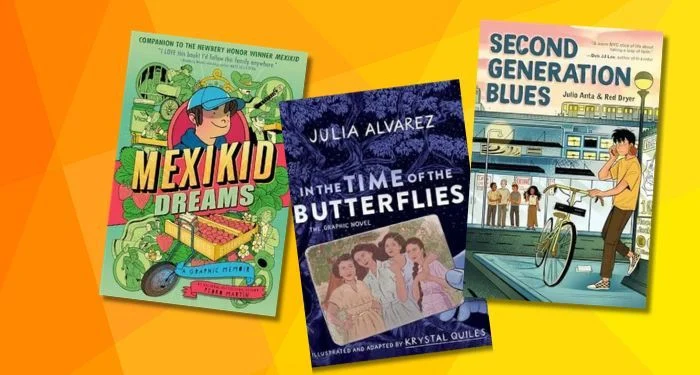
As the calendar approaches the mid-September threshold, literary communities, libraries, and cultural institutions are preparing to observe Hispanic Heritage Month, which officially spans from September 15 to October 15. While cultural appreciation and the promotion of diverse literature remain a year-round priority for publishers and educators, this specific 30-day window offers a concentrated opportunity to highlight voices from the Latine diaspora. In recent years, the graphic novel and comic book industries have experienced a significant surge in authentic storytelling, moving past token representation toward nuanced explorations of identity, historical resistance, familial obligations, and lighthearted childhood adventures.
This publishing wave encompasses a diverse range of formats and demographics, catering to early readers, middle-grade students, young adults, and mature audiences alike. The newly released and upcoming comic titles arriving on shelves this autumn reflect the multifaceted experiences of Latine creators and characters. By examining cultural heritage through sequential art, authors and illustrators are finding innovative ways to engage readers of all backgrounds, fostering empathy, historical awareness, and cultural pride.

The Historical and Cultural Landscape of Hispanic Heritage Month
The tradition of Hispanic Heritage Month dates back to 1968, when President Lyndon B. Johnson first authorized National Hispanic Heritage Week. It was later expanded in 1988 by President Ronald Reagan to cover a full 30-day period starting on September 15. This specific date holds profound historical significance for several Latin American nations, as Costa Rica, El Salvador, Guatemala, Honduras, and Nicaragua all celebrate their independence anniversaries on September 15. Furthermore, Mexico and Chile celebrate their independence days on September 16 and September 18, respectively.
In the contemporary literary marketplace, the observance has transformed into a vital economic and cultural catalyst. Publishers increasingly align major releases of Latine-authored works with this timeframe to maximize visibility in bookstores, schools, and libraries. The integration of graphic novels into this promotional landscape marks a departure from traditional prose, reflecting shifting literacy trends and the high demand for visual storytelling among younger generations. Graphic novels offer a unique medium where complex cultural dialogues—such as generational divides, linguistic code-switching, and immigrant narratives—can be communicated through both text and dynamic artistic direction.
Spotlight on New and Forthcoming Releases
The literary lineup for this season features several notable contributions across various age brackets, highlighting the breadth of talent within the Latine comic community.

Cat and Lola: School Picture Day
Scheduled for release on September 22 by Gloo Books, Cat and Lola: School Picture Day is authored by comedian and actress Melissa Villaseñor alongside illustrator Jimena Sánchez Sarquiz. Geared toward younger readers, the narrative centers on a young girl named Lola who is determined to avoid a repeat of the previous year’s photographic disaster, which was marred by a prominent toothpaste stain. To secure a flawless school picture that captures her vibrant personality, Lola enlists the aid of her fashion-conscious feline companion. The book blends humor with relatable childhood anxieties, utilizing bright, accessible art to engage early readers.
Gabby Torres Knows What You Did
Published on September 1 by Roaring Brook Press, Angela Dominguez’s Gabby Torres Knows What You Did continues a popular graphic novel series tailored for younger audiences. The plot follows the inquisitive protagonist, Gabby, as she learns about the arrival of new neighbors in her community. True to form, Gabby immediately suspects them of engaging in clandestine, sinister activities. The narrative explores themes of curiosity, community dynamics, and the often humorous consequences of letting one’s imagination run wild during investigative play.
In the Time of the Butterflies: The Graphic Novel
Arriving on September 1 from Algonquin Books, this significant graphic novel adaptation brings Julia Alvarez’s modern classic to a visual format, illustrated by Krystal Quiles. Based on historical events, the narrative chronicles the lives and resistance of the Mirabal sisters—known as Las Mariposas (The Butterflies)—who courageously fought against the brutal dictatorship of Rafael Trujillo in the Dominican Republic. The sisters were ultimately assassinated for their political activism in 1960, a tragedy that galvanized international opposition to the regime and helped spark the eventual collapse of the dictatorship. This graphic adaptation introduces the pivotal historical tragedy to a new generation of readers through striking sequential art, preserving the memory of anti-authoritarian resistance.

Mexikid Dreams
Published on September 1 by Dial Books, Mexikid Dreams serves as a companion to Pedro Martín’s widely acclaimed, award-winning graphic memoir Mexikid. In this installment, Martín explores his youth through episodes spent seeking any available distraction from the demanding labor of working in the strawberry fields alongside his family during weekends and summer breaks. The memoir offers a poignant look at the immigrant working-class experience, detailing Martín’s eventual realization of the sacrifices made by his family. This foundational understanding allows him to fully appreciate the value of education and the opportunity to pursue his creative ambitions when the path finally opens.
Second Generation Blues
Scheduled for publication on September 29 by HarperAlley, Second Generation Blues is a collaborative work by writer Julio Anta and artist Red Dryer. The graphic novel addresses the universal tension between parental expectations and adolescent autonomy. Protagonist Luis faces a persistent conflict: his parents expect him to dedicate his free time working as a delivery boy at the family-owned restaurant, while Luis yearns to spend his summer vacation socializing with peers, particularly Yara, a classmate he harbors a crush on. The narrative examines the pressures unique to second-generation youth, who often navigate overlapping cultural worlds while attempting to define their individual identities.
Broader Publishing Trends and Industry Implications
The expansion of Latine-focused graphic literature is part of a broader, sustained shift within the North American publishing industry toward inclusive representation. According to data from various literary watchdogs and library associations, diverse graphic novels have experienced a steady increase in circulation and institutional adoption over the past decade. Librarians and educators frequently cite graphic novels as effective bridges for reluctant readers, English-language learners, and students navigating complex socio-cultural themes.

However, industry analysts note that representation remains an ongoing negotiation. While independent publishers and major imprints have amplified diverse creators, challenges persist regarding marketing reach, shelf space in traditional retail outlets, and the long-term support of mid-list graphic novels. Authors such as Julio Anta and Pedro Martín have frequently emphasized in interviews the importance of institutional backing—such as school curriculum integration and library acquisitions—to ensure that stories reflecting the Latine experience reach broad, multicultural audiences.
Furthermore, the academic and cultural implications of these releases extend beyond Hispanic Heritage Month. Works addressing historical trauma and political resistance, such as In the Time of the Butterflies, provide essential educational touchpoints for history and civics classrooms. Concurrently, lighter narratives like Cat and Lola ensure that young readers see everyday protagonists of diverse backgrounds in spaces defined purely by joy, humor, and family life rather than exclusively by struggle.
Looking Ahead: The Future of Latine Representation in Comics
As the market for sequential art continues to mature, industry stakeholders anticipate further diversification of genres within Latine comics, expanding beyond traditional memoirs and middle-grade humor into science fiction, fantasy, and speculative fiction. The commercial and critical reception of autumn 2026 releases will likely serve as a bellwether for future publishing seasons, signaling to major corporate publishers that authentic cultural narratives possess both critical merit and sustained commercial viability.

For readers, educators, and fans of the medium, Hispanic Heritage Month offers a structured starting point to explore these titles, but the burgeoning library of Latine comics ensures that the conversation surrounding identity, history, and modern life in the diaspora will continue long after October 15 concludes.