rifanmuazin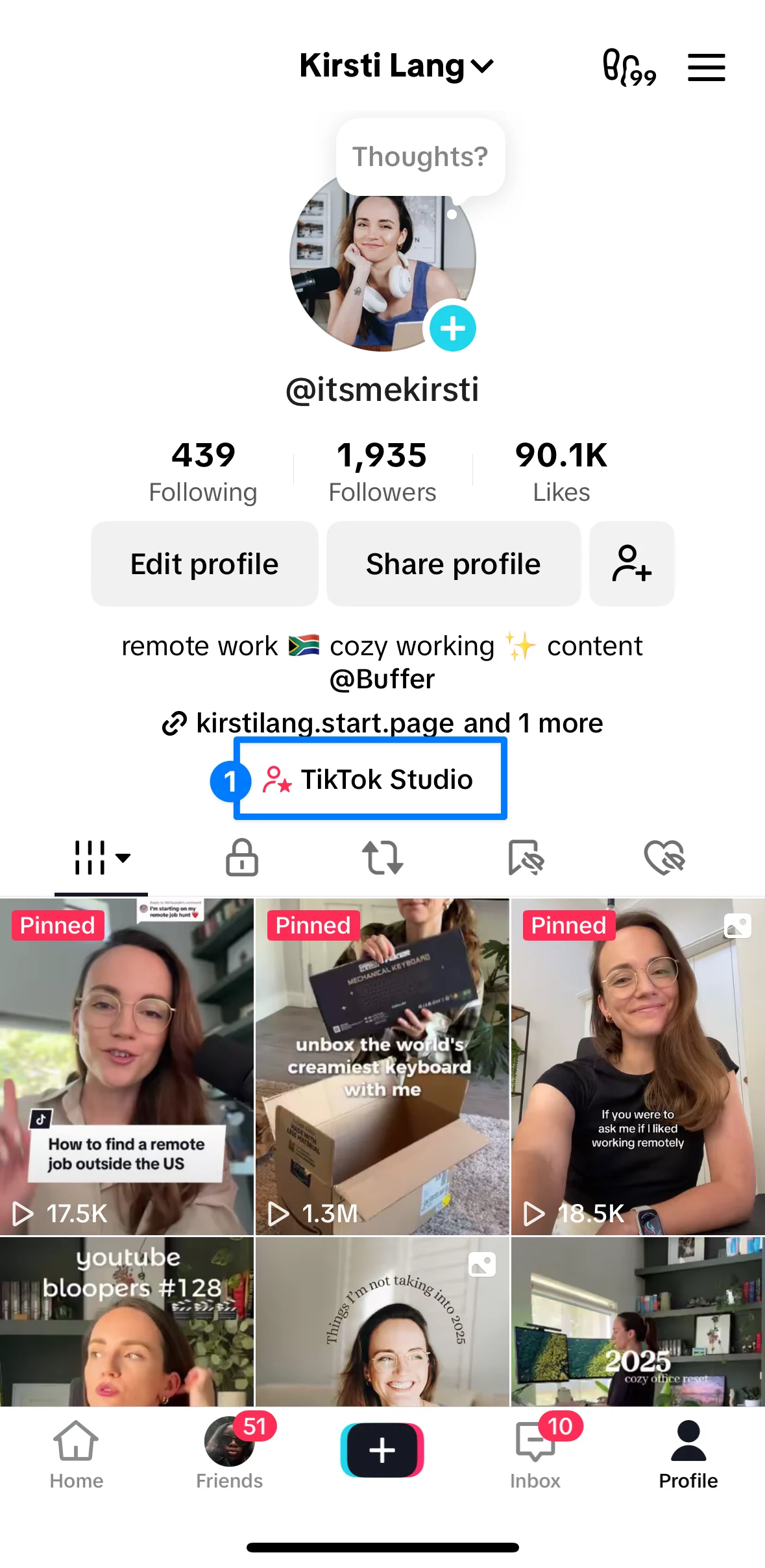
Unlocking peak performance on TikTok demands more than just compelling content; strategic timing plays an indispensable role in maximizing visibility and engagement. While the platform offers endless entertainment around the clock, discerning the precise moments to publish content can significantly amplify its reach, particularly for content creators and small business owners striving to cut through the digital noise. A recent comprehensive study, analyzing over 7.1 million videos, carousels, photos, and text posts published through Buffer, has revealed distinct patterns in user engagement, offering invaluable insights for optimizing posting schedules in 2026. This extensive analysis pinpoints the most opportune times and days for posting, identifies hours best avoided, and provides a framework for creators to tailor these findings to their specific target audiences and objectives.
The Algorithmic Imperative: Why Posting Time Matters on TikTok
The TikTok ecosystem is governed by a sophisticated algorithm designed to deliver hyper-personalized content to its "For You Page" (FYP). When a creator uploads new content, TikTok initially presents it to a small test group of users. The algorithm closely monitors their reactions: watch-through rates, likes, comments, shares, and saves. High engagement within this initial cohort signals to the algorithm that the content is resonating, prompting it to push the video to a progressively wider audience. Consequently, posting content when a significant portion of one’s target audience is actively browsing the platform dramatically increases the likelihood of a strong initial reception, thereby boosting its chances of viral distribution on the FYP.
Julian Winternheimer, Buffer’s lead data scientist for this project, meticulously analyzed the median engagement rates across the 7.1 million posts, seeking to identify statistically significant peaks in user interaction. This large-scale dataset, spanning various content types from short-form videos to carousels and text-based updates, provided a robust foundation for identifying general trends in TikTok consumption behavior. It’s crucial to note that while these findings offer a powerful starting point, no single "magic" time guarantees universal success. The ideal posting time ultimately depends on the specific demographics, geographical locations, and behavioral patterns of an individual creator’s audience. However, the aggregated data provides a highly reliable benchmark for experimentation and strategic scheduling for the upcoming year. The methodology focused on median engagement rates to ensure that outlier viral successes did not skew the overall findings, providing a more stable and actionable set of recommendations.
Key Findings: General Optimal Times for TikTok Engagement in 2026
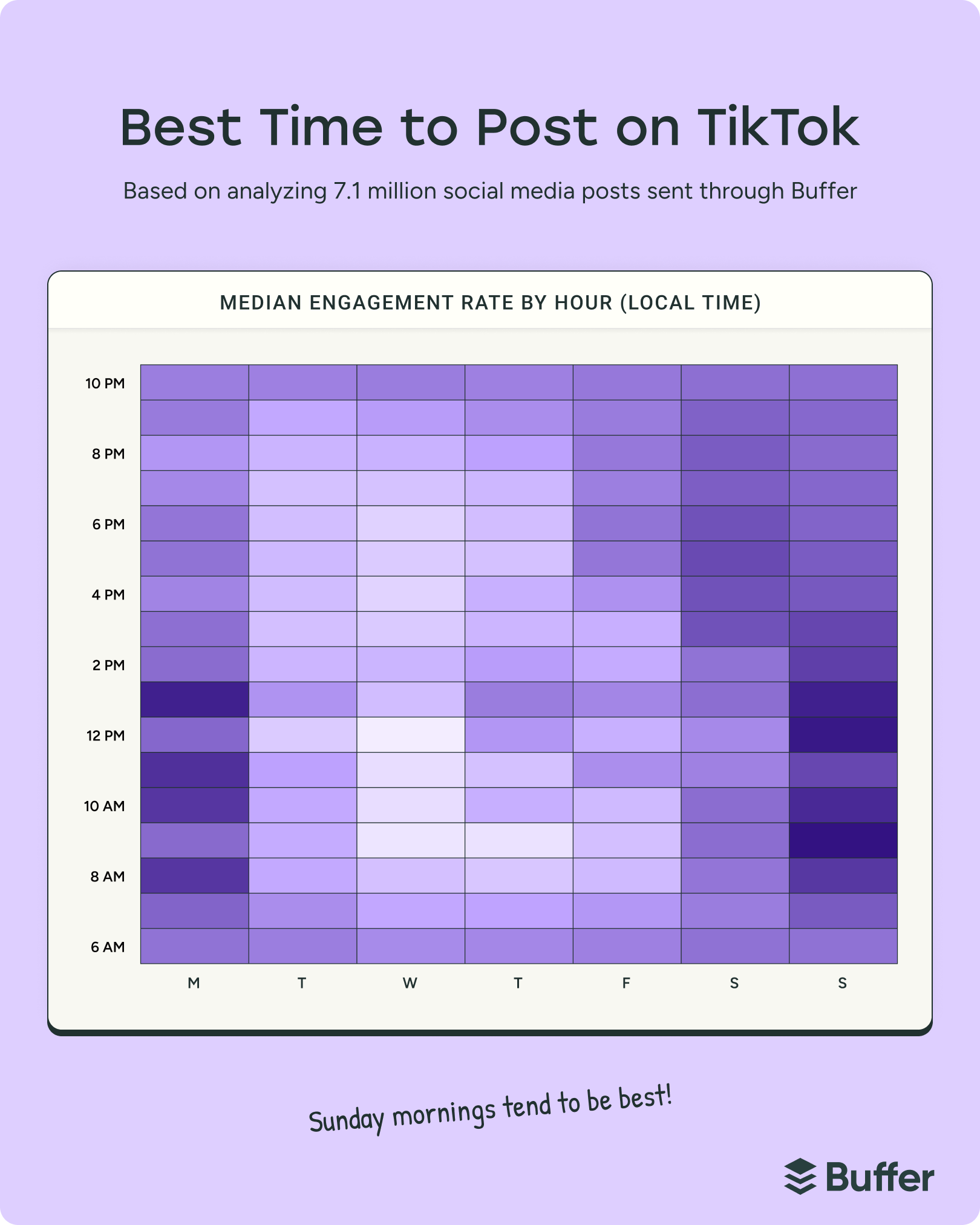
The study identified several standout periods throughout the week, with Sunday at 9 a.m. emerging as the single most effective time for posting. This was closely followed by Monday at 1 p.m. and Sunday at 1 p.m. Content published during these slots consistently demonstrated the highest median engagement rates. These timings, notably concentrated during weekend mornings and early afternoons, indicate a significant user presence during leisure hours.
Beyond these specific peak moments, broader patterns indicate that views generally escalate during evening hours, with the highest concentration of activity observed between 6 p.m. and 11 p.m. This suggests that users frequently engage with TikTok content during their wind-down periods or after-work/school hours. Conversely, afternoon hours, specifically from 12 p.m. to 5 p.m., tended to exhibit comparatively lower engagement across most days. This trend underscores a common behavior pattern: users are often engaged in work or school during midday, with leisure-time scrolling increasing significantly as the day progresses into the evening.
A unique characteristic of TikTok engagement, as highlighted by this study, is the platform’s robust performance on weekends. Unlike other social media platforms, such as Instagram or LinkedIn, where weekend engagement often sees a notable decline, TikTok experiences a surge. This counter-intuitive trend is largely attributable to TikTok’s predominantly younger demographic—with a significant portion of its U.S. user base falling between 18-24 years old, according to Statista data—who typically have less rigid weekend schedules, allowing for extended periods of app usage. This demographic insight is pivotal for creators when planning their content calendar, suggesting a departure from traditional social media strategies that often deprioritize weekend content.
Daily Breakdown: Precision Timing for Each Day of the Week
For creators seeking to fine-tune their daily posting strategy, the Buffer analysis provides granular recommendations. A key advantage of this study is that all times are presented in a universally applicable format, eliminating the need for time zone conversions, as the data science team applied mathematical normalizations to ensure global relevance.
- Monday: The start of the work week proves to be a strong contender for engagement. The best time to post is 1 p.m., closely followed by 11 a.m. and 8 a.m. These times capture segments of the audience during lunch breaks or morning commutes.
- Tuesday: Early mornings appear to be advantageous, with 6 a.m. leading the pack. Other high-performing times include 10 p.m. and 7 a.m., suggesting a mix of early risers and late-night scrollers.
- Wednesday: This mid-week day tends to be quieter overall. The most effective time is 10 p.m., followed by 6 a.m. and 9 p.m. Creators might consider prioritizing other days if their posting frequency is limited, as engagement is generally lower.
- Thursday: Similar to Wednesday, Thursday typically sees lower overall engagement. The prime posting time is 1 p.m., with 10 p.m. and 6 a.m. also showing respectable performance. This reinforces the pattern of mid-week lulls for broad engagement.
- Friday: As the week concludes, engagement picks up, signaling the anticipation of the weekend. The best time to post is at 6 p.m., followed by 10 p.m. and 8 p.m., capturing the onset of weekend leisure activities.
- Saturday: This day emerged as the strongest overall for TikTok engagement. The afternoon-to-evening window is particularly potent, with 5 p.m. being the best time, followed by 4 p.m. and 3 p.m. This consistent afternoon activity makes Saturday an ideal day for content rollout, aligning with extended leisure time.
- Sunday: Following Saturday’s lead, Sunday maintains high engagement. The absolute best time across the entire week is 9 a.m. on Sunday, making it a critical slot for maximum reach. Additional strong times include 1 p.m. and 12 p.m. This robust morning and early afternoon performance on Sunday highlights its significance for content planning.
The Best Day: Weekends Dominate TikTok Engagement
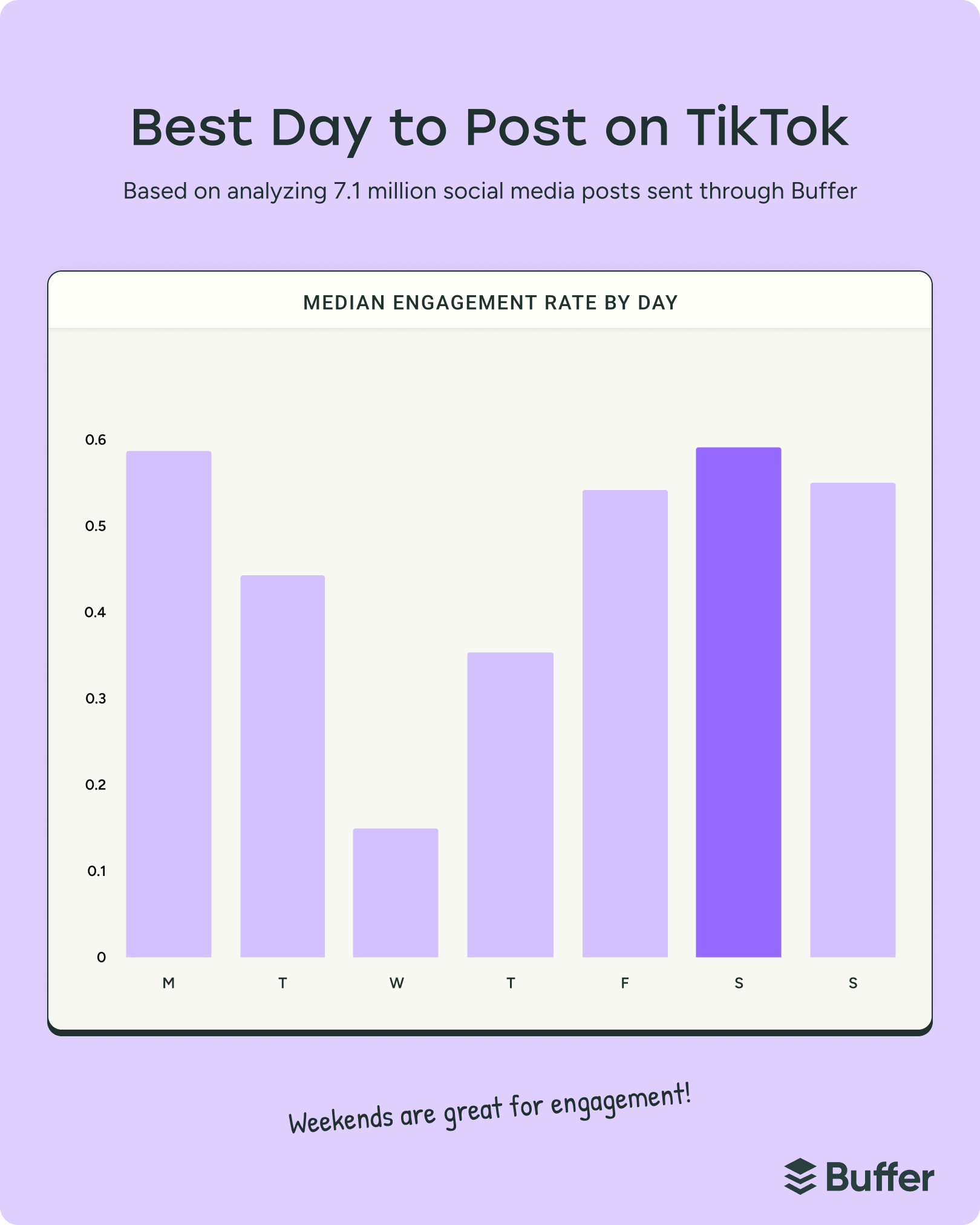
Further analysis revealed that Saturday is the undisputed best day of the week to post on TikTok. Content published on Saturdays consistently achieved the highest overall median engagement rates across videos, carousels, and text posts. This finding is particularly noteworthy compared to other social platforms where professional or structured engagement often peaks during weekdays. Monday secured the second position, closely followed by Sunday, underscoring the strong performance of weekend content and the beginning of the week.
Conversely, Wednesday and Thursday registered as the weakest days for engagement, experiencing a noticeable dip in views of TikTok posts. While a slight peak was observed at 10 p.m. on these days, creators aiming for maximum impact may wish to strategically allocate their most important content to other days. This finding distinguishes TikTok from platforms where weekdays, particularly during working hours, often see higher professional engagement. The differential in engagement across days highlights the importance of understanding platform-specific user behavior rather than applying a one-size-fits-all social media strategy.
Beyond Generalities: Tailoring Posting Times to Your Audience
While general benchmarks are invaluable, true optimization comes from understanding one’s unique audience. TikTok provides creators with built-in analytics that offer granular data on follower activity, enabling personalized scheduling strategies.
-
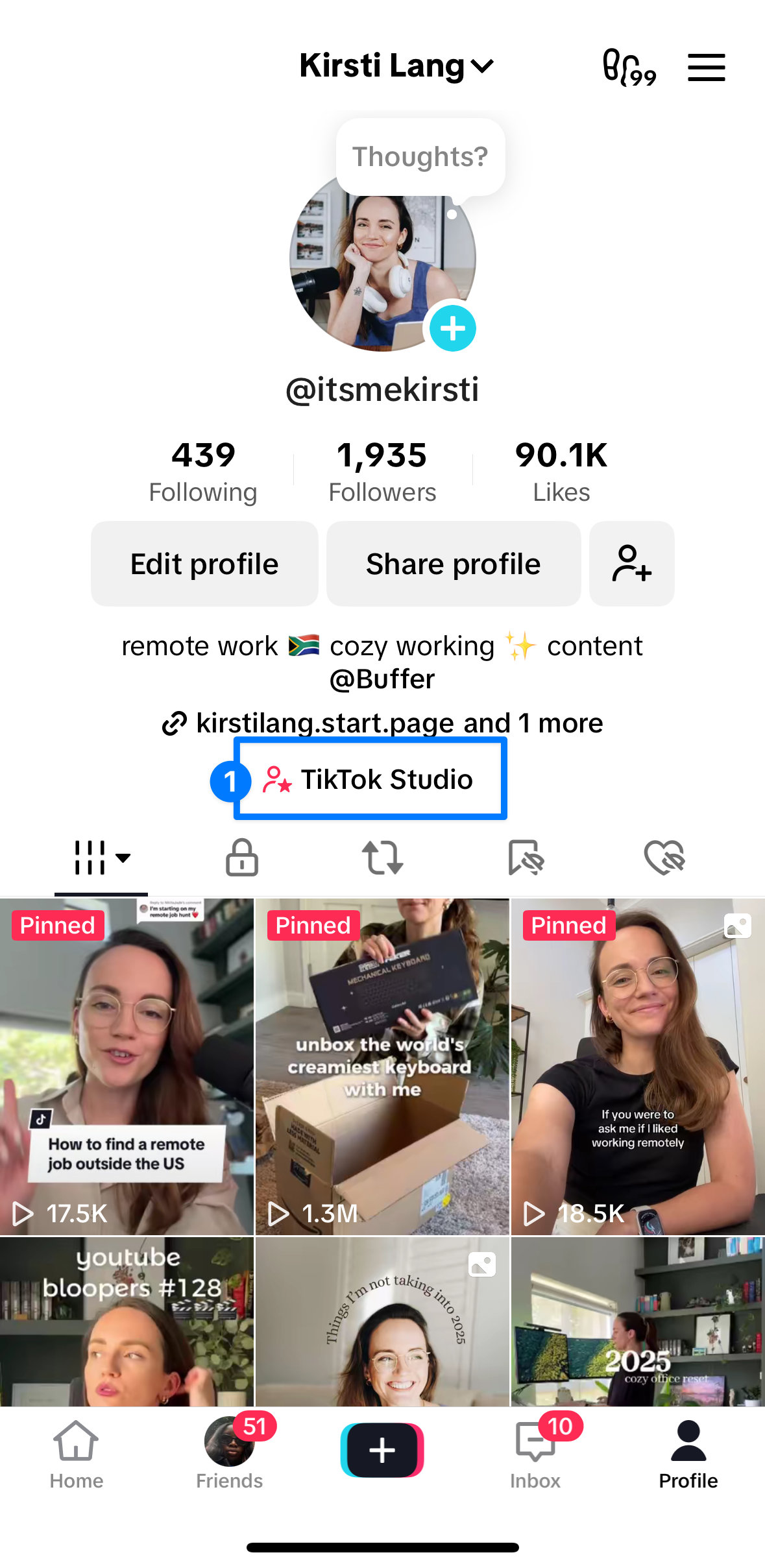
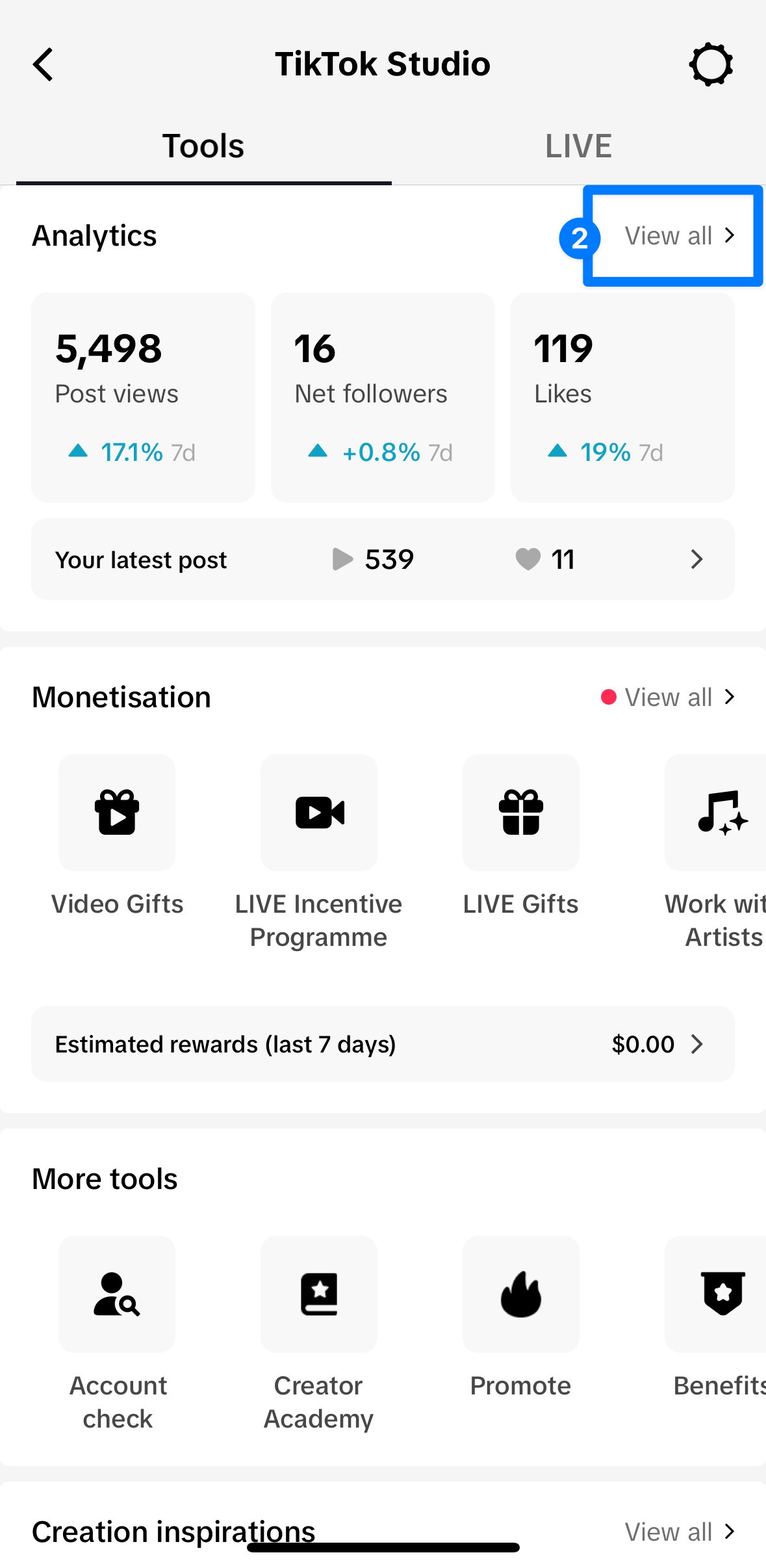
Leveraging TikTok Analytics for Follower Activity: Creators can access their TikTok account’s analytics section to view when their followers have been most active over the past seven days. This feature provides a retrospective overview of peak activity hours and days. The underlying assumption is that non-followers, whom creators aim to attract, likely exhibit similar browsing patterns to their existing audience, especially given the algorithm’s focus on user interest.
- Accessing Analytics: Navigate to your profile, tap the three lines (hamburger menu) for settings, select "Creator tools," then "Analytics." Within Analytics, proceed to the "Followers" tab to find the "Most active times" chart, which visually displays audience activity by hour and day.
- Strategic Interpretation: Identify recurring spikes in activity. Are there consistent patterns on weekdays versus weekends? Do certain hours consistently outperform others? These insights are crucial for pinpointing the most effective times for your specific content, factoring in your audience’s geographical distribution and lifestyle.
-
Strategic Pre-Posting: A recommended tactic by social media strategists is to post content slightly before the identified peak activity times of your followers. This allows the TikTok algorithm a brief window to assess initial engagement and begin pushing the content to the FYP precisely when the audience surge is at its peak, maximizing initial exposure.
-
Considering Creator Workflow and Consistency: Sustainable content creation is paramount. While optimal timing is important, burnout is a significant risk for creators. Developing a realistic posting schedule that aligns with personal capacity and allows for consistent, high-quality output is more beneficial than sporadic efforts at "perfect" times. Social media calendars and batch-content creation strategies can significantly alleviate the pressure of daily posting, ensuring a steady stream of engaging content without sacrificing creator well-being.
-
The Power of Experimentation: The digital landscape is fluid, with trends and algorithms constantly evolving. What works today might need adjustment tomorrow. Creators are encouraged to systematically test different posting times, including those identified in Buffer’s study and those derived from their own analytics. Tracking key metrics—such as total play time, average watch time, follower growth, and overall engagement rate—for each post will reveal what truly resonates with their audience over time. A testing period of several weeks for each time slot is recommended to gather sufficient, reliable data.
-
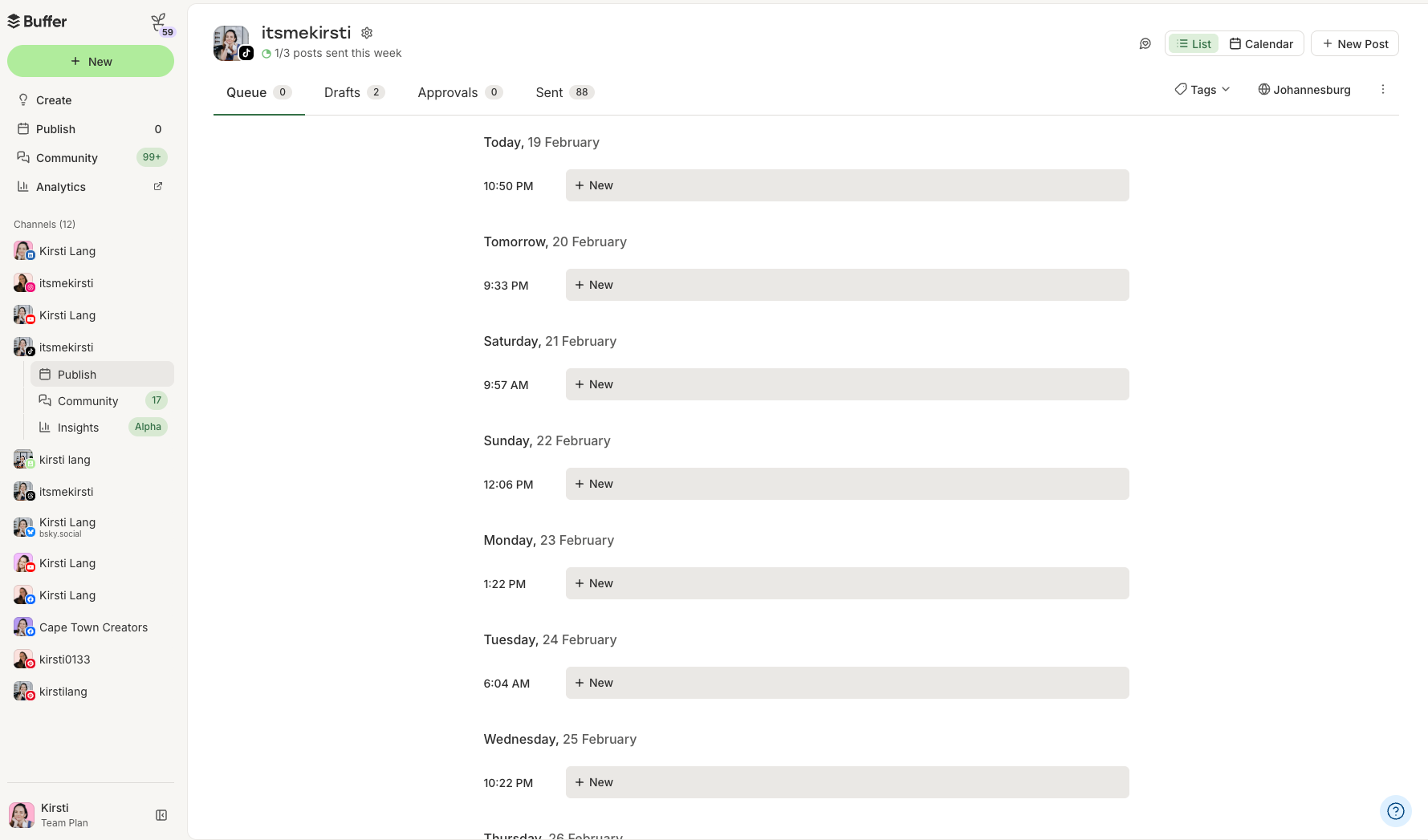
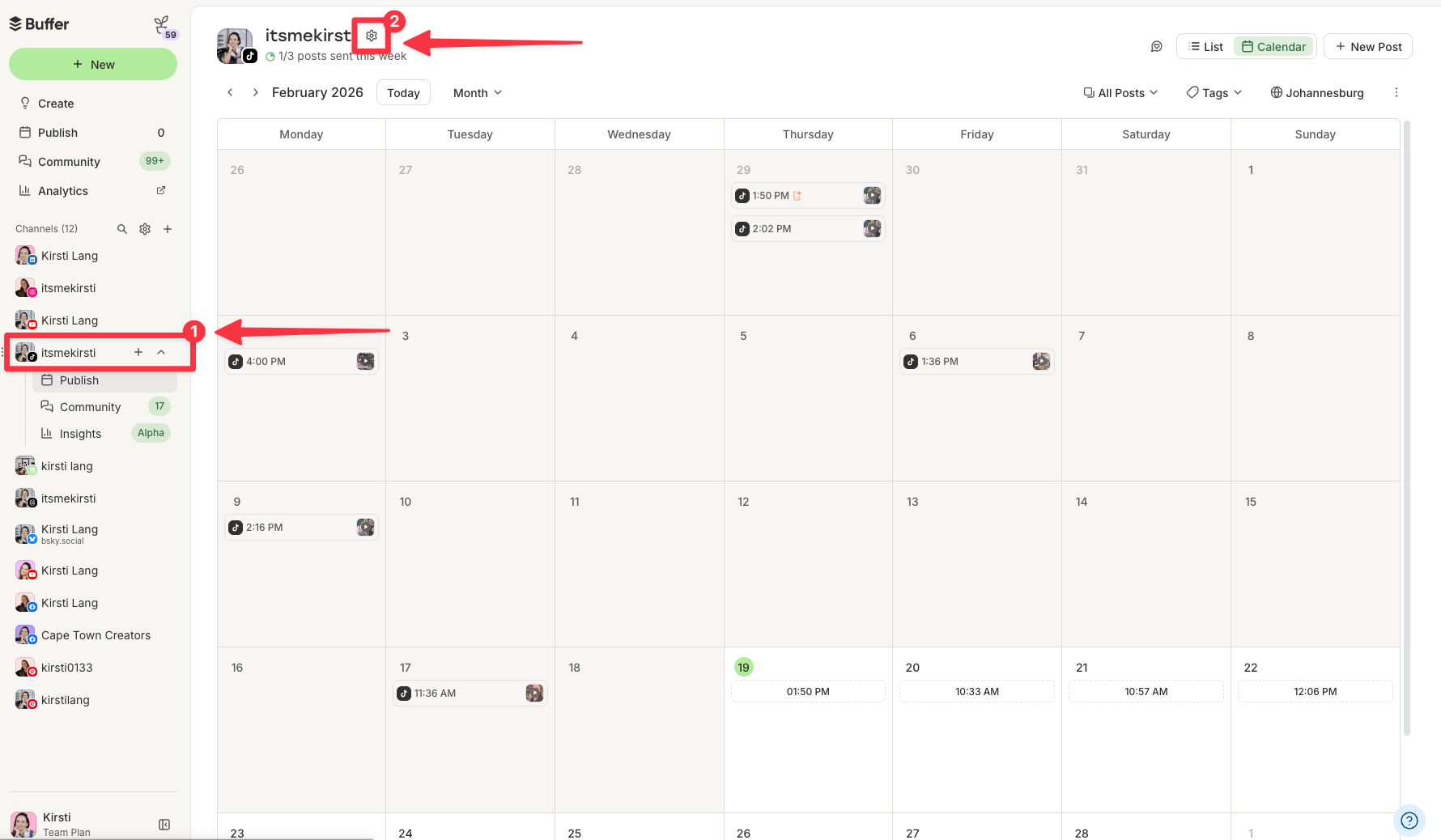
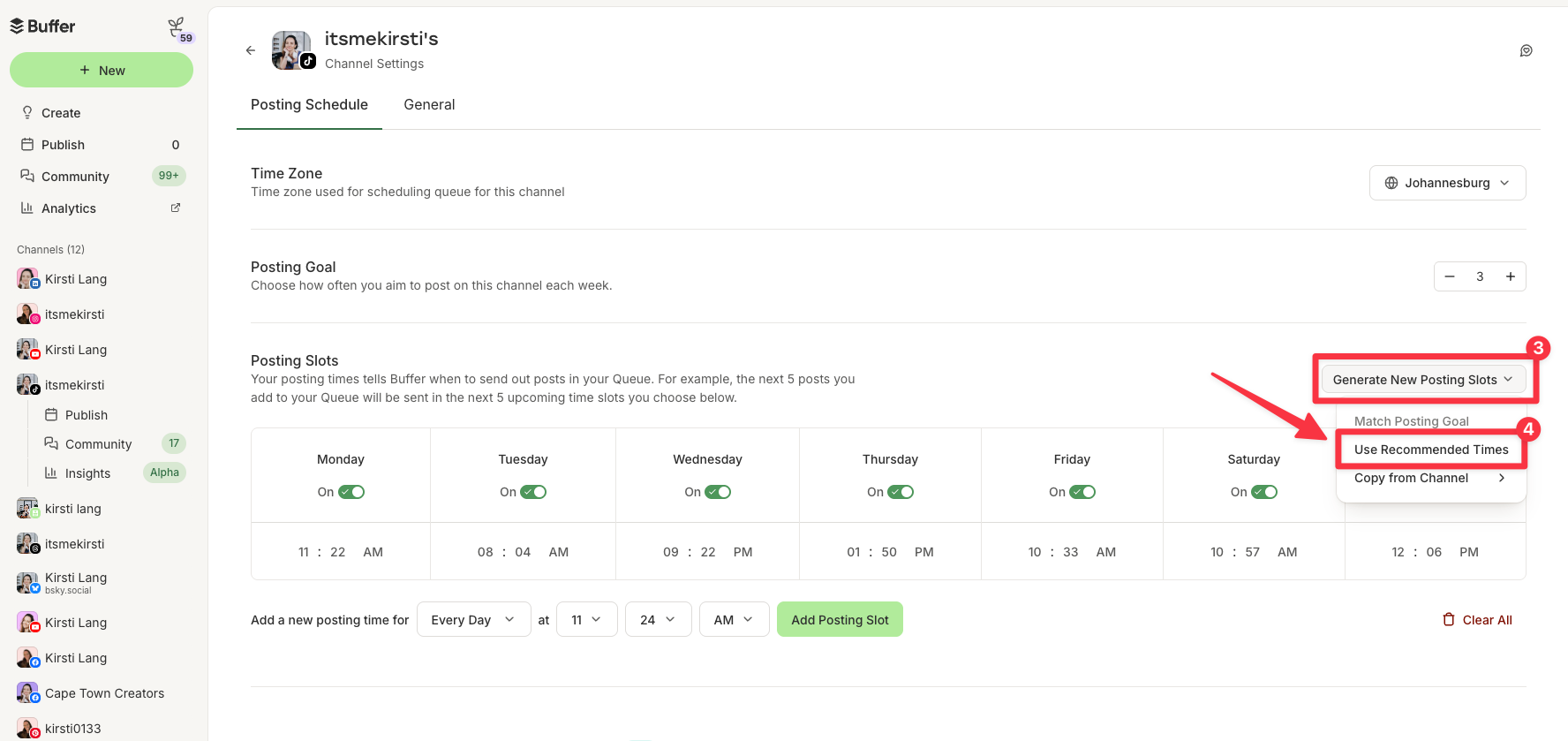
Utilizing Social Media Management Tools: For creators operating across different time zones from their primary audience, or simply seeking to streamline their workflow, social media management tools like Buffer become indispensable. These platforms allow for scheduling TikTok posts in advance, ensuring content goes live at the precise moment of peak audience activity without manual intervention. Buffer’s integration even allows for notification-based posting, where the video is automatically opened in TikTok at the scheduled time, enabling native addition of trending audio or effects before final publication. This feature is crucial for maintaining authenticity while benefiting from optimized timing.
Broader Implications and Future Outlook
The findings from this extensive Buffer study underscore several critical trends in digital consumption and content strategy for 2026:
- Youth-Driven Platform Dynamics: TikTok’s unique weekend engagement patterns highlight the profound influence of its younger demographic, whose leisure habits and digital consumption behaviors differ significantly from older audiences on professional networking or traditional social media platforms. Understanding these demographic nuances is key to effective platform-specific strategy.
- Algorithm’s Central Role: The study reinforces the TikTok algorithm’s gatekeeper role. Understanding and playing to its strengths, particularly through timely posting and early engagement signals, is non-negotiable for achieving organic reach and maximizing content virality.
- The Rise of Strategic Scheduling: As platforms become increasingly saturated with content, the era of casual, spontaneous posting is giving way to highly strategic content deployment. Tools that offer data-driven insights and sophisticated scheduling capabilities are becoming essential for creators and businesses to maintain competitive edge and ensure their content reaches its intended audience.
- Continuous Adaptation: The dynamic nature of TikTok trends, user preferences, and algorithm updates necessitates a strategy of continuous experimentation and analysis. What constitutes "best practice" today may evolve rapidly, making ongoing data review and agile strategy adjustments a core component of any successful TikTok strategy. This adaptive approach ensures long-term relevance and effectiveness.
Conclusion
Navigating the complexities of TikTok to achieve maximum engagement requires a blend of creative content and strategic execution. Buffer’s comprehensive analysis of 7.1 million posts provides a robust, data-backed roadmap for content creators and businesses in 2026, pointing to Sunday at 9 a.m. as the single most impactful posting time, with weekends generally outperforming weekdays. While these universal benchmarks offer an excellent starting point, the ultimate success lies in personalizing these insights through continuous experimentation and leveraging TikTok’s native analytics to understand one’s unique audience behavior. By embracing a data-driven approach to scheduling, creators can significantly enhance their content’s visibility, cultivate a stronger online community, and effectively grow their presence on this influential platform. The goal is not merely to post, but to post smart, ensuring every piece of content has the optimal chance to land on the coveted For You Pages worldwide and resonate deeply with its intended audience.