
 Ali Ikhwan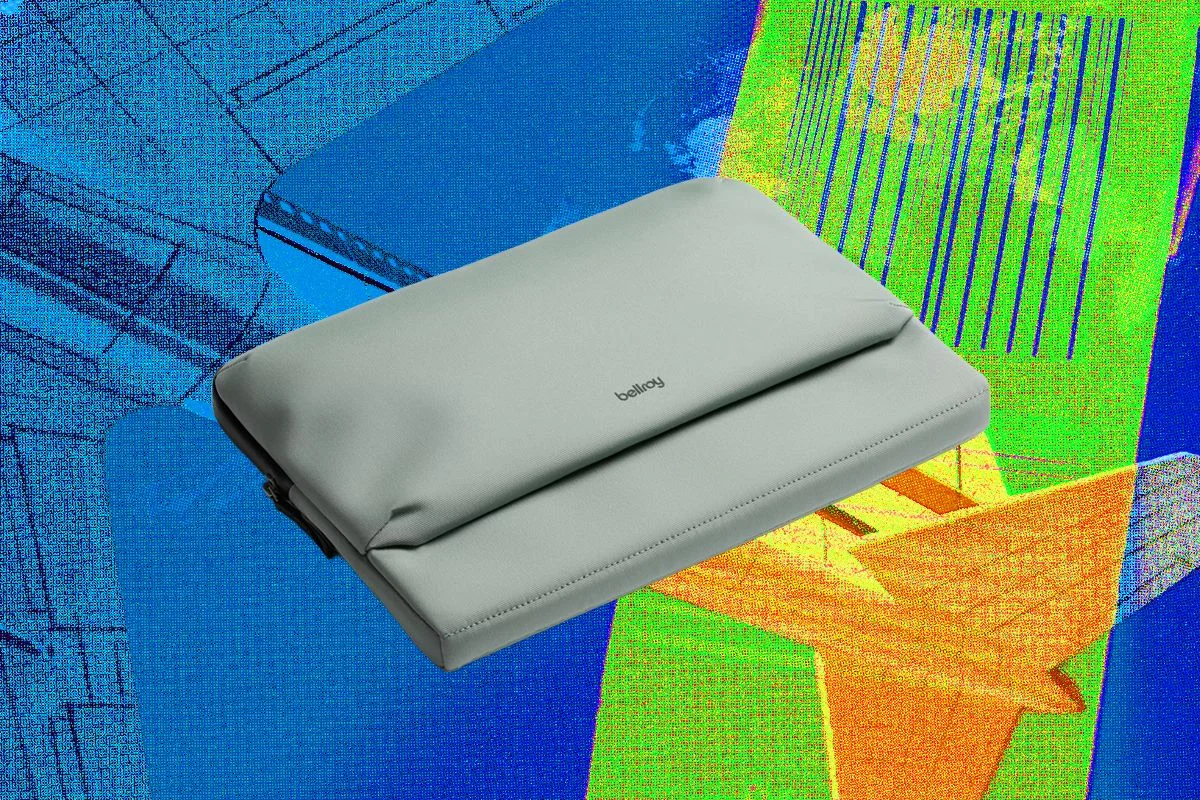
The landscape of mobile computing has shifted significantly over the last decade, transitioning from static office environments to a highly mobile, hybrid workforce that demands both protection and organization for a growing array of peripherals. Within this evolving market, the Bellroy Laptop Caddy has emerged as a focal point for tech enthusiasts and professionals seeking a more integrated solution than the traditional laptop sleeve. Unlike standard protective covers, which often prioritize slimness at the expense of storage, the Laptop Caddy represents a modular approach to the "Every Day Carry" (EDC) philosophy, functioning effectively as a secondary organization hub within a larger transport system.
As hardware manufacturers continue to push the boundaries of performance, particularly in the realm of high-end workstations and gaming laptops, the physical requirements for carrying these devices have changed. The Bellroy Laptop Caddy, specifically the 16-inch iteration, addresses the specific needs of power users who frequently carry not only a primary computer but also high-wattage power adapters, external storage, and secondary mobile devices.
The Evolution of Laptop Protection and the Rise of Modular Carry
The history of the laptop sleeve is one of gradual refinement. In the early 2000s, laptop protection was characterized by bulky, foam-heavy cases that offered significant impact resistance but little in the way of aesthetic appeal or organizational utility. As laptops became thinner and more durable during the 2010s, the market shifted toward neoprene "skins"—minimalist covers intended to prevent scratches while the device was stored inside a backpack or briefcase.
However, the modern professional’s kit has expanded. The transition to USB-C and the proliferation of dongles, portable SSDs, and high-capacity charging bricks created a new logistical challenge: the "peripheral clutter." This has led to the current era of tech organization, where the sleeve must do more than just house the computer. Industry data suggests that the global laptop accessories market is projected to grow at a compound annual growth rate (CAGR) of approximately 6% through 2030, driven largely by the demand for sophisticated organizational tools that accommodate hybrid work-from-home and office-based lifestyles.
Bellroy, an Australian-based company and certified B Corp, has positioned itself at the forefront of this trend. By focusing on slim silhouettes and recycled materials, the brand has targeted a demographic that values design-led functionality. The Laptop Caddy is the latest evolution in this lineage, moving away from the "sleeve" nomenclature toward a "caddy" designation that implies a broader utility.
Technical Specifications and Design Architecture
The Bellroy Laptop Caddy is available in two primary sizes—14-inch and 16-inch—to accommodate the standard dimensions of modern ultrabooks and workstations. The 16-inch model is notable for its expansive interior volume, which measures significantly larger than the devices it is designed to protect. This intentional "over-sizing" allows the caddy to house not only slim devices like the MacBook Air but also high-performance gaming laptops which often feature thicker chassis and larger cooling vents.
The internal architecture of the caddy is divided into three distinct zones:
- The Primary Compartment: A padded sleeve designed to hold the laptop securely. In the 16-inch version, the dimensions allow for the inclusion of a second device, such as a tablet or a portable monitor, without straining the zippers.
- The Mesh Storage Flap: The interior of the front flap features two large, stretchy mesh pockets. These are engineered to solve the "power brick problem"—the difficulty of storing bulky AC adapters without creating unsightly bulges or damaging the laptop’s screen through pressure.
- The Central Utility Zone: Between the laptop compartment and the mesh pockets lies a vertical space equipped with two pen holders (suitable for styluses like the Apple Pencil) and a cavity for flat items such as A5 notebooks, e-readers, or foldable laptop stands.
The materials used in the construction of the caddy reflect a commitment to durability and environmental standards. Bellroy utilizes water-resistant, recycled woven fabrics, which provide a tactile, professional finish while ensuring the contents remain protected from minor spills or environmental moisture.
Comparative Analysis: The Power User Perspective
In practical application, the utility of the Bellroy Laptop Caddy is most evident when compared to traditional sleeves or dedicated tech pouches. For professionals who operate as "laptop reviewers" or "mobile developers," the ability to transport multiple devices simultaneously is a critical requirement. Testing indicates that the 16-inch Caddy can comfortably house a 13-inch MacBook Air alongside a primary workstation, effectively doubling its carrying capacity without requiring a secondary bag.
.jpg)
A significant pain point in the laptop accessory market has been the inability of sleeves to accommodate the 140W power adapters associated with 16-inch high-performance laptops. Most sleeves are designed for the laptop’s dimensions alone, forcing users to store the charger separately in a backpack’s main compartment where it can tangle with cables or scratch other items. The Laptop Caddy’s mesh pockets are specifically designed to expand, allowing these larger bricks to be integrated into the same protective unit as the computer.
However, the design is not without its compromises. The absence of a dedicated handle or shoulder strap confirms that the Laptop Caddy is intended to be a "bag within a bag" rather than a standalone briefcase. For users with smaller backpacks, such as the standard 20-liter commuter bags, the 16-inch Caddy may present fitment issues, requiring a larger external shell like a Herschel or a dedicated 30-liter travel pack.
Market Context and Competitive Landscape
The Bellroy Laptop Caddy enters a competitive field populated by established players such as Peak Design, Native Union, and Incase. Peak Design’s "Tech Pouch" offers superior organization for cables but lacks a dedicated laptop compartment, while Native Union’s "Stow" series offers similar aesthetics but generally less internal volume for bulky chargers.
Market analysts suggest that Bellroy’s success in this niche is tied to its "slim-centric" design philosophy. While the Caddy is capable of holding significant gear, it maintains a structured profile that prevents it from becoming an amorphous mass inside a larger bag. This structural integrity is a key selling point for the "prosumer" market—users who are willing to pay a premium for accessories that reflect a high level of engineering and material quality.
Broader Implications for the Future of Work
The popularity of high-capacity organizers like the Bellroy Laptop Caddy reflects a broader societal shift toward modularity. As the concept of a "permanent desk" becomes less common, the professional’s "office" is increasingly defined by the contents of their bag. The ability to pull a single, organized caddy out of a backpack and have every necessary tool—computer, charger, stylus, and notebook—immediately accessible is a significant efficiency gain.
Furthermore, the trend toward "over-sized" sleeves suggests a shift in how consumers view device longevity. By providing a caddy that fits a 16-inch laptop, users ensure that their organization system remains compatible even if they upgrade to a larger device in the future. This "future-proofing" of accessories is becoming an important consideration in a market where high-end laptops can cost upwards of $3,000.
Sustainability and Corporate Responsibility
In an era where consumer electronics and their accessories contribute significantly to environmental waste, the manufacturing process of the Bellroy Laptop Caddy is noteworthy. As a B Corp, Bellroy is required to meet high standards of social and environmental performance. The use of recycled plastics for the exterior fabric and the focus on "long-life" design—aiming to create products that do not need to be replaced every few years—aligns with the growing consumer demand for sustainable tech solutions.
According to Bellroy’s internal impact reports, the transition to recycled materials has diverted millions of plastic bottles from landfills, repurposing them into durable technical fabrics. This environmental narrative, combined with the functional utility of the Caddy, positions the product as a leader in the premium accessory market.
Conclusion
The Bellroy Laptop Caddy represents a sophisticated response to the complexities of modern mobile computing. By addressing the specific logistical challenges of carrying high-performance hardware and its requisite peripherals, it transcends the traditional definition of a laptop sleeve. While its size may require a larger external bag, its capacity for organization and its robust build quality make it a compelling choice for the modern digital nomad. As the workforce continues to embrace flexibility, the demand for such modular, high-capacity organization systems is expected to remain on an upward trajectory, cementing the "caddy" as a staple of the professional toolkit.







