Angie Faith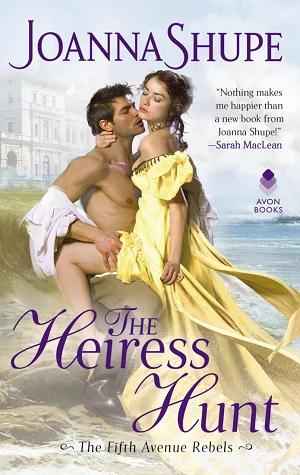
The transition from platonic companionship to romantic partnership is a deeply resonant theme in storytelling, offering a rich tapestry of emotional evolution and character development. This exploration of the "friends-to-lovers" trope, a cornerstone of romance literature, delves into how these narratives resonate with readers and the intricate ways authors craft compelling journeys from friendship to profound love. This article examines various literary works that masterfully navigate this popular trope, offering insights into its enduring appeal and the diverse subgenres it encompasses.
The allure of friends-to-lovers narratives lies in their inherent foundation of trust, shared history, and deep understanding between characters. Unlike relationships that begin with immediate romantic attraction, these stories often begin with a bedrock of genuine connection, allowing for a more nuanced and organic progression of feelings. The gradual unfolding of romantic inclinations from a pre-existing bond provides a unique opportunity for authors to explore the subtle shifts in dynamics, the internal conflicts of characters grappling with evolving emotions, and the profound joy of discovering love in an unexpected place.

The Genesis of a Trope: Why Friends-to-Lovers Endures
The "friends-to-lovers" trope taps into a fundamental human experience: the desire for a partner who is also a confidant, a best friend, and a true equal. This narrative structure allows for the exploration of themes such as:
- Deepened Emotional Intimacy: The pre-existing friendship provides a fertile ground for emotional vulnerability. Characters already know each other’s strengths, weaknesses, fears, and dreams, allowing for a more profound level of connection to develop as romantic feelings emerge.
- The "Slow Burn" Effect: The gradual realization of romantic feelings often creates a compelling "slow burn" that captivates readers. The anticipation of the characters acknowledging their love, combined with the potential for lost friendship, heightens the emotional stakes.
- Authenticity and Relatability: Many readers connect with the idea that true love can blossom from genuine friendship. It offers a hopeful perspective on relationships, suggesting that profound romantic connections can be built on a foundation of mutual respect and shared experiences.
- Character Growth and Discovery: The transition often forces characters to confront their own preconceived notions about love, friendship, and their own identities. This can lead to significant personal growth and self-discovery, particularly for characters exploring their sexuality or navigating complex emotional landscapes.
The success of this trope is not merely anecdotal; it is reflected in reader engagement and market trends. Romance novels featuring this theme consistently rank high in sales and reader reviews across various platforms, indicating a sustained and significant audience demand. For instance, data from major online booksellers frequently highlights books employing the friends-to-lovers trope among their top sellers within the romance genre.

Diverse Manifestations: A Spectrum of Friends-to-Lovers Narratives
The beauty of the friends-to-lovers trope lies in its adaptability across a wide array of subgenres, from historical fiction to contemporary settings, and even into the realms of fantasy and science fiction. Each subgenre offers unique challenges and opportunities for these relationships to blossom.
Historical Romance: Navigating Societal Constraints and Enduring Bonds
In historical settings, the friends-to-lovers trope often gains an added layer of complexity due to the societal norms and expectations of the era. The clandestine nature of evolving feelings, the potential for scandal, and the pressure to marry for status or alliance can create intense dramatic tension.

-
"Two Rogues Make a Right" by Cat Sebastian: This MM historical romance exemplifies the hurt/comfort aspect of the trope. Will Sedgwick’s deep concern for his ailing friend, Martin Easterbrook, propels him to take drastic action. Their shared journey in the countryside allows their long-standing friendship to evolve into a romantic partnership. The narrative skillfully portrays how their bond, forged in shared hardship and mutual care, becomes the bedrock of their developing love. This historical context, where men often faced severe societal repercussions for their affections, adds a significant layer of bravery and depth to their burgeoning romance. The story highlights the power of chosen family and the healing potential of devoted companionship.
-
"The Heiress Hunt" by Joanna Shupe: Set in the Gilded Age, this novel explores the complexities of friendship intersecting with societal obligations and economic pressures. Harrison Archer’s return to New York with the sole purpose of marrying an heiress to save his family from financial ruin creates a tense backdrop for his interactions with his dearest friend, Maddie. Maddie, who has built a life for herself in his absence, finds herself re-evaluating her own path as a newfound passion surfaces between them. The story skillfully depicts the internal conflict of characters torn between duty and desire, and how years of platonic affection can transform into something more profound amidst the opulence and rigidity of the era. The narrative also touches upon the societal expectations placed upon women during this period, further complicating Maddie’s choices.
Contemporary Romance: Modern Love Stories and Evolving Identities
Contemporary settings offer a more immediate and relatable canvas for friends-to-lovers narratives, often exploring themes of self-discovery, career aspirations, and the complexities of modern relationships.

-
"Can’t Escape Love: A Reluctant Royals Novella" by Alyssa Cole: This novella showcases a charming friends-to-lovers dynamic between a live streamer and a media guru. Their online friendship, built on shared interests in anime and pop culture, blossoms into tangible chemistry when they collaborate on an anime-themed escape room. The story highlights how shared passions and collaborative projects can ignite romantic sparks, even between individuals who initially saw themselves purely as friends. Cole’s work often features diverse characters and relationships, and this story is no exception, celebrating the fusion of geek culture with heartfelt romance. The narrative’s focus on creative collaboration as a catalyst for romance offers a fresh perspective on how friendships can evolve.
-
"The Marriage Policy" by Riley Hart: This contemporary romance delves into a marriage of convenience that unexpectedly ignites romantic feelings between best friends. Donovan and Eric’s decision to marry for health insurance, based on the premise of their incompatible sexualities and a guaranteed easy divorce, sets the stage for a profound emotional shift. As they navigate cohabitation and the practicalities of their arrangement, Eric finds himself falling for Donovan romantically, challenging their initial plans. This narrative explores the unexpected consequences of proximity and shared vulnerability, demonstrating how deep platonic bonds can lay the groundwork for romantic love, especially when faced with unforeseen circumstances. The story also subtly addresses the importance of accessible healthcare and its impact on relationships.
-
"Something Cheeky" by Thien-Kim Lam: This contemporary novel centers on a demisexual lingerie designer and a theater director whose college friendship reignites when he enlists her help with his dream musical. Zoe Tran, who had set aside her costume design ambitions, finds herself drawn back into the world of theater through her friend Derek’s passion project. The story beautifully explores how shared artistic endeavors can foster renewed intimacy and reveal hidden romantic potential. Lam’s work often celebrates diverse identities and experiences, and "Something Cheeky" highlights the nuances of demisexuality and the power of supportive friendships in achieving personal and professional goals. The narrative’s emphasis on collaboration and shared dreams underscores the strength of their existing bond.

-
"A Little Kissing Between Friends" by Chencia C. Higgins: This contemporary Black lesbian romance features two best friends, Cyn and Jucee, whose playful flirting takes a romantic turn. As Cyn, a music producer, and Jucee, a strip club dancer, navigate the potential complexities of a romantic relationship, they must weigh the risks to their cherished friendship against their burgeoning feelings. The story highlights the challenges of balancing personal ambition with the desire for romantic connection, and how even the most comfortable friendships can evolve into something deeper when the right circumstances arise. Higgins’s writing often focuses on nuanced explorations of identity and relationships within the Black LGBTQ+ community.
-
"Platonic Rulebook" by Saxon James: This novel explores the evolving dynamic between two recently divorced friends, Griff and Heath. Their platonic relationship, a source of comfort and support as they navigate their post-divorce lives, takes an unexpected turn after a night out. The story delves into the complexities of transitioning from a platonic friendship to a romantic partnership, particularly within the context of a men’s club for divorced individuals. The narrative emphasizes the importance of open communication and the courage required to embrace new emotional landscapes. The gradual realization of their mutual attraction and the subsequent navigation of their evolving relationship offer a compelling exploration of the friends-to-lovers trope.
Fantasy and Speculative Fiction: Enchanted Friendships and Fated Loves
In fantasy and speculative fiction, the friends-to-lovers trope can be infused with magical elements, epic quests, and the exploration of non-human relationships.

-
"The Evergreen Heir" by A.K. Mulford: This fantasy romance features Neelo, who expects to inherit a throne alone, only to have their mother arrange a marriage to their best friend, Talhan. Talhan, a skilled fae warrior, is eager to marry Neelo, but Neelo is hesitant to trap him in wedlock. Their journey to investigate a magical threat brings them closer, allowing their friendship to deepen into romance. The narrative skillfully blends political intrigue, magical elements, and the development of a tender romantic relationship, showcasing how shared responsibility and facing adversity together can forge powerful bonds. The story also explores themes of duty, destiny, and the courage to embrace love.
-
"Bromantasy" by Maire Roche: This upcoming novel promises an engaging friends-to-lovers story set against a backdrop of monster hunting. Juniper O’Reilly and Mo Elmthorn, long-time best friends who have built a life together, find their platonic relationship challenged when a bar fight forces them into a dangerous quest. The narrative suggests that confronting external threats and facing uncomfortable truths can lead to the realization of long-held romantic feelings. The blend of action, humor, and emotional discovery makes this a highly anticipated addition to the friends-to-lovers genre. The story’s premise highlights the idea that shared adventures and vulnerability can illuminate hidden desires.
Historical Fiction with a Twist: Debutantes, Scandals, and Forbidden Affections
Certain historical narratives offer unique twists on the trope, often involving intricate social maneuvering and the exploration of forbidden desires.

- "Don’t Want You Like a Best Friend" by Emma Alban: This Victorian-era sapphic romance presents a delightful scenario where two young women, Beth and Gwen, aim to secure their futures by orchestrating a marriage between their single parents. As they engage in elaborate matchmaking schemes, they discover their own romantic feelings for each other. The story cleverly uses the societal pressures of debutante balls and advantageous marriages as a backdrop for the blossoming of an unexpected same-sex romance, highlighting the enduring power of friendship and the courage to defy convention. The narrative’s playful "Parent Trap" style scheming adds an element of lighthearted fun to the development of their relationship.
Contemporary Romance with Specific Tropes: Second Chances and Forbidden Love
Certain contemporary novels explore the friends-to-lovers trope through specific sub-tropes like second chances or forbidden love, adding further layers of emotional complexity.
-
"A Cowboy to Remember" by Rebekah Weatherspoon: This novel features Evie, a star chef who suffers memory loss after an accident, and Zach, an estranged family friend. Evie’s return to the luxury dude ranch of her childhood, where Zach resides, allows for a second chance at connection. Zach, who previously confessed his love and scared Evie away, is determined not to miss this opportunity. The narrative expertly weaves together themes of amnesia, second chances, and the enduring power of past affections, demonstrating how a forgotten friendship can be rekindled into a passionate romance. The story emphasizes the healing power of returning to familiar places and confronting past emotions.
-
"Wrong to Need You" by Alisha Rai: This romance explores the complexities of forbidden love and enduring friendship. Jackson and Sadia were best friends before Sadia married Jackson’s brother. After his brother’s death and Jackson’s departure to avoid false accusations, they are reunited years later. Jackson returns to help Sadia keep her café afloat, reigniting their deep friendship and undeniable romantic feelings. The narrative skillfully navigates the "forbidden love" aspect of their relationship, as well as the lingering guilt and societal judgment they might face, ultimately showcasing the strength of their connection. Rai’s work is known for its rich cultural detail and complex characters, and this story is no exception.

-
"Second Chance Romance" by Olivia Dade: This heartwarming novel brings together two estranged high school best friends, Molly and Karl, after an erroneous obituary reunites them. A misunderstanding had fractured their long-distance friendship, leading them down separate paths. Molly, an audiobook narrator, and Karl, a baker, find themselves back in their hometown, presented with an opportunity for reconciliation and a second chance at love. The story emphasizes the themes of reconnection, forgiveness, and the possibility of rekindling deep-seated affection after years of separation. Dade’s signature style of body-positive and emotionally resonant storytelling is evident here, highlighting the enduring power of past connections.
The Integral Role of Friendship in Romantic Development
Across these diverse narratives, a common thread emerges: the friendship is not merely a precursor to romance but an integral component that shapes the very nature of the love that blossoms. The shared history, mutual respect, and deep understanding built over time create a foundation that allows for a more profound, resilient, and authentic romantic connection. Authors who masterfully employ the friends-to-lovers trope understand that the journey from platonic intimacy to romantic love is not just about falling in love, but about the evolution of a profound human connection, demonstrating that sometimes, the greatest love stories are the ones that were there all along, waiting to be discovered.

This exploration of the friends-to-lovers trope in literature highlights its enduring appeal and its capacity to explore complex emotional landscapes. As readers continue to seek out stories that resonate with authenticity and emotional depth, the friends-to-lovers narrative remains a powerful and beloved vehicle for exploring the transformative power of connection.