For too long, the digital landscape for content creators has been characterized by fragmentation, with valuable ideas and essential assets scattered across disparate applications and platforms. This pervasive disorganization, often comprising notes in mobile apps, forgotten screenshots, or buried conversations within AI assistants, has long hindered efficiency, even for highly prolific creators. Despite maintaining impressive creation streaks, the core challenge has consistently been the retrieval and consolidation of these scattered insights rather than the generation of new ideas. This fundamental problem is now being systematically addressed by the emergence and increasing adoption of Model Context Protocols (MCPs), which enable artificial intelligence (AI) models to directly interface with a creator’s existing digital toolkit, eliminating the need for complex coding and significantly streamlining the content lifecycle from ideation to publication.
The Rise of Model Context Protocols: Bridging AI and Existing Workflows
Model Context Protocols represent a significant leap in the integration of AI into everyday professional workflows. At their core, MCPs allow Large Language Models (LLMs) to establish direct connections with a wide array of software tools, transforming a collection of individual applications into a cohesive, AI-orchestrated ecosystem. This paradigm shift moves beyond simple API integrations, enabling an AI assistant to act as a central hub, understanding context and executing commands across multiple platforms with natural language instructions. The evolution towards MCPs reflects a broader industry trend to democratize access to powerful AI capabilities, making them accessible to non-developers and fostering an environment where technology adapts to human communication patterns rather than the other way around.
Historically, creators and professionals alike have grappled with "context switching" – the mental and practical effort required to move between different applications to perform related tasks. A 2023 study by Statista revealed that the average knowledge worker uses at least 8 different applications daily, contributing to an estimated loss of 60 minutes per day due to interruptions and context switching. For content creators, whose work often involves a fluid movement between writing, designing, researching, and scheduling, this inefficiency is amplified. MCPs offer a potent antidote, creating a seamless digital environment where an AI assistant can facilitate "hand-offs" between tools, allowing an idea captured in one application to be refined in another, and then published through a third, all without the user leaving the central AI conversation. This integration not only saves time but also preserves the creative flow, preventing valuable insights from being lost in the digital clutter.
Addressing the "Scattered Ideas" Challenge: A Creator’s Integrated Stack
The practical application of MCPs is perhaps best illustrated through real-world creator workflows. One content strategist, for instance, detailed a common scenario where ideas were haphazardly saved across various platforms – from personal note apps and voice recordings to AI chat logs and screenshots. Despite an "80-week creation streak," the persistent challenge was retrieving these disparate pieces of inspiration when it was time to produce content. This personal anecdote underscores a universal pain point in the creator economy, which is valued at over $250 billion and continues to expand rapidly, necessitating ever-more efficient production methods.
By adopting an MCP-driven workflow, this strategist transformed their scattered system into a highly organized and productive pipeline. The core of their strategy involved establishing their preferred AI assistant (e.g., Claude) as the central "hub" with two primary functions: "capture" and "create." A "capture" task involves any action that brings an idea into the system, such as saving a note or extracting a quote from a call. A "create" task, conversely, transforms that captured idea into a publishable asset, like drafting a caption, generating a graphic, or editing a video. This dual-purpose hub, connected to a suite of MCP-enabled tools, ensures that every idea, regardless of its origin, is systematically logged and can be developed into finished content without the friction of tab-switching.
A Deep Dive into an Integrated Workflow: The 8-Tool Stack
The following details the eight essential MCP servers employed in this exemplary workflow, demonstrating how each tool contributes to a highly efficient, interconnected content creation process:
-
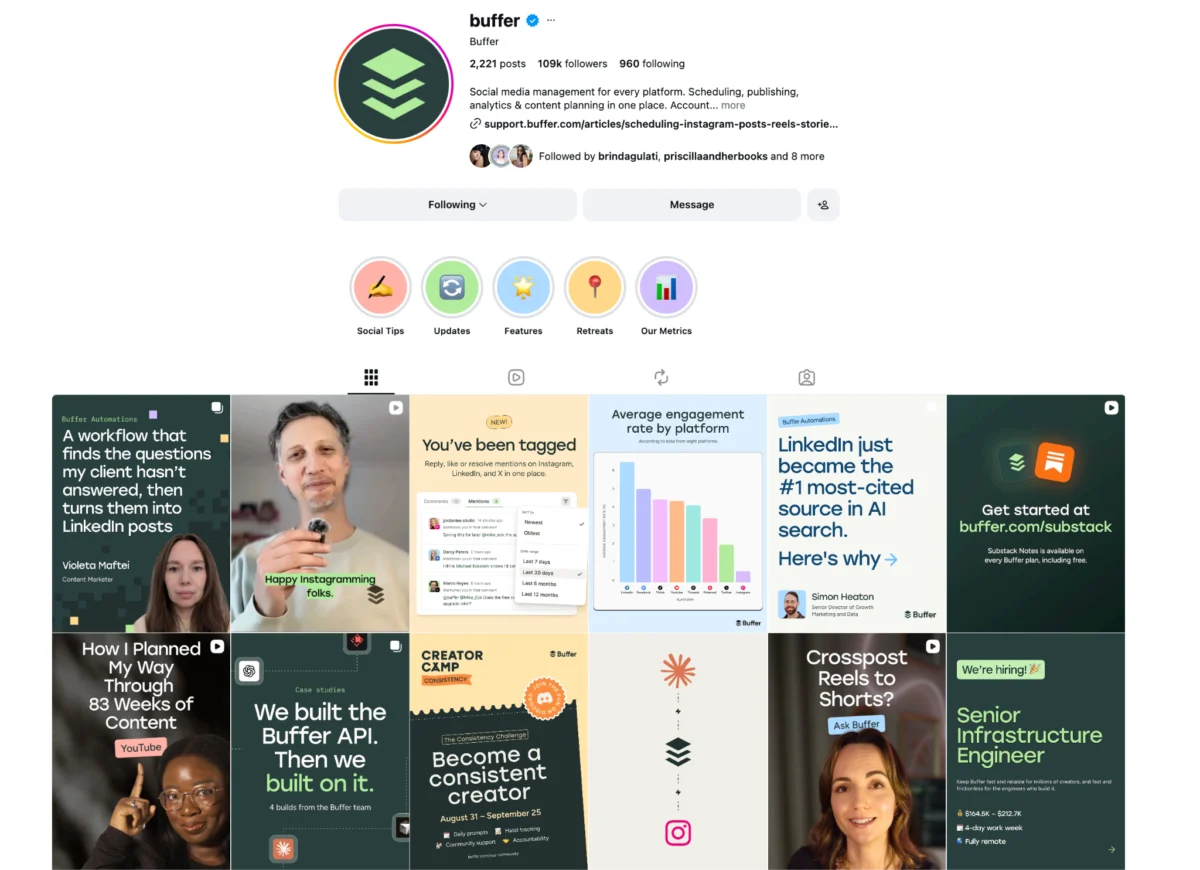
Buffer (Capture Ideas + Schedule Posts): Serving as the cornerstone, Buffer’s MCP is ideal for multi-platform social media management. It integrates directly with the AI assistant, granting access to connected channels, the posting queue, and an ideas board. For creators, this means not only managing social media schedules through natural language commands but, crucially, using it as a primary capture layer. A half-formed post idea encountered during reading or an AI conversation can be instantly saved to the Buffer ideas board, tagged for the appropriate platform, ensuring that a steady stream of starting points is available for weekly content batching. While analytics currently remain within the Buffer dashboard, its role as a "new front door" to the queue is transformative for initial ideation and scheduling.
-
Notion (Deep Storage for Notes and Resources): For creators who leverage Notion for extensive knowledge management, the MCP provides their AI assistant with access to years of accumulated notes, ideas, and resources. This includes audience-facing assets like resource databases or internal documents for brand partnerships. The AI can then be prompted to find innovative ways to promote existing resources (e.g., generating social media hooks for an Instagram reel) or even to synthesize new content from existing notes. This connection effectively turns Notion into an active, intelligent repository that fuels content creation rather than a passive archive.
-
Granola (Turns Call Transcripts into Ideas): Granola specializes in recording and transcribing calls, and its MCP grants the AI assistant access to these transcripts. Initially used for internal team communication and meeting notes, its utility has expanded significantly for content creators. By analyzing call transcripts from interviews, community discussions, or even personal reflections, the AI can identify and extract content ideas, often forming the basis for carousels or short-form posts. This mechanism transforms conversations that would otherwise be fleeting into a persistent wellspring of content, maximizing the value of time spent on calls or listening to podcasts.
-
Google Workspace (Email, Calendar, Admin): While not directly involved in content creation, the Google Workspace MCP is crucial for maintaining the operational backbone of a creator’s business. Connecting Gmail, Calendar, and other administrative tools allows the AI assistant to manage emails, track ongoing conversations, set reminders, and flag potential brand collaborations through natural language commands. For creators often overwhelmed by their inboxes, this integration prevents crucial communications and opportunities from falling through the cracks, thereby enabling greater focus on creative tasks. Organizing schedules with simple prompts like "schedule a meeting with X for next Tuesday" further streamlines administrative overhead.
-
Elicit (Backs Up Takes with Research): For creators focused on informative or claim-making content, Elicit’s MCP is invaluable for research and validation. It allows the AI to sift through multiple academic papers, identify connections, and surface related studies, helping creators substantiate their claims with peer-reviewed work. While direct citations might not appear in all content, the ability to rapidly verify information enhances content credibility. A notable feature is Elicit’s capacity to synthesize a group of studies into a new, shareable paper, transforming research itself into a valuable audience resource. This tool significantly elevates the factual rigor of creator output, which is increasingly important in an era demanding credible information.
-
Sublime (Library of Saved Quotes, Articles, and Posts): Complementing Notion’s role as a personal knowledge base, Sublime acts as a curated library for external content—quotes, articles, and social media posts saved from across the web. Its unique recommendation algorithm connects saved items to a broader community library, deepening understanding. With the MCP, the AI assistant can search this personal and collective repository, retrieving half-remembered quotes or specific content formats without manual digging. This ensures that inspiration from external sources is not only saved but actively integrated into the creation process, though direct saving into Sublime remains a manual, intentional act.

-
Canva (Copy – Designed Carousel): For creators who rely on Canva for visual content, the MCP streamlines the design process. It allows users to initiate carousel ideas or other graphic concepts within the AI conversation and then transfer the copy and initial structure to Canva. The AI can reference existing design libraries, templates, fonts, and brand colors, reducing the time spent on repetitive design decisions. While final touches and export typically occur within Canva, this integration significantly accelerates the initial design phase and ensures brand consistency.
-
Descript (Rough Cuts, Clips, Captions): As a newer but potentially game-changing MCP, Descript’s integration is particularly impactful for video creators who transform long-form content into short, engaging clips. Launched in May 2026, this MCP allows the AI assistant to reference raw video files within Descript and execute editing commands directly from the conversation. Users can request the removal of filler words, audio cleanup, caption generation, clip extraction, and the creation of rough cuts. These requests are processed by Underlord, Descript’s AI editing assistant, handling approximately 90% of the initial editing work. While human oversight in Descript is still required for final review and creative flourishes like transitions and sound effects, this dramatically reduces the labor-intensive aspects of video post-production. It’s important to note that a paid Descript plan with API access is required, and imports are currently limited to files and direct URLs, not YouTube links.
The Philosophy of Seamless Hand-offs and Security Considerations
The true power of this MCP stack lies not in the individual capabilities of each tool, but in the seamless "hand-offs" between them. An idea captured by Granola from a call can be refined in Notion, backed by research from Elicit, visually conceptualized in Canva, and then scheduled for publication via Buffer – all orchestrated by the AI assistant without the user ever breaking their creative flow to switch applications. This interconnectedness transforms content creation into a fluid, conversational process.
As with any powerful integration involving sensitive data, security is paramount. The strategist emphasized two crucial criteria for selecting MCPs: prioritizing "official" integrations developed by the software companies themselves over independent developers, and ensuring connections are secured via OAuth. OAuth-based connections, similar to linking Instagram to Buffer, allow users to authorize access through their normal login credentials and revoke that access at any time, providing a robust layer of control and accountability from companies with established security standards.
Broader Implications for the Creator Economy and Future Outlook
The widespread adoption of MCPs holds profound implications for the creator economy and the future of work.
- Increased Productivity and Output: By automating repetitive and administrative tasks, creators can significantly boost their output, potentially producing more content in less time. This allows them to focus on the higher-value, more creative aspects of their work.
- Lower Barrier to Entry for Complex Tasks: Tools like Descript’s MCP democratize access to sophisticated video editing, making it easier for creators without extensive technical skills to produce high-quality multimedia content. Similarly, Elicit empowers creators to conduct rigorous research without needing a background in academic methodologies.
- Evolution of Creator Roles: The demand for "AI whisperers" or "prompt engineers" will likely grow, as creators learn to effectively articulate their needs to AI assistants to leverage these integrated tools. Roles may shift from purely technical execution to strategic AI orchestration and content oversight.
- Market Demand for Integrated AI Solutions: The success of MCPs will likely spur more software developers to build AI-native integrations, leading to a more interconnected and intelligent software landscape.
- Ethical Considerations: As AI takes on more creative and administrative tasks, ongoing discussions around data privacy, AI bias in content generation, and the authenticity of AI-assisted content will become even more critical. Creators will need to maintain a vigilant stance on human oversight and ethical AI use.
Looking ahead, the development of MCPs is expected to continue evolving. Future updates might include more advanced AI capabilities within tools, such as handling complex video transitions or generating sophisticated sound effects directly through AI prompts. The ultimate goal is to create an "ambient intelligence" where the AI anticipates needs and proactively assists creators, further blurring the lines between ideation and execution.
Understanding MCPs: Key Questions Answered
For those considering integrating Model Context Protocols into their workflow, several fundamental questions often arise:
-
What is an MCP server? An MCP (Model Context Protocol) server acts as a bridge, allowing an AI assistant (like Claude, ChatGPT, or Perplexity) to connect directly with another application (such as Buffer, Notion, or Canva). This connection enables users to issue plain-language commands to the AI, which then executes actions within the connected tool, like saving an idea, scheduling a post, or extracting information from a transcript, all without requiring any coding knowledge.
-
Do I need to know how to code to use MCPs? No, coding knowledge is not required. The MCPs discussed in this context typically utilize OAuth for connection, which is the same secure authorization protocol used when linking two web applications (e.g., connecting Instagram to Buffer). This user-friendly process allows individuals to authorize access through their normal login credentials and revoke it at any time from their account settings.
-
Are MCP servers free to use? While the MCP connection itself is often free, most require an active account with the underlying software tool. In some cases, a paid plan for the respective tool may be necessary. For example, Buffer’s MCP is free to connect, but Descript’s MCP, while free to connect, necessitates a paid Descript plan, and any edits performed will draw from the plan’s allocated AI credits and media minutes. It is crucial to check the specific requirements for each MCP.
-
How safe are MCP servers to use? The safety of an MCP server is intrinsically linked to the security of the underlying tool and the connection method. To ensure data security, it is highly recommended to prioritize official MCPs developed by the respective companies rather than third-party or independent solutions. Furthermore, exclusively using MCPs that operate on OAuth provides a critical layer of security, as it allows users to maintain full control over access permissions and revoke them whenever necessary directly from their account settings.
In conclusion, Model Context Protocols are not merely another technological advancement; they represent a fundamental shift in how creators interact with their digital tools. By transforming disparate applications into an intelligent, interconnected ecosystem, MCPs address long-standing challenges of disorganization and context switching, empowering creators to focus on their core creative endeavors. As AI continues to mature, these integrated workflows will undoubtedly become the standard, paving the way for unprecedented levels of productivity and innovation within the global creator economy.