San Francisco, CA – June 1, 2026 – In a significant move set to redefine how digital marketing and social media expertise are recognized and verified, LinkedIn has officially launched its "Connected Apps" initiative, with Buffer, a leading social media management platform, as one of its inaugural partners. As of June 2026, professionals utilizing Buffer can now seamlessly integrate their activity directly with their LinkedIn profiles, transforming real-world product usage into credible, third-party validated capabilities. This development marks a pivotal shift from self-declared skills to demonstrable expertise, offering a robust solution for both professionals seeking to highlight their true proficiencies and hiring managers striving for more accurate talent assessment.
The Dawn of Verified Capabilities: What are LinkedIn Connected Apps?
LinkedIn’s Connected Apps represent a strategic evolution in the platform’s commitment to fostering a transparent and trustworthy professional ecosystem. These LinkedIn-approved third-party tools can be directly linked to a user’s profile, allowing actual product engagement and performance to manifest as verifiable capabilities. The concept, which has been in development for some time, builds upon precedents such as Duolingo users being able to display their language proficiency scores, extending the principle of external validation to a broader spectrum of professional tools and skills.

For social media professionals, whose contributions often involve complex, multi-platform strategies that are challenging to quantify on a traditional resume, this integration is particularly impactful. Instead of merely listing "social media management" as a skill, a user’s profile can now feature a statement like "Schedules and publishes posts across multiple social media accounts in Buffer," a capability directly validated by Buffer based on the user’s authenticated activity within the platform. This eliminates the need for manual applications or lengthy approval processes; users simply toggle the feature on within their Buffer settings, and the platform automatically populates the relevant capabilities on their LinkedIn profile. This streamlined approach underscores a commitment to making verification accessible and intuitive.
Buffer’s Pioneering Role and Initial Capabilities
Buffer, renowned for its comprehensive suite of tools for scheduling, publishing, analyzing, and engaging across social media channels, is a natural fit for LinkedIn’s Connected Apps. The initial rollout focuses on four core capabilities, each directly tied to demonstrable activity within the Buffer platform, ensuring that only genuine usage translates into profile validation:
- Schedules and publishes posts across multiple social media accounts in Buffer: This capability validates a user’s proficiency in managing content workflows and consistent publishing across various platforms.
- Manages social media engagement (replies, comments) in Buffer: Recognizing the critical role of community management, this capability verifies active participation in audience interaction and sentiment management.
- Analyzes social media performance in Buffer: For those adept at data interpretation and strategy optimization, this highlights the ability to leverage Buffer’s analytics features to derive insights.
- Builds on the Buffer API to automate social publishing: Acknowledging the technical expertise within the social media community, this capability is tailored for developers and "vibecoders" who integrate Buffer’s API for advanced automation and custom solutions.
Buffer has indicated that this is merely the first phase, with a broader array of capabilities already in the pipeline. Future expansions are expected to cover more nuanced aspects of social media management, including advanced analytics, complex automation workflows (e.g., integration with Zapier and Make), and the management of multi-channel campaigns for diverse client portfolios or large teams. This forward-looking approach suggests a comprehensive vision for validating the multifaceted nature of modern social media roles. Importantly, these capabilities are currently supported on personal LinkedIn profiles only, not company pages, and users can display one validated capability at a time upon launch, a decision likely aimed at ensuring clarity and focus on key strengths.
The Broader Context: Evolution of Skill Verification in the Digital Age
The introduction of LinkedIn Connected Apps is not an isolated event but rather a response to a growing demand for more credible skill verification in an increasingly digital and skills-based economy. For years, LinkedIn profiles have served as digital resumes, allowing professionals to list their experiences, education, and self-declared skills. However, the challenge of objectively validating these claims has persisted. Endorsements, while useful, can be subjective and do not always reflect active, hands-on expertise. The rise of online courses, certifications, and digital badges has attempted to bridge this gap, but none have offered the direct, real-time activity-based validation that Connected Apps now promise.
According to a 2023 report by Statista, LinkedIn boasts over 900 million members globally, cementing its status as the premier professional networking platform. As the talent landscape becomes more competitive and specialized, employers are increasingly seeking candidates with proven, practical skills rather than just theoretical knowledge. A survey by the World Economic Forum in 2023 highlighted that 50% of all employees will need reskilling by 2025 due to technological advancements. This rapid evolution of required skills underscores the urgency for dynamic and verifiable credentials. Connected Apps address this by providing a direct link between a professional’s daily operational work and their public professional identity, offering a more robust and trustworthy signal to prospective employers or clients. This initiative aligns with a broader industry trend towards micro-credentials and skill-based hiring, moving away from traditional degree-centric recruitment models.
Statements and Reactions: A New Era for Professional Recognition
The launch has been met with considerable enthusiasm from both platform providers and the professional community.
A spokesperson from LinkedIn, speaking on the condition of anonymity due to internal protocol, stated, "Our mission has always been to connect the world’s professionals to make them more productive and successful. Connected Apps are a natural extension of this, empowering our members to showcase their true capabilities, validated by the tools they use every day. This enhances trust and transparency across our network, benefiting both job seekers and recruiters by creating a more accurate and dynamic professional profile." This statement underscores LinkedIn’s strategic intent to deepen the authenticity of its platform.
From Buffer’s perspective, the integration represents a significant milestone. Joel Gascoigne, CEO of Buffer, remarked in a recent internal memo, "For too long, the invaluable work of social media managers has been challenging to quantify on paper. Our partnership with LinkedIn through Connected Apps finally gives these professionals the recognition they deserve. Their hard work, strategic thinking, and daily execution within Buffer can now be visibly and credibly displayed on the world’s leading professional network. This is a game-changer for validating expertise and opening new opportunities for our users." Gascoigne’s sentiment highlights the core value proposition for Buffer’s user base: formal recognition for often-underestimated digital skills.
Early reactions from the social media management community have been overwhelmingly positive. Sarah Jenkins, a freelance social media consultant with five years of experience, shared her excitement on X (formerly Twitter): "This is HUGE! No more trying to explain the nuances of B2B social strategy or community engagement in a bullet point. My Buffer activity finally gets to speak for itself on LinkedIn. This is a massive win for freelancers like me trying to land new clients." Her reaction exemplifies the perceived value for independent professionals. Similarly, hiring managers anticipate a more efficient and reliable recruitment process. "Sifting through resumes and trying to discern actual tool proficiency can be time-consuming," noted David Chen, Head of Digital Recruitment at a major marketing agency. "A validated Buffer capability on a LinkedIn profile instantly tells me a candidate has hands-on experience, speeding up our initial screening immensely."
Why This Matters: Implications for Professionals and Hiring
The implications of LinkedIn Connected Apps, particularly with Buffer’s integration, are far-reaching for various stakeholders:
For Professionals:
- Enhanced Credibility: Self-declared skills are replaced by third-party validation, lending significant weight to a professional’s profile. This is crucial in a field where tangible proof of expertise can be elusive.
- Improved Job Prospects: Candidates with validated capabilities are likely to stand out in a crowded job market. Recruiters can quickly identify individuals with proven experience in essential tools.
- Streamlined Client Acquisition (Freelancers/Consultants): For independent professionals, a validated capability serves as a powerful trust signal, making it easier to attract new clients who seek demonstrable expertise.
- Formal Recognition of Digital Skills: Social media management, often seen as a "soft skill," gains more tangible and formal recognition, elevating the profession’s standing.
- Personal Brand Building: Aligns perfectly with efforts to optimize LinkedIn profiles and build a strong personal brand, providing concrete evidence to back up claims.
For Hiring Managers and Recruiters:
- Efficient Candidate Sourcing: The ability to filter or search for candidates based on validated tool proficiency significantly streamlines the initial screening process.
- Reduced Hiring Risk: By verifying actual usage, employers can be more confident in a candidate’s practical skills, potentially reducing mis-hires.
- Clearer Skill Assessment: Provides objective data points for evaluating candidates, complementing interviews and portfolio reviews.
- Targeted Recruitment: Enables more precise targeting of candidates with the specific tool expertise required for a role, leading to better-matched hires.
Strategic Vision for LinkedIn and Buffer
For LinkedIn, the Connected Apps initiative represents a strategic move to solidify its position as the authoritative platform for professional identity and talent acquisition. By integrating with key industry tools, LinkedIn moves beyond being merely a networking site to become a dynamic hub for verifiable professional credentials. This enhances user engagement, encourages deeper profile completeness, and reinforces the platform’s value proposition for both job seekers and employers. It also positions LinkedIn as a leader in addressing the global skills gap by providing a clearer pathway for skill identification and development.
For Buffer, this partnership is a testament to its industry standing and a powerful value-add for its user base. By enabling users to publicly validate their expertise through Buffer, the company strengthens its community ties and reinforces the practical utility of its platform. It also creates a virtuous cycle where increased usage leads to enhanced professional visibility, further incentivizing engagement with Buffer’s tools. This strategic alignment with LinkedIn allows Buffer to play a more central role in the career development of social media professionals.
How to Add a Buffer Capability to Your LinkedIn Profile
The process for activating Buffer capabilities on a LinkedIn profile is designed to be straightforward, taking only a few minutes:
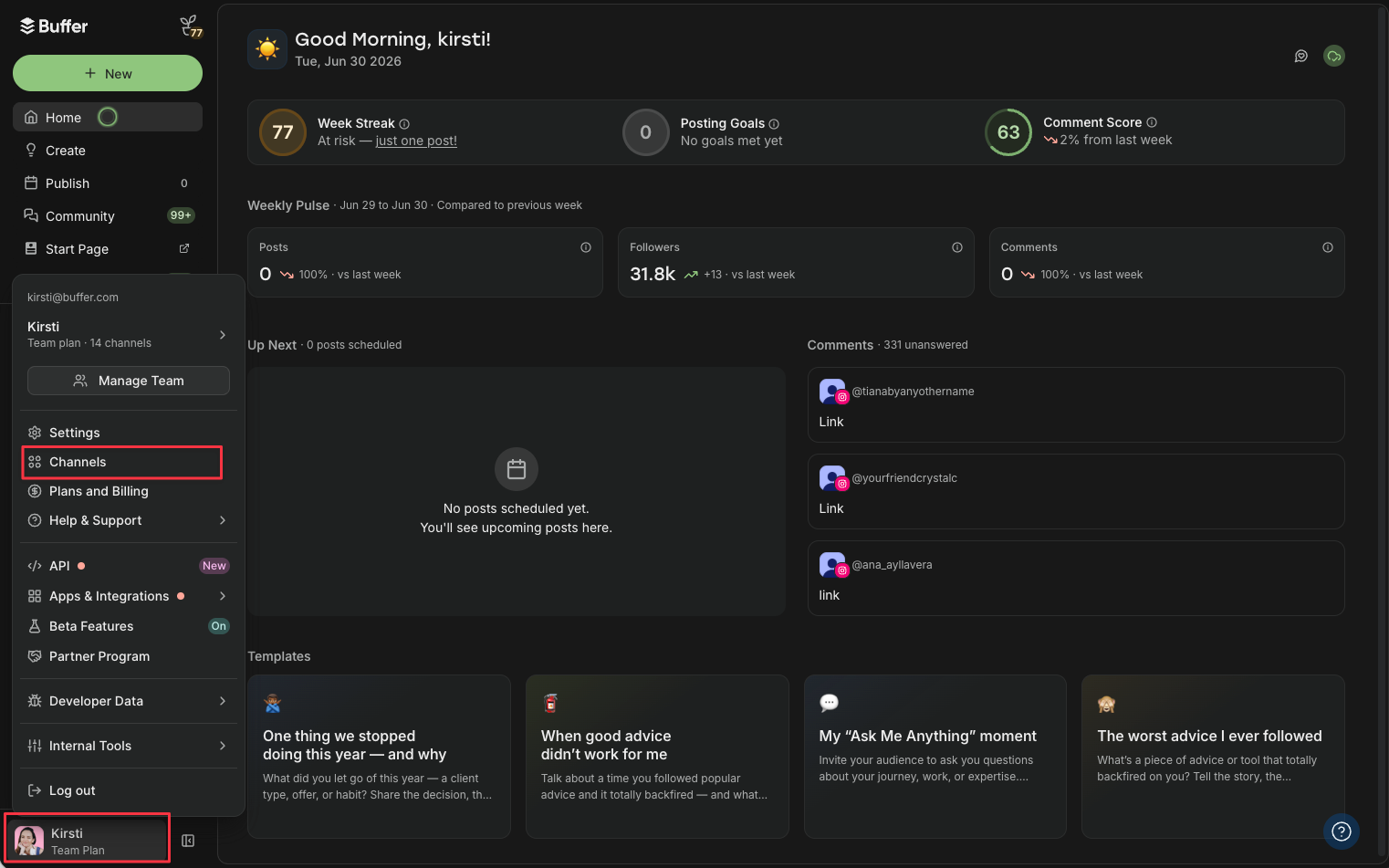
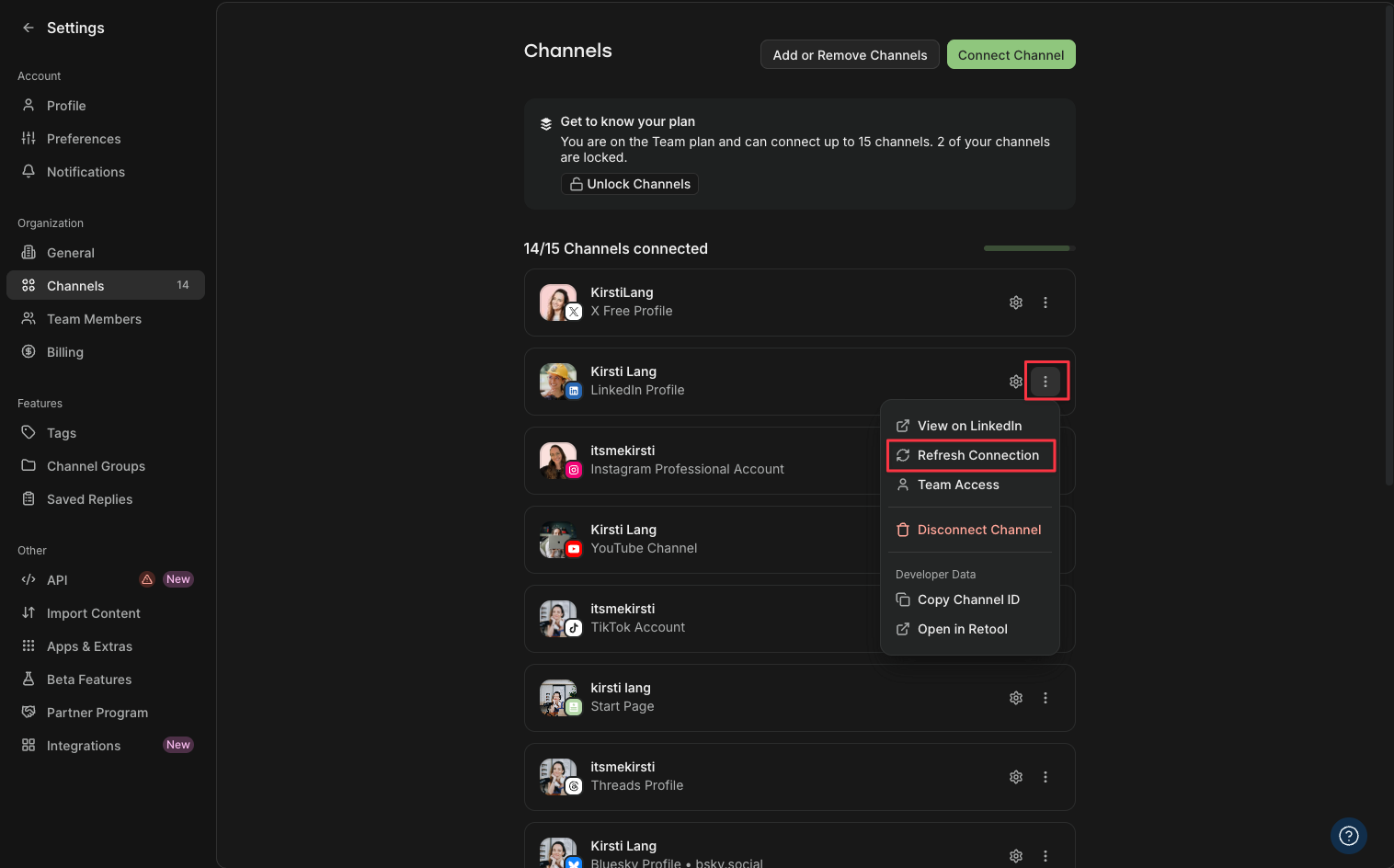
- Connect or Refresh LinkedIn Connection in Buffer: Navigate to your Buffer account, access the account menu, and select "Channels." Ensure your LinkedIn personal profile is connected, or refresh the connection if it’s already linked. This step grants Buffer the necessary permissions to interact with your LinkedIn profile.
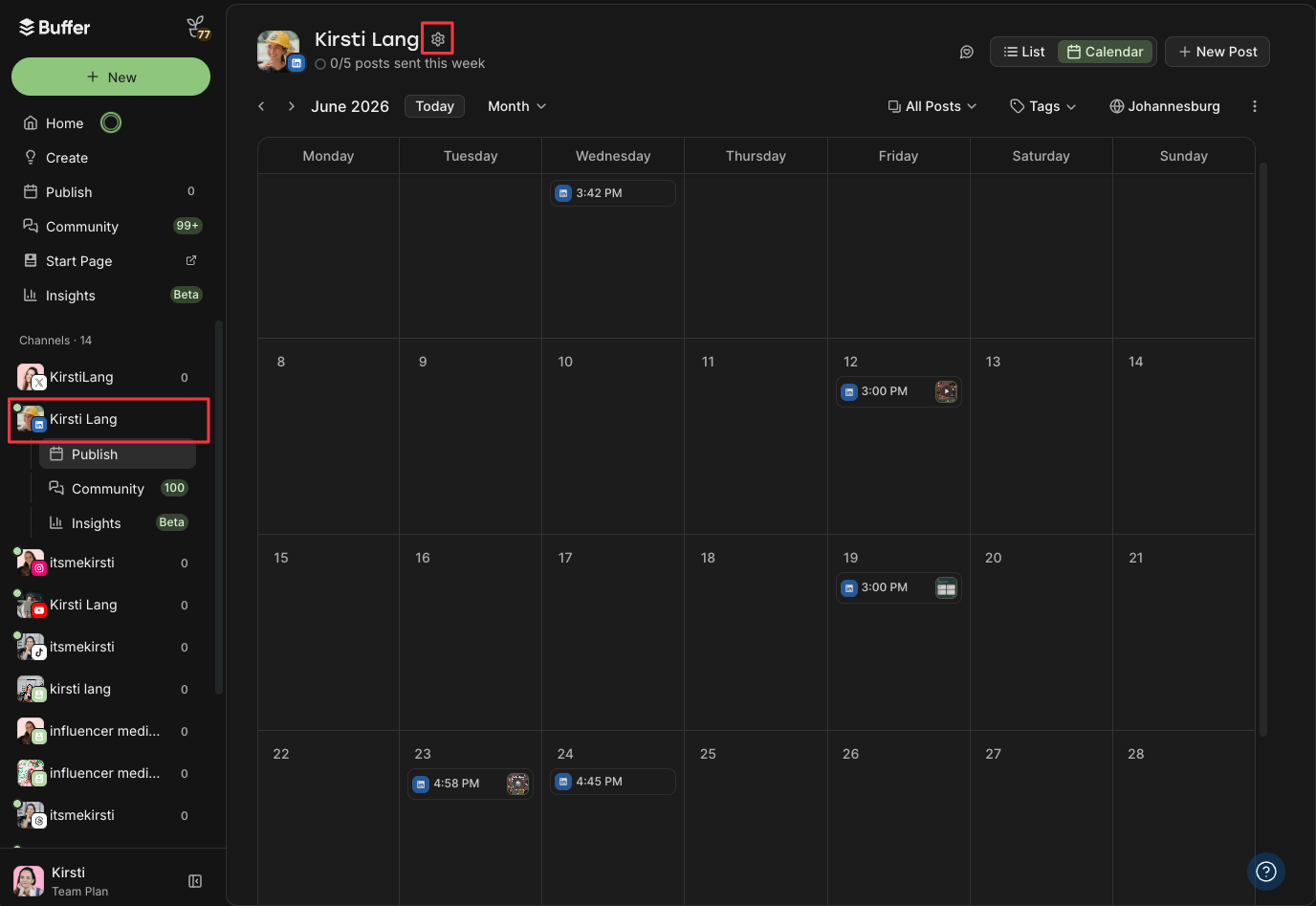
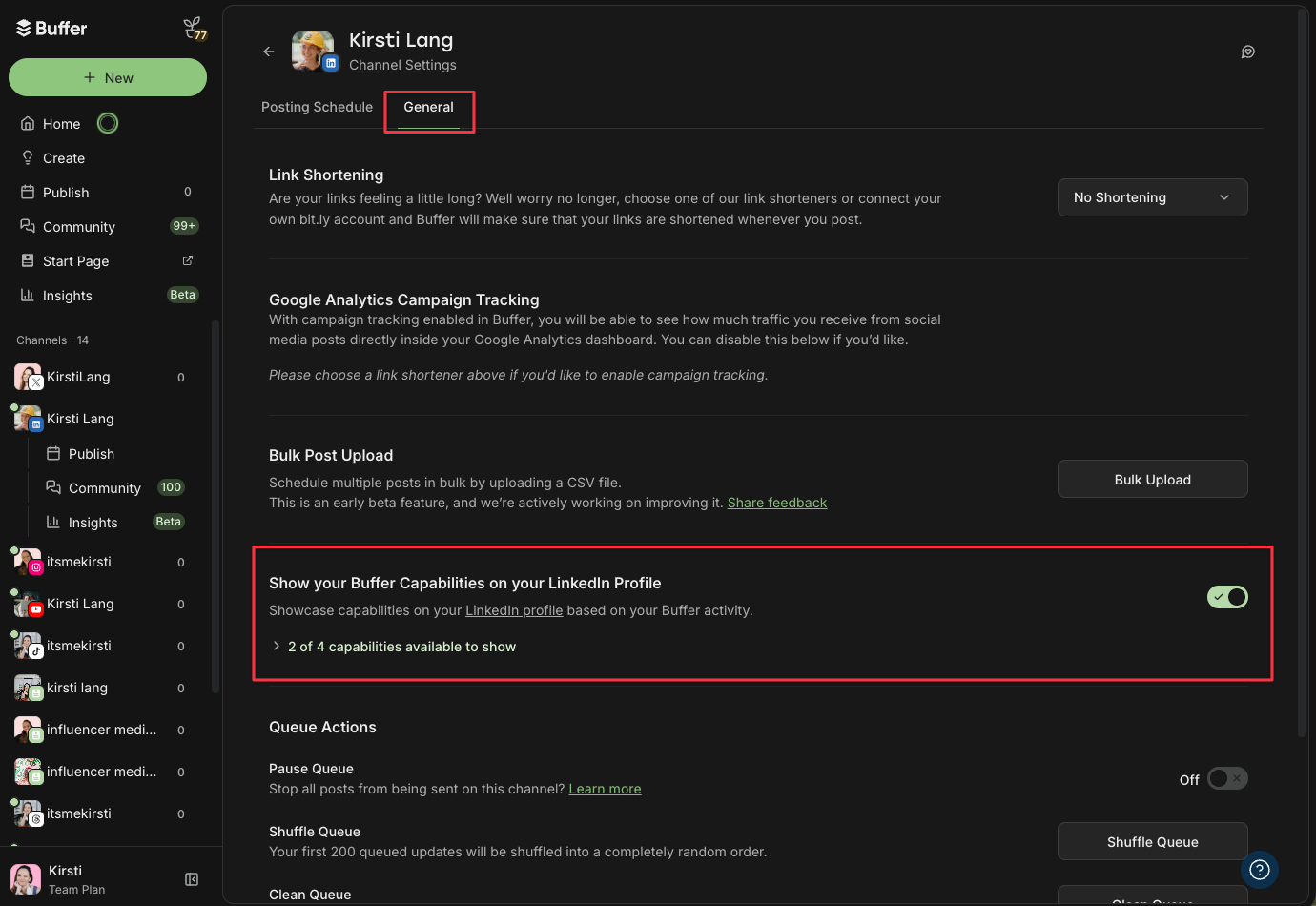
- Enable Capabilities in Buffer Settings: Within your LinkedIn channel settings in Buffer, locate the "General" section. Scroll down to the option "Show your Buffer Capabilities on LinkedIn" and toggle the button to the ‘on’ position. This activates the integration.
- Allow Time for Capability to Appear: It is important to note that capabilities are generated based on real activity. If a capability doesn’t appear immediately, users are advised to continue using Buffer with their LinkedIn account and allow up to 24 hours for the system to process and display the validated skill. Refreshing the LinkedIn connection in Buffer after a day can also help expedite the process.
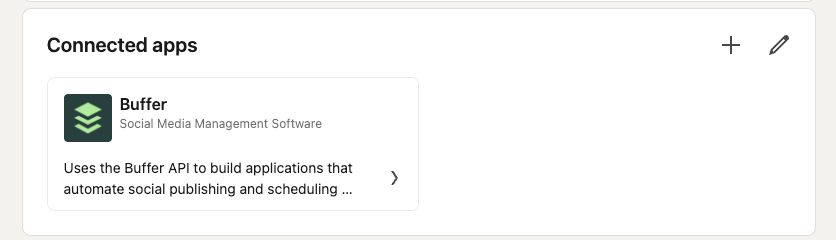
Once activated, the validated capability will appear prominently on the user’s LinkedIn profile, typically within a dedicated "Connected Apps" or "Capabilities" section, clearly stating the verified skill and its validation by Buffer.
Looking Ahead: The Future of Verified Skills
The integration of Buffer with LinkedIn’s Connected Apps heralds a new era for professional skill validation. As more platforms join this initiative, the digital landscape for professional development and hiring is poised for a significant transformation. This move is expected to foster greater transparency, accuracy, and efficiency in the talent market, making it easier for professionals to prove their worth and for organizations to find the right talent. The ongoing expansion of capabilities, coupled with the potential for more diverse tool integrations, suggests a future where a professional’s LinkedIn profile becomes a dynamic, verifiable portfolio of their active skills and contributions, setting a new standard for how expertise is recognized and valued in the global workforce.