The burgeoning landscape of social media management tools presents a complex choice for professionals seeking to streamline their digital presence. Among the myriad options, Buffer and Metricool consistently emerge as leading contenders, frequently appearing on "best of" lists due to their similar price points and broad platform coverage. However, a deeper examination reveals distinct philosophies and feature sets, positioning each tool as a more suitable solution for specific user segments, from independent creators to large marketing agencies. This detailed analysis delves into their functionalities, pricing structures, and strategic advantages to provide a comprehensive guide for informed decision-making in the ever-evolving realm of digital marketing.
The Evolving Ecosystem of Social Media Management
In an era where social media engagement is paramount for brand visibility and audience connection, the demand for sophisticated yet user-friendly management tools has surged. Businesses, solopreneurs, and agencies alike grapple with the challenge of consistently publishing compelling content, monitoring performance, engaging with communities, and extracting actionable insights across multiple platforms. This complex operational environment has fostered the growth of platforms like Buffer and Metricool, each carving out a niche by addressing different facets of the social media manager’s workflow. Industry reports indicate that the global social media management market is projected to reach significant valuations in the coming years, driven by the increasing digital transformation of enterprises and the growing importance of online brand presence. Both Buffer, with its long-standing reputation for intuitive scheduling, and Metricool, lauded for its comprehensive analytics and reporting, have adapted to these shifting demands, continuously refining their offerings to meet the diverse needs of their user bases.
Divergent Architectures: Pricing and Accessibility
One of the most immediate differentiators between Buffer and Metricool lies in their fundamental pricing models and the accessibility of core features, particularly for entry-level users. Buffer adopts a flexible, per-channel pricing structure, allowing users to build a customized plan based solely on the number of social media accounts they manage. Its free plan, a genuine offering rather than a limited trial, supports three channels and ten posts per channel (refillable), crucially including unlimited AI Assistant access and API integration. This model allows independent creators and small businesses to scale their investment precisely with their growth, with the Essentials plan starting at an accessible $6 per channel per month. For a solo creator managing Instagram, TikTok, LinkedIn, and X/Twitter, Buffer’s monthly cost would be $24, providing full analytics and unlimited posts.
Metricool, conversely, structures its pricing around the concept of "brands," where one brand typically encompasses one account from each supported social platform. Its free plan is more restrictive, limited to 20 published posts per month and notably excluding LinkedIn and X/Twitter. The Starter plan begins at $25 per month, but users must account for additional costs, such as a $10 per month add-on for each X/Twitter account. This "add-on" structure, if not carefully considered, can lead to higher unexpected costs. For the same solo creator managing four platforms (Instagram, TikTok, LinkedIn, X/Twitter), Metricool’s Starter plan would amount to $35 per month (inclusive of the X/Twitter add-on and the necessity of a paid plan for LinkedIn). While the "per brand" model might initially appear cost-effective for managing a single comprehensive digital presence, it can become less flexible or more expensive when managing multiple accounts on the same platform or navigating the add-on ecosystem. This approach suggests Metricool caters more to users managing distinct client entities, where each "brand" represents a separate client or project.
Streamlining Content: Scheduling and Publishing Methodologies
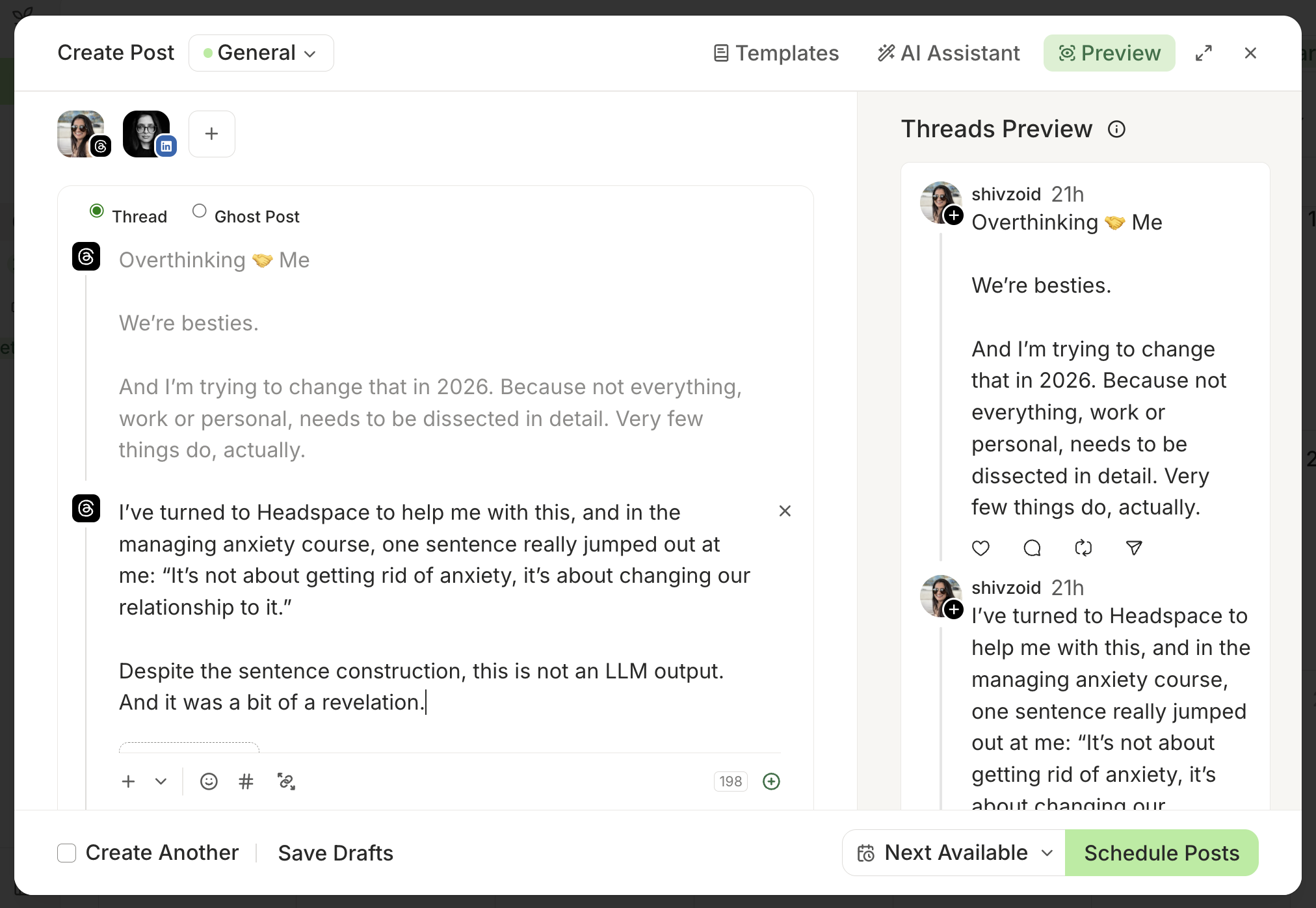
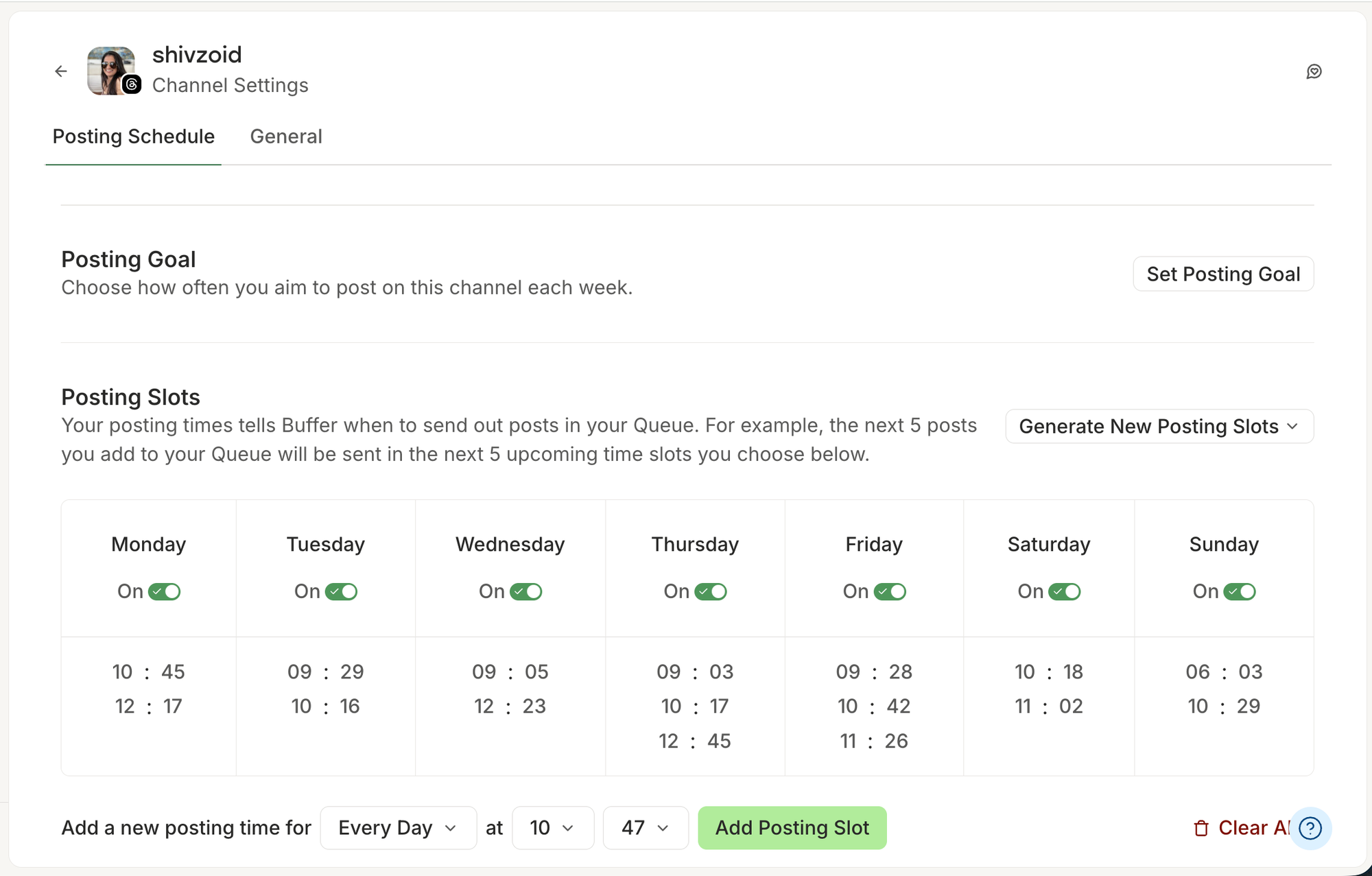
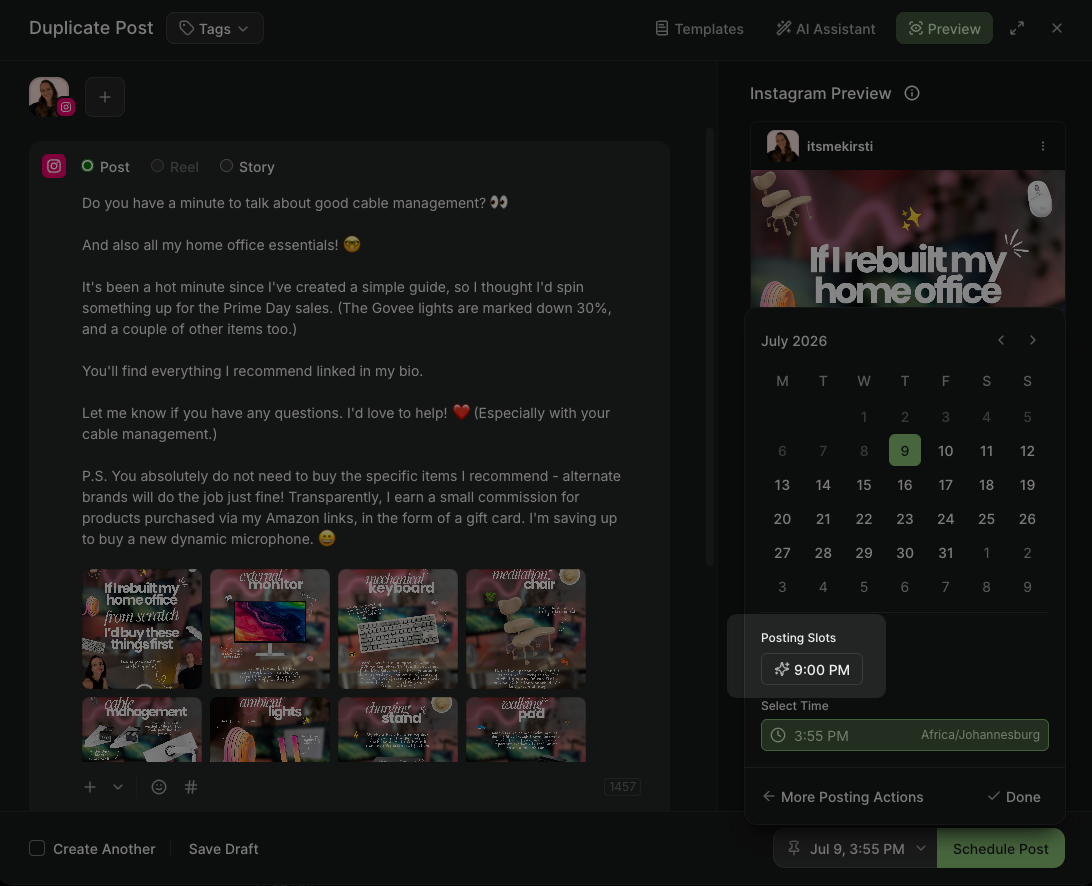
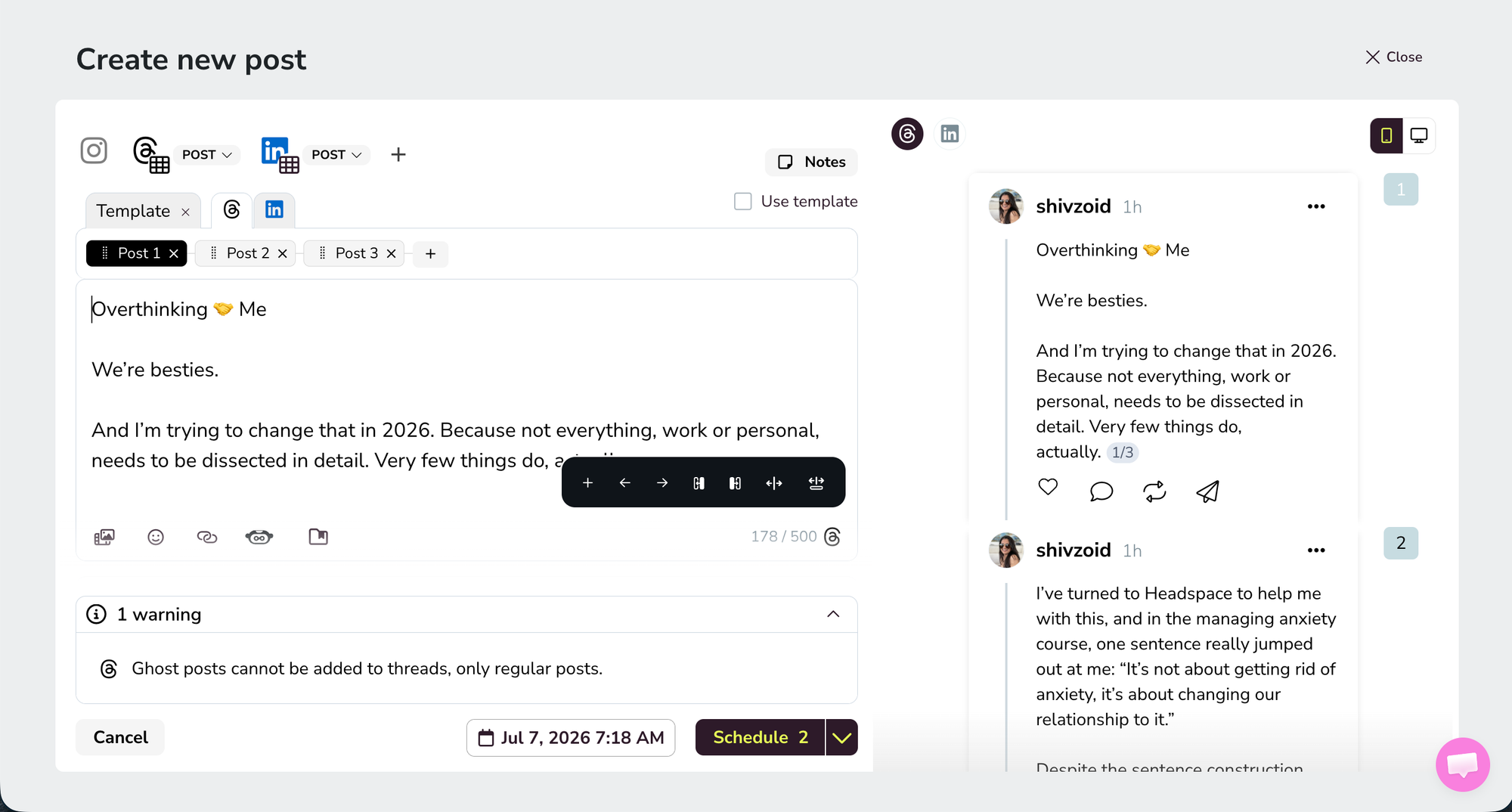
The core function of any social media management tool is content scheduling and publishing, and here, Buffer and Metricool offer distinct experiences tailored to different workflow preferences. Buffer’s scheduling interface is celebrated for its intentional simplicity, designed to minimize friction in the content creation process. Users can compose a post, select target channels, customize content per platform, and either schedule it for a specific time or add it to a predefined queue. This queue-based system, often lauded by users, automatically publishes content at the next available time slot, which can be configured with "posting slots" or even "recommended times" based on Buffer’s data science, optimizing for maximum engagement. This "set it and forget it" approach significantly reduces daily operational overhead, making it ideal for individuals and teams prioritizing consistent output without constant manual intervention. Furthermore, Buffer supports bulk uploading via CSV, seamlessly integrating multiple posts into the queue.
Metricool’s planner offers a more hands-on, calendar-centric approach. While it also allows for multi-platform post composition and customization, it lacks Buffer’s automated queue system for individual posts. Users typically click directly on the calendar to open the composer and schedule posts for specific times. The calendar view incorporates a heatmap, indicating optimal posting times, and allows for drag-and-drop rescheduling. A standout feature of Metricool is its "autolists," which enable automated content looping at chosen times. This is particularly beneficial for recycling evergreen content, syndicating posts from an RSS feed, or managing recurring promotional campaigns. While Buffer excels at maintaining a steady flow of fresh content with minimal oversight, Metricool’s autolists provide a robust solution for content recycling and feed-based syndication, appealing to users with a significant library of evergreen material or those managing content-heavy blogs and YouTube channels.
Unlocking Insights: Analytics, Reporting, and Competitive Intelligence
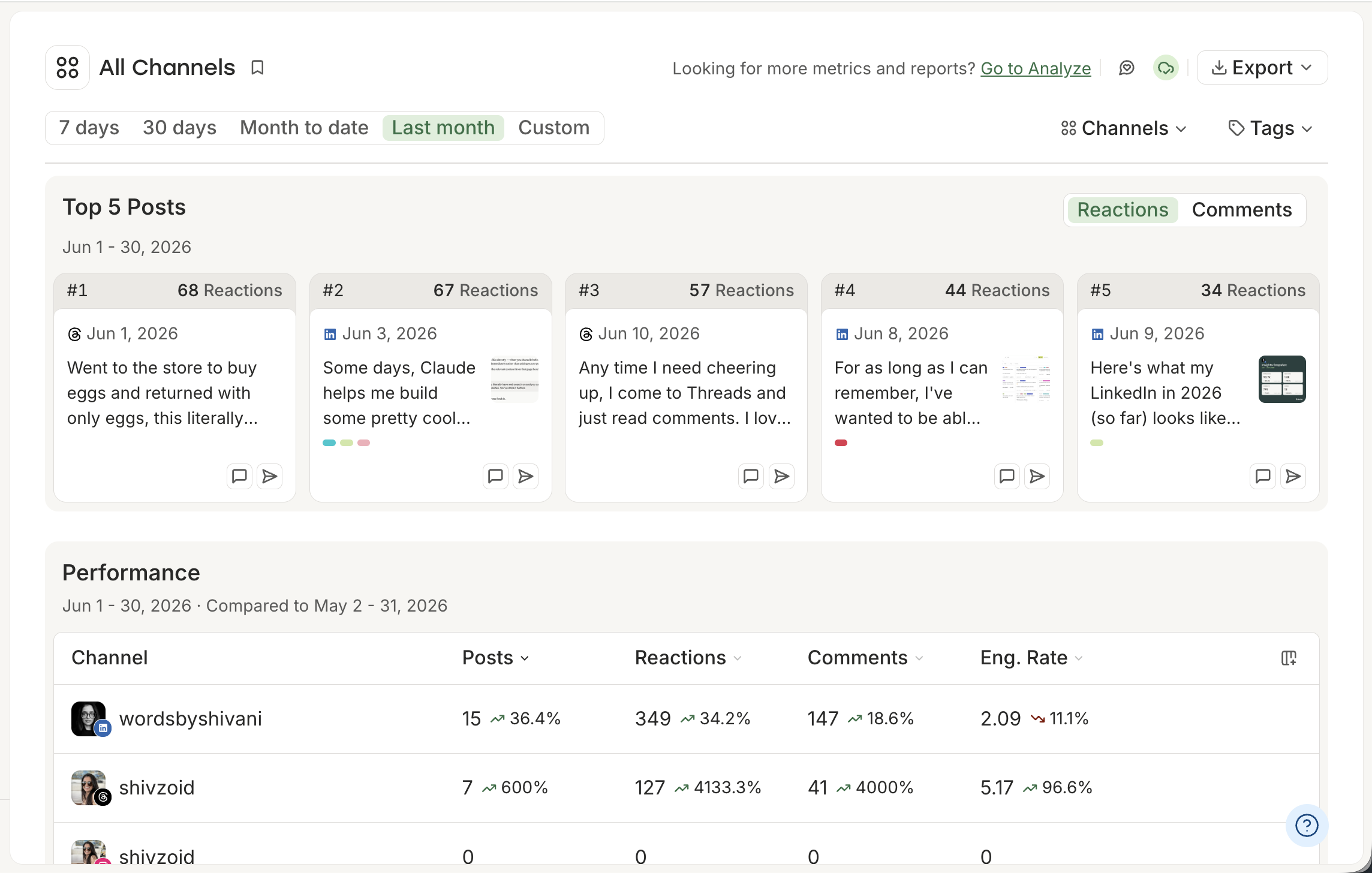
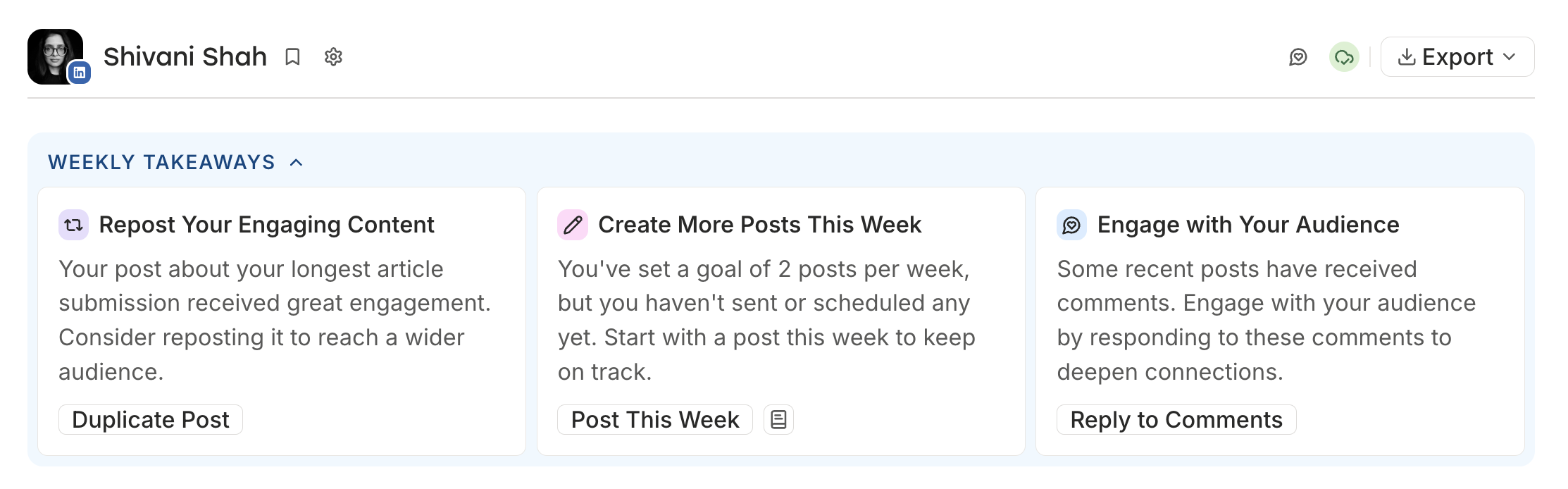
The ability to analyze performance data and derive actionable insights is critical for refining social media strategies. Buffer and Metricool approach analytics with different philosophies, catering to distinct user needs. Buffer’s "Insights" are designed for clarity and actionability. Beyond presenting standard post, channel, and follower analytics, Buffer leverages its AI Assistant to provide "AI-powered takeaways." These insights go beyond raw numbers, offering specific suggestions such as repurposing high-performing content, experimenting with new formats, or increasing audience engagement. This interpretive layer significantly aids creators and small businesses who need quick, digestible advice to inform their next content decisions. Available on all plans, Insights allows for flexible time-range comparisons (e.g., against the previous period or year) and supports PDF, Markdown, and CSV exports for client reports or further analysis using external LLMs.
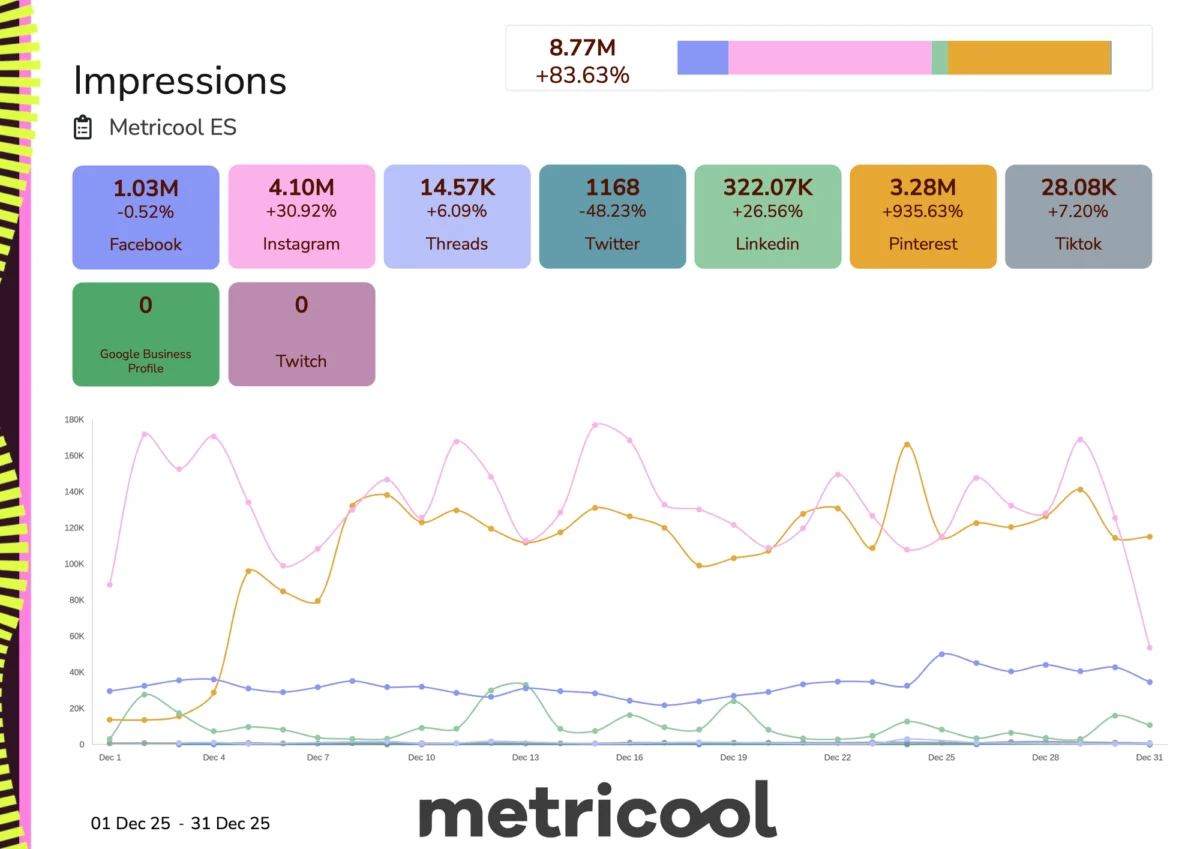
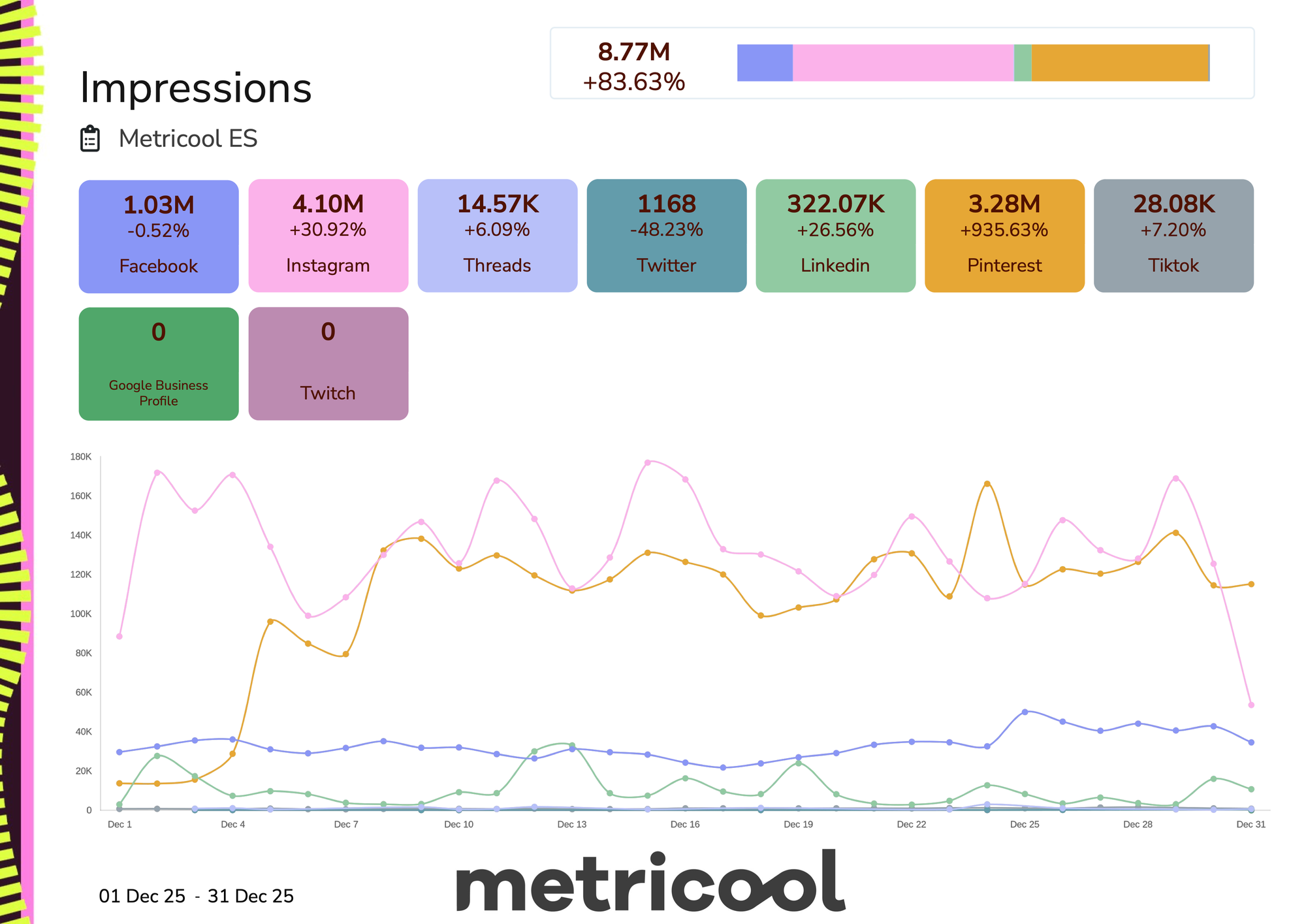
Metricool, on the other hand, distinguishes itself with its profound depth in reporting, particularly beneficial for data-led marketers and agencies. It offers granular, platform-by-platform breakdowns, a highly customizable report builder, detailed post-level data, and audience demographics across all connected channels. Crucially, Metricool can integrate website analytics, allowing users to track how social media efforts drive web traffic. Paid plans unlock advanced customization for reports, enabling PDF or PowerPoint exports, scheduled monthly email reports to multiple recipients, and personalized messages—features invaluable for client-facing agencies. Metricool’s "Metricool Studio" utilizes AI to generate advanced reports for brand metrics, comparisons, and period-over-period analysis, with unlimited advanced reports available as a paid add-on. Its direct connection to Google’s Data Studio further empowers users to build bespoke dashboards.
A significant advantage Metricool holds is its built-in competitor tracking feature. While Buffer intentionally focuses on internal content performance, Metricool allows users to monitor up to 100 competitor profiles on paid plans (five on the free plan, though uneditable). This feature, covering platforms like Instagram, Facebook, Threads, Bluesky, Twitch, YouTube, and X/Twitter (on paid plans), provides metrics such as followers, replies, likes, reposts, and views. This competitive intelligence is a powerful tool for benchmarking performance, identifying industry trends, and informing strategic adjustments, making Metricool an indispensable asset for agencies and marketers operating in highly competitive niches.
Fostering Community: Inbox and Engagement Capabilities
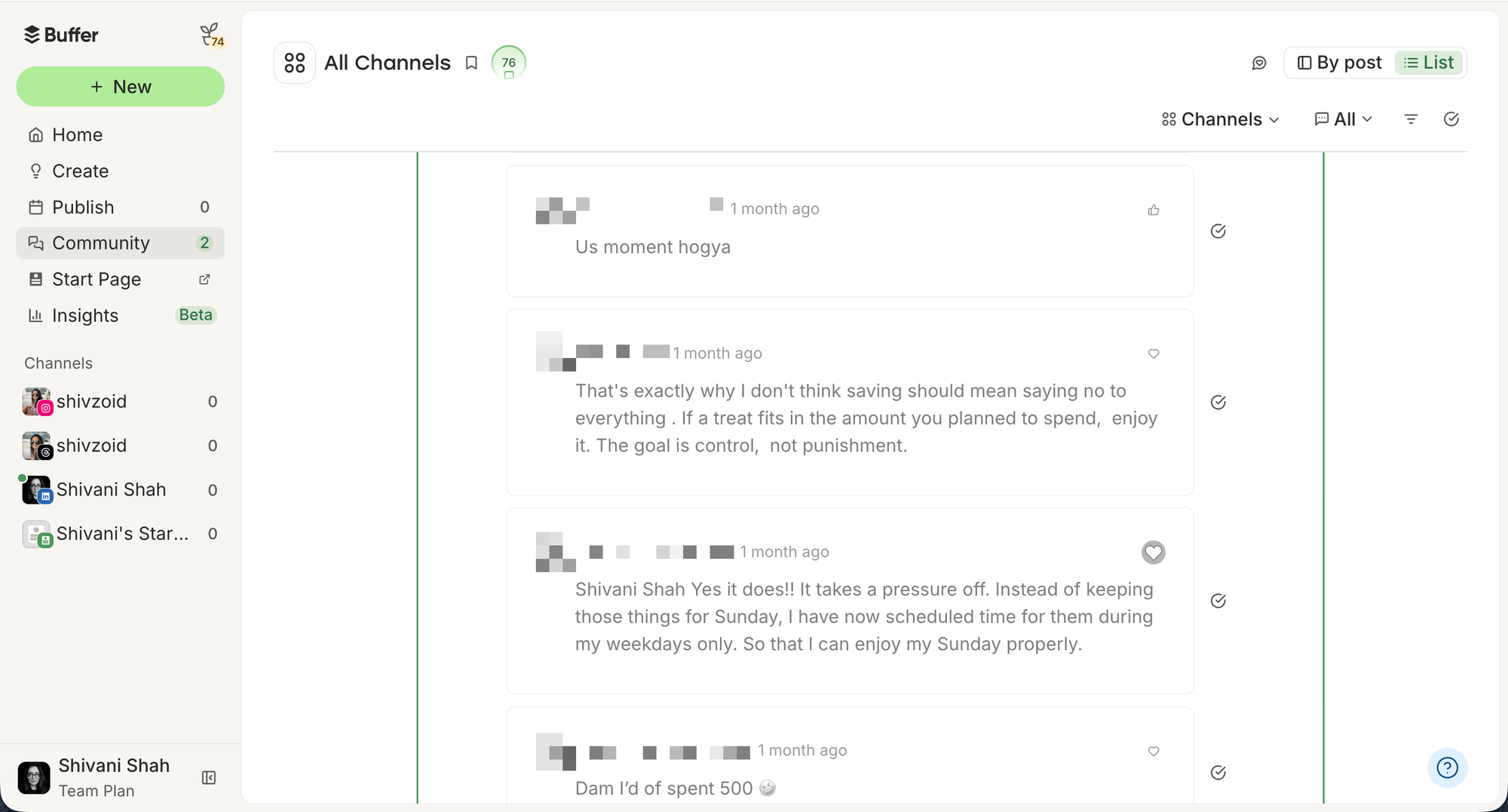
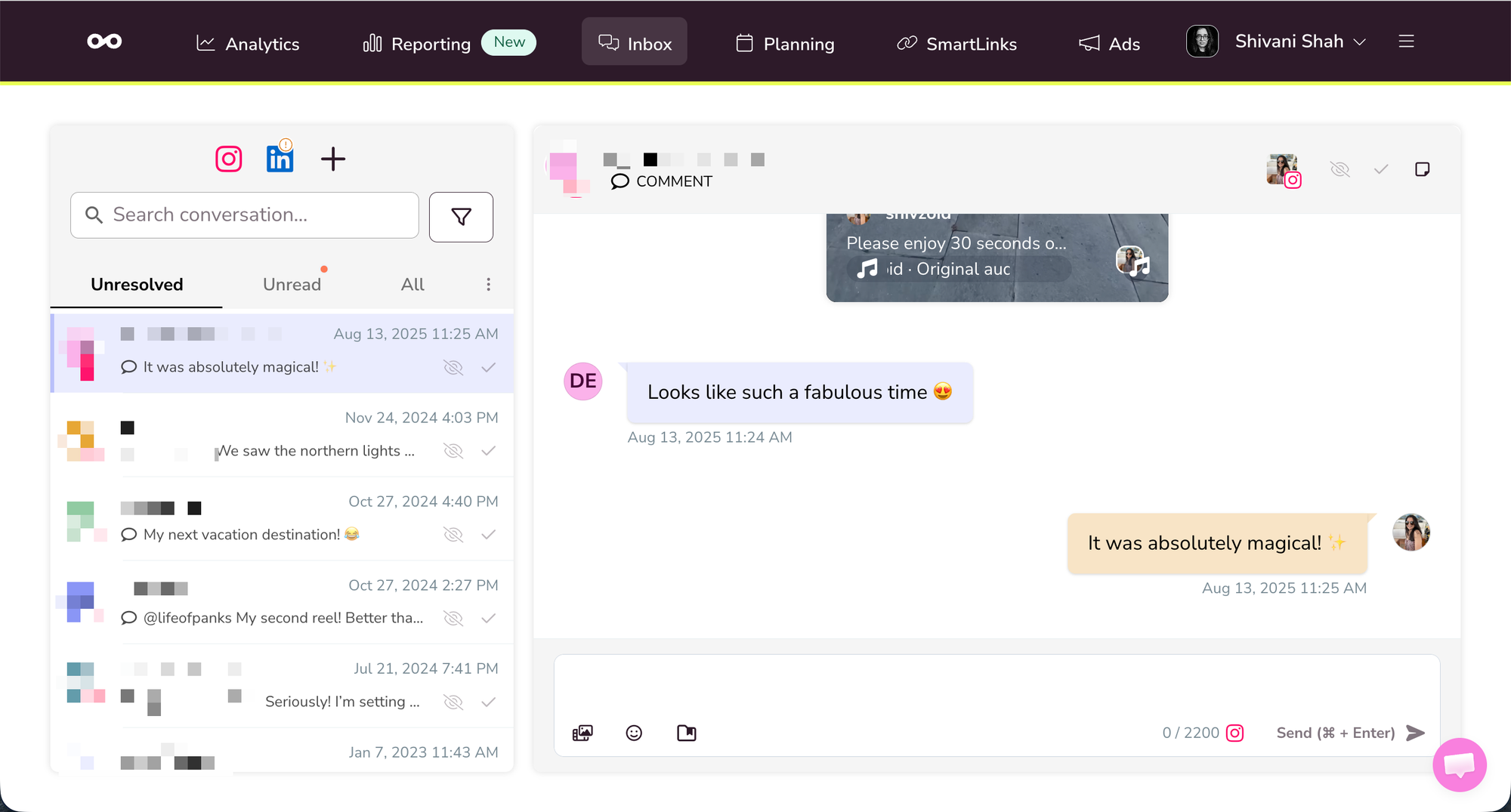
Effective audience engagement is a cornerstone of successful social media strategy. Both Buffer and Metricool provide unified inboxes to manage interactions, albeit with differing scopes. Buffer’s "Community Inbox" is comprehensive in its platform coverage for comments and mentions. It supports Facebook Pages, Threads, Bluesky, LinkedIn profiles and pages, X/Twitter, Instagram professional accounts, Google Business Profiles, TikTok, YouTube, and Mastodon. This broad reach ensures that users can centralize comment management across almost all their active social channels. Buffer enhances this with an AI assistant for suggested replies, saved replies for FAQs, and a "Comment Score" to incentivize timely responses—all contributing to efficient community management.
Metricool’s engagement inbox focuses on a narrower set of platforms for comments (Facebook Pages, Instagram professional accounts, LinkedIn Pages, X/Twitter, and Google Business Profiles), notably excluding LinkedIn personal profiles. However, Metricool offers a crucial differentiator: direct message (DM) support for Facebook, Instagram, and X. For businesses that rely heavily on direct communication for customer service, sales, or lead generation through these platforms, Metricool’s DM integration provides a significant advantage that Buffer currently does not offer. The choice here hinges on the primary mode of engagement: broad public comment management across diverse platforms (Buffer) versus comprehensive comment and DM management on key platforms (Metricool).
The AI Frontier: Integration and Utility
Artificial intelligence has become a pivotal differentiator in social media management tools, enhancing efficiency and creativity. Buffer and Metricool implement AI with distinct approaches to availability and functionality. Buffer’s AI Assistant is a central component of its offering, available without any usage caps on every plan, including the free tier. This unlimited access allows users to freely generate post ideas, draft content, repurpose material for different platforms, create alt text, and brainstorm hooks. The AI is also integrated into the Community inbox for suggested replies and into Insights for tailored performance suggestions, making it an integral part of the daily workflow. This pervasive, unlimited AI access positions Buffer as a strong choice for users who wish to heavily leverage AI for content creation and optimization without worrying about credit limitations.
Metricool’s AI text generator covers similar ground—post ideas, captions, hashtag suggestions—but operates under usage caps. The free plan offers five monthly AI credits, while the Advanced plan provides 35 credits per brand per month. For users who frequently rely on AI for drafting, these limits can be quickly exhausted. However, Metricool introduces a powerful feature: brand voice configuration. Users can set custom instructions for each brand and even tailor the voice for individual platforms within that brand. This capability ensures platform-specific tonality while maintaining overall brand consistency, a significant time-saver for agencies and marketers managing multiple distinct brand identities. Metricool also offers AI-generated reports through Metricool Studio, a feature currently available without extra cost on paid plans but slated to become a paid add-on. The differing AI models highlight a trade-off: unlimited, broadly integrated AI (Buffer) versus a more controlled, brand-specific AI with usage caps (Metricool).
Beyond the Dashboard: API, MCP, and Platform Coverage
For users with specific technical requirements or unique workflow integrations, API access and Multi-Channel Publishing (MCP) capabilities are crucial. Buffer provides API access on all its plans, including the free tier. This open approach empowers users to build custom workflows, integrate Buffer with other tools in their ecosystem, or create bespoke content engines, as demonstrated by several users who have leveraged the API for advanced automation. Buffer’s MCP further connects with popular AI tools like Claude, ChatGPT, and Perplexity, allowing users to brainstorm, draft, and schedule posts without leaving their preferred AI environment.
Metricool also offers an MCP on all plans, with usage counting towards plan limits. However, its API is restricted to Advanced and Custom plans, covering metrics access, export, scheduling, and publishing automation. This tiered access means that deeper technical integrations are reserved for higher-tier users.
In terms of supported platforms, both tools offer broad coverage. Buffer supports 11 platforms, including Instagram (personal, creator, and business profiles), Facebook, LinkedIn, X/Twitter, TikTok, YouTube (Shorts only), Pinterest, Google Business Profile, Threads, Bluesky, and Mastodon. Buffer has a track record of early adoption for newer platforms like Mastodon and Bluesky, appealing to users on the cutting edge of social media. Metricool also supports 11 platforms, including Instagram (business and creator profiles only), Facebook, LinkedIn (paid plans only), X/Twitter (paid add-on), TikTok, Threads, Bluesky, YouTube, Pinterest, Google Business Profile, and Twitch. Metricool’s inclusion of Twitch caters to streamers and gaming-related content creators, while its native ad management for Meta, TikTok, and Google Ads provides a centralized hub for both organic and paid social strategies—a feature absent in Buffer.
Ease of Use and User Experience
The initial user experience often dictates long-term adoption. Buffer is designed for rapid onboarding and intuitive navigation. Its interface is clean, uncluttered, and focuses on core publishing and engagement functions. New users can connect channels, set a schedule, and begin creating content almost immediately, minimizing the learning curve. This simplicity ensures that time is spent on content creation rather than mastering complex software.
Metricool, by contrast, presents a denser interface, a reflection of its broader feature set, which includes detailed reporting, competitor tracking, and ad management. While comprehensive, this density requires a longer orientation period. Users genuinely needing this depth will find the learning investment worthwhile, as it consolidates numerous functions. However, for those seeking a more straightforward tool, Metricool’s extensive features might feel overwhelming or extraneous.
Strategic Implications and Recommendations
The choice between Buffer and Metricool ultimately hinges on an organization’s specific workflow, strategic priorities, and scale of operations.
-
For Independent Creators and Solopreneurs: Buffer emerges as the stronger recommendation. Its truly free plan, unlimited AI Assistant, and accessible per-channel pricing (e.g., $24/month for four channels) provide unparalleled value. The simple, queue-based scheduling and AI-powered insights are ideal for maintaining a consistent presence without excessive overhead. Metricool’s free plan limitations (20 posts, no LinkedIn/X) and higher starting price point ($35/month for a comparable four-channel setup) make it less attractive for this segment.
-
For Small Businesses and Growing Teams: Buffer typically offers a more streamlined and cost-effective solution. Its Team plan ($12 per channel per month) includes unlimited users, approval workflows, and custom permissions, scaling naturally with team size and channel count. A five-person team managing eight channels would pay $96 per month. While Metricool’s Advanced plan ($67/month plus add-ons) offers team features, its AI credit caps can be a constraint for teams heavily reliant on AI drafting. However, if competitor tracking or highly detailed client reports are non-negotiable, Metricool’s specialized features may justify the investment.
-
For Marketing Agencies and Data-Led Marketers: This is where Metricool shines. Its robust competitor tracking, customizable PDF/PowerPoint reports, AI-generated reports, and per-brand pricing model are purpose-built for agency workflows managing multiple client brands. The ability to track competitive benchmarks and deliver comprehensive reports positions Metricool as a powerful analytical hub. Buffer, while excellent for content creation and scheduling, does not offer the same depth in competitive intelligence or highly customizable client-facing reports, making it a better fit for agencies focused primarily on content production and distribution with a low-overhead tool.
Conclusion: A Choice Rooted in Purpose
Buffer and Metricool represent two distinct but equally valid approaches to social media management. Buffer prioritizes simplicity, intuitive scheduling, and accessible, unlimited AI integration, making it an ideal choice for creators, solopreneurs, and small businesses seeking an efficient content publishing and community engagement solution. Its transparent, scalable pricing and commitment to core functionality ensure a smooth, low-friction experience.
Metricool, conversely, caters to the data-intensive demands of marketing agencies and data-led marketers. Its strengths lie in deep analytics, custom reporting, competitor tracking, and native ad management, providing a comprehensive platform for strategic analysis and client presentations. While its interface is denser and its AI features are credit-capped, its specialized capabilities offer significant value for those whose work revolves around granular data and competitive intelligence.
The most pragmatic approach for any prospective user remains hands-on evaluation. Both platforms offer free options, allowing individuals and teams to experience their respective interfaces and functionalities firsthand. By actively using each tool in a real-world scenario, the platform that best aligns with an individual’s or organization’s unique workflow and strategic objectives will quickly become apparent, ensuring an optimized and effective social media management strategy.
Frequently Asked Questions
Can I switch from Metricool to Buffer?
Yes, transitioning from Metricool to Buffer is straightforward. Buffer’s setup is quick, involving connecting your channels and establishing a posting schedule. While there isn’t an automated migration tool for scheduled posts, new content can be scheduled in Buffer immediately. Buffer’s free plan allows for indefinite testing without credit card requirements or trial periods.
Does Metricool have a free plan?
Metricool offers a free plan, but it comes with notable limitations. It supports one brand with a maximum of 20 published posts per month and excludes LinkedIn and X/Twitter connectivity. This plan is primarily designed for product testing rather than extensive, ongoing use. Buffer’s free plan, in contrast, includes three channels, 10 refillable posts per channel, unlimited AI Assistant access, and API integration.
Does Buffer have competitor tracking?
No, Buffer does not offer competitor tracking at any subscription tier. Its focus is on internal content creation, scheduling, and performance analysis. If competitor tracking is a critical feature for your strategy, Metricool is the superior option, allowing you to monitor up to 100 competitor profiles across major platforms with detailed engagement and frequency reporting.
Which has better analytics, Buffer or Metricool?
The definition of "better" analytics depends on specific needs. Metricool provides deeper, more granular analytics with custom report builders, platform-specific metrics, and competitor benchmarking, making it ideal for detailed stakeholder reports and data-driven strategies. Buffer’s analytics also cover post performance, follower growth, and channel data but are enhanced with AI-powered takeaways that offer specific, actionable suggestions for content optimization. For quick, day-to-day content decisions, Buffer’s insights are faster to interpret, while Metricool excels in comprehensive, customizable reporting for client or executive presentations.
Is Metricool’s AI Assistant unlimited?
No, Metricool’s AI text generator is subject to usage caps. The free plan offers five monthly AI credits, and the Advanced plan provides 35 credits per brand per month. Buffer’s AI Assistant, conversely, offers unlimited usage across all its plans, including the free tier.
Is Buffer good for agencies?
Buffer’s Team plan ($12 per channel per month) is well-suited for agencies primarily focused on content creation and scheduling for clients. It includes unlimited users, approval workflows, and custom permissions, facilitating scalable team operations. However, for agencies that prioritize competitor tracking, deep analytics, and detailed client reporting to inform strategy, Metricool’s agency-focused plans are specifically designed to meet those advanced workflow requirements.