For content creators and businesses navigating the dynamic landscape of TikTok, understanding optimal posting times is not merely an advantage but a strategic imperative. While the platform continuously entertains, maximizing the reach and impact of carefully crafted content demands a scientific approach, moving beyond mere guesswork. A comprehensive analysis conducted by Buffer, examining over 7.1 million videos, carousels, photos, and text posts, has unveiled distinct patterns in user engagement, offering invaluable insights for those aiming to amplify their presence on the immensely popular short-form video application.
The Algorithmic Imperative: Why Timing is Critical
The efficacy of a TikTok post is intrinsically linked to the platform’s sophisticated algorithm. Unlike passive consumption platforms, TikTok thrives on immediate user interaction. When a new piece of content is published, the algorithm initially presents it to a small, targeted audience. The subsequent interactions—or lack thereof—such as watches, likes, shares, comments, and even skips, serve as crucial signals. High initial engagement prompts the algorithm to interpret the content as valuable and relevant, consequently pushing it to a broader audience via the coveted For You Page (FYP). Conversely, poor early engagement often limits a video’s distribution, curtailing its potential reach.
Posting content when the target audience is most active significantly enhances the likelihood of securing this vital early engagement boost. This is particularly true for short-form video, which typically demands more focused attention than text-based feeds. Users are more inclined to dedicate this attention during specific windows, such as lunch breaks, commutes, or evening relaxation. Therefore, while content quality remains paramount, strategic timing acts as a critical accelerant, providing content with the best possible starting position in the algorithmic race. The Buffer study, encompassing a vast dataset, aimed to demystify these timing patterns, offering a robust foundation for creators and marketers.
Key Findings: Unpacking the Engagement Peaks
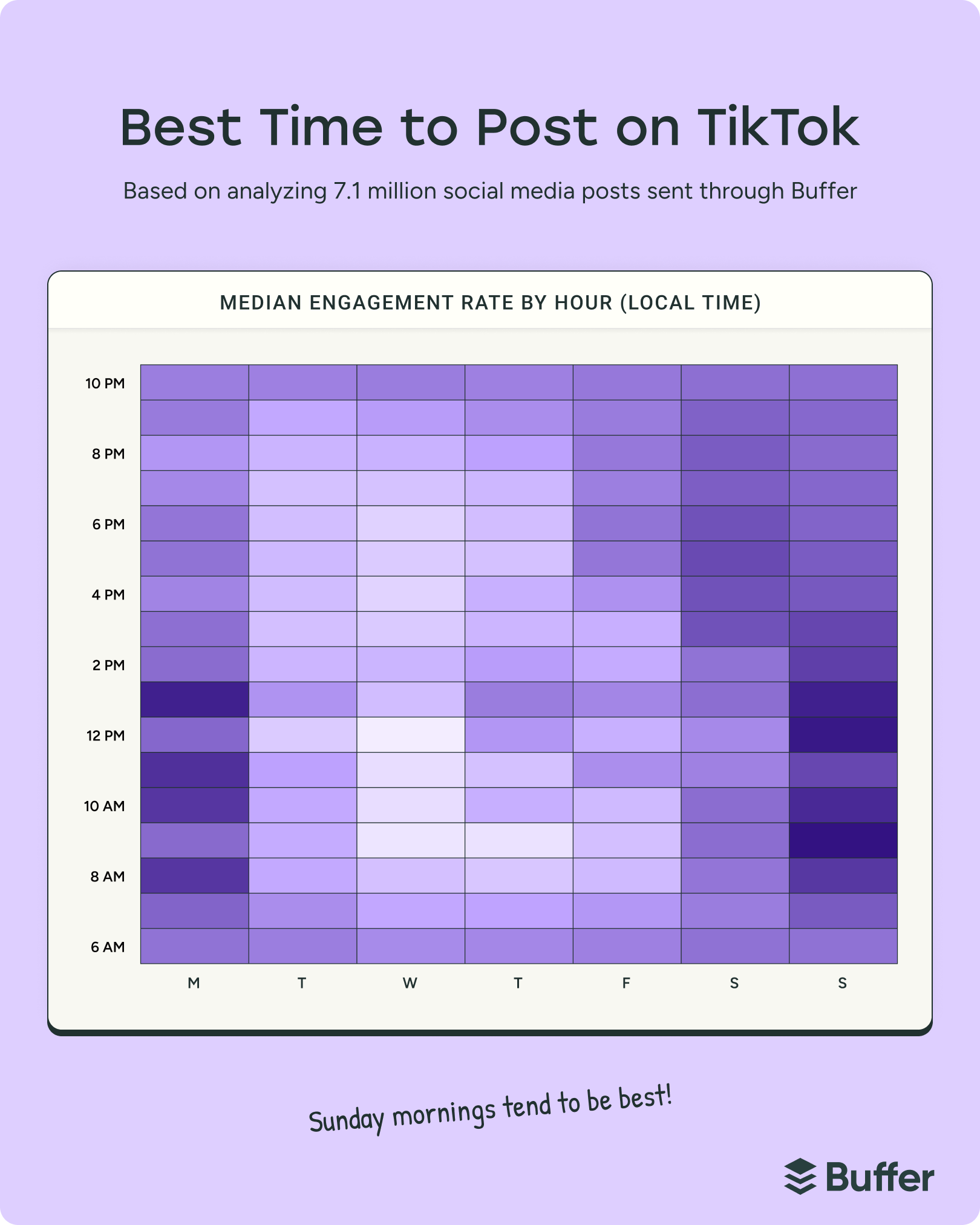
Buffer’s extensive analysis for 2026 reveals clear standout times for TikTok engagement. The data pinpoints Sunday at 9 a.m. as the single most effective time to post, followed closely by Monday at 1 p.m. and Sunday at 1 p.m. These periods consistently demonstrated the highest median engagement rates across various content formats.
A broader trend indicates that engagement generally escalates during evening hours, with peak performance observed between 6 p.m. and 11 p.m. Conversely, afternoons, specifically from 12 p.m. to 5 p.m. on most weekdays, tend to experience lower engagement, with some exceptions around the traditional lunch break. This pattern aligns logically with typical user behavior, as individuals are more likely to engage with immersive video content during leisure time rather than during demanding work or school hours. The analysis, which meticulously normalized timezones for universal applicability, provides a generalized framework for optimizing posting schedules.
A Day-by-Day Breakdown of Optimal Posting Windows
To provide a more granular understanding, the study delineates the best primary and secondary posting times for each day of the week, offering actionable insights for scheduling content:
- Monday: The most opportune time to post is 1 p.m., with secondary peaks at 11 a.m. and 8 a.m. Monday stands out as one of the strongest weekdays for engagement, making it a valuable alternative if weekend posting isn’t feasible.
- Tuesday: 6 a.m. emerges as the primary best time, followed by 10 p.m. and 7 a.m. This early morning window suggests that many users engage with TikTok as they begin their day.
- Wednesday: While generally a quieter day for engagement, the best time to post is 10 p.m., with 6 a.m. and 9 p.m. also showing decent performance. For selective posting, other days might yield stronger results.
- Thursday: 1 p.m. is the top slot, with 10 p.m. and 6 a.m. as secondary options. Similar to Wednesday, Thursday typically exhibits lower overall engagement.
- Friday: The prime time to publish content is 6 p.m., followed by strong engagement at 10 p.m. and 8 p.m., aligning with the start of the weekend unwinding.
- Saturday: This day consistently ranks as the strongest overall for TikTok engagement. The optimal time is 5 p.m., with solid performance extending through 4 p.m. and 3 p.m. This afternoon-to-evening window makes Saturday an ideal day for content distribution.
- Sunday: As highlighted, 9 a.m. is the week’s highest-performing time. Other robust slots include 1 p.m. and 12 p.m., emphasizing strong morning and early afternoon weekend activity.
Weekends Reign Supreme: The Best Days for Engagement
Beyond specific hours, the Buffer analysis conclusively identifies Saturday as the best day of the week to post on TikTok. Content shared on Saturdays across all formats tended to achieve the highest engagement rates. Monday secured the second spot, closely followed by Sunday. This trend underscores the significance of leisure time in driving TikTok consumption and interaction.
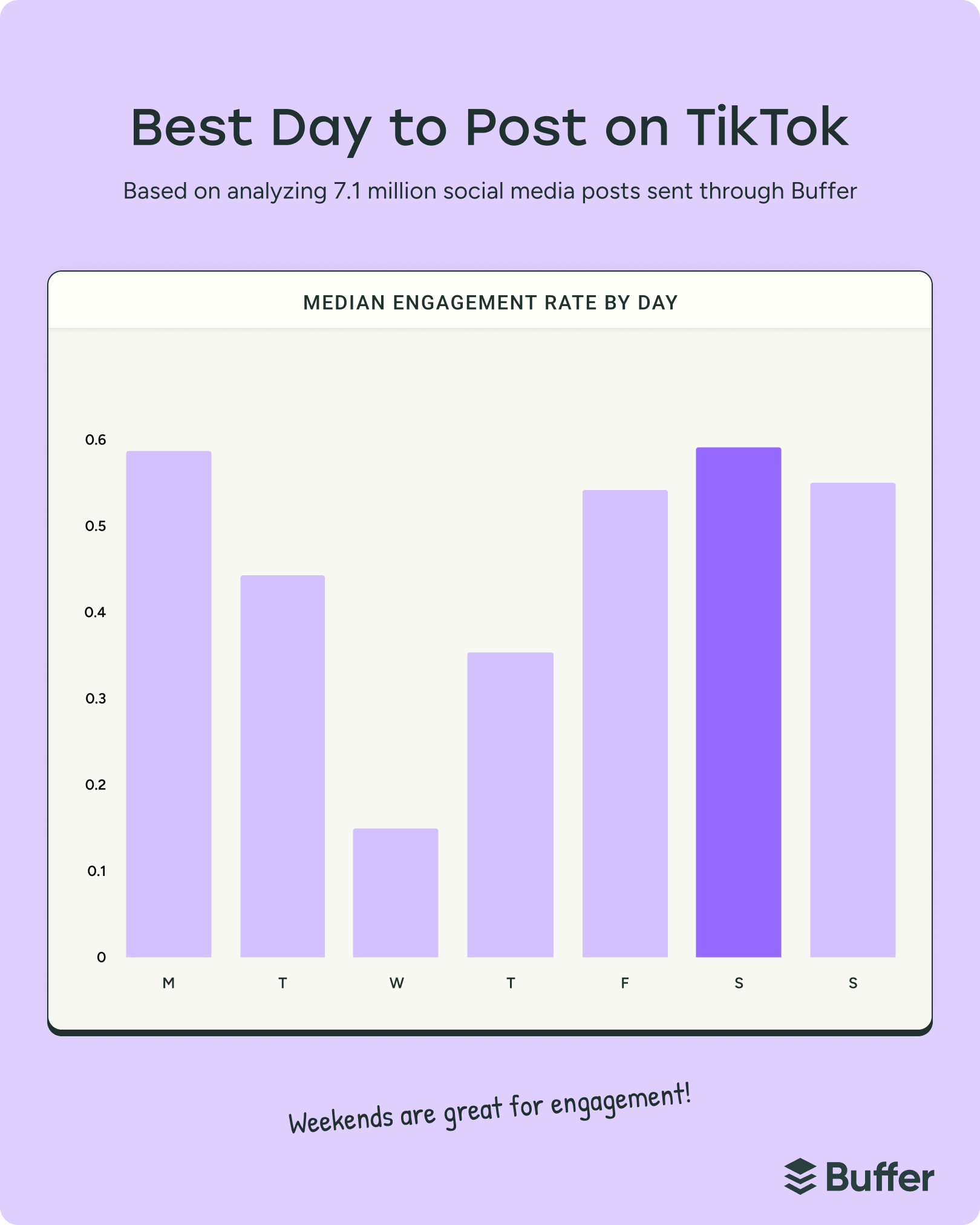
It is important to acknowledge that various studies on TikTok posting times may present differing results, a phenomenon attributable to variations in methodology, sample size, geographical focus, and the specific audiences analyzed. For instance, some analyses might prioritize specific niches or demographics, leading to different peak times. Therefore, while Buffer’s extensive data offers a powerful starting point, creators are always encouraged to cross-reference general findings with their own audience analytics.
Strategic Implications for Content Creators and Businesses
For individual creators, small businesses, and large corporations alike, these data-driven insights carry significant implications for content strategy and resource allocation. By aligning posting schedules with peak engagement windows, creators can:
- Maximize Initial Reach: Increase the probability of content being seen by a larger portion of their existing followers and, crucially, being pushed to new audiences on the FYP.
- Optimize Return on Effort: Given the effort involved in producing high-quality TikTok content, strategic timing ensures that this investment yields the best possible visibility and interaction.
- Enhance Brand Visibility: Consistent posting during optimal times can lead to more consistent views, likes, and shares, which contribute to greater brand recognition and authority on the platform.
- Drive Conversions: For businesses, increased engagement translates to more opportunities for lead generation, website traffic, and direct sales, particularly when calls-to-action are strategically placed within the content.
Beyond Generalities: Personalizing Your TikTok Strategy
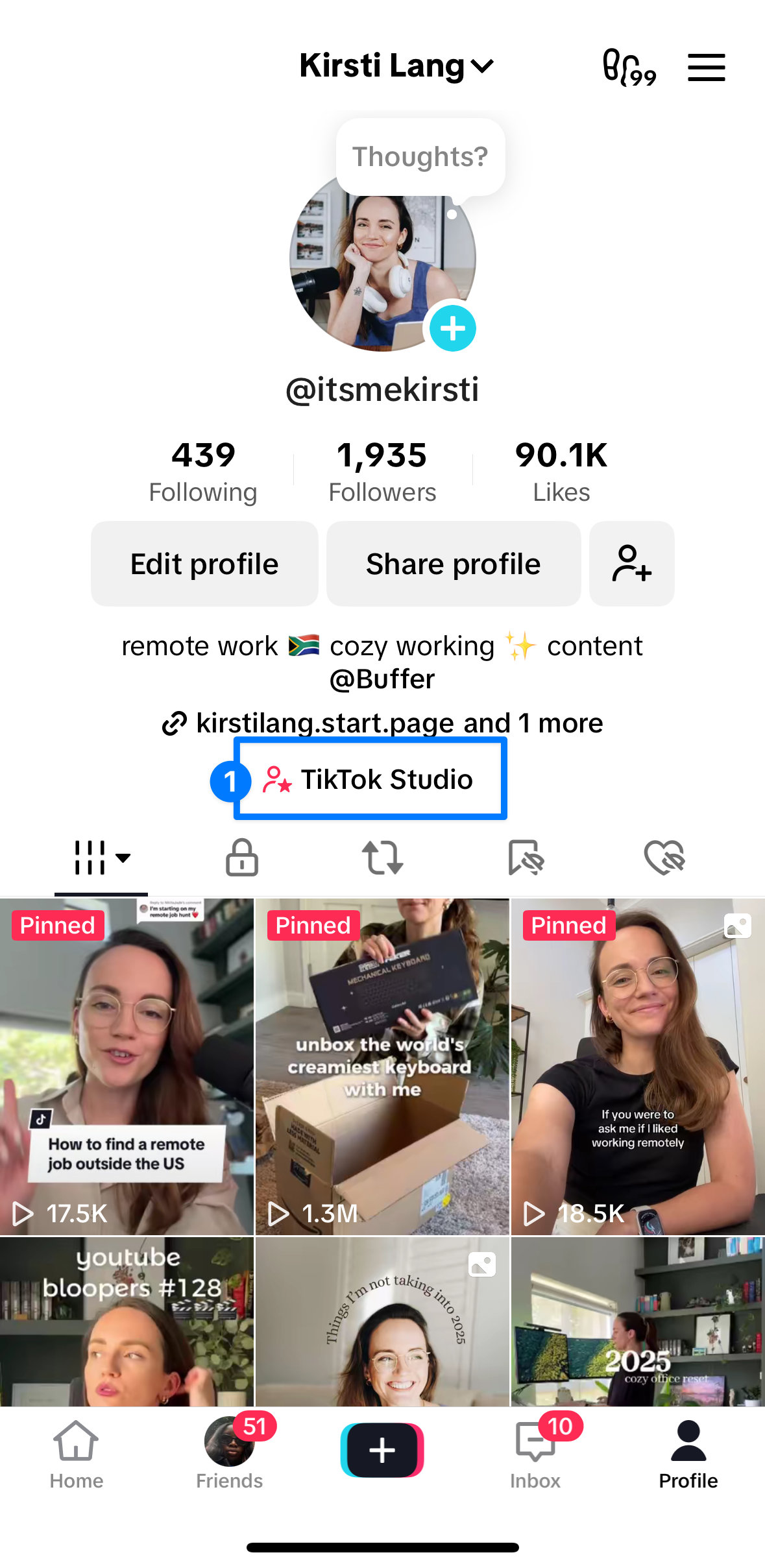
While global data provides an excellent starting point, the ultimate success on TikTok hinges on understanding one’s unique audience. The platform offers robust analytics tools designed to help creators pinpoint their specific optimal times.
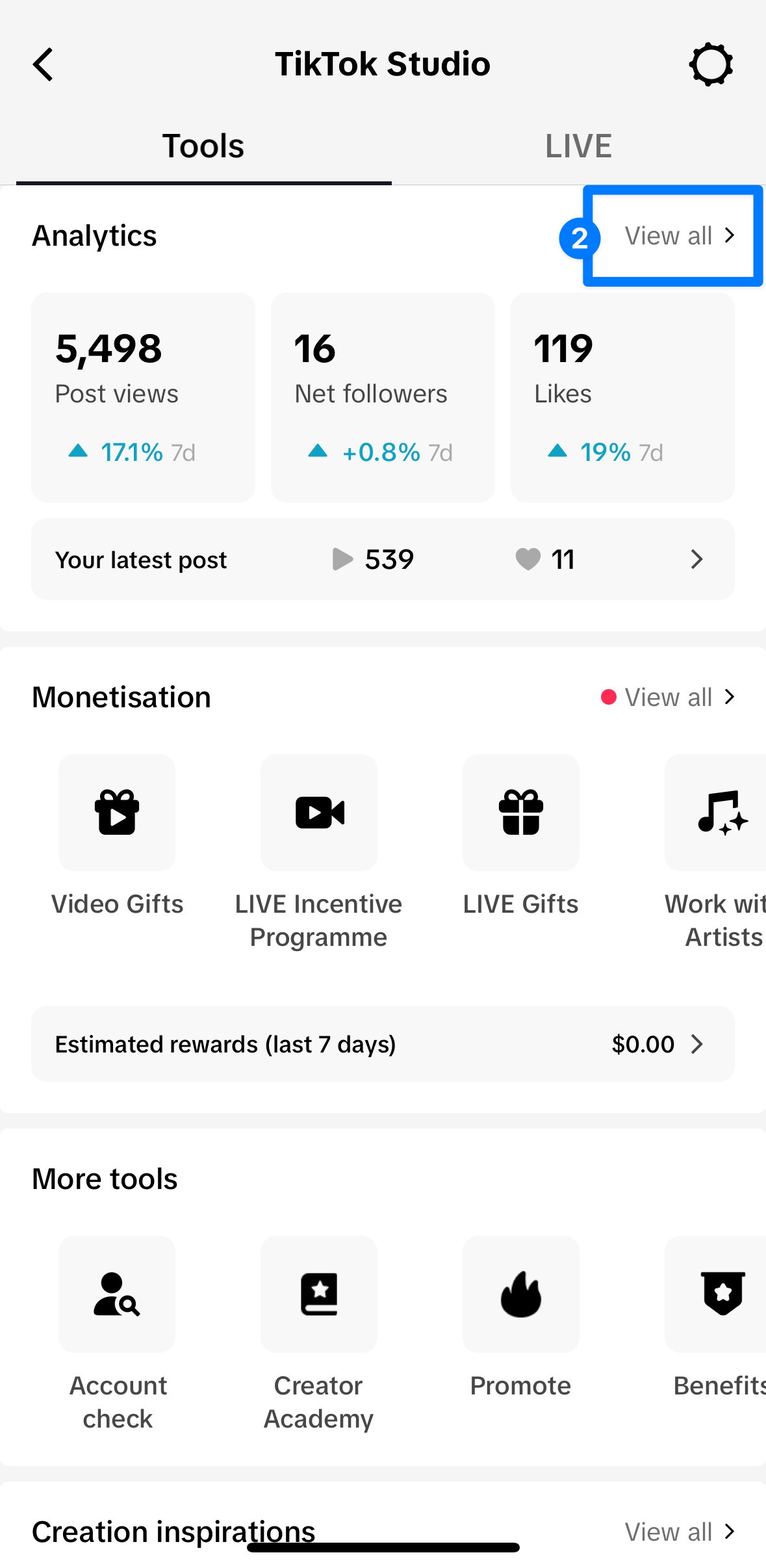
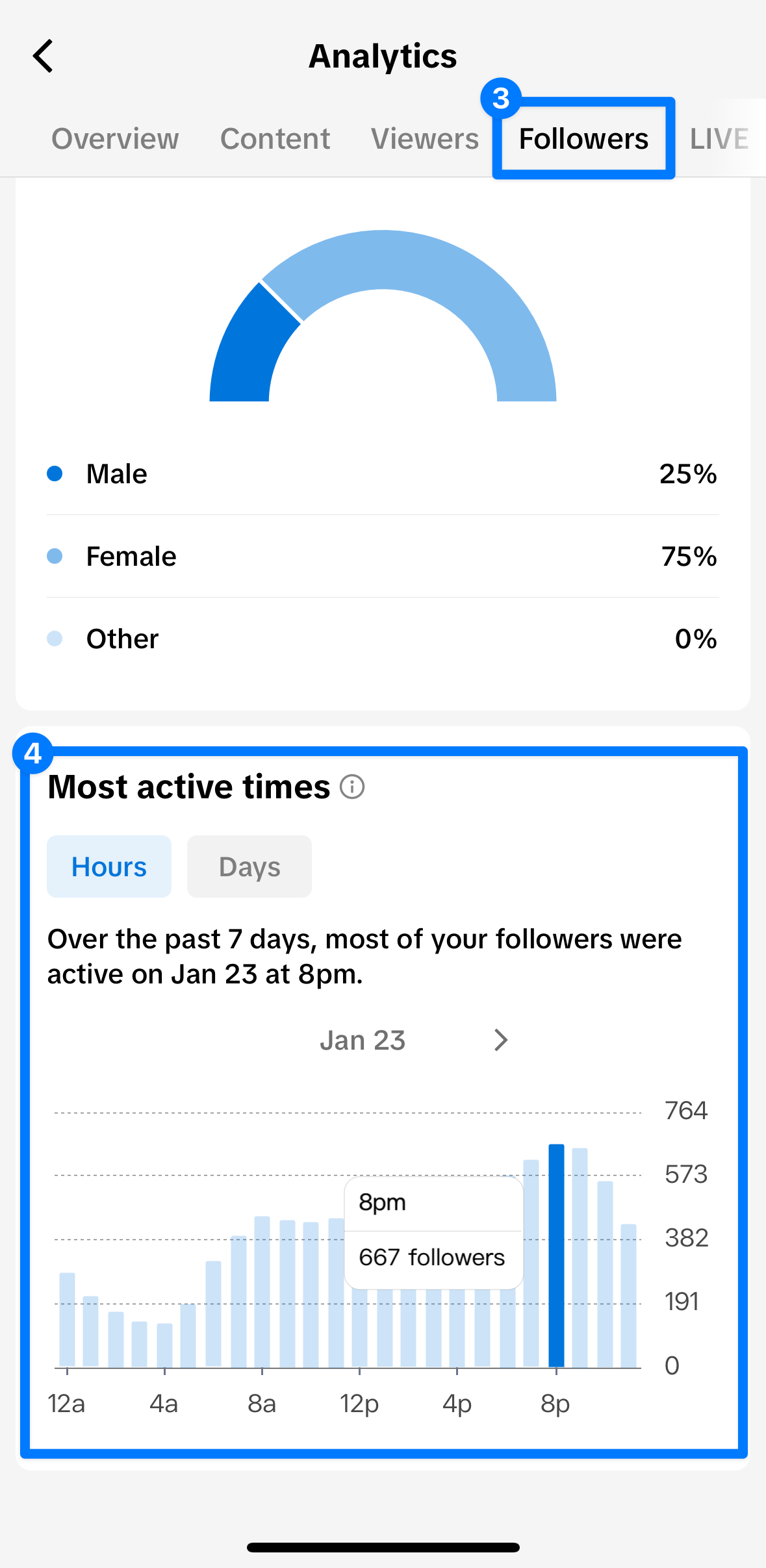
- Leverage TikTok Analytics: Access the "Followers" tab within your TikTok analytics (accessible via a Pro or Business Account) to view a retrospective overview of when your followers were most active over the past week. This direct insight into your audience’s behavior is invaluable.
- Identify Audience Patterns: Systematically note down peak activity times from your analytics over several days. Look for recurring patterns that suggest consistent engagement windows. A useful strategy is to consider posting slightly before these peak times, especially if they align with the general recommendations, to catch users as they come online.
- Develop a Consistent Posting Schedule: A well-structured content calendar significantly reduces the mental overhead of daily content creation and posting. By planning content and scheduling it in advance for identified optimal slots, creators can maintain consistency without last-minute scrambling.
- Embrace Experimentation: The TikTok algorithm and user behaviors are constantly evolving. Creators should not shy away from experimenting with different posting times. Even minor adjustments, such as shifting a post by a few hours, can reveal new engagement patterns. Testing various slots over several weeks allows for a comparative analysis of results. Consider how your specific niche might influence optimal times; educational content might perform better in mornings, while entertainment might thrive in evenings.
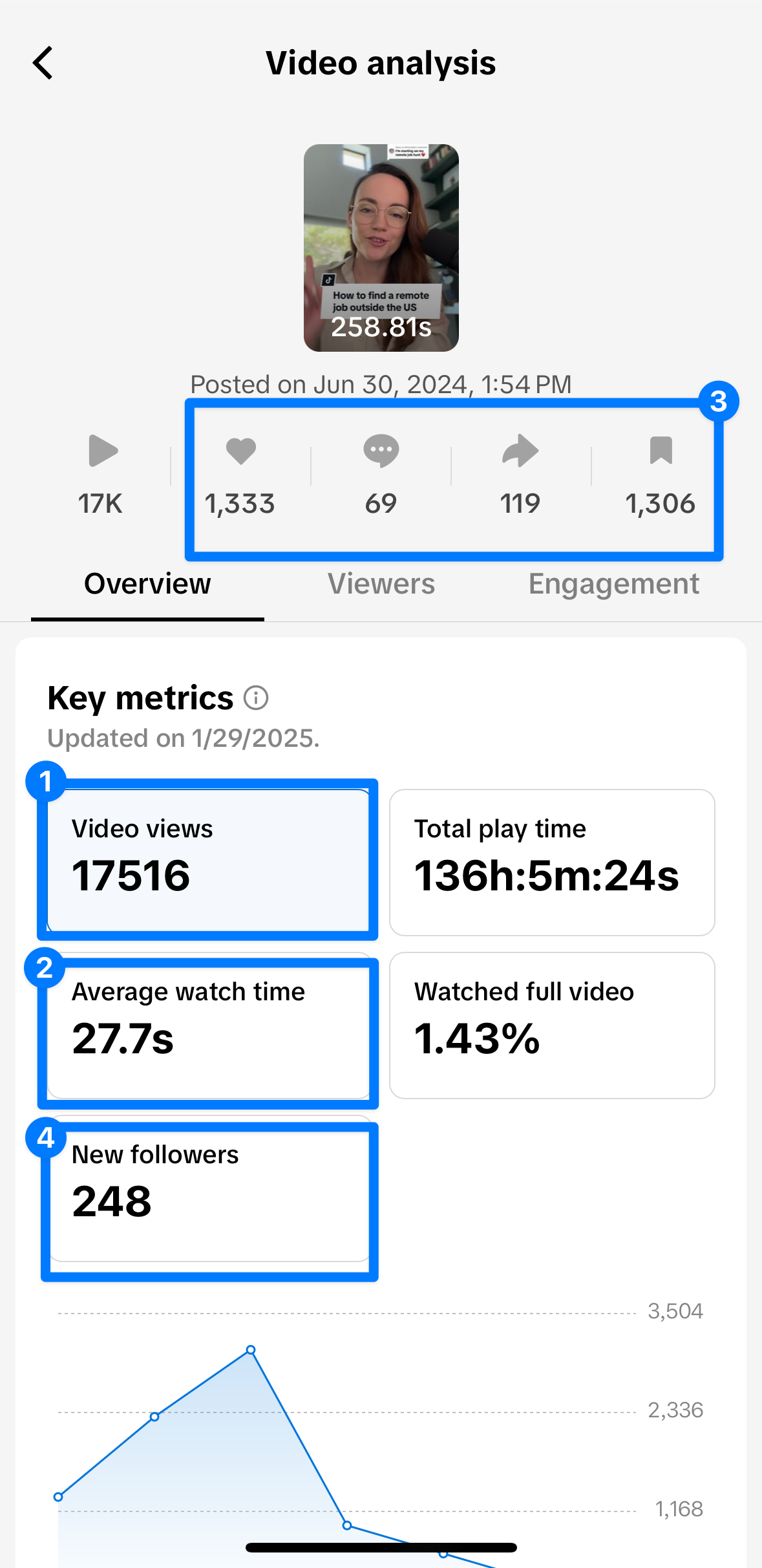
- Analyze Content Performance: After implementing a new schedule, diligently track key metrics for each post. Focus on views, average watch time, total play time, and follower growth. This data provides concrete evidence of which posting times resonate most effectively with your audience.
- Iterate and Adapt: If initial experiments don’t reveal clear patterns, continue posting consistently to gather more data or adjust your content strategy. For successful time slots, integrate them into your routine while continuously testing new times. Regular re-evaluation ensures your strategy remains agile and effective amidst TikTok’s dynamic environment.
The Role of Scheduling Tools and Continuous Optimization
In an era where consistent, timely content delivery is paramount, social media scheduling tools like Buffer offer a distinct advantage. These platforms enable creators to pre-schedule TikTok posts, ensuring content is published precisely during identified peak engagement windows without requiring constant manual oversight. Buffer, for instance, integrates its data-driven recommended posting times directly into its scheduling interface, simplifying the process for users. This functionality is particularly beneficial for managing complex schedules, accommodating different time zones, or maintaining activity during weekends and holidays.
Finding the optimal times to post on TikTok is an ongoing process of data analysis, experimentation, and adaptation. While general trends provide a powerful starting point, the most successful strategies are those that are deeply personalized to a creator’s unique audience and content type. By combining broad data insights with specific audience analytics and leveraging efficient scheduling tools, creators can significantly enhance their content’s visibility, foster stronger community engagement, and ultimately achieve their growth objectives on TikTok.
Frequently Asked Questions (FAQ) Regarding TikTok Posting Times
Is there a definitive "best" time to post on TikTok for everyone?
While general patterns exist, no single "magic" time works universally. Our analysis of 7.1 million posts reveals clear high-engagement periods, but your ideal time depends heavily on your specific target audience’s demographics, location, and daily habits. Furthermore, exceptional content quality will always outweigh suboptimal timing.
Do I need to convert posting times for my specific timezone?
The recommended times presented in this guide are designed to be universally applicable, as the underlying data accounts for global patterns. However, for maximum precision, always cross-reference these general recommendations with your personal TikTok Analytics, which show when your specific followers are most active, regardless of their geographical location.
Is it necessary to post daily at the optimal times?
Consistency is generally more crucial than daily posting. Focus on establishing a sustainable posting schedule that aligns with your audience’s active times and your content production capacity. Prioritize quality and consistent presence over sheer volume.
How can I determine when my specific audience is most active?
Navigate to your TikTok Analytics (requires a Pro or Business account), then select the "Followers" tab. Within this section, you’ll find data illustrating your followers’ "Most active times" over the past week, providing direct insights into their online behavior.
Does posting time matter if my content isn’t generating views?
Timing can provide a boost, but it’s rarely the primary solution for content underperformance. If your videos aren’t gaining traction, first evaluate watch time, which is a critical algorithmic signal for TikTok. If watch time is low, focus on improving your content’s hook, pacing, and overall value proposition. Once content quality is high, optimized timing can significantly amplify its reach.
What is the "three-second rule" on TikTok?
The "three-second rule" is an industry guideline emphasizing the importance of hooking viewers within the first three seconds of a video. Given TikTok’s fast-paced environment and user scrolling habits, capturing immediate attention is crucial to encourage longer watch times, which in turn signals content value to the algorithm.
How long should I test a new posting time before evaluating its effectiveness?
TikTok performance can be variable day-to-day. To identify genuine patterns rather than one-off spikes, it is advisable to test a new posting time consistently for at least a few weeks before drawing conclusions about its effectiveness.
What if my followers are distributed across multiple timezones?
Begin by consulting your TikTok Analytics’ "Followers" tab for "Most active times," as this aggregates follower activity regardless of location. If your audience is significantly spread, identify common overlap windows. For example, an early afternoon post on the US East Coast might align with early evening in the UK. The goal is to maximize the concurrent active audience, even if it’s not perfectly optimal for every single follower. Consistent posting will also help you gather more specific data on what works for your unique global audience.
Can I schedule TikTok posts in advance?
Yes, social media management tools like Buffer allow you to schedule TikTok posts, or set up notification-based posting. This functionality is invaluable for maintaining a consistent presence during optimal times without requiring you to be actively online at the moment of publication.
What time is most likely to lead to a viral TikTok video?
While no specific time guarantees virality, posting during periods of high audience activity can significantly increase the chances of a video gaining early momentum. The highest-performing times in Buffer’s analysis include Sunday at 9 a.m., Monday at 1 p.m., and Saturday between 3 p.m. and 5 p.m. However, it’s crucial to remember that content quality, a strong hook, and high watch time are ultimately more influential factors for virality than timing alone.