
 Ali Ikhwan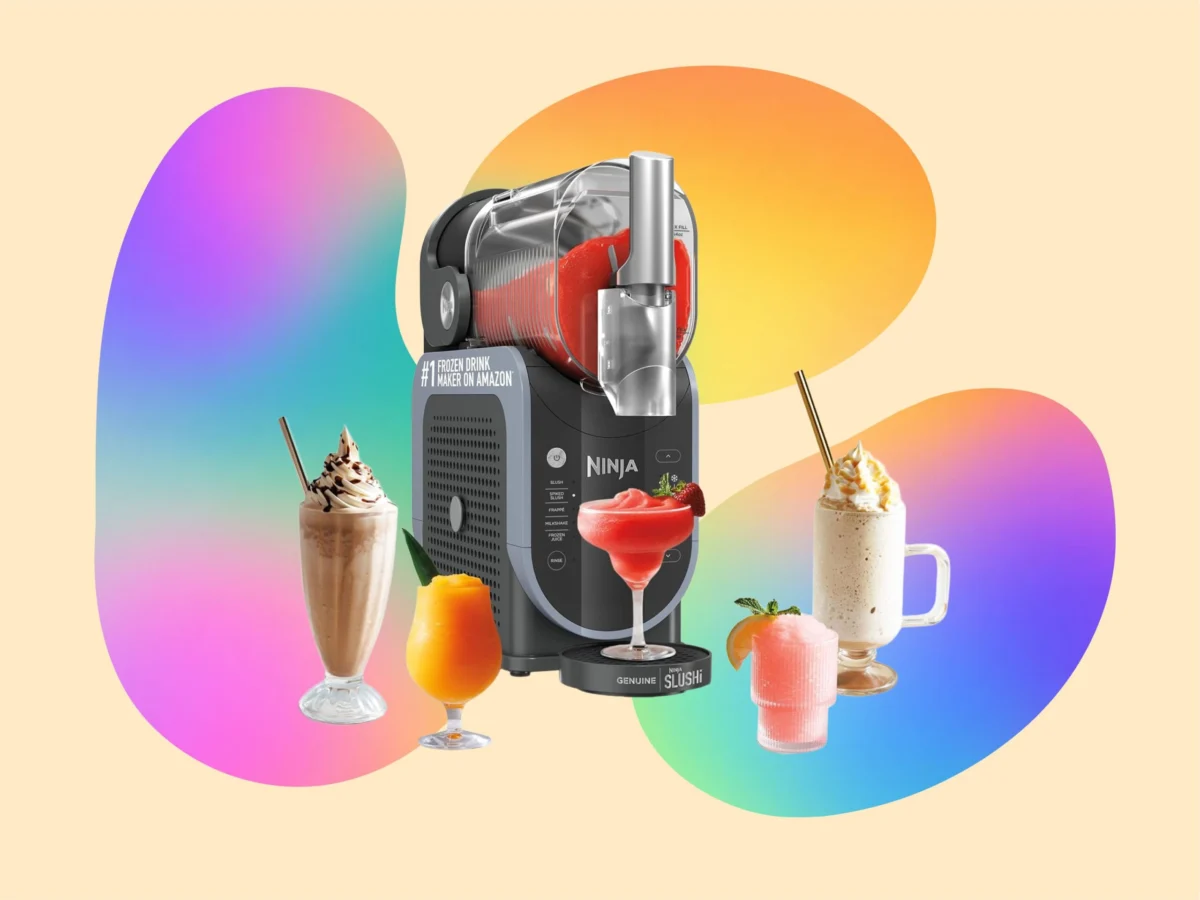
The Ninja Slushi, a flagship appliance in the home frozen beverage category, has reached its lowest price point since its initial release, retail market data confirmed during the onset of the Amazon Prime Day 2026 sales event. Currently listed at $200, the machine represents a significant 40 percent reduction from its standard retail price, which had previously fluctuated between $300 and $350 depending on the retailer. This price adjustment marks a pivotal moment for the small appliance market, as high-performance frozen drink makers move from niche luxury items toward mainstream kitchen staples.
The discount, which is being matched by major retailers including Amazon, Crate & Barrel, and the manufacturer’s own SharkNinja storefront, signals a strategic inventory shift as the brand expands its "RapidChill" technology lineup. Industry analysts suggest that this aggressive pricing strategy is designed to capture the mid-market consumer base while clearing the path for the adoption of more advanced, higher-capacity models released earlier this year.
The Evolution of the Home Frozen Beverage Market
For decades, the consumer market for slushie machines was bifurcated between low-cost novelty toys that relied on manual ice-crushing and industrial-grade units intended for commercial convenience stores. The latter often cost several thousand dollars and required dedicated plumbing or high-voltage electrical outlets. The entry of the Ninja Slushi into the market in the mid-2020s bridged this gap by miniaturizing professional-grade compressor technology for the American kitchen counter.
Unlike traditional blenders, which create a "frozen" drink by pulverizing ice cubes into a liquid base—often resulting in a watery, inconsistent texture—the Ninja Slushi utilizes a cooling cylinder that freezes liquid from the outside in. This process, known as continuous agitation, allows for the formation of micro-crystals, resulting in the smooth, velvet-like consistency found in commercial margaritas, daiquiris, and non-alcoholic slushies.
The success of the original model paved the way for a broader ecosystem of frozen treat appliances. Following the viral success of the Ninja Creami ice cream maker, the Slushi model became a central pillar of Ninja’s "treat-focused" appliance strategy, targeting the growing demographic of home entertainers and "mocktail" enthusiasts.
Technical Specifications and Performance Benchmarks
The original Ninja Slushi (Model FS301) features a 64-ounce reservoir, which is sufficient for approximately eight standard 8-ounce servings. According to technical testing data, the machine can transform room-temperature liquids into a frozen state in approximately 20 to 30 minutes. This timeframe is significantly reduced if the ingredients—particularly those with high sugar or alcohol content—are pre-chilled.
One of the primary engineering challenges the Slushi addressed was the "freeze point" of various liquids. Alcohol acts as an antifreeze, preventing standard home units from achieving the necessary crystallization. The Ninja Slushi’s "RapidChill" technology utilizes a high-torque motor and a specialized compressor that can handle a variety of liquid bases, including soda, juice, coffee, and spirits, though it is noted that higher-proof liquors require more time to stabilize.
While the original model remains a high performer in the slushie and frozen cocktail categories, it has faced some criticism regarding its performance with dairy-based beverages. Market feedback indicates that while it can produce "Dole Whip" style fruit soft-serves and frozen coffees, it struggles with the high fat content and thickness required for premium milkshakes—a limitation that the manufacturer has sought to address in subsequent iterations.
Chronology of the Ninja Slushi Product Line
To understand the current $200 price point, it is necessary to examine the release timeline of Ninja’s frozen beverage portfolio. The original Slushi enjoyed a period of market dominance before the company introduced two specialized variations in the spring of 2026.
- The Original Ninja Slushi (2024/2025): Launched as a 64-ounce professional-grade home unit. It introduced the five-program settings: Slush, Spiked Slush, Frappé, Milkshake, and Frozen Juice.
- The Ninja Slushi XL (Spring 2026): This model increased the capacity to 96 ounces. Beyond volume, the XL version featured an upgraded compressor system designed to reach sub-zero temperatures faster, catering to larger parties and high-volume usage. It launched at a retail price of $350.
- The Ninja Slushi Twist (Summer 2026): The most advanced model in the lineup, the Twist, features a dual-vessel system. This allows users to blend one drink while a second batch is being chilled, or to offer two different flavors simultaneously. With a 10-minute "Flash Freeze" capability, it was positioned as the premium option at $400.
The $200 deal on the original model represents a 50 percent price difference compared to the newest "Twist" model. For the average consumer, this price-to-performance ratio has made the original unit an attractive entry point, despite the existence of newer technology.
Market Analysis: Why the Price Drop Matters
Economic analysts in the consumer electronics sector point to several factors driving this historic discount. Prime Day has traditionally served as a barometer for the health of the small appliance market. By pricing the original Slushi at $200, Ninja is effectively pricing out "white-label" or "knock-off" competitors that have flooded online marketplaces like Amazon.
Many of these generic competitors offer machines at the $150 to $180 range, but they often lack the compressor power of the Ninja units, relying instead on simpler, less durable cooling mechanisms. By bringing the price of a trusted brand-name appliance down to $200, SharkNinja is securing its market share against these lower-tier entrants.
Furthermore, there is speculation within the industry that a "next-generation" Slushi model may be in development for a 2027 release. "Large-scale discounts on flagship models usually precede a transition in the manufacturing cycle," says Elena Rodriguez, a retail analyst specializing in kitchen technology. "By moving the FS301 model into the sub-$250 category, the brand can clear warehouse space and transition the original model into a ‘budget-friendly’ tier while maintaining the XL and Twist as their premium offerings."
Consumer Sentiment and Social Impact
The rise of the home slushie machine has coincided with a broader cultural shift toward "sober-curious" lifestyles and the "at-home bartending" trend. Social media data from 2025 and early 2026 showed a 35 percent increase in searches for "home mocktail recipes" and "frozen drink hacks." The Ninja Slushi became a central tool for these digital communities, with users sharing custom recipes for everything from electrolyte-infused sports slushies to sophisticated frozen espresso martinis.
The machine’s impact on family gatherings has also been noted in consumer reviews. The ability to produce "bar-quality" drinks without the need for manual ice handling has made it a popular fixture at children’s birthday parties and outdoor pool events. The current $200 price point makes this level of hosting accessible to a wider demographic of households who may have found the $350 entry price prohibitive.
Safety and Maintenance Considerations
As more consumers adopt this technology during the Prime Day sale, appliance safety experts emphasize the importance of proper maintenance. Unlike standard blenders, compressor-based machines like the Ninja Slushi require adequate ventilation. The unit must have several inches of clearance on all sides to prevent the motor from overheating during the freezing cycle.
Additionally, the "clean-in-place" or easy-disassembly features of the Ninja Slushi have been a major selling point compared to commercial units. However, users are cautioned that the high sugar content of slushie syrups can lead to bacterial growth if the machine is not sanitized regularly. The manufacturer recommends a full teardown and cleaning after every use or every 24 hours if the machine is used in a continuous "stay-cold" mode.
Broader Implications for the Appliance Industry
The success of the Ninja Slushi and its subsequent price drop reflects a larger trend in the "professionalization" of the home kitchen. Consumers are increasingly willing to dedicate counter space to single-purpose appliances—such as air fryers, pizza ovens, and slushie makers—provided they deliver results that cannot be replicated by multi-purpose tools.
As Prime Day 2026 continues, the performance of the Ninja Slushi at the $200 price point will likely serve as a case study for other manufacturers. If sales volumes meet expectations, it could encourage competitors like Breville or KitchenAid to enter the dedicated frozen beverage space, further driving innovation and potentially lowering prices across the category.
For now, the $200 Ninja Slushi remains the benchmark for value in the frozen drink market. While the XL and Twist models offer incremental improvements in speed and capacity, the original model’s ability to deliver consistent, high-quality frozen textures at nearly half the price of its successors makes it the standout deal of the current sales cycle. Consumers interested in the technology are advised to act quickly, as historical data suggests that "all-time low" prices on Ninja appliances often lead to stock shortages before the conclusion of major holiday sales events.







