Reynand Holland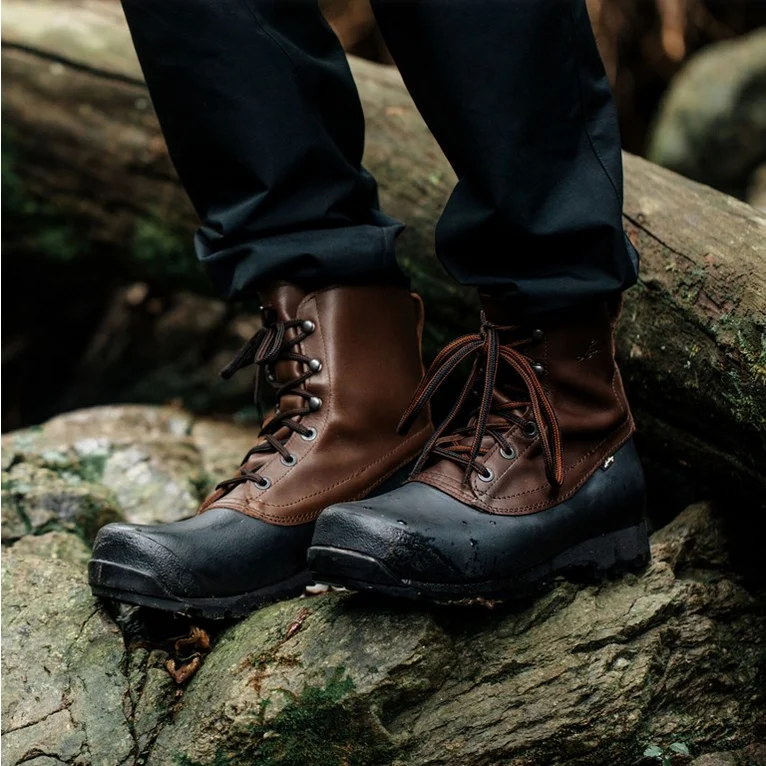
When winter descends, blanketing landscapes in snow and slush, the necessity for reliable footwear becomes paramount. Beyond mere warmth and comfort, modern consumers are increasingly prioritizing boots that not only protect their feet but also safeguard the environment. Truly sustainable winter boots must offer robust weather resistance, exceptional durability for years of use, and, crucially, be free from toxic waterproof finishes like per- and poly-fluoroalkyl chemicals (PFAS). These ubiquitous "forever chemicals," also known in the industry as Durable Water Repellent (DWR), pose significant environmental and health risks, making their exclusion from outdoor and winter gear a critical concern for conscious consumers.
The pervasiveness of PFAS in everyday products, from non-stick cookware to outdoor apparel, stems from their remarkable ability to repel water and stains without compromising breathability. However, their persistence in the environment is a double-edged sword. As PFAS compounds detach from footwear and other treated items, they enter ecosystems and do not readily break down. Their strong chemical bonds allow them to linger in soil, water, and eventually, drinking water sources, leading to widespread contamination. Scientific studies, such as those conducted by the U.S. Environmental Protection Agency (EPA), have documented the presence of PFAS in tap water across the United States, raising alarms about long-term exposure. The health implications are also a growing area of concern, with research linking PFAS exposure to a range of adverse health effects, including certain cancers, reproductive issues, and immune system deficiencies. This complex issue necessitates a proactive approach from consumers and manufacturers alike, demanding greater transparency and accountability in material sourcing and production processes.
The Imperative for PFAS-Free Footwear
The industry’s reliance on PFAS for waterproofing, particularly in outdoor and specialized gear like snow-proof winter boots, has been a long-standing practice. However, growing scientific evidence and increasing consumer awareness have spurred a movement towards PFAS-free alternatives. Unless a brand explicitly states that its waterproofing treatment is PFAS-free, PFC-free, or free of fluorinated chemicals, it is prudent to assume the presence of these persistent compounds. This article aims to guide consumers towards winter boots that meet stringent environmental and health standards, ensuring both functionality and peace of mind. The selection of boots presented here are all graded for snow and slush performance without the use of perfluorinated chemicals, and importantly, do not compromise on style.
Before delving into specific product recommendations, understanding the criteria for selecting truly sustainable and PFAS-free winter boots is essential. This involves scrutinizing material composition, supply chain transparency, and a brand’s commitment to product longevity through repair services.
Criteria for Sustainable PFAS-Free Winter Boots
Safe and Sustainable Materials: The primary concern is the absence of PFAS in waterproofing treatments. Beyond this critical factor, consumers should look for boots constructed from naturally water-resistant materials like leather. When opting for leather, certifications from the Leather Working Group (LWG) are a strong indicator of sustainably processed materials. For brands incorporating recycled content, verification through the Global Recycled Standard (GRS) ensures that the materials have indeed undergone a recycling process. Furthermore, certifications from bluesign or adherence to a restricted substances list can signal a brand’s commitment to responsible chemical management throughout its production chain.
Transparent Supply Chain: Ethical considerations extend beyond material sourcing to encompass the well-being of workers and the communities involved in production. Brands that demonstrate a clear understanding of their supply chains, from raw material origins to final manufacturing, are generally more responsible. Partnerships with organizations like the Fair Wear Foundation, public disclosure of factory locations, or adherence to a comprehensive code of conduct are all positive indicators of a brand’s commitment to ethical manufacturing practices. This transparency allows consumers to make informed choices, knowing that their purchases do not come at the expense of human rights or environmental degradation.
After-Market Repair and Longevity: A truly sustainable product is one that is built to last. This principle applies keenly to winter boots, which are subjected to harsh conditions. Brands that prioritize durability in their design, offer replacement parts, or provide repair services contribute significantly to extending the lifespan of their products. Investing in boots that can be repaired rather than discarded embodies a circular economy approach, reducing waste and the need for constant manufacturing.
Leading Brands in PFAS-Free Winter Footwear
The following brands have demonstrated a commitment to producing high-quality, sustainable, and PFAS-free winter boots, offering consumers a range of stylish and functional options for the colder months.
1. Keen
Keen stands out as a pioneer in the outdoor footwear industry, being the first major brand to transition to PFAS-free waterproofing treatments. Their commitment extends to openly sharing their process, encouraging industry-wide adoption of safer alternatives. Keen prioritizes the creation of comfortable, durable, and safe footwear. Their winter boot collection features PFAS-free Durable Water Repellent (DWR) finishes, ensuring effective waterproofing without harmful chemicals. The brand exclusively partners with LWG-certified tanneries for its leather sourcing and maintains a rigorous restricted substances list. Keen also demonstrates a strong commitment to ethical manufacturing, with at least one-third of their products manufactured in their own facilities and regular audits of their Tier 1 and Tier 2 suppliers to ensure adherence to their code of conduct.
- Price Range: $115 – $250
- Availability: Primarily in the U.S., with some products available for international shipping through partner dealers.
2. Jack Wolfskin
Jack Wolfskin is another prominent outdoor brand dedicated to PFAS-free innovation and earth-conscious gear. Their winter boots are largely constructed using their proprietary Texapore technology, which offers reliable water and wind resistance. The brand is commendably transparent about its supply chain, listing all its partners, a significant portion of which are bluesign-approved or operate without hazardous substances. Jack Wolfskin also conducts regular inspections by independent bodies to ensure safe and fair working conditions throughout its supply chain, reinforcing its commitment to responsible manufacturing.
- Price Range: $120 – $230
- Availability: Widely available across most European countries.
3. Lundhags
Hailing from Sweden and established in 1932, Lundhags boasts a long heritage in crafting durable outdoor footwear. Their leather boots are manufactured in Europe using materials sourced from a German tannery, resulting in a relatively short and traceable supply chain. Lundhags offers a diverse range of boot constructions, including shell, one-layer, and three-layer designs. A significant aspect of their sustainability commitment is their after-market repair shop, designed to extend the lifespan of their gear. Factory working conditions are regulated under the Brav code of conduct, further solidifying their ethical manufacturing standards.
- Price Range: $217 – $597
- Availability: Available in most European countries.
4. Vaude
Vaude’s winter boots incorporate a PFAS-free recycled polyester membrane, providing effective water and wind protection. The brand prioritizes local sourcing for its leather uppers, working with a tannery in Germany. Product origin details are readily available on each product page, enhancing supply chain transparency. Vaude also excels in facilitating product longevity through an accessible range of cheap replacement parts and comprehensive full-service repair options, making it easier for consumers to maintain their footwear.
- Price Range: $200 – $263
- Availability: Available in Canada and most European countries, but unfortunately not yet in the U.S.
5. Forsake
Forsake offers a collection of LWG-certified waterproof boots in various styles, from casual sneaker-boots to more rugged heeled hiking boots. Their parent company enforces a strict code of conduct for all suppliers and conducts regular audits to ensure compliance. While Forsake demonstrates a commitment to sustainable material sourcing and ethical production, there is a degree of ambiguity regarding the origin of their memory foam insoles, an area for potential further clarification.
- Price Range: $145 – $160
- Availability: Available in the U.S.
6. EcoAlf
EcoAlf, a certified B-Corp, is dedicated to producing vegan and PFAS-free boots. They utilize GRS-certified recycled polyester and a combination of new and recycled rubber in their construction. The brand meticulously tracks its supply chain down to Tier 3 suppliers, showcasing a high level of commitment to transparency. However, like Forsake, the precise sourcing of their raw materials could benefit from further detail to achieve complete supply chain visibility.
- Price Range: $145 – $299
- Availability: Available in the U.S., most South American countries, most European countries, and most Asian countries.
7. Will’s Vegan Store
Will’s Vegan Shoes, manufactured in Italy and Portugal, utilizes bio-based leathers and recycled polyester insulation in their footwear. The brand is committed to tracing every step of its production process to ensure sustainable and ethical practices. While some of their waterproof shoes feature PFAS-free uppers, it is crucial for consumers to carefully review product descriptions, as not all waterproof options are explicitly PFAS-free, and some may incorporate unspecified vegan leathers, which are often plastic-based.
- Price Range: $134 – $190
- Availability: Ships to all countries worldwide.
8. Poppy Barley
Poppy Barley specializes in LWG-certified water-resistant ankle and calf-length boots. Their audited factories are located in Europe and Mexico, adhering to stringent ethical production standards. Consumers should note that not all of Poppy Barley’s boots are explicitly listed as LWG-certified, so verifying the product page before purchase is recommended to ensure sustainable material sourcing.
- Price Range: $293 – $480
- Availability: Available in the Continental U.S., Mexico, Canada, and Australia.
9. REI Used Gear
For budget-conscious and environmentally aware consumers, REI Used Gear offers an excellent avenue to acquire sustainable winter boots from reputable brands at a reduced price. This platform facilitates the buying, selling, and trading of pre-owned outdoor equipment, promoting a circular economy. While REI is actively working to phase out PFAS from all its products, it is essential to review the product details of individual listings, as not all brands featured on the platform are guaranteed to be PFAS-free. This option provides a practical way to extend the life of existing gear and reduce consumption.
- Price Range: $22 – $149.50
- Availability: Available in the U.S.
The Broader Implications of a PFAS-Free Future
The growing availability of PFAS-free winter boots signifies a positive shift in the outdoor apparel industry. This movement is driven by increasing scientific understanding of the environmental and health risks associated with these chemicals, coupled with a rising consumer demand for more sustainable and ethical products. The actions of pioneering brands like Keen, in openly sharing their transition processes, are crucial in accelerating this change across the industry.
The implications of widespread adoption of PFAS-free alternatives are far-reaching. Environmentally, it means a reduction in the persistent contamination of water systems and ecosystems, protecting biodiversity and human health. Economically, it spurs innovation in the development of safer, high-performance materials and manufacturing techniques. Socially, it reinforces the value of transparency and ethical labor practices throughout global supply chains.
As consumers, our purchasing decisions hold significant power. By prioritizing brands that are transparent about their materials, committed to ethical production, and invested in product longevity, we can collectively drive the market towards a more sustainable future. The winter months, while demanding in terms of practical gear, also offer an opportunity to make conscious choices that benefit both ourselves and the planet. The continued evolution of sustainable winter footwear promises a future where conquering the elements does not come at the cost of environmental well-being.