
The digital advertising landscape has undergone a dramatic transformation over the past decade, shifting from rudimentary banner placements to highly sophisticated, artificial intelligence-driven ecosystems. For businesses, creators, and digital marketers entering this space, the entry point is frequently Meta Ads Manager—the centralized dashboard governing promotional activities across Facebook, Instagram, Messenger, and the broader Meta Audience Network. While initial encounters with the platform’s sprawling interface can prove daunting, mastering its structured architecture unlocks access to an active global user base exceeding three billion individuals.

Understanding the structural mechanics of Meta Ads Manager requires moving beyond basic organic posting strategies. Because modern social media algorithms heavily restrict organic visibility, paid acquisition has transitioned from a supplemental tactic to a core operational necessity for brands seeking predictable audience reach. This comprehensive report outlines the foundational requirements, chronological setup procedures, cost frameworks, and strategic optimizations essential for deploying effective advertising campaigns within the Meta ecosystem.
Main Facts and Platform Infrastructure
At its core, Meta Ads Manager operates on a hierarchical three-tier architecture: campaigns, ad sets, and individual advertisements. Every promotional initiative launched through the platform must navigate this structured framework to ensure proper budget allocation, audience targeting, and creative delivery.
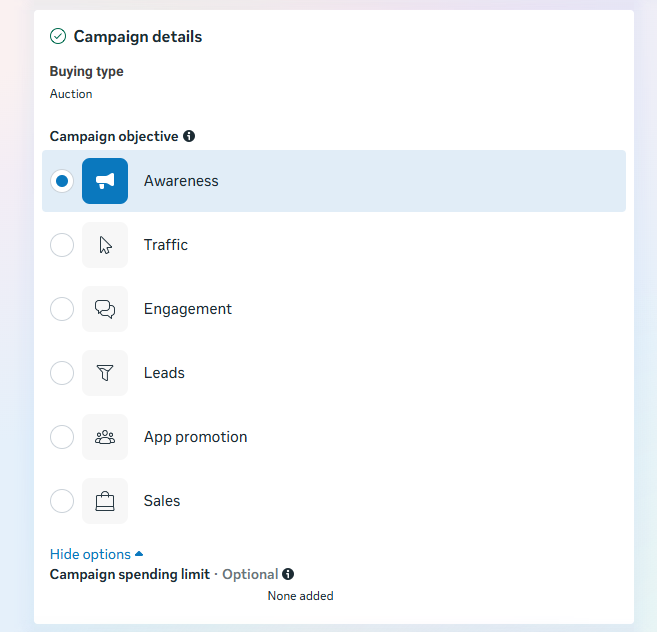
The top tier, the campaign level, establishes the overarching objective of the promotional effort. Advertisers must define what success looks like prior to configuring parameters, as the selected objective locks in the algorithmic optimization behavior of Meta’s delivery system. Available objectives include awareness, traffic, engagement, leads, app promotion, and sales.
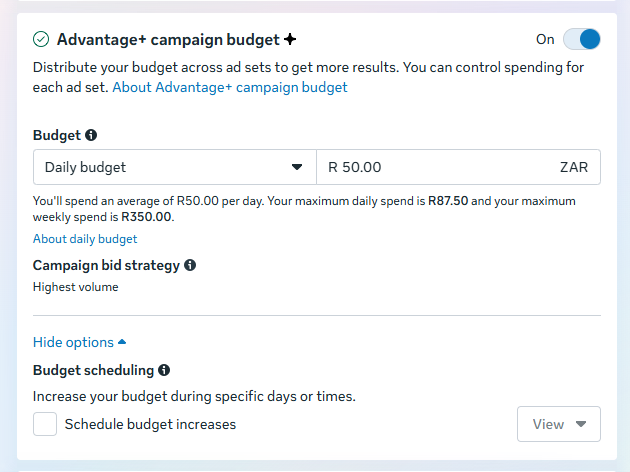
The middle tier, the ad set, dictates the operational parameters of the campaign. Within this level, marketers determine their financial investment, operational schedules, target demographics, and asset placements. It is at this stage that budget caps—either daily or lifetime expenditures—are enforced, alongside geographical and behavioral parameters.
The final tier consists of the advertisement itself. This encompasses the visual or auditory media, primary text, headlines, descriptions, call-to-action buttons, and final destination URLs or messaging destinations. Advertisers may deploy various formats, ranging from single images and videos to multi-card carousels and immersive collection experiences.
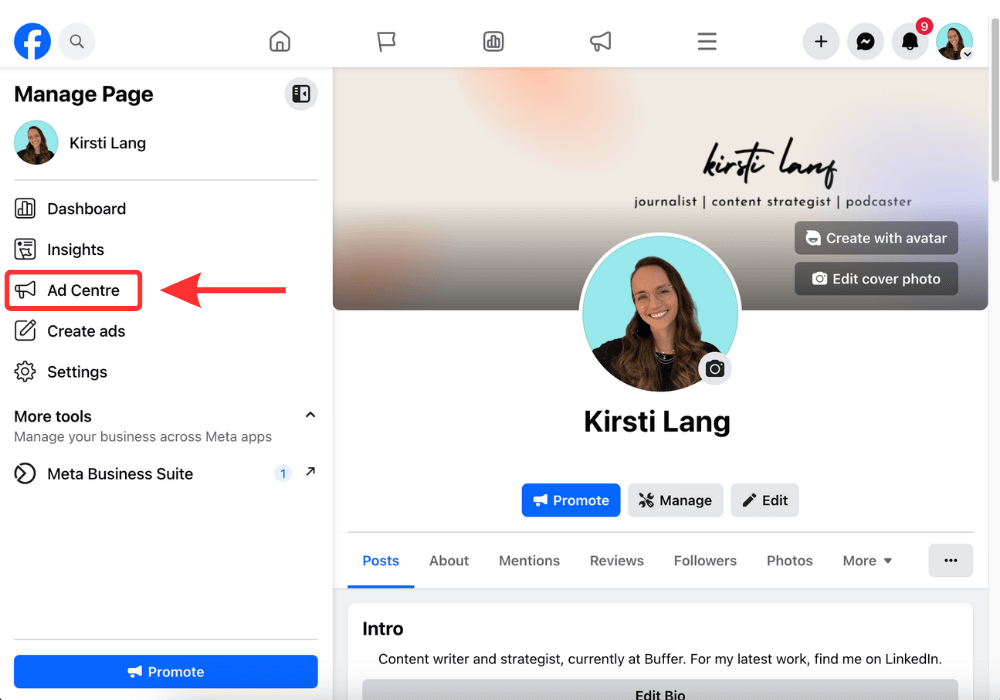
Furthermore, executing campaigns via Ads Manager necessitates specific foundational assets. Advertisers must maintain an active Facebook Page, a verified payment method, and appropriate administrative permissions. For website tracking and conversion attribution, the integration of the Meta Pixel remains an industry standard, enabling organizations to monitor consumer behavior and construct custom target audiences based on real-time data metrics.
Chronology of the Campaign Setup Process
Deploying a professional advertising campaign on Meta requires a methodical, step-by-step execution protocol. Industry best practices recommend adhering to a structured workflow to minimize configuration errors and maximize algorithmic efficiency.
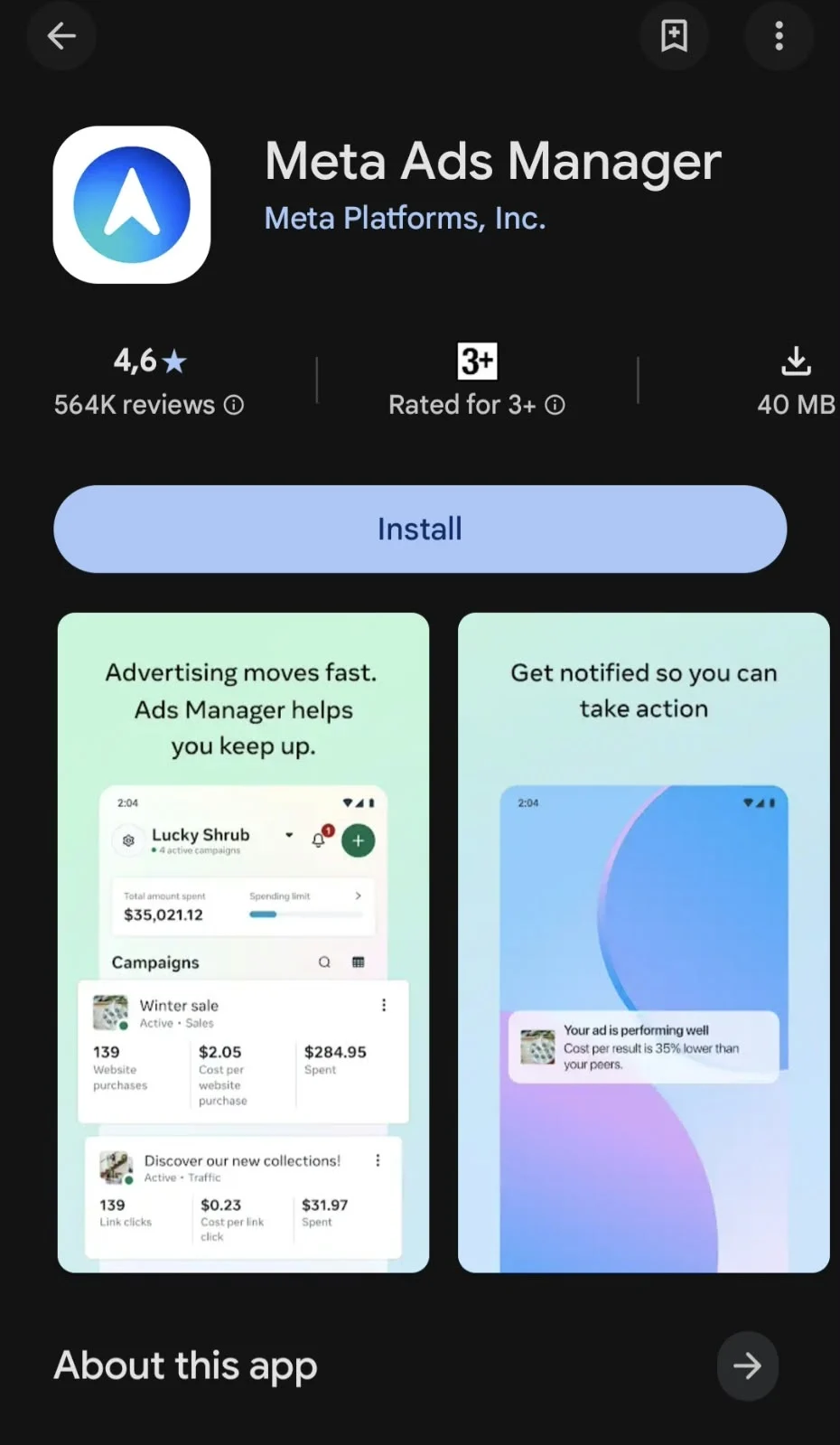
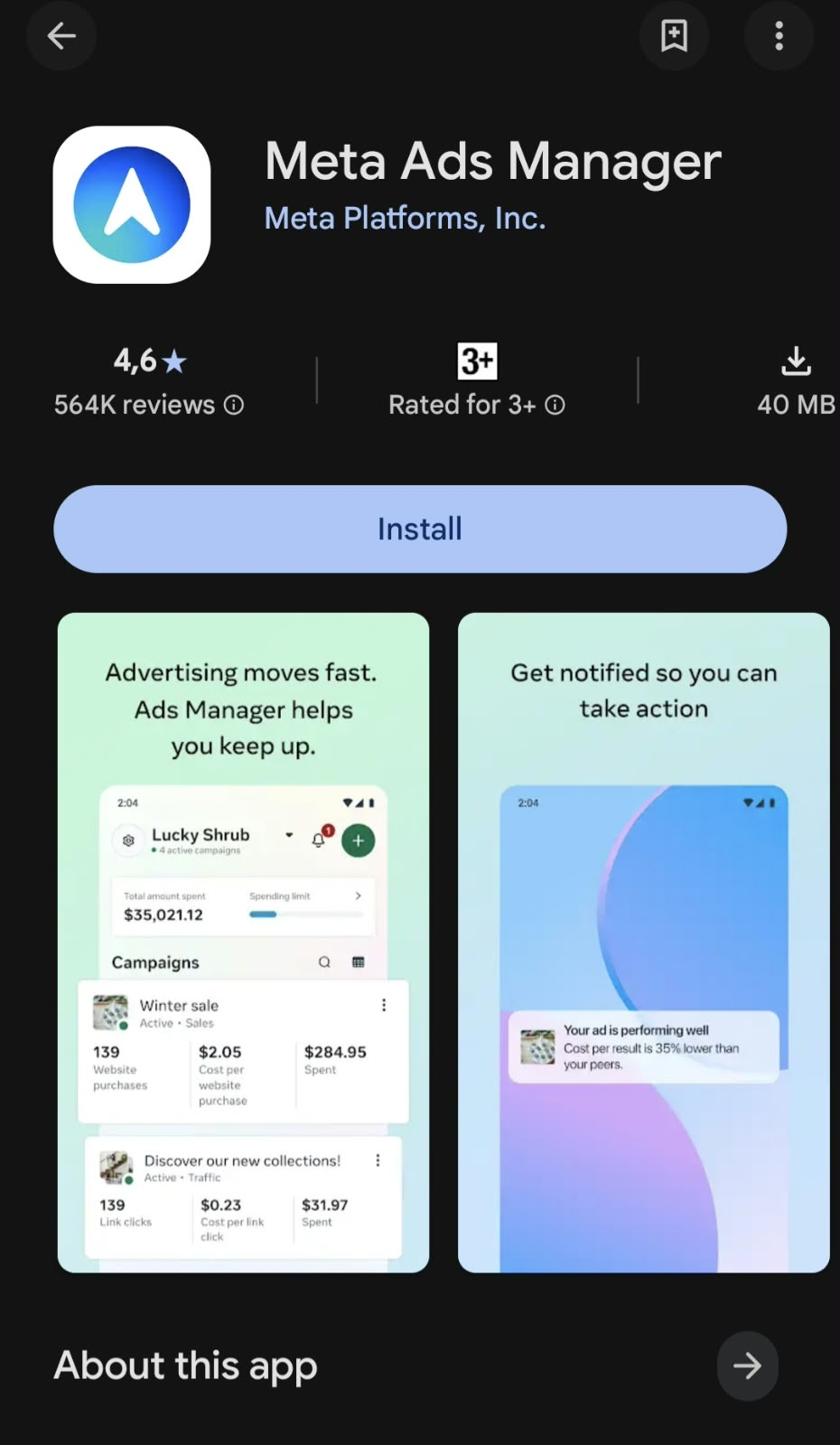
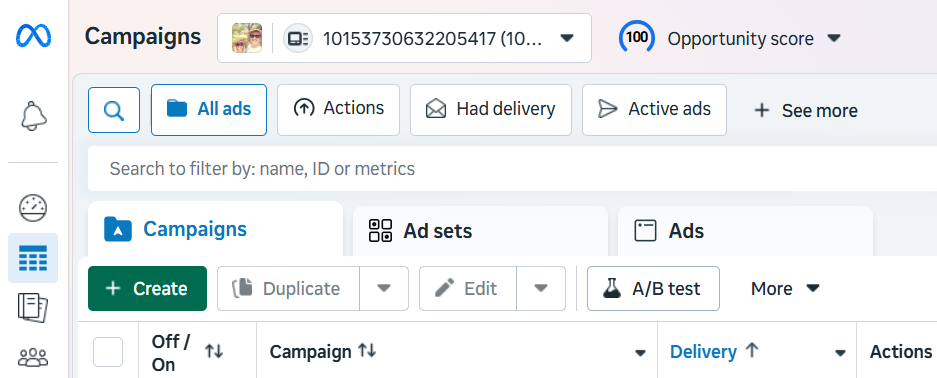
Phase one involves initial access and account verification. Advertisers must navigate to Meta Ads Manager using either desktop browsers or the dedicated mobile applications available for iOS and Android devices. Administrators managing multiple entities must ensure the correct ad account is selected from the primary drop-down menu.
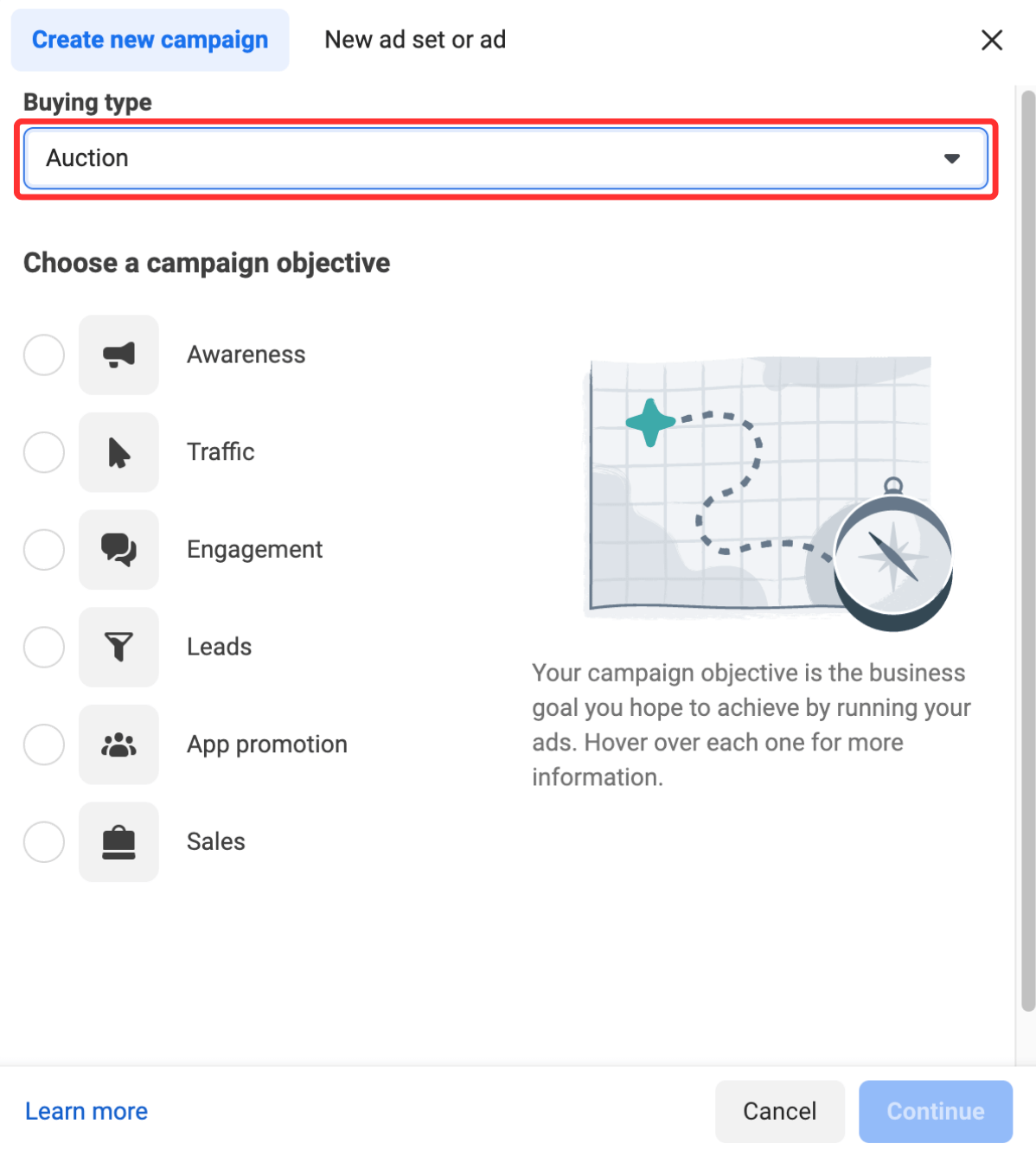
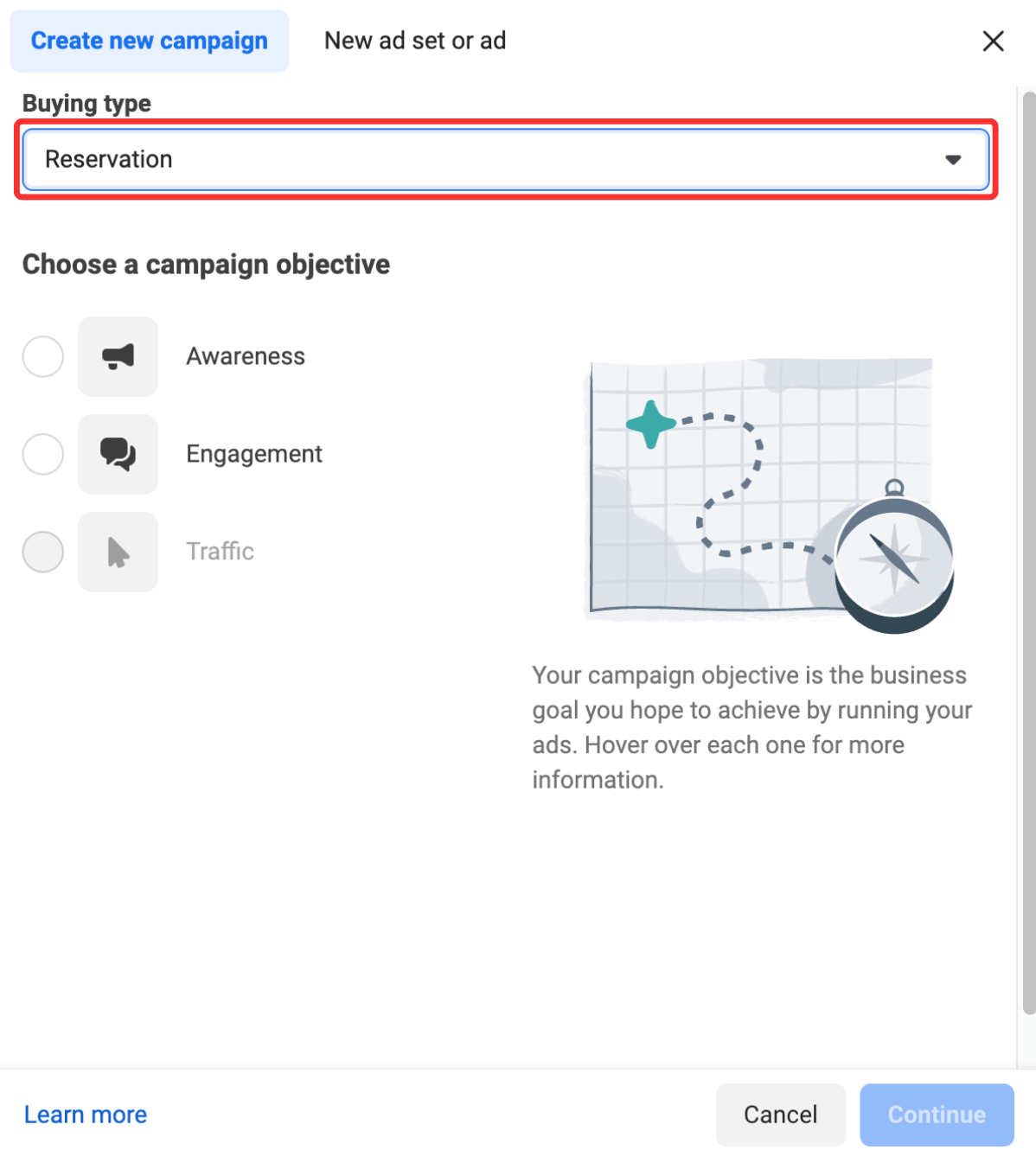
Phase two requires establishing the buying type, choosing between Auction and Reservation models. While the Reservation buying type offers predictable delivery and frequency control primarily for awareness and engagement objectives, the Auction model provides maximum flexibility across all six campaign objectives and broader placement options.
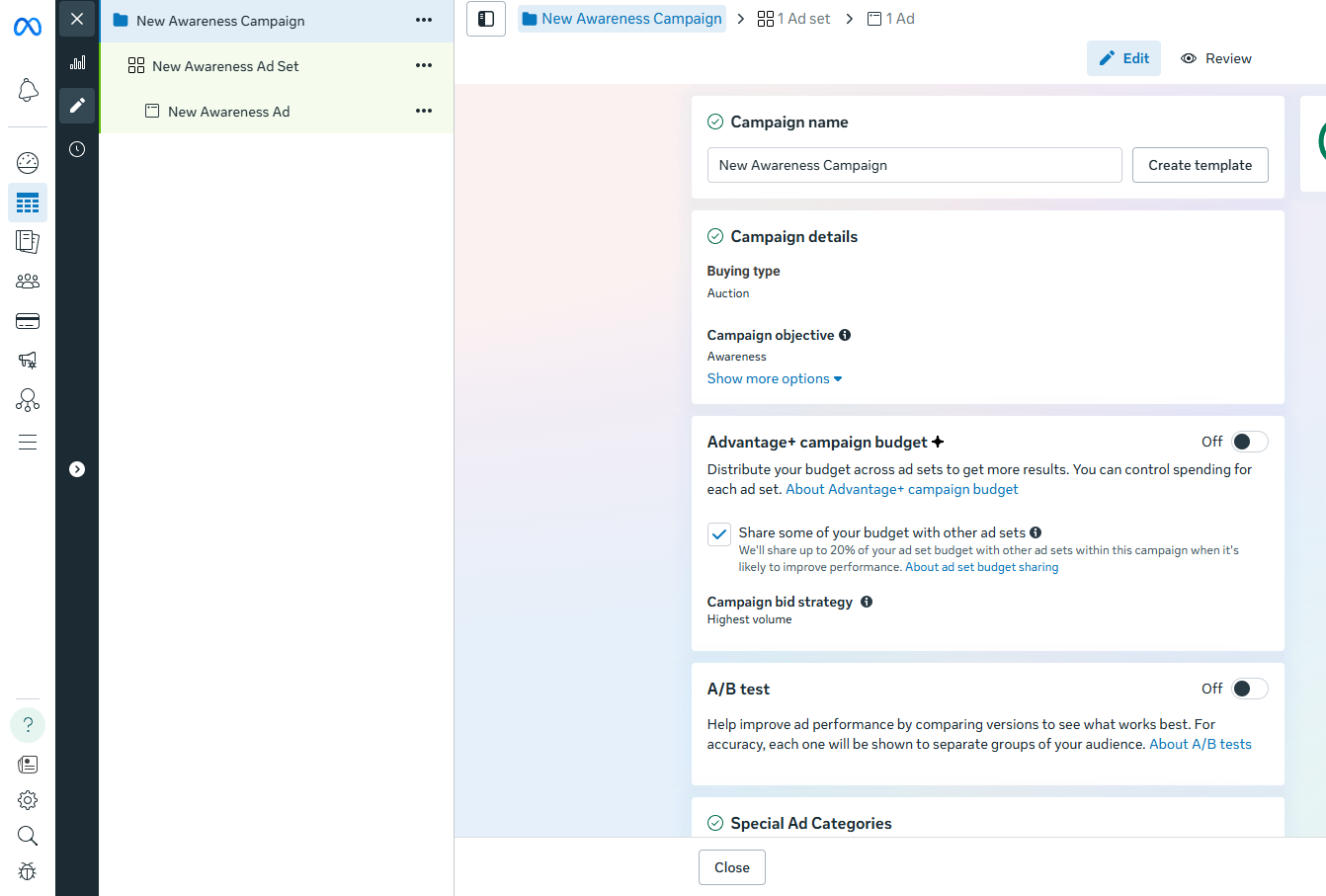
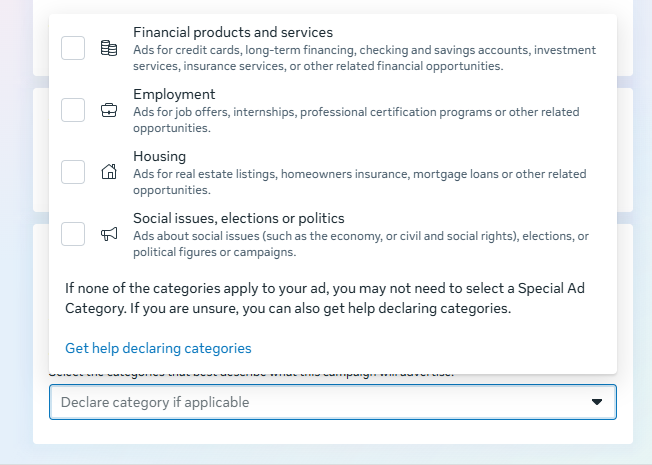
Phase three centers on objective selection and campaign nomenclature. Practitioners must assign a standardized, recognizable name to the campaign and declare any Special Ad Categories if the promotional content pertains to credit, employment, housing, social issues, elections, or politics. Regulatory compliance at this juncture is mandatory to prevent account restrictions.
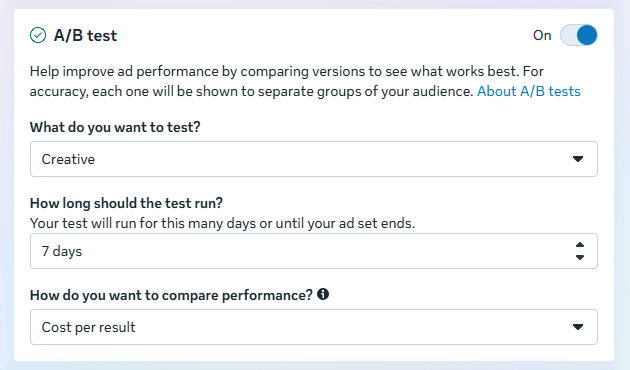
Phase four addresses budgeting frameworks and advanced optimization tools. Advertisers evaluate whether to activate A/B testing protocols for creative and audience comparison, alongside deciding whether to utilize the Advantage+ campaign budget. Formerly known as campaign budget optimization, this tool distributes funds dynamically across multiple ad sets in real time.
Phase five involves audience definition and placement configuration. Historically reliant on manual demographic selection, modern Meta architecture heavily incorporates the Advantage+ audience feature. This AI-driven tool utilizes behavioral signals to identify high-probability consumers automatically. Alternatively, marketers may deploy manual placements to restrict ads to specific environments, such as Facebook Feeds, Instagram Reels, Stories, or Messenger inboxes.
Phase six concludes with creative asset deployment and publication. Marketers upload verified visual assets that comply with current platform dimension specifications, input persuasive copywriting, attach appropriate call-to-action buttons, and designate conversion destinations—such as external websites, Instant Experiences, or direct messaging threads. Clicking the publish button initiates Meta’s automated review process, which typically concludes within 24 hours.
Supporting Data and Financial Benchmarks
Financial commitments required for Meta advertising remain flexible, operating on minimum thresholds of $1 per day per ad set. However, actual cost efficiency varies significantly depending on industry verticals, geographical target markets, and seasonal demand fluctuations.
Industry benchmarks compiled by digital marketing analysts indicate that the average cost per click (CPC) across all sectors hovers around $1.72. Significant divergence exists between specific industries:
- Apparel and retail sectors often experience lower acquisition costs, with average CPCs ranging from $0.45 to $0.70.
- Technology, healthcare, and education sectors generally record moderate costs per click, averaging between $1.06 and $1.32.
- Professional services, industrial sectors, and automotive industries frequently face higher acquisition expenses, with average CPCs spanning from $2.14 to $3.08.
- Finance, insurance, and legal services consistently record the highest average CPCs, often exceeding $3.77 due to high customer lifetime values and intense market competition.
Regarding minimum investment viability, marketing experts caution that extremely constrained budgets—such as $5 per day—primarily serve exploratory functions rather than immediate conversion generation. Meta’s algorithmic "learning phase" requires a sufficient volume of interaction data to optimize effectively. Consequently, campaigns operating on minimal financial allocations generally require extended timeframes to gather actionable directional insights.
Official Guidance and Platform Evolution
Meta’s ongoing integration of artificial intelligence represents a profound shift in digital media buying. Features such as Advantage+ campaign budgets, Advantage+ audiences, and Advantage+ placements reflect the platform’s transition from rigid manual parameter configuration toward automated, machine-learning-driven optimization.
Official corporate documentation emphasizes that AI tools are designed to analyze millions of behavioral data points simultaneously, identifying conversion patterns that human media buyers might overlook. By automating audience expansion and placement distribution, Meta aims to lower the technical barrier to entry for small- and medium-sized enterprises while enhancing return on ad spend for enterprise-level brands.
Concurrently, platform governance and compliance standards have tightened. The automated review systems deployed by Meta scan creative assets, landing page destinations, and copywriting for policy violations before ads achieve active status. Businesses operating within regulated sectors must exercise heightened diligence to ensure compliance with local advertising laws and platform community guidelines.
Broader Impact and Industry Implications
The dominance of Meta Ads Manager within the digital marketing ecosystem carries wide-ranging implications for brands and consumer privacy alike. As third-party cookie tracking faces progressive deprecation across the wider internet, walled gardens like Meta possess vast repositories of first-party user data. This positions platform-native tracking tools, such as the Meta Pixel and Conversions API, as critical infrastructure for modern attribution modeling.
For small- and medium-sized businesses, the democratization of enterprise-grade targeting tools levels the competitive playing field, allowing localized entities to reach hyper-specific demographic niches previously accessible only to major multinational corporations. However, this accessibility also drives increased competition for digital attention, elevating acquisition costs across popular commercial categories.
Ultimately, successful navigation of Meta Ads Manager demands a balanced approach combining technical proficiency, rigorous performance analysis, and strategic alignment with broader organizational goals. As platform automation continues to evolve, the primary differentiator for successful advertisers will remain the strategic clarity of their underlying marketing objectives and the creative resonance of their messaging.