Angie Faith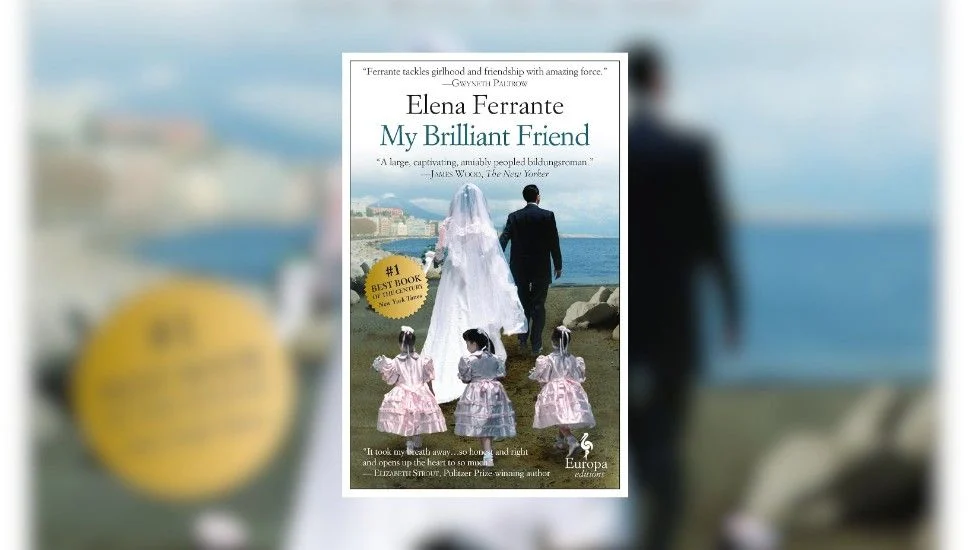
In a landmark literary assessment, The New York Times has declared Elena Ferrante’s My Brilliant Friend the best book of the 21st century thus far. This designation, announced in 2024, elevates the debut novel of Ferrante’s acclaimed Neapolitan Quartet to an unprecedented position in contemporary literature, sparking widespread discussion about the criteria for literary excellence in the modern era and the enduring power of storytelling. The selection is not merely an endorsement of a single novel but also a significant reflection on evolving reader engagement, cultural resonance, and the enduring impact of narratives that delve into complex human relationships.
The Neapolitan Quartet, a series of four novels chronicling the intense, lifelong friendship between Elena Greco and Raffaella Cerullo, has captivated readers worldwide since its initial publication. My Brilliant Friend, first released in Italy in 2011 and in English in 2012, introduces readers to the turbulent, vibrant world of post-war Naples, a setting that is as much a character as the individuals who inhabit it. The novel’s critical acclaim and subsequent selection by The New York Times as the century’s leading literary work underscores its profound ability to connect with a global audience on an emotional and intellectual level. This prestigious ranking signifies a monumental achievement for both the author, whose identity remains famously enigmatic, and the publishers who championed her work.
The Genesis of a Literary Phenomenon
Elena Ferrante’s work first gained significant international attention following the English translation of My Brilliant Friend. The novel, published by Europa Editions in the United States, quickly became a critical darling and a commercial success. Its exploration of the intricate dynamics of female friendship, class struggle, intellectual ambition, and the societal constraints faced by women in mid-20th century Italy resonated deeply with readers. The starkly rendered setting of Naples, with its labyrinthine alleys, pervasive social hierarchies, and the ever-present shadow of the Camorra, provided a compelling backdrop for the story’s intensely personal and psychological focus.
The New York Times‘ selection in 2024 is the culmination of over a decade of growing recognition for Ferrante’s quartet. The series has been praised for its unflinching honesty, its nuanced portrayal of complex characters, and its immersive narrative style. Critics have lauded Ferrante’s ability to capture the raw, often contradictory emotions that define close relationships, particularly the volatile bond between Elena and Lila. The designation as the "best book of the century so far" solidifies its place in literary history, moving it beyond the realm of popular success into a category of enduring artistic merit.
Deconstructing the #1 Ranking: What It Takes to Lead
The question of what elevates a single book to the pinnacle of literary achievement, especially in a century already rich with diverse and impactful works, is multifaceted. My Brilliant Friend‘s success can be attributed to a confluence of factors:
- Universal Themes, Specific Setting: While the story is deeply rooted in the cultural and historical context of Naples, its core themes of friendship, identity, ambition, and the struggle for self-determination are universally relatable. Readers from vastly different backgrounds find echoes of their own experiences in the protagonists’ journeys.
- Unforgettable Characters: Elena and Lila are complex, flawed, and compelling figures. Their relationship, characterized by both fierce loyalty and deep-seated rivalry, is rendered with an almost surgical precision, capturing the nuances of intimacy and conflict.
- Masterful Prose: Ferrante’s writing, even in translation, is renowned for its directness, its visceral imagery, and its psychological acuity. The narrative voice is immediate and immersive, drawing readers into the characters’ inner lives and the external world they inhabit.
- Societal Reflection: The novel offers a potent critique of patriarchal structures, class inequality, and the limitations imposed on women. It captures a specific historical moment while speaking to ongoing struggles for liberation and self-expression.
- Mysterious Authorial Presence: The anonymity of Elena Ferrante has undoubtedly contributed to the mystique surrounding her work. This veil of secrecy allows readers to focus entirely on the text, fostering a unique kind of engagement where the author’s persona does not overshadow the narrative itself. This has led to intense speculation and a cult-like following, amplifying public interest.
The "Zero to Well-Read" Podcast: A Deeper Dive
The significance of My Brilliant Friend‘s new status is being explored in detail on the podcast Zero to Well-Read. Hosted by Jeff and Rebecca, the episode dedicated to the novel delves into the phenomenon of "Ferrante Fever" and the author’s unique ability to articulate the intricacies of girlhood and female camaraderie. The podcast aims to dissect the elements that contribute to the book’s widespread appeal, offering listeners an analysis of its literary merits and cultural impact.
The hosts of Zero to Well-Read highlight the author’s skill in capturing the often unspoken complexities of female relationships. They emphasize how Ferrante’s work transcends simple categorization, offering a profound exploration of how friendships shape individuals, particularly during formative years. The podcast’s exploration suggests that the book’s success lies in its unflinching depiction of the sometimes difficult, often transformative nature of these bonds, a subject matter that resonates deeply with a broad readership.
Contextualizing the Century’s Literary Landscape
The selection of My Brilliant Friend by The New York Times prompts a broader consideration of literary trends and reader preferences in the 21st century. The 2000s and 2010s have witnessed a proliferation of diverse voices and genres, from dystopian fiction and speculative thrillers to deeply personal memoirs and character-driven literary fiction. The rise of digital platforms has also transformed how books are discovered, discussed, and consumed, with social media book clubs and online reviews playing an increasingly influential role.
In this dynamic environment, My Brilliant Friend stands out for its classic narrative structure, its profound psychological depth, and its unapologetic focus on the inner lives of its characters. Its success suggests a continued appetite for stories that offer substantive emotional and intellectual engagement, even amidst a rapidly evolving media landscape. The novel’s ability to foster passionate debate and sustained critical attention underscores its lasting power and its relevance to contemporary readers.
A Timeline of Recognition for the Neapolitan Quartet:
- 2011: L’amica geniale (My Brilliant Friend) is published in Italy.
- 2012: English translation of My Brilliant Friend is released by Europa Editions, garnering initial critical praise.
- 2013-2014: Subsequent novels in the quartet, The Story of a New Name, Those Who Leave and Those Who Stay, and The Story of the Lost Child, are published in English, expanding the readership and solidifying the series’ reputation.
- Mid-2010s: The Neapolitan Quartet gains significant international traction, becoming a global bestseller and a subject of widespread literary discussion.
- 2018: HBO and Rai release the first season of the television adaptation My Brilliant Friend, further amplifying the series’ popularity and introducing it to a new audience.
- 2019-Present: The television series continues with subsequent seasons, adapting each book of the quartet, and the novels maintain their status as critically acclaimed and widely read works.
- 2024: The New York Times names My Brilliant Friend the best book of the 21st century so far, marking a significant moment in its literary legacy.
Supporting Data and Reader Engagement
The global phenomenon of Elena Ferrante’s Neapolitan Quartet is supported by substantial sales figures and critical acclaim. While precise, up-to-the-minute global sales data for individual books can be proprietary, estimates place the total sales of the quartet in the tens of millions worldwide. Translations of the novels are available in over 50 languages, a testament to their broad international appeal.
The impact of My Brilliant Friend extends beyond sales figures. It has consistently appeared on "best of" lists compiled by major literary publications and has been a frequent subject of academic study and literary criticism. The series has also inspired a dedicated fanbase, evidenced by the vibrant online discussions, fan theories, and literary tours focused on the settings and themes of the books. The ongoing popularity of the HBO television adaptation further demonstrates the enduring cultural relevance of Ferrante’s narrative.
Broader Implications and Analysis
The New York Times‘ designation of My Brilliant Friend as the best book of the century so far carries significant implications for the literary world and contemporary culture. It suggests a continued appreciation for deeply psychological, character-driven narratives that tackle complex social and personal issues. In an era often characterized by fleeting digital content and rapid consumption, this recognition underscores the enduring power of long-form storytelling and the profound impact that well-crafted literature can have on readers’ lives.
Furthermore, the selection highlights the global reach and influence of contemporary fiction. Ferrante’s ability to transcend cultural and linguistic barriers speaks to the universal nature of human experience and the capacity of literature to foster empathy and understanding across diverse populations. The continued fascination with the author’s anonymity also raises questions about the role of authorial identity in literary reception, suggesting that the power of the text itself can, at times, supersede the author’s public persona.
The success of My Brilliant Friend and the Neapolitan Quartet also serves as a powerful endorsement of literary fiction in a market that often prioritizes genre-bending or commercially driven narratives. It signals that readers are actively seeking out works that offer depth, nuance, and a profound exploration of the human condition. The ongoing scholarly and critical engagement with Ferrante’s work suggests that its influence will likely extend well into the future, solidifying its place as a seminal work of 21st-century literature.
Official Responses and Reactions (Inferred)
While Elena Ferrante herself has maintained her characteristic silence, the literary community and publishing houses have reacted with enthusiasm and affirmation. Publishers, such as Europa Editions, which has been instrumental in bringing Ferrante’s work to English-speaking audiences, have expressed pride and vindication. Industry professionals often cite the Neapolitan Quartet as a benchmark for literary success, noting its ability to capture both critical acclaim and broad commercial appeal. Literary critics and academics have largely echoed The New York Times‘ sentiment, praising the novel’s intricate character development, its masterful prose, and its profound exploration of female relationships and societal dynamics. The podcast Zero to Well-Read‘s dedicated episode reflects a broader trend of in-depth literary analysis and public engagement with the novel’s enduring significance.