 Cintya Tara Annisa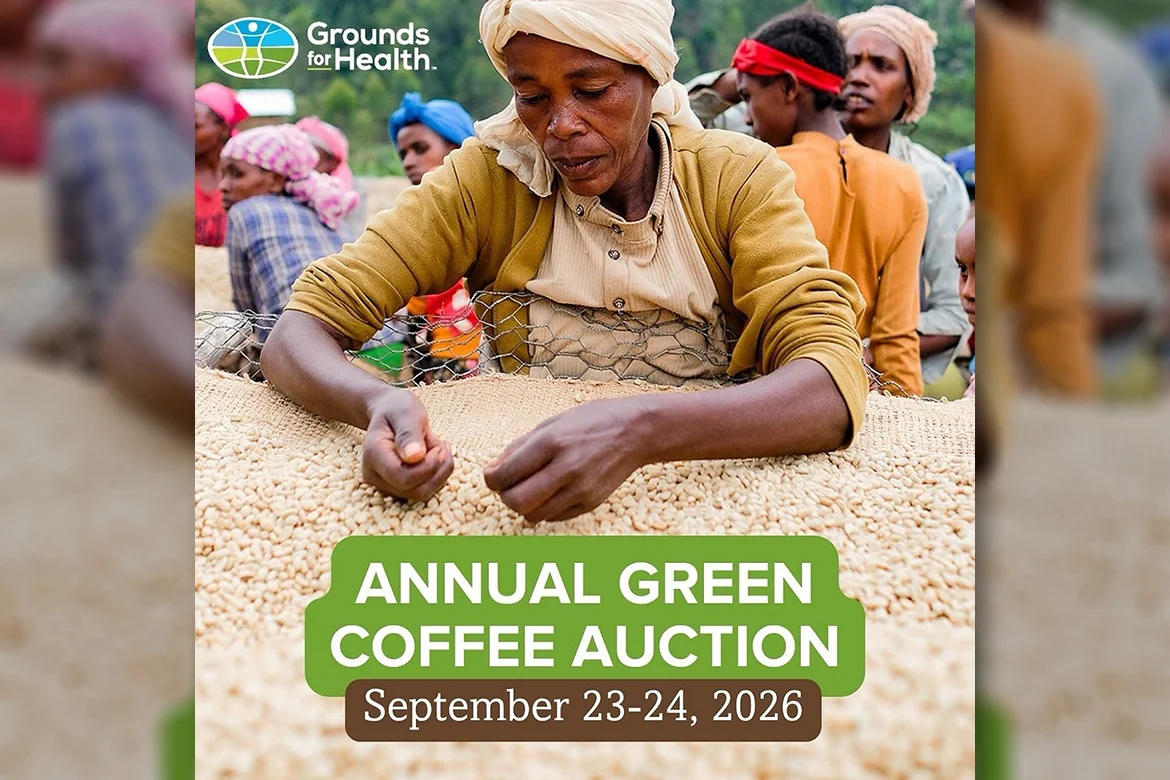
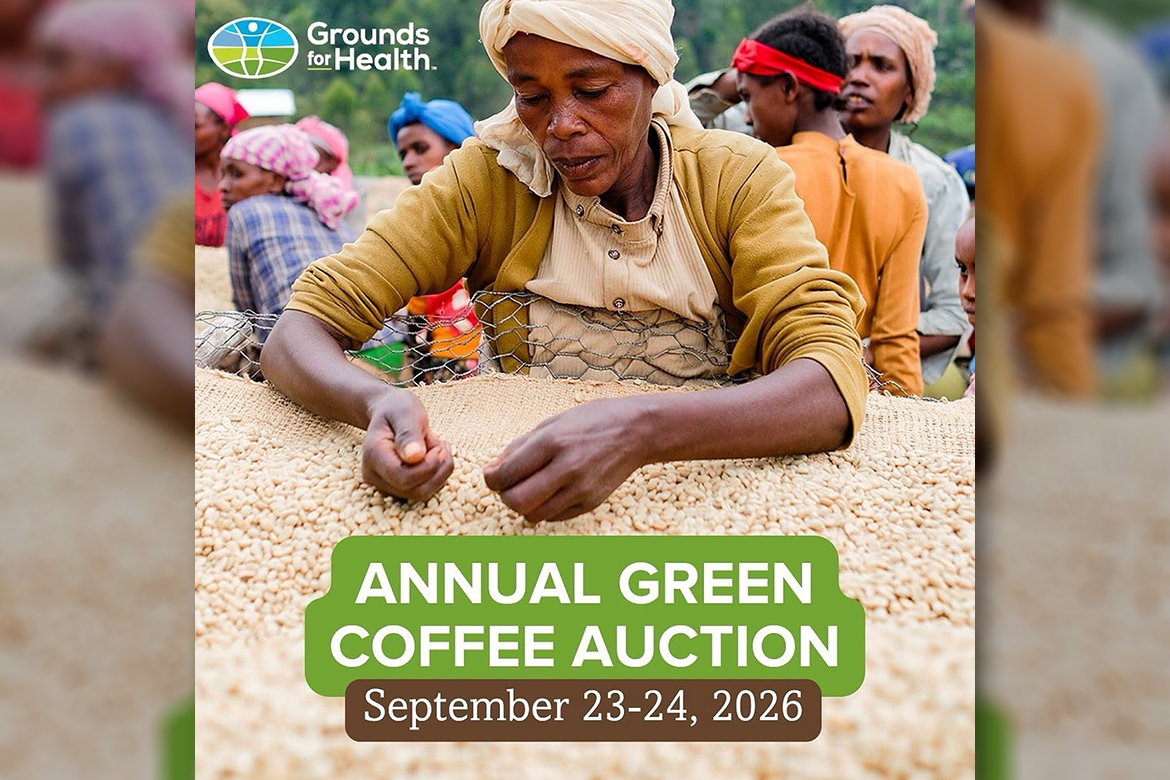
The intersection of specialty coffee and global health advocacy reaches a significant milestone this month as the non-profit organization Grounds For Health marks its 30th anniversary. Established to address the stark disparity in healthcare access within coffee-producing communities, the organization has consistently leveraged the specialty coffee industry’s supply chain to fund life-saving medical interventions. On September 23rd and 24th, the organization will host its annual fundraising auction, offering an array of rare green coffees, industry equipment, and professional services to support its mission of eradicating cervical cancer in regions where such screenings are historically inaccessible.
The Mission: Addressing Cervical Cancer in Coffee-Growing Regions
Cervical cancer remains one of the most significant health crises facing women in developing regions. According to the World Health Organization (WHO), cervical cancer is the fourth most common cancer among women globally, with the vast majority of deaths occurring in low- and middle-income countries. In the isolated coffee-growing regions of Latin America and East Africa, the distance to medical centers, the cost of transportation, and a lack of specialized screening infrastructure create a lethal barrier to care.
Grounds For Health operates by partnering directly with coffee cooperatives and local medical professionals. By integrating health services into the existing social and economic infrastructure of the coffee industry, the organization bypasses traditional barriers to entry. They provide comprehensive programs that include screening, education, and—when necessary—treatment for pre-cancerous lesions. This "see-and-treat" approach is essential in rural environments where follow-up appointments are logistically difficult for patients to attend.
A Three-Decade Chronology of Advocacy
The history of Grounds For Health is inextricably linked to the evolution of the specialty coffee movement. Founded three decades ago, the organization was born from the recognition that the farmers and laborers who provide the foundation for the global coffee trade were suffering from preventable health outcomes.
Over the last 30 years, the organization has evolved from small-scale clinical pilots to a robust international network. A pivotal component of their financial sustainability has been their annual auction model. Since its inception, these auctions have generated over $1 million in total funding. This capital has been instrumental in training local health workers—ensuring that the skills and knowledge remain within the communities long after international medical teams have departed.
Last year’s auction served as a benchmark for the organization’s reach, raising nearly $30,000. That event featured high-value, limited-production lots such as the famed washed Gesha from Panama’s Finca Esmeralda, which underscored the specialty coffee industry’s willingness to donate high-value inventory for social good.
The 2024 Auction: Diversity and Rarity
The 2024 iteration of the GFH Auction highlights a shift in focus toward diversity of origin and processing methods. With 21 distinct lots available, the catalog represents a cross-section of current specialty trends.
Among the standout entries is the Vietnam Great Cherry Dak Lak Anaerobic Natural Robusta. This lot is particularly significant as it challenges the historical stigma surrounding Robusta, showcasing that high-quality, specialty-grade processing can elevate even the most misunderstood botanical varieties. Other notable lots include the Mexico Nayarit Women Producers Reserva Natural SHG EP and the Indonesia Sumatra Grade 1 DP Gayo FTO. The presence of these coffees—rarely seen on standard commercial menus—highlights the auction’s role as a platform for discovery, allowing roasters to source unique profiles while directly funding humanitarian efforts.
The auction also features premium lots including a natural-processed Pink Bourbon from Colombia and a natural Java from Costa Rica. These coffees are bolstered by contributions from some of the most influential importers and exporters in the industry, including Genuine Origin, Coffee Shrub, La Minita, Sustainable Harvest, Balzac Brothers, and InterAmerican.
Beyond the Bean: Equipment and Professional Development
Recognizing that the coffee industry requires more than just raw material to thrive, the auction catalog extends to vital equipment and professional education. This year’s inventory includes a Ditting-compatible 5lb grinder hopper extension, a FincaLab Model 4 Sample Roaster, and a full Q Grader course.
The inclusion of the Q Grader course—the industry standard for sensory evaluation—is a strategic choice. By donating access to professional certification, the auction helps build the internal expertise of coffee companies, further professionalizing the industry. This reflects the broader philosophy of Grounds For Health: that sustainable change is achieved by empowering local and professional actors through knowledge and tools.
Operational Details and Participation
The auction is conducted entirely online, ensuring accessibility for participants globally. The event commences at 12:00pm ET on Wednesday, September 23rd, and concludes at 6:00pm ET on Thursday, September 24th.
All proceeds are directed toward the organization’s operational budget, covering the costs of medical supplies, travel for health professionals, and community outreach programs. By centralizing these efforts, Grounds For Health ensures that 100% of the funds raised during the auction contribute directly to their medical initiatives. Interested participants are encouraged to register at the official GFHAuction website, where the full catalog and technical specifications for each lot are available.
Broader Impact and Industry Implications
The success of the Grounds For Health auction program serves as a case study for corporate social responsibility (CSR) in the agricultural sector. As the specialty coffee industry faces increasing scrutiny regarding the living standards of producers, initiatives like this demonstrate a proactive approach to vertical integration of welfare.
When coffee roasters purchase these lots, they are not merely engaging in a transaction; they are participating in a philanthropic ecosystem that reinforces the stability of the supply chain. Healthy communities are more resilient, and by addressing the leading cause of cancer-related mortality among women in these regions, the organization indirectly contributes to the long-term viability of the farms they serve.
Furthermore, the participation of large-scale importers and equipment manufacturers indicates a consensus within the industry that the "Specialty" label must encompass social equity. As consumers become increasingly conscious of the human cost behind their morning cup, the ability of roasters to point toward tangible, health-focused investments becomes a powerful marketing and ethical tool.
The 30th anniversary of Grounds For Health is more than a temporal marker; it is a testament to the endurance of the specialty coffee community’s commitment to its most vulnerable members. As the auction begins this week, the industry will once again have the opportunity to prove that the value of coffee extends far beyond its sensory profile, resting instead on the fundamental human right to healthcare and security. Whether through the purchase of a rare Colombian Pink Bourbon or the acquisition of a professional-grade roaster, every participant is contributing to a legacy of health that has, for three decades, proven to be as robust as the industry that sustains it.