 Cintya Tara Annisa
The refrigerator shelf has long been a sanctuary for predictable, hyper-curated beverage branding, but a new wave of innovation is attempting to disrupt this monotony. Amsterdam-based brand Cascara Cabinet is at the forefront of this shift, utilizing cascara—the dried skins of coffee cherries—to create a functional, ready-to-drink (RTD) soda. By repositioning a material historically relegated to the status of a coffee production byproduct, the brand is carving out a niche that sits uncomfortably, yet purposefully, between the coffee industry and the broader soft drink sector.
A Byproduct Reimagined: The Rise of Cascara
For decades, the global coffee industry has focused almost exclusively on the seed of the coffee cherry, often treating the outer fruit as waste. Millions of tons of coffee cherry pulp are discarded annually during the wet-milling process, contributing to significant environmental challenges for producers. However, in recent years, a small but dedicated contingent of roasters and beverage scientists has begun to recognize the potential of this discarded fruit.
Cascara, which translates to "husk" or "peel" in Spanish, possesses a flavor profile distinct from the bean it protects. When properly harvested, dried, and brewed, it offers notes of redcurrant, hibiscus, rosehip, and stone fruit. Cascara Cabinet, led by founder Vincent Rikken, has spent the better part of eight years refining the logistics of sourcing this material, moving from a niche experiment to a commercial product that bridges the gap between agricultural sustainability and consumer refreshment.
A Chronology of Development
The journey of Cascara Cabinet is not one of overnight success, but rather a protracted period of regulatory navigation and supply chain development. The project’s origins can be traced back to 2018, when Rikken drew inspiration from the work of Rösterei VIER. Following that initial spark, the team engaged in a multi-year process of product iteration.
The primary hurdle was not simply flavor development, but the establishment of a consistent supply chain. Unlike commodity coffee, which benefits from well-established trade routes and quality standards, the market for high-quality cascara remains in its infancy. Rikken emphasizes that the brand prioritizes the processing expertise of farm partners over specific cultivars. Whether the fruit originates from Costa Rica or Colombia, the requirement is identical: the cherry must be selectively picked, meticulously washed, and naturally dried. This attention to post-harvest processing is what allows the brand to maintain a consistent output despite the seasonal variations inherent in the coffee harvest.
The Aesthetics of Disruption
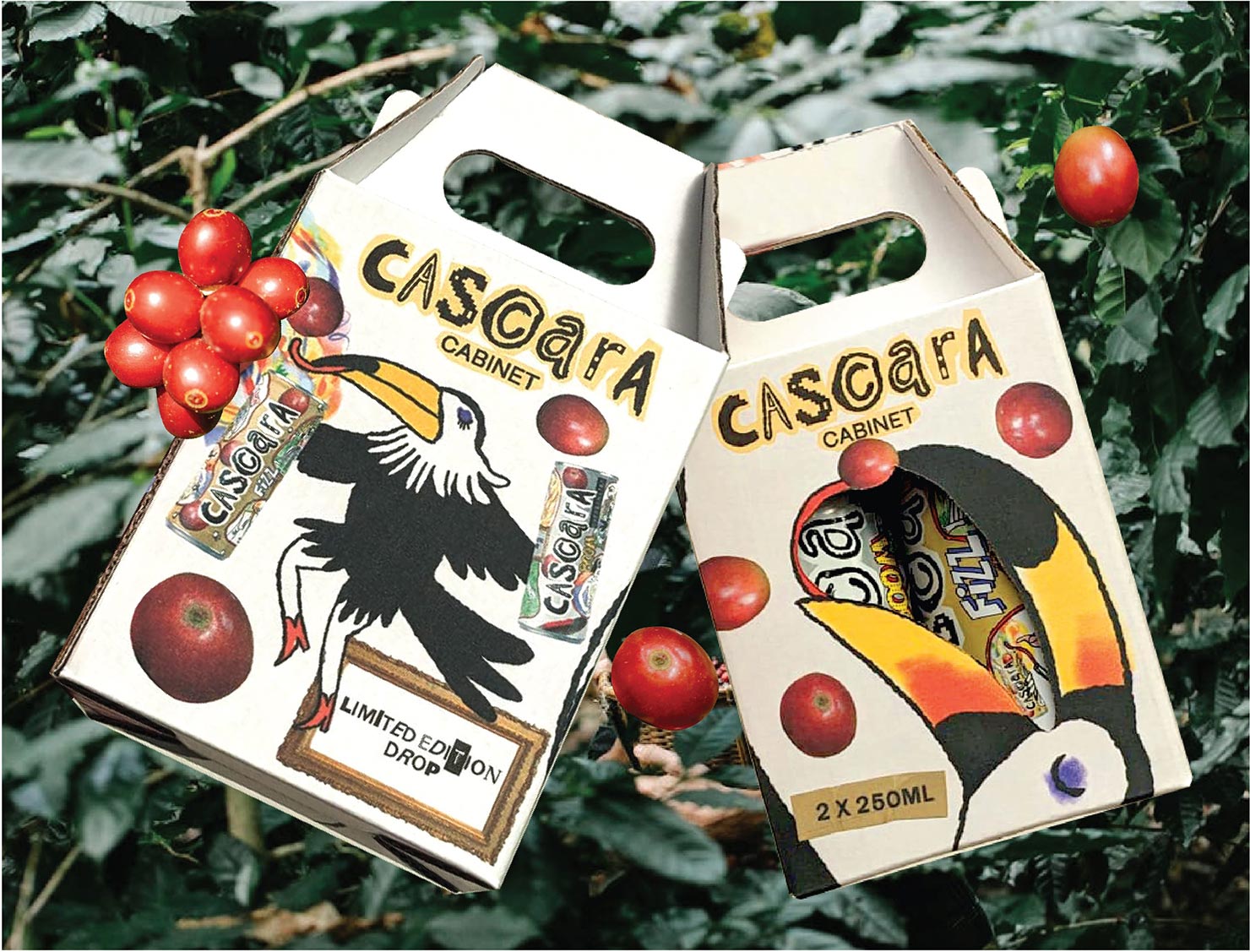
In a market saturated with minimalist, "clean" beverage packaging, Cascara Cabinet has opted for a radically different approach. The brand identity utilizes a chaotic, collage-heavy design that incorporates imagery of tongues, toucan feathers, and surrealist motifs.
This design strategy is a deliberate departure from the standard "coffee-adjacent" branding. According to the company, if coffee is treated as the industry’s "Barbie"—a polished, standardized icon—then cascara represents the overlooked "Ken." By refusing to mimic the clean, serif-heavy aesthetic common in premium coffee products, Cascara Cabinet signals to the consumer that this is a distinct experience. The goal is to create a visual dissonance that reflects the contents of the can: a beverage that tastes nothing like traditional coffee, thereby defying the consumer’s preconceived notions of what a coffee-derived product should entail.
Economic and Market Implications
The RTD sector is currently one of the fastest-growing segments within the global beverage industry. According to market research, the global RTD market is projected to reach significant valuations by 2030, driven largely by consumer demand for healthier, lower-sugar alternatives to traditional sodas.
Cascara Cabinet’s price point—ranging from €3.50 to €5.00 per 250ml can—positions it in the "premium" tier of the RTD market. This pricing reflects both the complexity of the supply chain and the logistical costs of sourcing a non-traditional ingredient. The brand currently operates primarily within the Netherlands, with expanding distribution footprints in Belgium and Berlin.
The economic model of the business also carries potential implications for coffee producers. By finding a commercial use for the fruit, farms are presented with a secondary revenue stream. If cascara demand continues to scale, it could theoretically incentivize more producers to invest in the infrastructure necessary to preserve the fruit, potentially reducing the environmental burden of coffee waste while increasing the per-hectare profitability of coffee farms.
Product Profiles: Fizz vs. Boom
The brand currently offers two primary iterations: "Cascara Fizz" and "Cascara Boom." These products cater to two distinct segments of the consumer base:
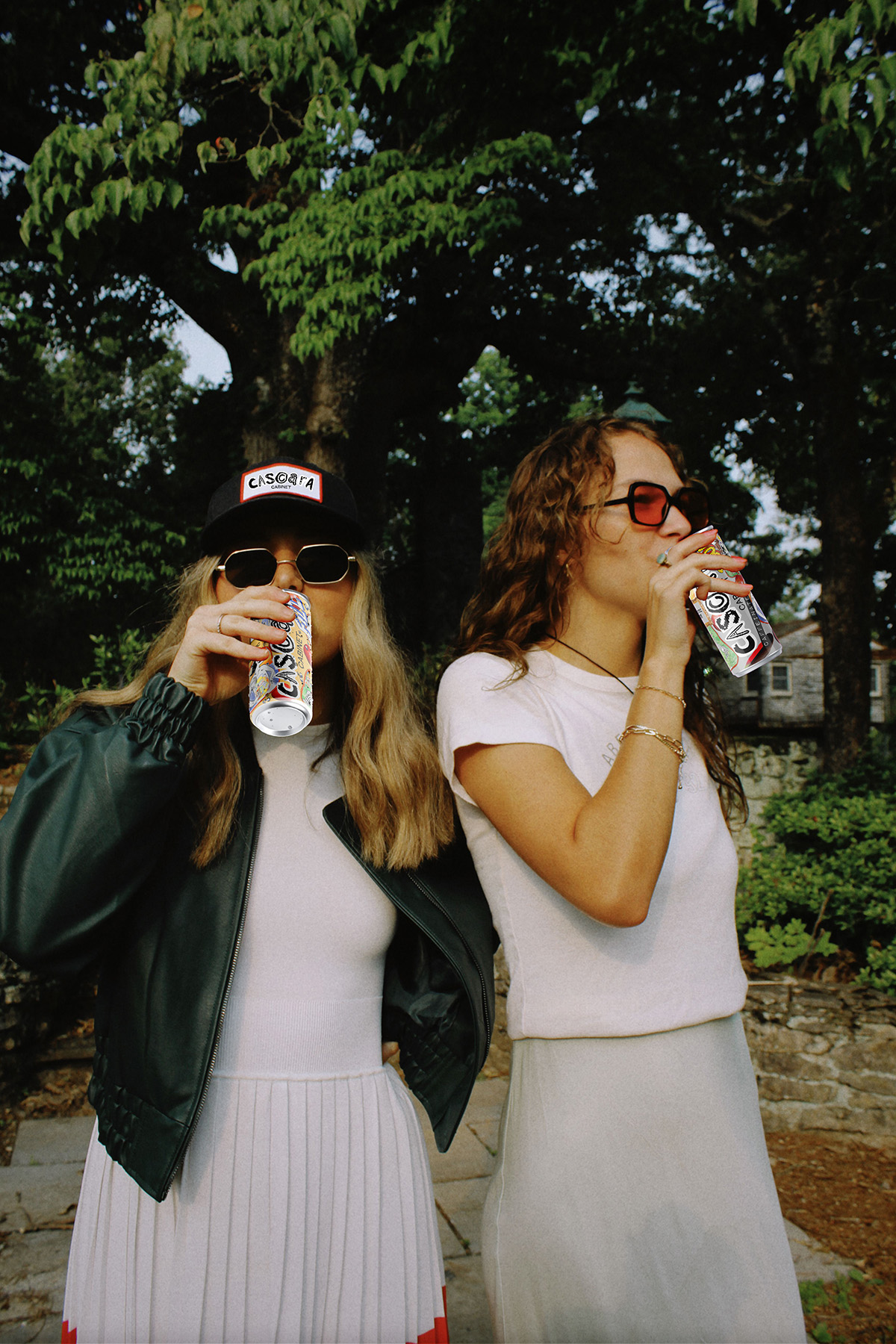
- Cascara Fizz: Designed as an alcohol-free, caffeine-free refreshment, this product highlights the natural acidity and fruit-forward characteristics of the coffee cherry.
- Cascara Boom: This version provides a functional lift with 45mg of caffeine, positioning it as a competitor to traditional energy drinks or canned cold brews.
The reception among consumers has focused on the "lightweight" body of the drinks. Unlike many sodas that rely on heavy sugar content to provide mouthfeel, Cascara Cabinet products lean on the natural tannins and acidity of the fruit. This has resonated with a demographic of drinkers looking for thirst-quenching properties rather than heavy, syrupy profiles.
Analysis: The "Weirding Out" Strategy
Rikken’s philosophy—that the refrigerator should be a venue for the unexpected—aligns with broader shifts in consumer psychology. In the post-pandemic market, there is a measurable trend toward "experimental consumption," where younger demographics actively seek out products that are difficult to categorize.
By explicitly stating that they want to be "a little less sensible," Cascara Cabinet is leveraging a branding strategy that embraces the unconventional. In a retail environment where shelf space is limited and competition is fierce, the ability to provoke curiosity—and perhaps a bit of confusion—is a powerful marketing tool. However, the long-term viability of this approach hinges on whether the brand can move beyond the "novelty" phase and establish itself as a daily staple.
The Path Forward
Looking ahead, the brand has confirmed that additional RTD products are currently in the research and development phase. The challenge for Cascara Cabinet, and indeed for any company operating in the alternative-ingredient space, will be scaling production without compromising the delicate flavor profiles of the raw material.
As the coffee industry continues to grapple with climate change and the need for greater sustainability, the normalization of products like cascara sodas represents a vital step toward a more circular economy. While the brand currently enjoys a cult following in specific European urban centers, its potential to influence the wider market remains high.
Ultimately, Cascara Cabinet serves as a case study in how a niche agricultural byproduct can be transformed into a high-value consumer good through a combination of thoughtful supply chain management and aggressive, unconventional brand positioning. Whether or not the broader public embraces "coffee fruit soda" as a permanent fixture of the refrigerator remains to be seen, but the brand’s persistence over the last eight years suggests that the demand for "weird stuff" is not merely a passing trend, but a fundamental shift in how modern consumers engage with their daily beverages.