
 Ali Ikhwan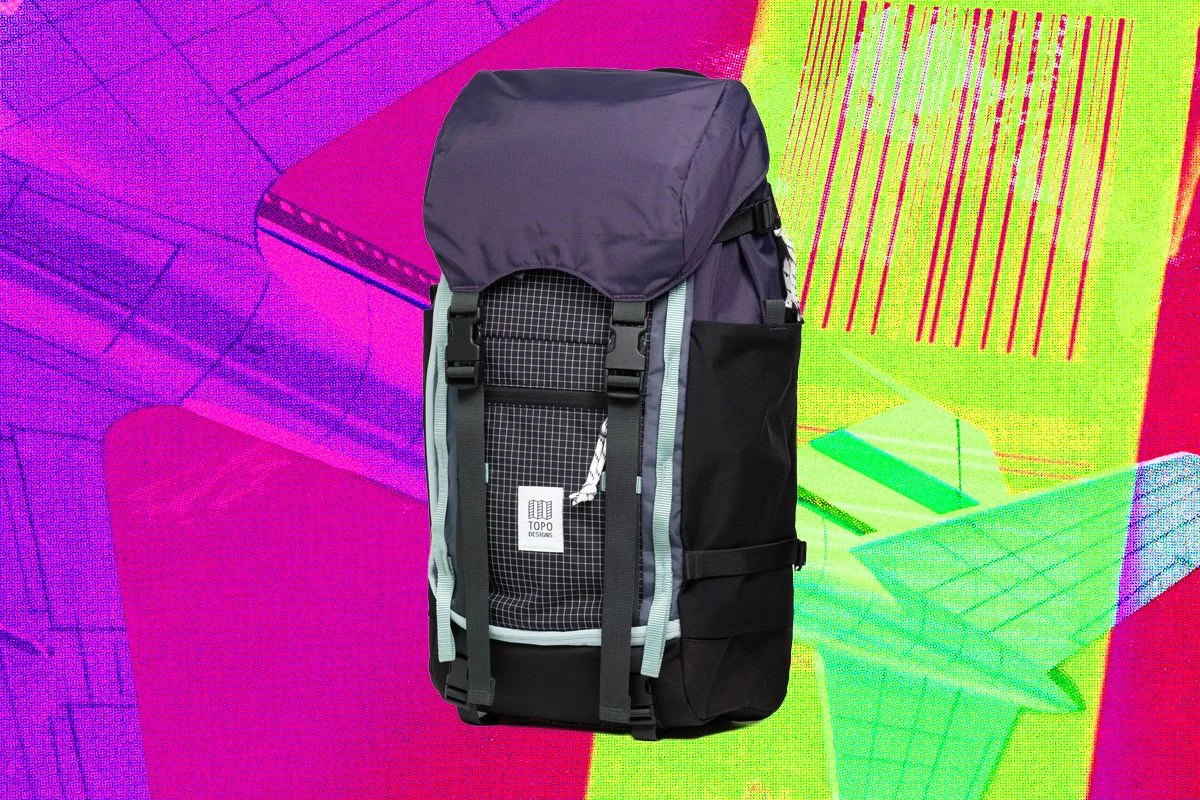
The outdoor gear industry has witnessed a significant shift toward "gorpcore," a fashion trend where high-performance weather-resistant apparel and equipment are integrated into everyday urban wear. At the forefront of this movement is Topo Designs, a Denver-based company that has carved out a niche by balancing rugged durability with a minimalist, utilitarian aesthetic. The brand’s Rover Trail Pack, a 22-liter versatile rucksack, has emerged as a focal point for travelers and outdoor enthusiasts seeking a "one-bag" solution that transitions seamlessly from international airport terminals to rugged highlands.
The Rise of Topo Designs and the New Outdoor Movement
Founded in 2008 by Jedd Rose and Mark Hansen, Topo Designs began in a Fort Collins basement with a mission to create gear that reflected the founders’ Western roots while maintaining a sense of modern design. Unlike traditional outdoor brands that focused exclusively on technical mountaineering or tactical applications, Topo Designs embraced the "New Outdoor" philosophy. This approach prioritizes versatility, sustainability, and an aesthetic that feels equally at home in a coffee shop as it does on a trailhead.
The Rover Trail Pack represents an evolution of the brand’s flagship Rover Pack. While the original model became a staple for students and commuters, the "Trail" iteration introduces enhanced features designed for higher-intensity use. Priced at approximately $169, the pack occupies a mid-tier position in the market, competing with legacy brands like Patagonia and Osprey, as well as modern disruptors like Peak Design and Bellroy.
Field Testing Chronology: A 10-Day International Case Study
To evaluate the practical limits of the Rover Trail Pack, the gear was subjected to a rigorous 10-day field test spanning Ireland and Scotland. This period served as a comprehensive stress test, simulating the high-frequency transitions typical of modern multi-destination travel.
Days 1-3: The Transit Phase
The initial phase involved the logistics of international air travel. The pack was utilized as a "personal item," intended to fit under airline seats while providing immediate access to essential documents. During seven separate flight segments, the utility of the top-loading rucksack design was tested. The dual-closure system—comprising a drawstring cinch and a buckled flap—provided security against the mechanical stresses of overhead bins and under-seat storage.
.jpg)
Days 4-7: High-Frequency Transitions
The mid-point of the journey involved stays at eight different hotels over 10 days. This required constant packing and unpacking, highlighting the efficiency of the bag’s organizational structure. The J-shaped side zipper, a signature feature of the Trail model, allowed for "surgical" access to items stored at the bottom of the main compartment—such as travel pillows and hygiene kits—without disturbing the contents packed at the top.
Days 8-10: Environmental Adaptability
The final stage of the testing occurred in the variable climates of the Scottish Highlands and coastal Ireland. The 1000D recycled nylon construction provided a barrier against light precipitation and abrasive surfaces. The stowable waist belt and padded back panel were utilized during day-long excursions, demonstrating the bag’s ability to distribute weight effectively even when loaded to its 22-liter capacity.
Technical Specifications and Engineering Data
The Rover Trail Pack is built on a foundation of high-denier fabrics and heavy-duty hardware. Its specifications reveal a focus on longevity and material resilience:
- Primary Material: 1000D recycled nylon base with 420D recycled nylon pack cloth throughout the body. The use of 1000-denier fabric provides exceptional abrasion resistance, a critical factor for gear intended for both urban commuting and trail use.
- Capacity and Dimensions: The 22-liter volume is distributed across an 11-inch width, 17-inch height, and 4.5-inch depth. This footprint conforms to most international "personal item" regulations, making it a strategic choice for budget-conscious travelers avoiding checked bag fees.
- Closure Systems: The pack utilizes heavy-duty YKK zippers, recognized as the industry standard for durability. The main compartment is secured via a drawstring cinch, protected by a top flap with dual side-release buckles.
- Internal Organization: A dedicated internal sleeve accommodates laptops up to 15 inches. For security, the top flap contains a zippered pocket equipped with an internal key clip and an additional zippered mesh sleeve, creating a "double-bagging" effect for high-value items like passports and currency.
Functional Analysis: Utility Over Showiness
Journalistic analysis of the Rover Trail Pack suggests that its success lies in "invisible engineering"—features that solve common user frustrations without adding unnecessary bulk.
The J-shaped side zipper is perhaps the most significant departure from traditional rucksack designs. Top-loading bags are often criticized for the "black hole" effect, where items at the bottom are inaccessible without a total unpack. The side-access zipper mitigates this flaw, allowing the bag to function similarly to a duffel or a side-loading camera bag when necessary.
Furthermore, the integration of spandex-reinforced side pockets addresses the evolving size of hydration gear. While many "aesthetic" bags feature rigid pockets that fail to hold wide-mouth bottles, the Rover Trail’s pockets expand to fit various containers, from standard water bottles to beverage cans, maintaining a snug fit through elastic tension.

The modularity of the harness system also warrants attention. The lightly padded waist belt is designed to be tucked away behind the foam back panel when not in use. This prevents the "dangling strap" syndrome that often plagues technical hiking packs when used in professional or urban settings.
Market Context and Competitive Positioning
The Rover Trail Pack enters a crowded market where consumers are increasingly demanding "multipotentialite" gear. According to market data from the Outdoor Industry Association, there has been a 26% increase in participation in "near-home" outdoor activities since 2020. This shift has fueled demand for products that do not look like traditional "bright orange" hiking gear but possess the same technical DNA.
Industry analysts note that Topo Designs’ strategy involves leveraging the "MAP Guarantee" (Maintain, Adorn, Proclaim). This sustainability initiative emphasizes repairability over replacement. By using standard hardware and heavy-duty materials, the company ensures that its bags can be serviced by local cobblers or through the brand’s own repair program, appealing to the growing demographic of environmentally conscious consumers.
In comparison to competitors:
- Vs. Osprey Daylite: The Rover Trail offers superior material weight (1000D vs. 210D) but at a higher price point.
- Vs. Peak Design Everyday Backpack: While Peak Design offers more internal dividers for tech-heavy users, Topo Designs provides a lighter, more flexible shell that is better suited for non-electronic gear and clothing.
Broader Impact and Industry Implications
The popularity of the Rover Trail Pack is indicative of a broader trend in consumer behavior: the rejection of specialized, single-use luggage. As travel costs rise and airline restrictions tighten, the "one-bag" philosophy has moved from a niche internet subculture to a mainstream travel strategy.
The Rover Trail Pack’s 22-liter capacity is the "Goldilocks" zone for this movement. It is large enough to hold a change of clothes, electronics, and snacks for a weekend trip, yet small enough to avoid the bulk of traditional 30-40 liter travel packs. This versatility suggests that the future of the luggage industry may lie not in smarter technology (such as built-in batteries or GPS), but in smarter geometry and material science.

Furthermore, the brand’s success in Denver’s competitive outdoor hub serves as a case study for domestic manufacturing and design. By maintaining a clear design language—bold color blocking and paracord accents—Topo Designs has built a brand identity that is recognizable at a distance, a feat usually reserved for much larger corporations like North Face or Nike.
Conclusion: A Synthesis of Form and Function
The Topo Designs Rover Trail Pack represents a successful synthesis of the rugged requirements of the trail and the organizational needs of the modern traveler. Its performance over a 10-day, multi-flight international itinerary confirms that its design choices—from the J-zipper to the internal security mesh—are rooted in practical utility rather than mere ornamentation.
While no single piece of gear can be truly "perfect" for every individual, the Rover Trail Pack achieves a rare balance. It offers the durability required for the Scottish Highlands, the organization required for TSA checkpoints, and the aesthetic required for urban navigation. As the outdoor and travel industries continue to merge, the Rover Trail Pack stands as a benchmark for what a modern, versatile carryall should be. For the consumer, it represents an investment in a "gateway" piece of gear—one that simplifies the complexities of modern transit through thoughtful, minimalist engineering.







