Muhammad Hendra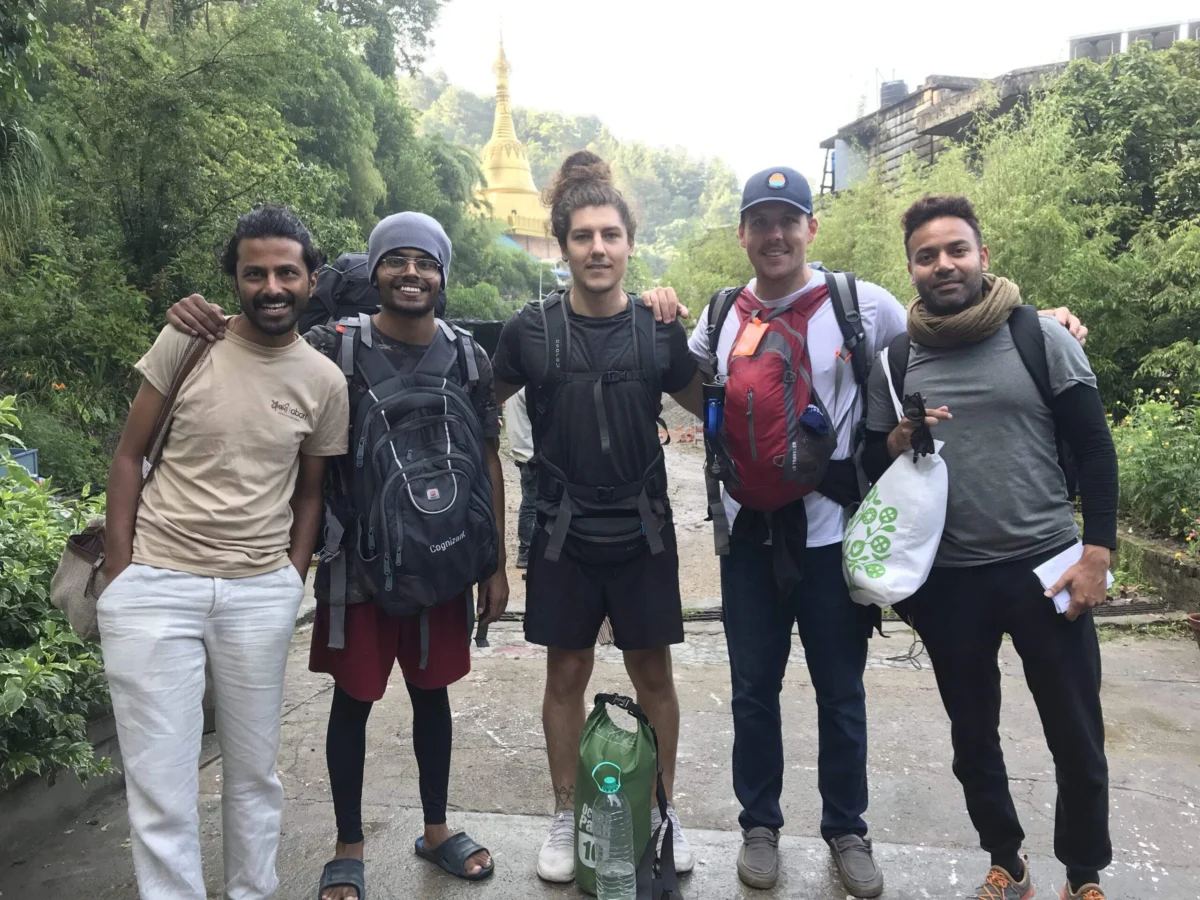
The modern landscape of mindfulness has long been characterized by commercialized apps, upscale urban studios, and serene retreats tucked deep within mountain sanctuaries. Yet, a quiet cultural shift is underway, one that bridges the gap between hyper-paced institutional environments and the most marginalized corners of society. At the forefront of this movement is Billy Rosenbeck, a former high school English teacher whose journey from a conventional suburban prep school classroom to correctional facilities and community centers exemplifies a broader democratization of secular meditation. This evolution has culminated in a critically acclaimed documentary, MELLOW: A Meditation Road Trip, which recently earned a Merit of Awareness designation at the upcoming 2026 Awareness Film Festival.
Chronology of a Practice: From Personal Anxiety to Public Advocacy
Rosenbeck’s entry into mindfulness began not through lifelong exposure to Eastern philosophies or wellness circles, but rather out of acute personal necessity. In his mid-twenties, a period marked by unfamiliar bouts of anxiety and depression prompted him to experiment with basic mindfulness applications, dedicating ten minutes each morning to breath awareness. Initially guarded about his nascent practice—reflecting a traditional, working-class Irish-Catholic upbringing in Springfield, Massachusetts—Rosenbeck soon recognized tangible psychological benefits.
The turning point from private practice to public instruction occurred in 2018 during a period of profound institutional grief. Following the tragic deaths by suicide of several young alumni at Wilbraham & Monson Academy, where Rosenbeck taught English, a student named Evan stepped forward to address the school community regarding mental health resources. Recognizing an opportunity to support the student, Rosenbeck presented mindfulness techniques, specifically highlighting secular tools like Headspace, during an All-School Meeting.
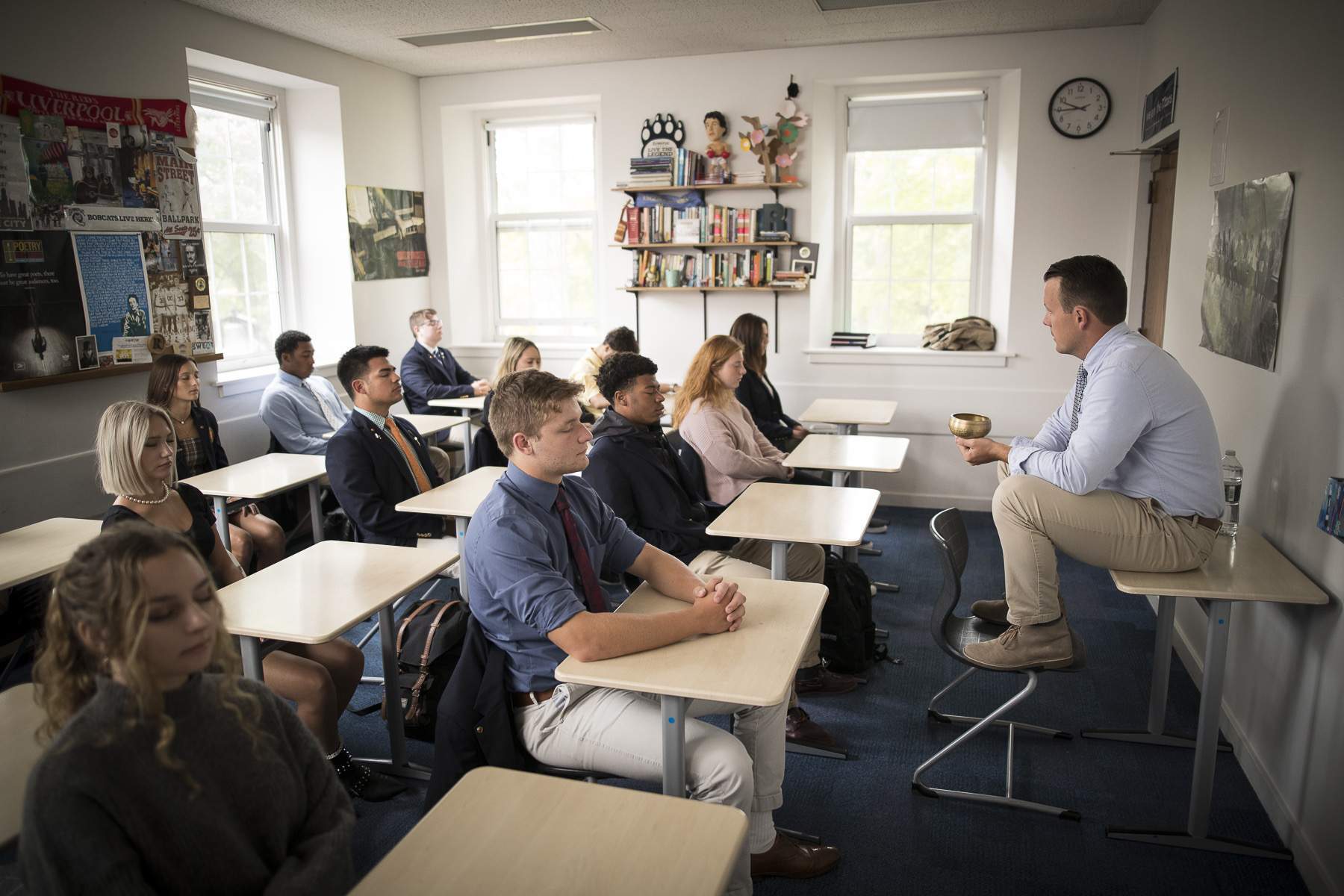
The presentation caught the attention of Head of School Brian Easler, a former Army Ranger who immediately recognized the institutional value of stress-reduction methodologies. Rather than remaining an isolated wellness exercise, mindfulness was formally integrated into the campus culture. Supported by the institution, Rosenbeck underwent professional training under the mentorship of Andy Kelley—widely known as the "Boston Buddha"—graduating from a 100-hour teacher training program in the spring of 2019.
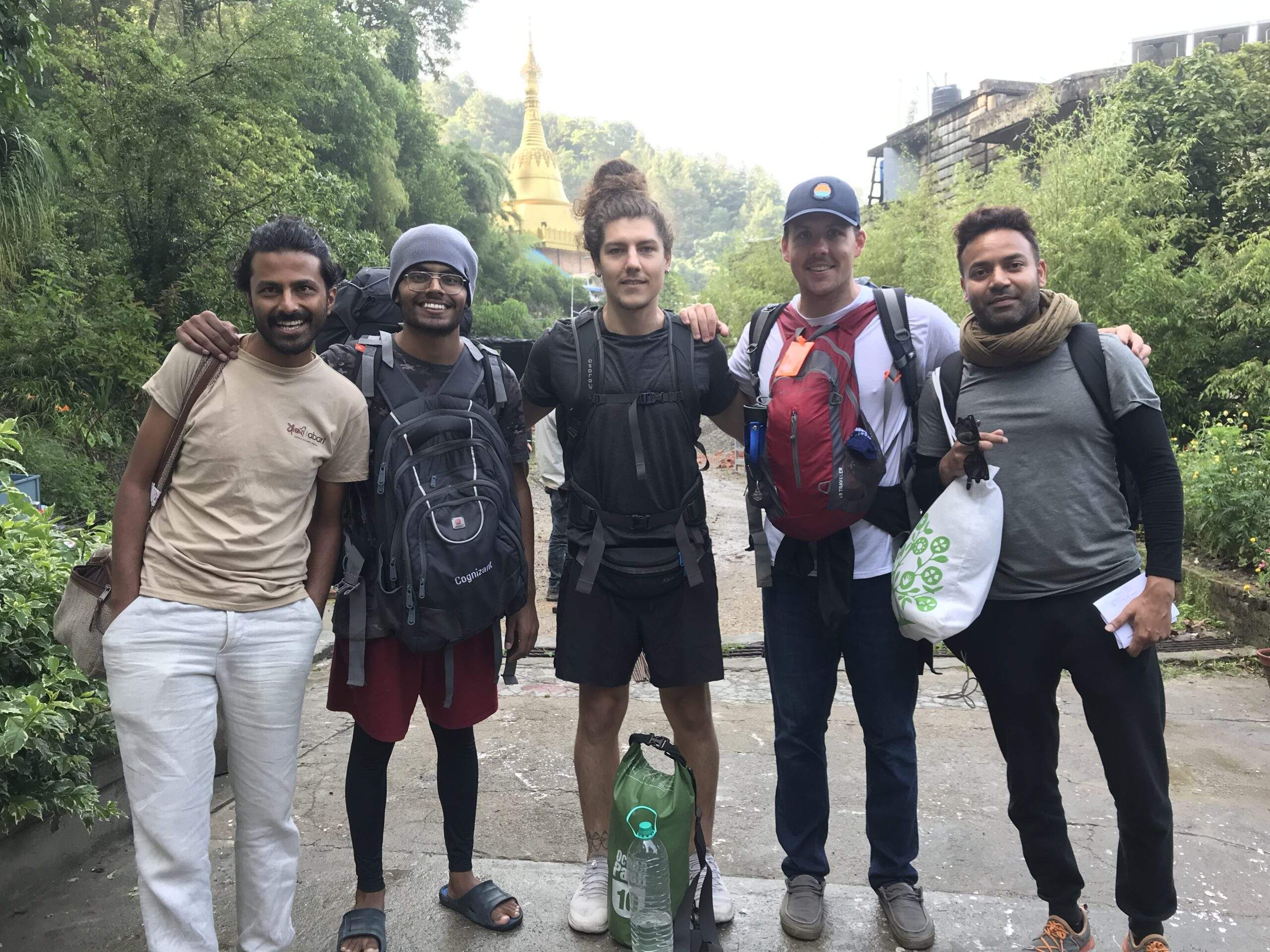
Seeking to deepen his experiential understanding of endurance and psychological resilience, Rosenbeck traveled to Nepal later that year to undertake a notoriously rigorous ten-day silent Vipassana meditation retreat at the Dhamma Shringa Meditation Center on the edge of the Kathmandu Valley. Enduring monsoon conditions, physical exhaustion, and total silence, Rosenbeck returned to Massachusetts equipped with a rigorous framework for teaching psychological steadfastness to diverse populations.
Expanding the Scope: Education, Corrections, and Community Outreach
Back in the United States, Rosenbeck’s pedagogical approach expanded beyond traditional prep school curricula into experimental literature courses. The results among seventeen-year-old seniors mirrored broader trends documented in psychological research regarding adolescent stress reduction: students reported significant drops in panic attacks, improved sleep quality, and a marked reduction in self-harm behaviors.
However, Rosenbeck’s ambitions extended beyond elite academic environments. Inspired by a casual remark during a first date, he secured an invitation to teach mindfulness inside the Hampshire County Jail & House of Corrections. Stepping past metal detectors and through heavy security doors into a housing unit filled with individuals clad in orange and blue jumpsuits, Rosenbeck encountered a demographic vastly different from prep school classrooms, yet equally receptive to foundational breathing exercises.
Despite logistical hurdles—including conducting classes while ambient noise from facility altercations echoed through the corridors and tear gas drifted from adjacent hallways—the program yielded overwhelmingly positive feedback from inmates. Participants cited the sessions as among the most practical components of their rehabilitation curriculum, noting measurable improvements in emotional regulation under high-stress institutional constraints.
Data, Demographics, and the Modern Mindfulness Economy
Rosenbeck’s trajectory underscores a broader economic and sociological reality facing contemporary wellness practitioners. Despite founding the LLC The Mellow Elephant and expanding his consulting work to include presentations for athletic organizations such as the Boston Red Sox coaching staff, state child welfare departments in Massachusetts and Connecticut, and regional law enforcement agencies, the economic reality of independent mindfulness instruction remains precarious.
Data compiled from independent wellness educators indicates that reliance on a single revenue stream is frequently unsustainable. In a typical recent fiscal year, Rosenbeck’s income sources spanned adjunct college professorships, yoga studio classes, substance abuse treatment centers, and simultaneous employment stocking shelves at commercial liquor stores. This financial dichotomy—balancing high-profile institutional engagements with blue-collar labor—illustrates the financial volatility inherent in grassroots mindfulness advocacy.
The Mellow Road Trip: A Proof-of-Concept Experiment
To synthesize his varied teaching environments and test the universal applicability of mindfulness, Rosenbeck conceptualized a large-scale public demonstration timed to coincide with World Meditation Day on May 21, 2025. Partnering with documentary filmmakers Kayla Ebner and Aiden McDonald, along with mental health apparel brand NOSOLO, Rosenbeck orchestrated a grueling logistical itinerary: conducting ten distinct meditation sessions across ten different Western Massachusetts locations within a ten-hour window.
The resulting 45-minute documentary, MELLOW: A Meditation Road Trip, captures approximately 130 miles of transit and engages roughly 150 diverse participants. The route traversed a wide cross-section of civic life, including:
- Senior citizens at the Pleasant View Senior Center
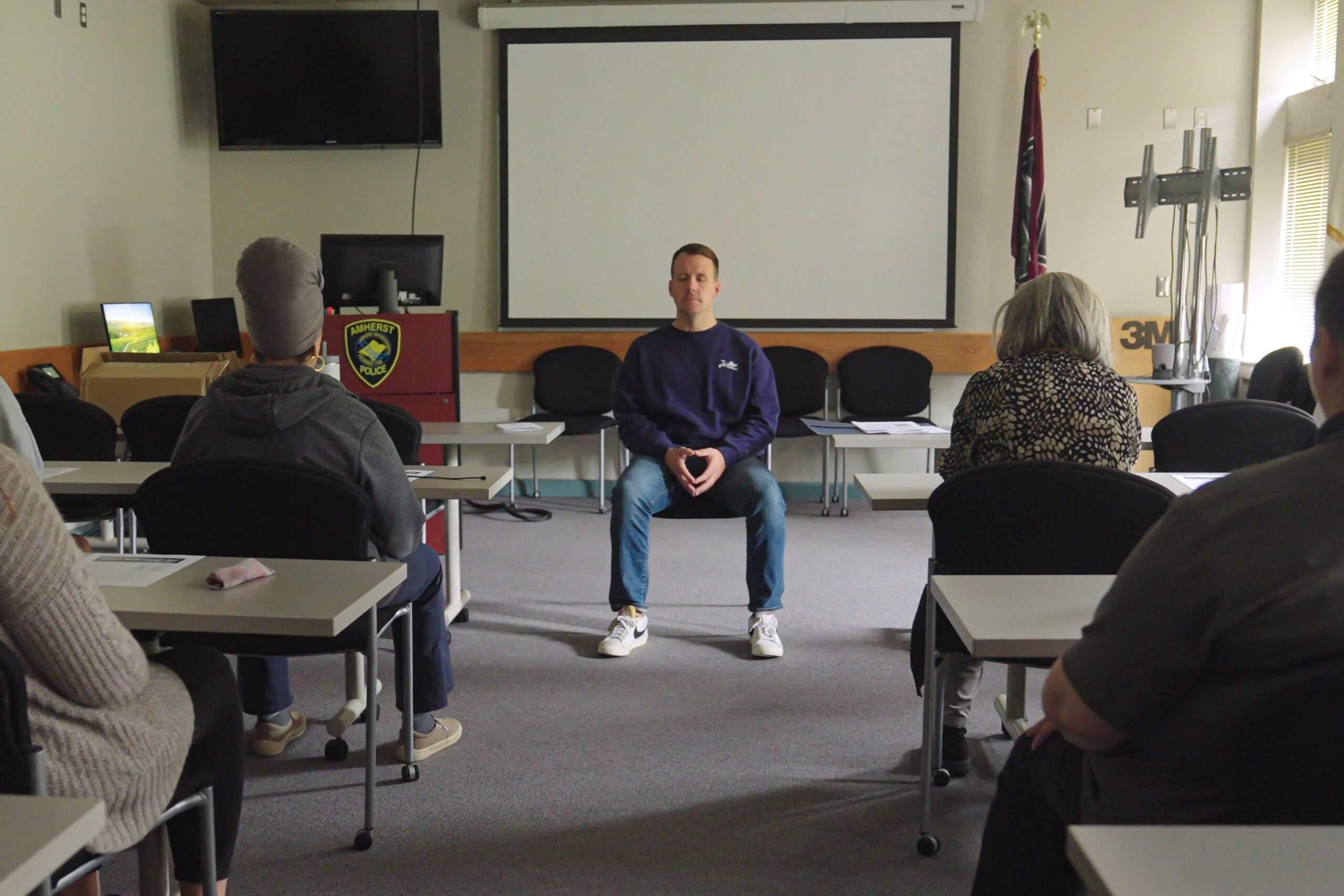
- First responders at local firehouses and police stations
- Students in high school lecture halls
- Professionals in corporate and municipal offices
The underlying sociological hypothesis of the road trip was simple yet rigorous: to demonstrate that the physiological and psychological mechanisms of mindfulness—regulated breathing, present-moment awareness, and emotional non-reactivity—operate independently of socioeconomic status, age, or institutional setting. Whether practiced by teenagers in prep schools, inmates in correctional facilities, or retirees in community centers, the foundational response to structured stillness remained uniform.
Broader Implications and Sociological Impact
The recognition of MELLOW: A Meditation Road Trip by the Awareness Film Festival highlights a growing appetite for authentic, demystified mental health interventions. Public health analysts note that as systemic stressors mount across educational, carceral, and corporate sectors, low-cost, scalable interventions like mindfulness training are increasingly viewed as essential complements to traditional clinical psychological care.
By stripping away the commercialized aesthetics often associated with the modern wellness industry—replacing incense-filled studios with armless metal chairs in municipal breakrooms and correctional facilities—educators like Rosenbeck are redefining mindfulness as a fundamental civic tool. The initiative demonstrates that psychological resilience is not a luxury commodity reserved for affluent demographics, but a universally accessible practice capable of traversing the rigid boundaries of modern societal stratification.